In This Guide
“`html
Управление температурой и влажностью в контролируемом растениеводстве (CEA)
Оптимизация микроклимата в сельском хозяйстве с контролируемой средой (CEA): управление температурой и влажностью
Сельское хозяйство с контролируемой средой (CEA) представляет собой высокотехнологичный подход к растениеводству закрытого грунта, требующий точного управления параметрами микроклимата. Одними из наиболее критических факторов успешного выращивания культур являются контроль температуры и влажности. В отличие от традиционного открытого грунта, объекты CEA позволяют растениеводам поддерживать стабильные условия круглый год, что напрямую влияет на качество урожая, эффективность производства и рентабельность. В данном подробном руководстве рассматриваются оптимальные диапазоны температуры и влажности для растениеводческих комплексов, а также приводятся научно обоснованные рекомендации для руководителей объектов и инженеров-агротехников.
Важность климат-контроля в растениеводстве закрытого грунта
Современные тепличные комплексы и объекты CEA зависят от поддержания точных параметров микроклимата для максимизации продуктивности культур. Параметры окружающей среды — в частности, температура и влажность — напрямую влияют на скорость фотосинтеза, усвоение питательных веществ, эффективность транспирации и метаболизм растений. Предприятия, не обеспечивающие оптимальные условия, сталкиваются со снижением урожайности, ухудшением качества продукции и повышенной восприимчивостью к вредителям и патогенам.
Корреляция между условиями микроклимата и комфортом персонала служит базовым практическим ориентиром: если сотрудникам некомфортно находиться в помещении, параметры среды, скорее всего, требуют корректировки для оптимального роста растений. Однако профессиональным предприятиям CEA необходимо переходить от интуитивного управления к регламентам климат-контроля на основе данных, поддерживаемым системами автоматизированного мониторинга и ОВиК (HVAC).
Ключевой принцип: Высокоточный климат-контроль — основа стабильного и качественного производства в сельском хозяйстве с контролируемой средой. Даже незначительные отклонения от оптимальных параметров могут привести к существенным потерям урожая и снижению качества продукции.
Оптимальное управление температурой на объектах CEA
Целевые диапазоны температур
Этот Идеальная рабочая температура для большинства коммерческих растениеводческих предприятий находится в диапазоне 68–77°F (20–25°C). Данный диапазон представляет собой баланс между эффективностью метаболизма, фотосинтетической способностью и экономической эффективностью эксплуатации. Контроль температуры в этих пределах обеспечивает оптимальное развитие растений без чрезмерных затрат энергии на управление микроклиматом.
| Стадия роста |
Диапазон температур (°F) |
Диапазон температур (°C) |
Основные особенности |
| Вегетативная фаза |
70–85°F |
21–29°C |
Более теплые условия способствуют развитию листьев и накоплению биомассы |
| Фаза цветения / плодоношения |
65–80°F |
18–26°C |
Несколько более прохладные условия улучшают окраску, качественные характеристики и выработку ароматических соединений |
| Оптимальный диапазон (общий) |
68–77°F |
20–25°C |
Баланс между эффективностью роста и физиологическим качеством |
Температура и фотосинтетическая активность
Управление температурой в период фотопериода (светового цикла) имеет особенно важное значение, поскольку этот период напрямую влияет на интенсивность фотосинтеза и потенциал роста растений. Во время активного освещения температура должна оставаться стабильной и находиться в пределах оптимального диапазона. Значительные температурные колебания между дневным и ночным циклами могут вызвать стресс у растений и снизить общую продуктивность.
Для достижения максимальной продуктивности поддерживайте разницу дневных и ночных температур не более 5–10°F (3–6°C). Такие умеренные колебания имитируют естественные суточные ритмы, предотвращая вызванные стрессом нарушения метаболизма.
Влияние субоптимальных температур
Условия низких температур
При падении температуры окружающей среды ниже 60°F (15°C), метаболизм растений существенно замедляется, что приводит к:
- Снижению темпов роста и увеличению производственных циклов
- Задержке созревания культур и переносу сроков сбора урожая
- Повышению восприимчивости к грибковым патогенам, в частности Ботритис и мучнистой росы, особенно в условиях высокой влажности
- Нарушение функции корневой системы и снижение эффективности усвоения питательных веществ
- Низкая фотосинтетическая способность, несмотря на достаточный уровень освещенности
Отрицательные температуры (ниже 32°F или 0°C) могут вызвать необратимые повреждения клеток и потерю урожая. Закрытые агрокомплексы обладают значительным преимуществом перед открытым грунтом, полностью исключая этот риск благодаря системам климат-контроля.
Практическое замечание: Культуры, выращиваемые в субоптимальных прохладных условиях, могут выжить, но никогда не достигнут той скорости роста и показателей качества, которые возможны при оптимальном температурном режиме.
Условия повышенных температур
Избыточный нагрев выше 77°F (25°C) ускоряет метаболизм растений, вызывая каскадный рост потребности в дополнительных ресурсах:
- Повышенная потребность в освещении: Более высокая скорость метаболизма требует большей интенсивности фотосинтеза
- Увеличенное потребление воды: Повышенная транспирация увеличивает частоту полива и расход воды
- Необходимость дополнительной подачи CO₂: Ускоренный метаболизм требует повышенного уровня углекислого газа для поддержания фотосинтеза
- Повышенная потребность в удобрениях: Более быстрое усвоение элементов питания требует корректировки параметров питательного раствора
В период фазы цветения или плодоношения, температуры свыше 80°F (26°C) оказывают особенно негативное воздействие:
- Снижение качества плодов/цветов и потенциала урожайности
- Снижение концентрации ароматических соединений (летучие терпены разрушаются при повышенных температурах)
- Ухудшение пигментации и внешнего товарного вида
- Повышенная восприимчивость к паутинному клещу, корневой гнили и дефициту питательных веществ
- Усиленная транспирация, приводящая к водному стрессу даже при достаточном поливе
- Гипоксия корневой зоны (дефицит кислорода) из-за усиленного дыхания
Автоматизированные системы управления температурой
Профессиональные комплексы защищенного грунта (CEA) требуют автоматизированной инфраструктуры климат-контроля вместо ручного управления. Рекомендуемые системы включают:
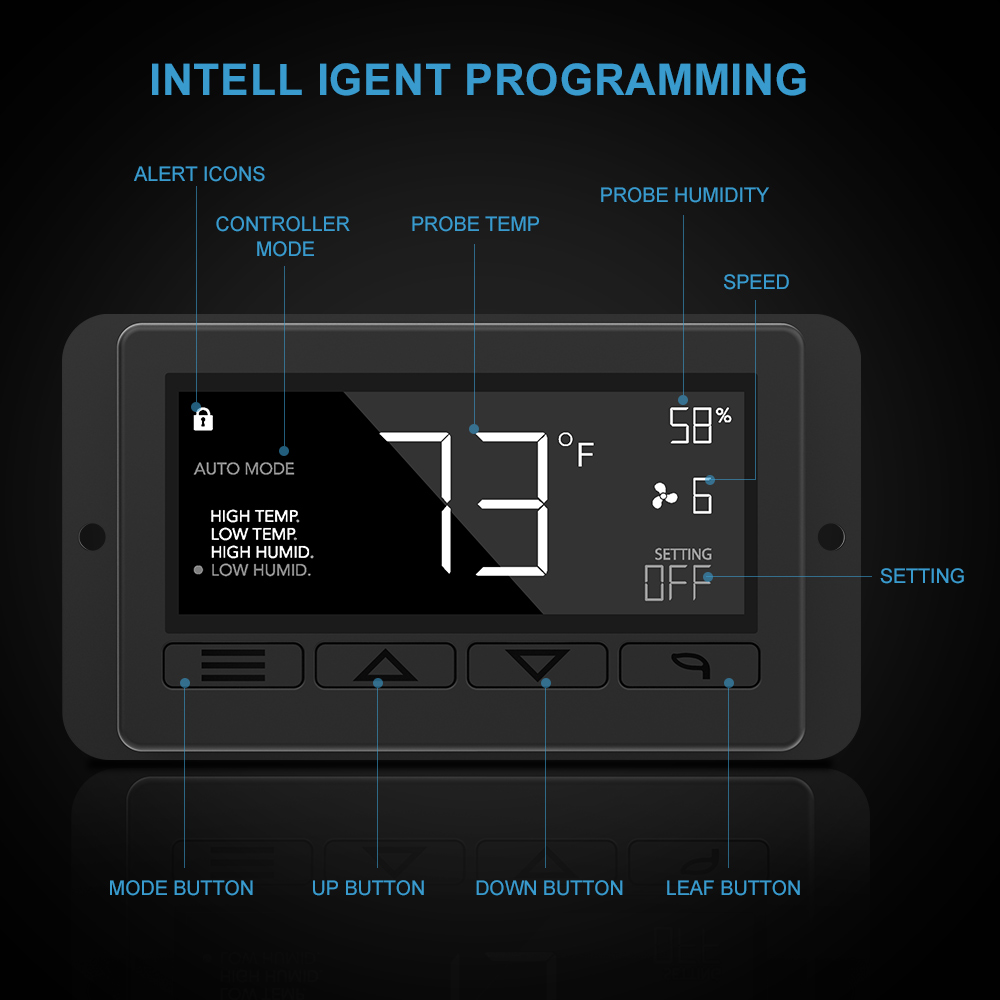
- Цифровые термостаты с прецизионными датчиками: точность ±0.5°F для надежного мониторинга
- Интегрированные системы HVAC: Согласованная работа отопления, охлаждения и вентиляции для бесперебойного регулирования температуры
- Распределенные сети датчиков: Множество точек контроля по всему объекту для обнаружения температурных градиентов
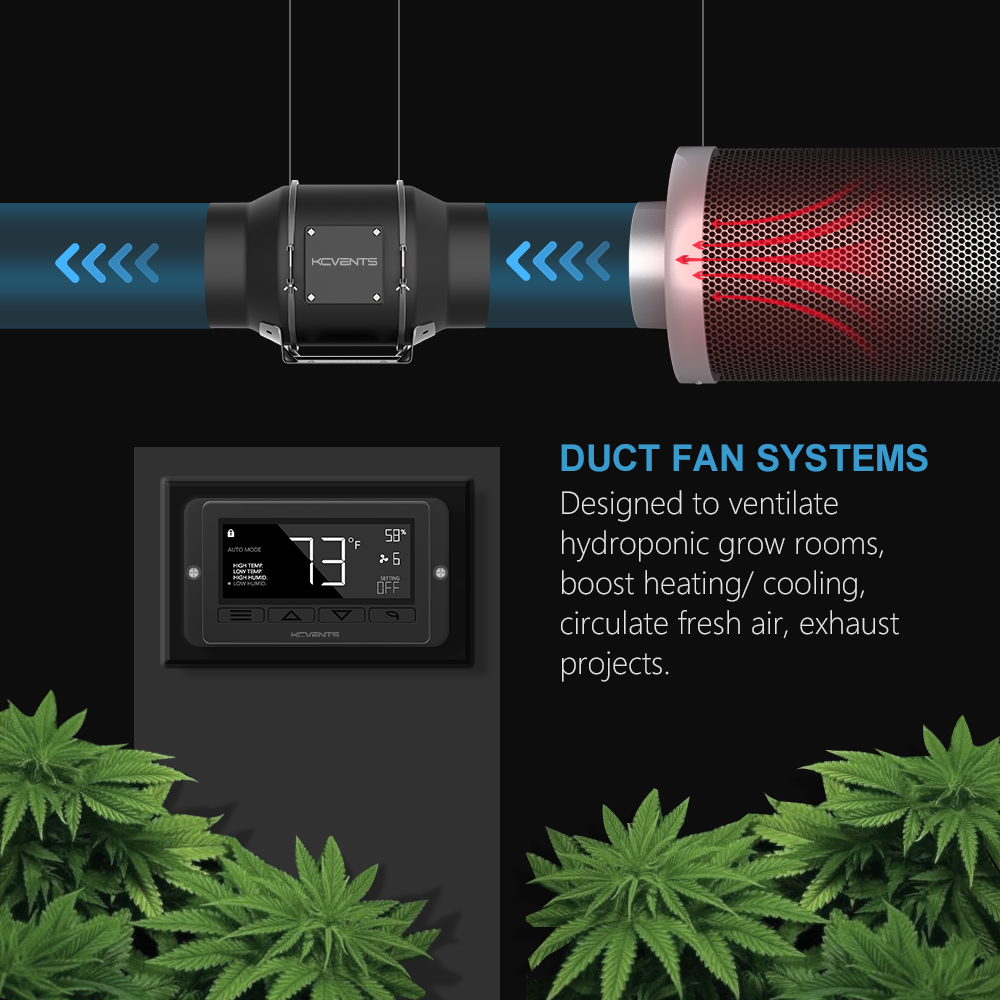
- Автоматизированные системы управления вентиляцией: Вентиляторы, регулирующие приток и вытяжку на основе данных о температуре в реальном времени
- Системы отопления: Воздухонагреватели или лучистые системы для работы в холодный сезон
- Системы испарительного охлаждения или чиллеры: Для регулирования температуры в теплый сезон
Эти системы обеспечивают превосходный контроль по сравнению с ручным управлением и дают существенные эксплуатационные преимущества: стабильную урожайность, снижение потерь энергии, повышение качества продукции и сокращение трудозатрат.
Отраслевой стандарт: Автоматизированные системы климат-контроля обычно снижают затраты на электроэнергию на 20–30%, одновременно повышая стабильность урожая и качество продукции.
Управление влажностью в контролируемой среде
Оптимальные диапазоны влажности
Этот оптимальная относительная влажность (RH) для большинства тепличных хозяйств составляет от 40–70%, в зависимости от стадии роста и типа культуры. Поддержание этого диапазона предотвращает как стресс от иссушения, так и патогенное давление грибков.
| Уровень влажности |
Диапазон относительной влажности |
Статус |
Основные риски |
| Низкая влажность |
Ниже 40% RH |
Субоптимальный |
Ускоренная транспирация; возможный водный стресс |
| Оптимальный диапазон |
40–70% отн. вл. |
Целевой |
Сбалансированная транспирация; минимальное патогенное давление |
| Высокая влажность |
Выше 70% RH |
Избыточный |
Размножение грибковых патогенов; развитие плесени |
Оборудование для мониторинга влажности
Точное измерение влажности требует приборов профессионального класса. Электронные гигрометры со встроенной функцией регистрации данных обеспечивают оптимальный мониторинг для коммерческих объектов. Ключевые особенности включают:
- Цифровой дисплей с отображением процента относительной влажности в реальном времени
- Регистрация данных и облачное подключение для удаленного мониторинга
- Пороговые значения тревоги для автоматических оповещений при выходе параметров за пределы целевых диапазонов
- Интеграция с системами управления зданием для скоординированного контроля климата
- Размещение нескольких датчиков по всему объекту для выявления микроклиматических зон

Условия низкой влажности (ниже 40% RH)
Когда влажность окружающей среды опускается ниже 40% относительной влажности, растения подвергаются повышенной скорости транспирации. Последствия включают в себя:
- Повышенное потребление воды и потребность в орошении
- Повышенные требования к подаче воды для предотвращения стресса растений
- Возможный дисбаланс питательных веществ, если системы полива не могут поддерживать постоянный уровень влажности
- Незначительное влияние на жизнеспособность урожая при наличии достаточных запасов воды
Хотя низкая влажность обычно не приводит к немедленной гибели урожая, она требует оперативного управления орошением и может увеличить производственные затраты из-за повышенного расхода воды.
Условия высокой влажности (выше 70% RH)
Избыточная влажность представляет собой более серьезную эксплуатационную проблему. Когда относительная влажность постоянно превышает 70%, особенно во время фазы цветения или плодоношения, возникает множество осложнений:
- Размножение грибковых патогенов: Ботритис серый (серая гниль), мучнистая роса и другие грибковые патогены активно развиваются в условиях высокой влажности
- Быстрое развитие плесени: Видимый рост плесени на тканях растений и поверхностях помещения
- Риск потери урожая: Тяжелые грибковые инфекции могут привести к значительным потерям урожая или полной его гибели
- Длительное время устранения последствий: Проблемы с грибковыми поражениями требуют немедленного вмешательства и постоянного контроля
Критическое предупреждение: Высокая влажность в сочетании с плохой циркуляцией воздуха создает идеальные условия для развития губительных грибковых заболеваний. Для предотвращения потери урожая требуется немедленное осушение воздуха и корректировка вентиляции.
Контроль влажности по стадиям роста
| Стадия роста |
Оптимальный диапазон относительной влажности (ОВ) |
Обоснование |
| Вегетативная фаза |
50–70% ОВ |
Повышенная влажность способствует росту листьев и наращиванию биомассы; снижает риск патогенной нагрузки в период активного роста |
| Переходная фаза |
45–65% ОВ |
Постепенное снижение влажности подготавливает растения к репродуктивной фазе |
| Фаза цветения / плодоношения |
40–60% ОВ |
Более низкая влажность снижает риск грибковых заболеваний и улучшает качественные показатели продукции; критически важно для получения урожая высшего качества |
| Сбор урожая / Постуборочная обработка |
50–60% ОВ |
Сохраняет качество продукции в период окончательного созревания и сбора урожая |
Интегрированные системы климат-контроля и решения ОВиК (HVAC)
Требования к системе вентиляции
Профессиональные вентиляционные системы служат основой эффективного контроля влажности и температуры. Высокопроизводительные комплексы закрытого грунта (CEA) включают в себя:
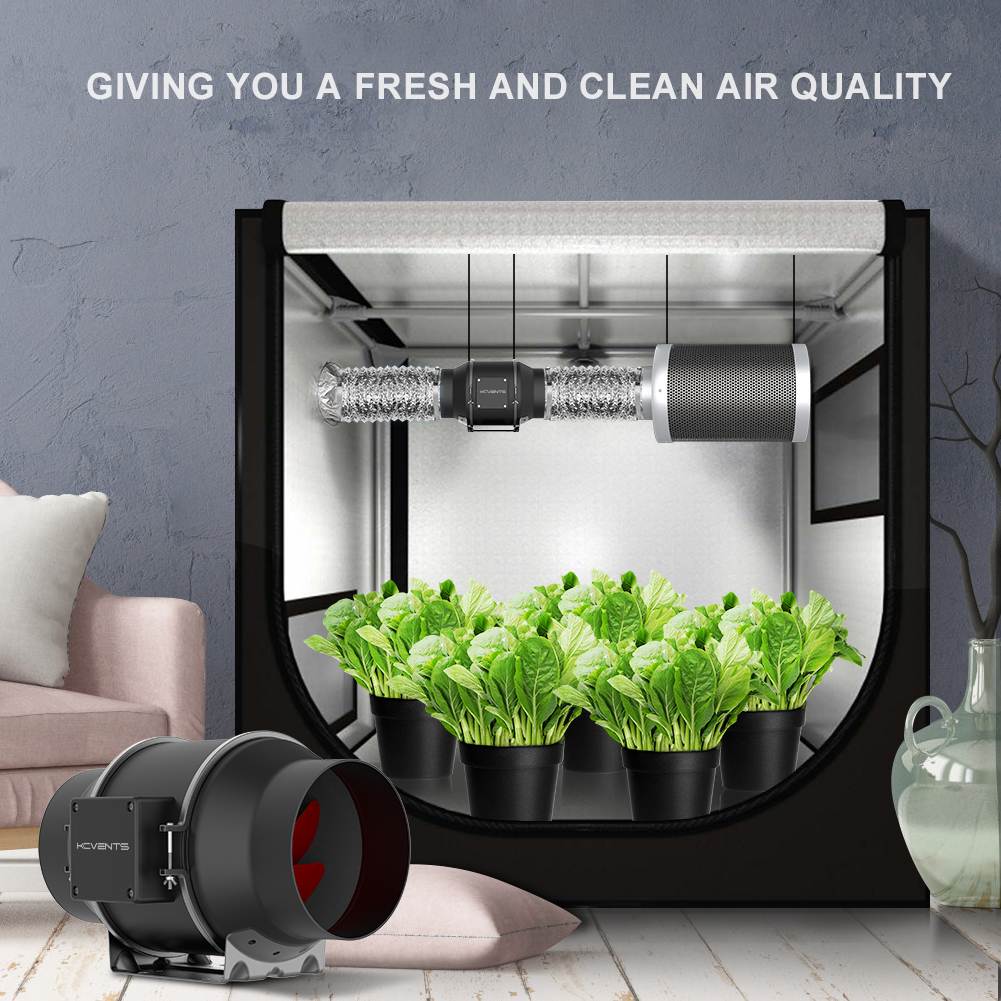
- Канальные вентиляторы смешанного типа: Разработаны для непрерывной работы с низким уровнем шума, подходят для помещений с присутствием персонала
- Системы приточной вентиляции: Обеспечивают подачу свежего наружного воздуха, обогащенного CO₂, поддерживая заданные параметры температуры и влажности
- Вытяжные системы: Удаляют избыточную влагу, тепло и отработанный воздух для поддержания оптимального микроклимата
- Дозирование углекислого газа: Предотвращает дефицит CO₂, поддерживая необходимый воздухообмен
- Контроль статического давления: Правильно подобранные воздуховоды и вентиляторы поддерживают стабильный расход воздуха даже в сложных аэродинамических условиях
Вентиляционные системы должны обеспечивать стабильность микроклимата при изменении внешних условий, гарантируя постоянство внутренних параметров.

Технологии осушения воздуха
Когда естественной вентиляции недостаточно для контроля влажности, необходимо применение механического осушения:
- Конденсационные осушители: Экономичное решение для умеренного снижения влажности; подходят для большинства объектов CEA
- Адсорбционные осушители: Эффективны при низких температурах; обеспечивают превосходный контроль влажности в прохладных помещениях
- Гибридные системы: Сочетают конденсационную и адсорбционную технологии для максимальной эффективности в различных условиях
- Интегрированные климатические системы (HVAC): Осушение воздуха согласовано с системами отопления и охлаждения для достижения оптимальной энергоэффективности
Интеграция отопления и охлаждения
Эффективный контроль температуры требует согласованной работы систем отопления и охлаждения:
- Системы отопления: Тепловентиляторы, инфракрасные панели или водяные контуры отопления для поддержания температуры в холодный период
- Системы охлаждения: Испарительные охладители, чиллеры или системы испарительного охлаждения (pad-and-fan) для отвода тепла в теплый период
- Системы управления по уставкам: Пропорциональные контроллеры, автоматически регулирующие мощность нагрева/охлаждения в зависимости от температуры в помещении
- Режим ночного снижения температуры: Энергоэффективный режим, поддерживающий необходимую ночную температуру при снижении нагрузки на систему отопления
Параметры микроклимата и физиология растений
Температурные колебания и стрессовые реакции растений
Значительные суточные перепады температур (разница более 10 °F или 6 °C) вызывают стресс у растений, снижая их продуктивность:
- Чрезмерный вегетативный рост с увеличением площади листьев, снижающий эффективность фотосинтеза
- Нарушение структурной прочности растений и риск полегания
- Повышенная потребность в транспирации и водный стресс несмотря на достаточный полив
- Снижение продуктивности в фазах цветения и плодоношения
Поддержание стабильной температуры в узком диапазоне (колебания не более ±3–5°F) предотвращает стрессовые реакции и оптимизирует физиологические процессы.
Контроль дефицита упругости водяного пара (VPD)
На современных предприятиях CEA контролируют показатель VPD Дефицит давления водяного пара (VPD)— разницу между фактическим давлением пара и давлением насыщенного пара в воздухе. VPD определяет интенсивность транспирации и транспорт питательных веществ:
- Низкий VPD (высокая влажность): Сниженная транспирация; риск развития патогенов; ограничение поступления питательных веществ к листьям
- Оптимальный VPD: Сбалансированная транспирация; эффективная доставка питательных веществ; минимальный риск заболеваний
- Высокий VPD (низкая влажность): Избыточная транспирация; риск водного стресса; возможный дисбаланс питательных веществ
Целевые значения VPD обычно находятся в диапазоне 0,45–0,85 кПа в зависимости от фазы роста и типа культуры. Современные системы управления микроклиматом рассчитывают и отображают VPD в режиме реального времени, обеспечивая точную корректировку параметров.

Энергоэффективность и управление эксплуатационными расходами
Оптимизация энергоэффективности климатических систем
На профессиональных объектах CEA балансируют точность микроклимата и затраты на электроэнергию. Стратегии повышения эффективности включают:
- Использование тепловой массы: Водяные или теплоаккумулирующие системы, сглаживающие температурные колебания и сокращающие циклы работы систем HVAC
- Оптимизация ночного охлаждения: Использование более холодного ночного наружного воздуха для снижения нагрузки на активное охлаждение
- Оптимизация уставок: Работа на минимально допустимых диапазонах температуры/влажности без избыточного запаса
- Калибровка датчиков: Регулярная поверка обеспечивает точность показаний и исключает ложные включения оборудования
- Профилактическое обслуживание: Чистые фильтры, точно настроенные системы и обслуженное оборудование работают с максимальным КПД
Целевые показатели эффективности: Оптимизированные климатические системы должны решать производственные задачи, удерживая энергопотребление в рамках отраслевых норм (обычно 8–12 кВт·ч/м² в год для вертикальных ферм).
Устранение типичных проблем с микроклиматом
Проблема: Конденсат и высокая влажность
Признаки: Видимая влага на листьях и поверхностях конструкций; показатели влажности выше 70% RH.
Решения:
- Увеличить производительность вентиляторов для усиления воздухообмена и удаления избыточной влаги
- Включить осушители воздуха при наличии механических систем
- Снизить ночные уставки температуры для уменьшения давления насыщенного пара
- Улучшить циркуляцию воздуха дополнительными вентиляторами для устранения застойных зон
- Контролировать развитие грибковых патогенов и применять превентивные меры
Проблема: Избыточная сухость воздуха
Признаки: Влажность стабильно ниже 40% RH; увядание листьев при достаточном поливе; краевой некроз (подсыхание краев) листьев.
Решения:
- Снизить скорость вентиляторов для удержания влаги в помещении
- Увеличить частоту полива для компенсации повышенной транспирации
- Установить оборудование для увлажнения (системы туманообразования, ультразвуковые увлажнители) при технической возможности
- Убедитесь, что заслонки забора наружного воздуха не подают избыточный сухой наружный воздух
- Проверьте систему полива на предмет достаточной подачи воды
Проблема: нестабильность температуры
Признаки: Колебания температуры более ±5°F; суточные перепады (день/ночь) превышают 10°F; неравномерное распределение температуры по зонам объекта.
Решения:
- Проверьте калибровку термостата и убедитесь, что датчики размещены вдали от сквозняков или источников тепла
- Настройте параметры пропорционального регулятора HVAC для снижения перерегулирования и рыскания системы
- Обеспечьте достаточную циркуляцию воздуха для предотвращения образования застойных зон или стратификации
- Проверяйте целостность теплоизоляции; устраняйте утечки воздуха и мостики холода
- Рассмотрите возможность использования тепловой массы для сглаживания температурных колебаний
Передовые практики управления микроклиматом в CEA
- Внедрите автоматизированный мониторинг: Разверните сети датчиков с регистрацией данных в реальном времени и функциями оповещения
- Разработайте регламенты уставки параметров: Зафиксируйте целевые параметры для каждой стадии роста; обучите персонал стандартным операционным процедурам
- Проводите регулярную калибровку: Ежеквартальная поверка всего контрольно-измерительного оборудования по сертифицированным эталонам
- Соблюдайте графики технического обслуживания: Интервалы планово-предупредительного обслуживания систем ОВиК для обеспечения надежной работы
- Анализируйте динамику данных: Ежемесячный анализ климатических данных для выявления закономерностей и возможностей оптимизации
- Предусмотрите резервирование: Резервные системы для критически важных функций климат-контроля для предотвращения потери урожая из-за сбоев оборудования
- Инвестируйте в профессиональное обучение персонала: Операторы с подтвержденной квалификацией в области климатических систем CEA
- Проводите регулярный аудит систем: Ежегодный энергоаудит и оценка производительности квалифицированными специалистами
Базовый принцип: Прецизионный климат-контроль — это не статья расходов, а ключевая инвестиция в инфраструктуру, обеспечивающая стабильное и рентабельное растениеводство в условиях контролируемой среды.
Заключение
Управление температурой и влажностью составляет важнейшую основу успешной эксплуатации комплексов закрытого растениеводства (CEA). Поддержание оптимальных параметров — 68–77°F (20–25°C) по температуре и 40–70% относительной влажности — требует профессиональных систем мониторинга, автоматизированной инфраструктуры ОВиК и квалифицированного эксплуатационного контроля.
Предприятия, инвестирующие в интегрированные системы климат-контроля, получают ощутимые преимущества: стабильную урожайность, превосходное качество продукции, снижение фитопатогенного давления и повышенную энергоэффективность. Современные комплексы CEA успешно конкурируют с традиционным полевым земледелием благодаря точному контролю микроклимата, максимизирующему продуктивность при минимизации расхода ресурсов.
Успех требует приверженности управлению на основе данных, дисциплины в техническом обслуживании оборудования и непрерывной оптимизации параметров микроклимата на протяжении всего цикла выращивания. Руководители предприятий и инженеры, уделяющие первостепенное внимание совершенству климатических систем, закладывают эксплуатационный фундамент для устойчивого и прибыльного агробизнеса в закрытых помещениях.

“`