In This Guide
“`html
Manajemen Suhu dan Kelembapan dalam Pertanian Lingkungan Terkendali (CEA)
Optimalisasi Iklim untuk Pertanian Lingkungan Terkendali (CEA): Manajemen Suhu dan Kelembapan
Pertanian lingkungan terkendali (controlled environment agriculture atau CEA) merupakan pendekatan canggih untuk pertanian dalam ruangan yang menuntut pengelolaan parameter lingkungan secara presisi. Di antara faktor paling kritis untuk keberhasilan tanaman adalah kontrol suhu dan kelembapan. Berbeda dengan pertanian luar ruangan tradisional, fasilitas CEA memberi para pembudidaya kemampuan untuk mempertahankan kondisi yang konsisten sepanjang tahun, yang berdampak langsung pada kualitas hasil panen, efisiensi produksi, dan profitabilitas. Panduan komprehensif ini mengkaji rentang suhu dan kelembapan optimal untuk operasi hortikultura serta memberikan rekomendasi berbasis bukti bagi manajer fasilitas dan insinyur pertanian.
Pentingnya Kontrol Iklim dalam Pertanian Dalam Ruangan
Operasi rumah kaca modern dan fasilitas CEA bergantung pada pemeliharaan kondisi lingkungan yang presisi untuk memaksimalkan produktivitas tanaman. Parameter lingkungan—terutama suhu dan kelembapan—secara langsung memengaruhi laju fotosintesis, penyerapan nutrisi, efisiensi transpirasi, dan metabolisme tanaman. Fasilitas yang gagal mempertahankan kondisi optimal akan mengalami penurunan hasil panen, penurunan kualitas produk, dan peningkatan kerentanan terhadap hama serta tekanan patogen.
Korelasi antara kondisi lingkungan dan kenyamanan operator memberikan tolok ukur praktis: jika kondisi lingkungan terasa tidak nyaman bagi staf fasilitas, kemungkinan besar kondisi tersebut memerlukan penyesuaian untuk produksi hortikultura yang optimal. Namun, operasi CEA profesional harus melangkah lebih jauh dari sekadar pengelolaan intuitif menuju protokol kontrol iklim berbasis data yang didukung oleh pemantauan otomatis dan sistem HVAC.
Prinsip Utama: Kontrol iklim presisi adalah fondasi produksi berkualitas tinggi yang konsisten dalam pertanian lingkungan terkendali. Deviasi kecil sekalipun dari parameter optimal dapat mengakibatkan kehilangan hasil panen yang signifikan dan penurunan kualitas.
Manajemen Suhu Optimal untuk Operasi CEA
Rentang Suhu Target
The suhu operasi ideal untuk sebagian besar operasi hortikultura komersial berkisar antara 68–77°F (20–25°C). Rentang ini merepresentasikan keseimbangan antara efisiensi metabolik, kapasitas fotosintesis, dan efektivitas biaya operasional. Kontrol suhu dalam zona ini memastikan perkembangan tanaman yang optimal tanpa pengeluaran energi berlebih untuk manajemen iklim.
| Tahap Pertumbuhan |
Rentang Suhu (°F) |
Rentang Suhu (°C) |
Pertimbangan Utama |
| Fase Vegetatif |
70–85°F |
21–29°C |
Kondisi yang lebih hangat mendorong perkembangan daun dan akumulasi biomassa |
| Fase Pembungaan/Pembuahan |
65–80°F |
18–26°C |
Kondisi yang sedikit lebih sejuk meningkatkan pembentukan warna, atribut kualitas, dan produksi senyawa aromatik |
| Rentang Optimal (Keseluruhan) |
68–77°F |
20–25°C |
Keseimbangan antara efisiensi pertumbuhan dan kualitas fisiologis |
Suhu dan Aktivitas Fotosintesis
Manajemen suhu selama fotoperiode (siklus terang) sangatlah krusial, karena periode ini secara langsung memengaruhi laju fotosintesis dan potensi pertumbuhan tanaman. Selama pencahayaan aktif, suhu harus tetap stabil dan berada dalam rentang optimal. Fluktuasi suhu yang signifikan antara siklus siang dan malam dapat menyebabkan stres pada tanaman dan menurunkan produktivitas secara keseluruhan.
Untuk performa hortikultura yang maksimal, pertahankan perbedaan suhu siang-ke-malam tidak lebih dari 5–10°F (3–6°C). Variasi moderat ini meniru pola diurnal alami sekaligus mencegah gangguan metabolisme akibat stres.
Dampak Suhu Suboptimal
Kondisi Suhu Rendah
Ketika suhu sekitar turun di bawah 60°F (15°C), metabolisme tanaman melambat secara signifikan, yang mengakibatkan:
- Penurunan laju pertumbuhan dan perpanjangan siklus produksi
- Kematangan tanaman yang tertunda dan penundaan panen
- Peningkatan kerentanan terhadap patogen jamur, terutama Botrytis dan powdery mildew, terutama dalam kondisi kelembapan tinggi
- Penurunan fungsi akar dan efisiensi penyerapan nutrisi
- Kapasitas fotosintesis yang buruk meskipun ketersediaan cahaya memadai
Suhu beku (di bawah 32°F atau 0°C) dapat menyebabkan kerusakan seluler yang tidak dapat diperbaiki dan gagal panen. Operasi pertanian dalam ruangan (indoor farming) memiliki keunggulan signifikan dibandingkan pertanian konvensional dengan menghilangkan risiko ini sepenuhnya melalui sistem iklim terkendali.
Catatan Operasional: Tanaman yang tumbuh dalam kondisi dingin suboptimal mungkin dapat bertahan hidup, tetapi tidak akan pernah mencapai laju pertumbuhan atau hasil kualitas optimal seperti pada pengelolaan suhu yang tepat.
Kondisi Suhu Tinggi
Panas berlebih di atas 77°F (25°C) mempercepat metabolisme tanaman, memicu peningkatan kebutuhan sumber daya tambahan secara berkelanjutan:
- Kebutuhan cahaya meningkat: Laju metabolisme yang lebih tinggi menuntut input fotosintesis yang lebih besar
- Kebutuhan air meningkat: Tingkat transpirasi yang tinggi meningkatkan frekuensi irigasi dan konsumsi air
- Suplementasi CO₂ lebih besar: Metabolisme yang dipercepat memerlukan kadar karbon dioksida yang lebih tinggi untuk fotosintesis berkelanjutan
- Kebutuhan pupuk meningkat: Penyerapan nutrisi yang lebih cepat memerlukan penyesuaian manajemen larutan nutrisi
Selama fase pembungaan atau pembuahan, suhu yang melebihi 80°F (26°C) menimbulkan dampak yang sangat merugikan:
- Penurunan kualitas buah/bunga dan potensi hasil panen
- Penurunan konsentrasi senyawa aromatik (terpen volatil terdegradasi pada suhu tinggi)
- Penurunan pigmentasi dan karakteristik kualitas visual
- Peningkatan kerentanan terhadap tungau laba-laba, busuk akar, dan gangguan nutrisi
- Transpirasi yang dipercepat memicu stres air meskipun irigasi memadai
- Hipoksia zona akar (penipisan oksigen) akibat peningkatan respirasi
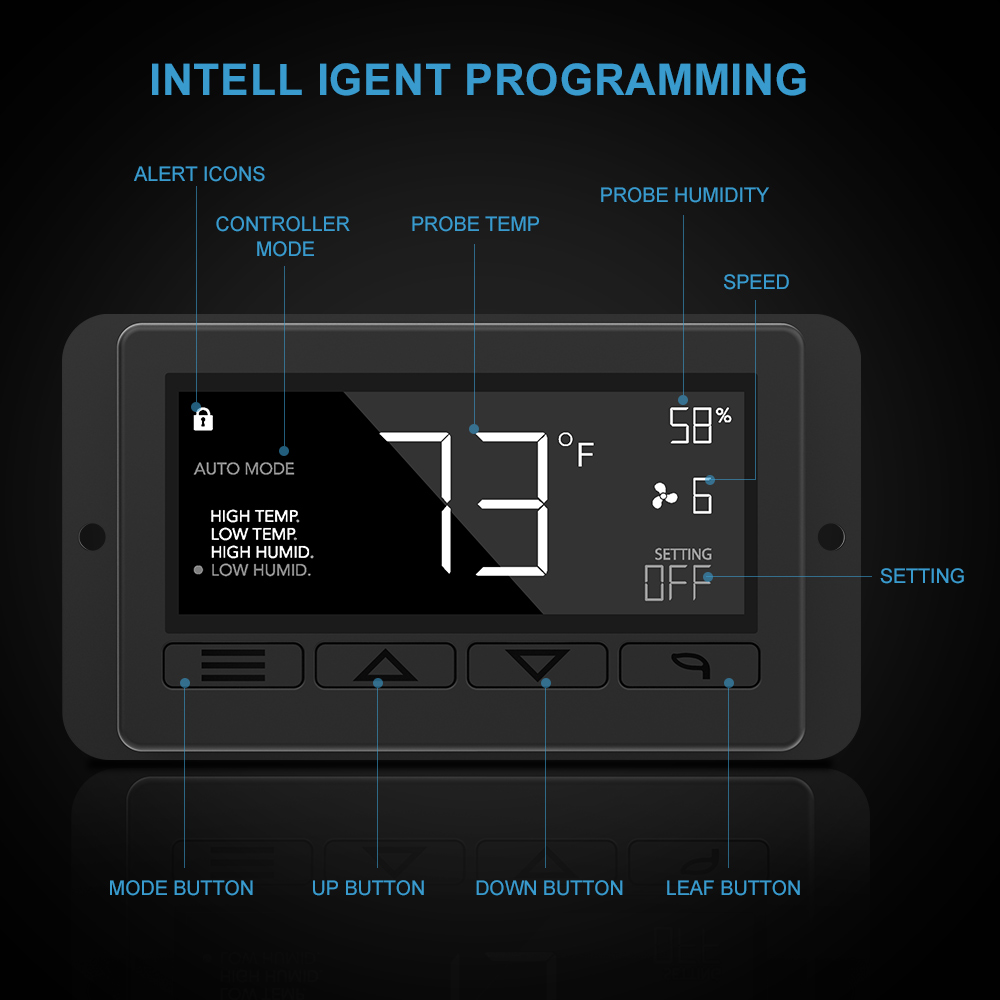
Sistem Manajemen Suhu Otomatis
Operasi CEA profesional memerlukan infrastruktur kontrol iklim otomatis daripada intervensi manual. Sistem yang direkomendasikan meliputi:
- Termostat digital dengan sensor presisi: Akurasi ±0,5°F untuk pemantauan yang andal
- Sistem HVAC terintegrasi: Pemanasan, pendinginan, dan ventilasi terkoordinasi untuk regulasi suhu yang lancar
- Jaringan sensor terdistribusi: Titik pemantauan ganda di seluruh fasilitas untuk mendeteksi gradien suhu
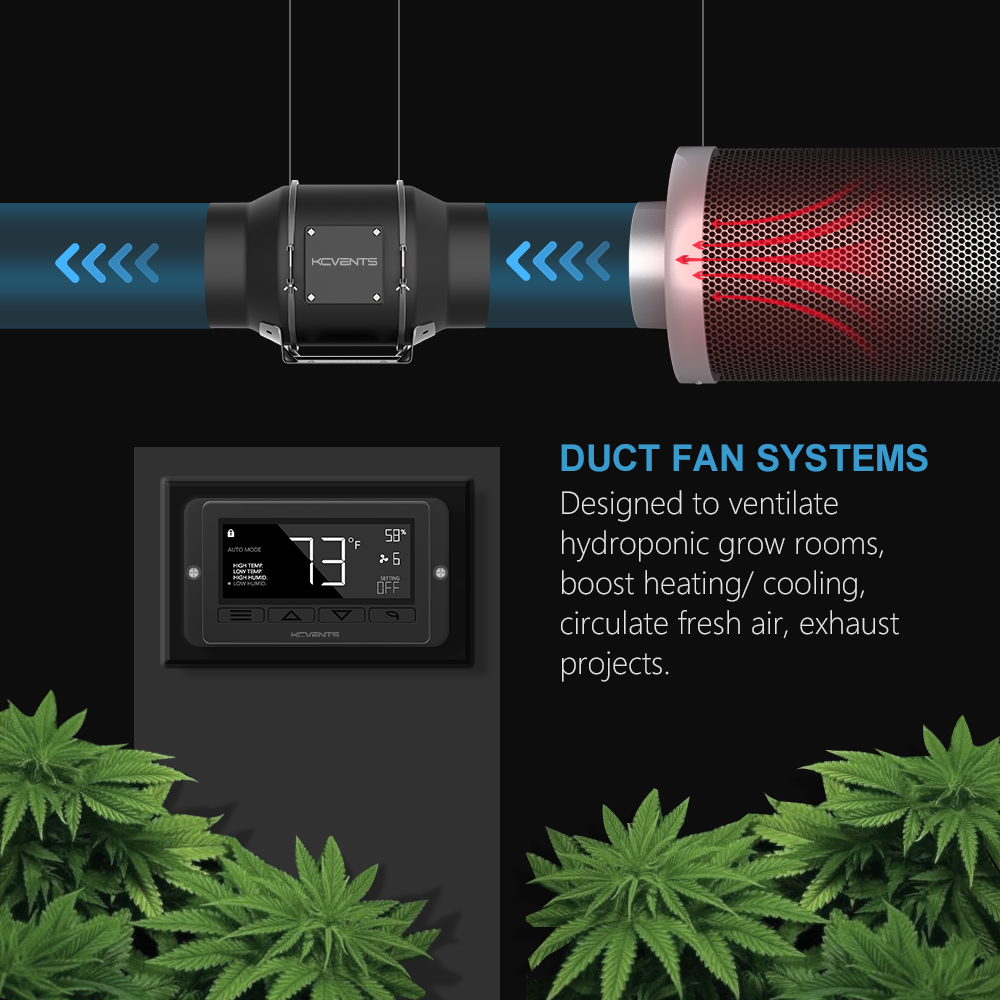
- Kontrol ventilasi otomatis: Kipas yang menyesuaikan intake dan exhaust berdasarkan data suhu real-time
- Sistem pemanas: Unit heater atau sistem radiasi untuk pengoperasian musim dingin
- Sistem pendingin evaporatif atau chiller: Untuk manajemen suhu musim panas
Sistem ini memberikan kontrol yang unggul dibandingkan pengelolaan manual dan memberikan manfaat operasional yang signifikan: hasil panen yang konsisten, pengurangan pemborosan energi, peningkatan kualitas hasil panen, dan biaya tenaga kerja yang lebih rendah.
Standar Industri: Sistem kontrol iklim otomatis biasanya mengurangi biaya energi sebesar 20–30% sekaligus meningkatkan konsistensi hasil dan kualitas produk.
Manajemen Kelembapan dalam Lingkungan Terkendali
Rentang Kelembapan Optimal
The kelembapan relatif (RH) ideal untuk sebagian besar operasi hortikultura berkisar antara 40–70%, tergantung pada tahap pertumbuhan dan jenis tanaman. Mempertahankan rentang ini mencegah stres kekeringan maupun tekanan patogen jamur.
| Tingkat Kelembapan |
Rentang Kelembapan Relatif |
Status |
Masalah Utama |
| Kelembapan Rendah |
Di bawah 40% RH |
Suboptimal |
Transpirasi terakselerasi; potensi stres air |
| Rentang Optimal |
40–70% RH |
Target |
Transpirasi seimbang; tekanan patogen minimal |
| Kelembapan Tinggi |
Di atas 70% RH |
Berlebih |
Proliferasi patogen jamur; perkembangan kapang |
Peralatan Pemantauan Kelembapan
Pengukuran kelembapan yang akurat memerlukan instrumentasi tingkat profesional. Higrometer elektronik dengan kemampuan pencatatan data (data logging) terintegrasi memberikan pemantauan optimal untuk operasi komersial. Fitur-fitur utama meliputi:
- Tampilan digital dengan pembacaan persentase RH waktu nyata (real-time)
- Pencatatan data dan konektivitas cloud untuk pemantauan jarak jauh
- Ambang batas alarm untuk peringatan otomatis ketika parameter bergeser ke luar rentang target
- Integrasi dengan sistem manajemen fasilitas untuk kontrol iklim yang terkoordinasi
- Penempatan beberapa sensor di seluruh fasilitas untuk mengidentifikasi iklim mikro

Kondisi Kelembapan Rendah (Di bawah 40% RH)
Ketika kelembapan lingkungan turun di bawah kelembapan relatif 40%, tanaman mengalami percepatan laju transpirasi. Dampaknya meliputi:
- Peningkatan konsumsi air dan kebutuhan irigasi
- Kebutuhan pasokan air yang lebih tinggi untuk mencegah stres tanaman
- Potensi ketidakseimbangan nutrisi jika sistem irigasi tidak dapat mempertahankan tingkat kelembapan yang konsisten
- Dampak marjinal terhadap kelangsungan hidup tanaman jika cadangan air yang memadai tetap tersedia
Meskipun kelembapan rendah biasanya tidak menyebabkan kegagalan panen secara langsung, kondisi ini menuntut manajemen irigasi yang responsif dan dapat meningkatkan biaya produksi akibat konsumsi air yang lebih tinggi.
Kondisi Kelembapan Tinggi (Di atas 70% RH)
Kelembapan berlebih merupakan masalah operasional yang lebih serius. Ketika kelembapan relatif secara konsisten melebihi 70%, terutama selama fase pembungaan atau pembuahan, berbagai komplikasi muncul:
- Proliferasi patogen jamur: Botrytis cinerea (kapang abu-abu), powdery mildew (embun tepung), dan patogen jamur lainnya berkembang pesat di lingkungan berkelembapan tinggi
- Perkembangan kapang yang cepat: Pertumbuhan kapang yang terlihat pada jaringan tanaman dan permukaan fasilitas
- Potensi kehilangan hasil panen: Infeksi jamur yang parah dapat menyebabkan penurunan hasil panen yang signifikan atau kegagalan panen total
- Waktu remediasi yang lama: Masalah jamur memerlukan intervensi segera dan pemantauan berkelanjutan
Peringatan Kritis: Kelembapan tinggi yang dikombinasikan dengan sirkulasi udara yang buruk menciptakan kondisi ideal bagi penyakit jamur yang merusak. Dehumidifikasi segera dan penyesuaian ventilasi diperlukan untuk mencegah kehilangan hasil panen.
Manajemen Kelembapan Berdasarkan Tahap Pertumbuhan
| Tahap Pertumbuhan |
Rentang RH Optimal |
Dasar Pertimbangan |
| Fase Vegetatif |
50–70% RH |
Kelembapan yang lebih tinggi mendukung ekspansi daun dan perkembangan biomassa; risiko tekanan patogen lebih rendah selama pertumbuhan cepat |
| Fase Transisi |
45–65% RH |
Penurunan kelembapan secara bertahap mempersiapkan tanaman untuk fase reproduktif |
| Fase Pembungaan/Pembuahan |
40–60% RH |
Kelembapan yang lebih rendah mengurangi risiko penyakit jamur sekaligus meningkatkan atribut kualitas; sangat penting untuk hasil panen premium |
| Panen/Pasca-Panen |
50–60% RH |
Mempertahankan kualitas produk selama pematangan akhir dan operasi panen |
Sistem Kontrol Iklim Terintegrasi dan Solusi HVAC
Persyaratan Sistem Ventilasi
Profesional sistem ventilasi menjadi fondasi manajemen kelembapan dan suhu yang efektif. Fasilitas CEA berkinerja tinggi mencakup:
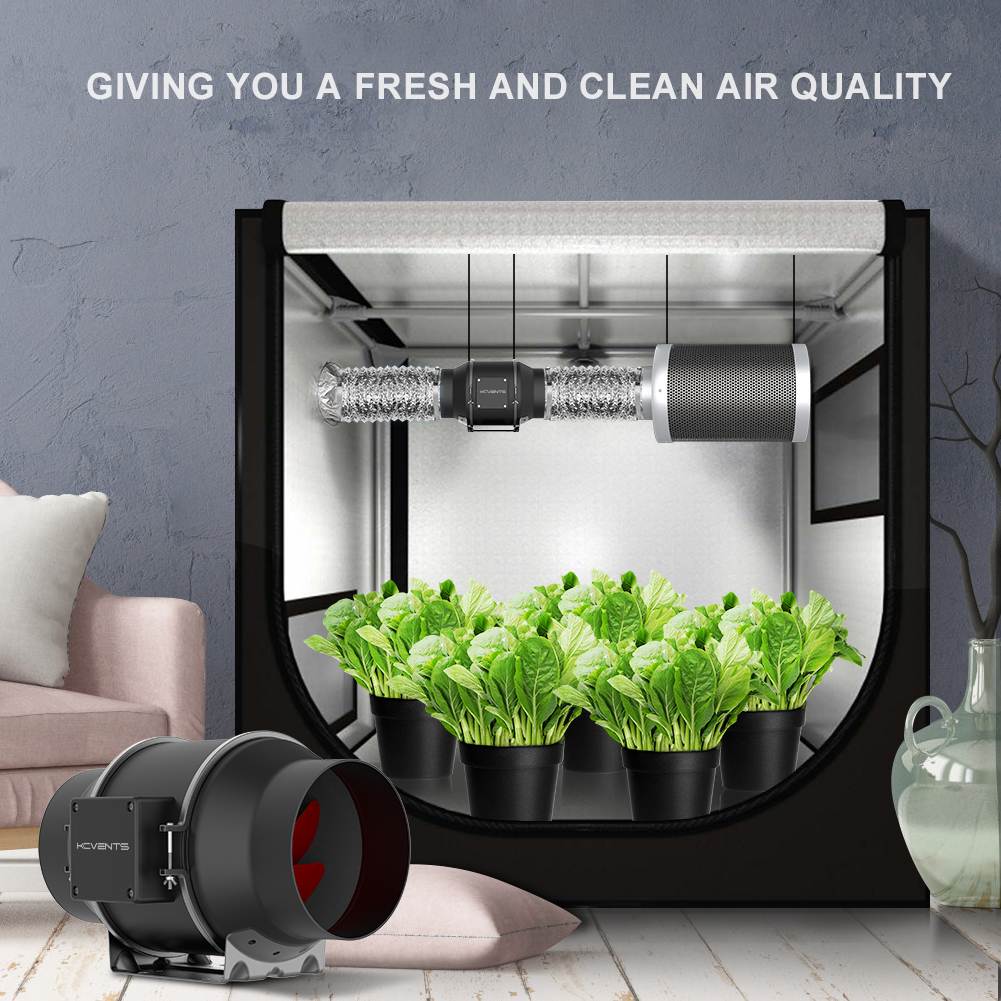
- Kipas ventilasi mixed-flow inline: Dirancang untuk operasi kontinu dengan profil kebisingan rendah yang sesuai untuk fasilitas berpenghuni
- Sistem intake udara segar: Memasok udara luar yang kaya CO₂ sekaligus menjaga target suhu dan kelembapan
- Sistem exhaust: Membuang kelembapan berlebih, panas, dan udara pengap untuk menjaga kondisi fasilitas yang optimal
- Suplementasi karbon dioksida: Mencegah defisiensi CO₂ sekaligus mempertahankan pertukaran udara segar yang memadai
- Manajemen tekanan statis: Ukuran ducting dan kipas yang tepat mempertahankan aliran udara yang efektif bahkan dalam kondisi yang menantang
Sistem ventilasi harus mampu mempertahankan kondisi stabil di tengah kondisi lingkungan luar yang bervariasi sekaligus mendukung parameter internal yang konsisten.

Teknologi Dehumidifikasi
Ketika ventilasi alami terbukti tidak memadai untuk kontrol kelembapan, dehumidifikasi mekanis menjadi diperlukan:
- Dehumidifier refrigeran: Hemat biaya untuk penurunan kelembapan moderat; cocok untuk sebagian besar aplikasi CEA
- Dehumidifier desikan: Efektif pada suhu rendah; memberikan kontrol kelembapan yang unggul di lingkungan sejuk
- Sistem hibrida: Menggabungkan teknologi refrigeran dan desikan untuk kinerja unggul di berbagai kondisi
- Solusi HVAC terintegrasi: Dehumidifikasi yang dikoordinasikan dengan sistem pemanas dan pendingin untuk efisiensi optimal
Integrasi Pemanasan dan Pendinginan
Manajemen suhu yang efektif memerlukan kemampuan pemanasan dan pendinginan yang terkoordinasi:
- Sistem pemanas: Unit heater, panel radiasi, atau hot water loops untuk pemeliharaan suhu di musim dingin
- Sistem pendingin: Evaporative cooler, unit chiller, atau sistem pad-and-fan untuk pembuangan panas di musim panas
- Kontrol setpoint: Pengontrol proporsional yang secara otomatis menyesuaikan output pemanasan/pendinginan berdasarkan suhu fasilitas
- Opsi night setback: Operasi hemat energi yang mempertahankan suhu malam hari yang sesuai sekaligus mengurangi kebutuhan pemanasan
Parameter Lingkungan dan Fisiologi Tanaman
Fluktuasi Suhu dan Respons Stres
Fluktuasi suhu siang-ke-malam yang besar (diferensial lebih besar dari 10°F atau 6°C) memicu respons stres tanaman yang menurunkan produktivitas:
- Pertumbuhan vegetatif berlebihan dengan daun membesar yang mengurangi efisiensi fotosintesis
- Integritas struktural yang terganggu dan risiko tanaman rebah
- Meningkatnya kebutuhan transpirasi dan stres air meskipun irigasi memadai
- Penurunan hasil reproduksi selama fase pembungaan
Menjaga suhu tetap stabil dalam rentang yang sempit (variasi ±3–5°F) mencegah respons stres ini dan mengoptimalkan kinerja fisiologis.
Pertimbangan Defisit Tekanan Uap (VPD)
Operator CEA tingkat lanjut memantau Defisit Tekanan Uap (VPD)—perbedaan antara tekanan uap aktual dan jenuh di udara. VPD memengaruhi laju transpirasi dan pengangkutan nutrisi:
- VPD rendah (kelembapan tinggi): Transpirasi berkurang; potensi tekanan patogen; pergerakan nutrisi ke daun terbatas
- VPD optimal: Transpirasi seimbang; penyaluran nutrisi efisien; tekanan penyakit minimal
- VPD tinggi (kelembapan rendah): Transpirasi berlebihan; potensi stres air; kemungkinan ketidakseimbangan nutrisi
Rentang target VPD biasanya berada di antara 0,45–0,85 kPa tergantung pada tahap pertumbuhan dan jenis tanaman. Sistem manajemen fasilitas modern menghitung dan menampilkan VPD secara real-time, memungkinkan penyesuaian iklim berbasis data.

Efisiensi Energi dan Manajemen Biaya Operasional
Mengoptimalkan Efisiensi Pengendalian Iklim
Operasi CEA profesional menyeimbangkan presisi iklim dengan biaya energi. Strategi efisiensi meliputi:
- Pemanfaatan massa termal: Sistem penyimpanan air atau termal yang meredam fluktuasi suhu dan mengurangi siklus HVAC
- Optimalisasi pendinginan malam hari: Memanfaatkan udara luar malam hari yang lebih dingin bila tersedia untuk mengurangi beban pendinginan aktif
- Optimalisasi setpoint: Beroperasi pada rentang suhu/kelembapan minimum yang dapat diterima daripada margin yang berlebihan
- Kalibrasi sensor: Validasi berkala memastikan pembacaan yang akurat dan mencegah siklus hidup-mati peralatan yang tidak perlu
- Pemeliharaan preventif: Filter yang bersih, sistem yang disetel dengan tepat, dan peralatan yang dirawat dengan baik akan beroperasi dengan efisiensi maksimum
Target Efisiensi: Sistem kontrol iklim yang dioptimalkan harus mencapai target produksi sekaligus menjaga konsumsi energi tetap dalam tolok ukur industri (biasanya 8–12 kWh per meter persegi per tahun untuk operasi pertanian vertikal).
Pemecahan Masalah Iklim yang Umum
Masalah: Kondensasi dan Kelembapan Tinggi
Gejala: Kelembapan yang terlihat pada daun dan permukaan fasilitas; pembacaan kelembapan tinggi di atas 70% RH.
Solusi:
- Tingkatkan kecepatan kipas ventilasi untuk meningkatkan sirkulasi udara dan menghilangkan kelembapan berlebih
- Aktifkan sistem dehumidifikasi jika perangkat mekanis tersedia
- Kurangi setpoint suhu malam hari untuk menurunkan tekanan uap jenuh
- Tingkatkan sirkulasi udara dengan kipas tambahan untuk mencegah zona mati (dead zones)
- Pantau perkembangan patogen jamur dan terapkan tindakan pencegahan
Masalah: Kondisi yang Terlalu Kering
Gejala: Kelembapan terus-menerus di bawah 40% RH; daun terlihat layu meskipun irigasi memadai; tepi daun mencokelat.
Solusi:
- Kurangi kecepatan kipas ventilasi untuk mempertahankan kelembapan di dalam fasilitas
- Tingkatkan frekuensi irigasi untuk mengimbangi tingginya kebutuhan transpirasi
- Pasang peralatan humidifikasi (sistem pengabutan, pelembap ultrasonik) jika tersedia
- Pastikan damper asupan udara luar tidak menarik udara luar kering secara berlebihan
- Periksa sistem irigasi untuk memastikan pasokan air memadai
Masalah: Ketidakstabilan Suhu
Gejala: Fluktuasi suhu lebih besar dari ±5°F; perubahan siang-ke-malam melebihi 10°F; distribusi suhu tidak merata di seluruh zona fasilitas.
Solusi:
- Verifikasi kalibrasi termostat dan penempatan sensor agar jauh dari hembusan udara atau sumber panas
- Sesuaikan parameter pengontrol proporsional HVAC untuk mengurangi overshoot dan hunting sistem
- Pastikan sirkulasi udara memadai untuk mencegah zona mati atau stratifikasi
- Periksa integritas insulasi; atasi kebocoran udara atau jembatan termal
- Pertimbangkan penambahan massa termal untuk meredam fluktuasi suhu
Praktik Terbaik untuk Manajemen Iklim CEA
- Terapkan pemantauan otomatis: Terapkan jaringan sensor dengan pencatatan data waktu nyata dan kemampuan peringatan
- Tetapkan protokol setpoint: Dokumentasikan parameter target untuk setiap tahap pertumbuhan; latih staf mengenai prosedur operasional standar
- Lakukan kalibrasi berkala: Verifikasi triwulanan seluruh peralatan pemantauan terhadap standar bersertifikasi
- Pertahankan jadwal pemeliharaan: Interval servis HVAC preventif untuk memastikan keandalan operasional
- Tinjau tren data: Analisis bulanan terhadap data iklim untuk mengidentifikasi pola dan peluang optimalisasi
- Rencanakan redundansi: Sistem cadangan untuk fungsi pengendalian iklim kritis guna mencegah gagal panen akibat kerusakan peralatan
- Berinvestasi dalam pelatihan staf profesional: Operator dengan keahlian bersertifikat dalam sistem iklim CEA
- Lakukan audit sistem secara berkala: Audit energi tahunan dan evaluasi kinerja oleh tenaga profesional yang berkualifikasi
Prinsip Dasar: Pengendalian iklim presisi bukanlah pusat biaya—melainkan investasi infrastruktur inti yang memungkinkan produksi hortikultura yang konsisten dan menguntungkan di lingkungan terkendali.
Kesimpulan
Manajemen suhu dan kelembapan merupakan fondasi penting bagi keberhasilan operasi pertanian lingkungan terkendali (CEA). Mempertahankan parameter optimal—68–77°F (20–25°C) untuk suhu dan kelembapan relatif 40–70%—memerlukan sistem pemantauan kelas profesional, infrastruktur HVAC otomatis, dan pengawasan operasional yang terampil.
Fasilitas yang berinvestasi dalam sistem pengendalian iklim terintegrasi memperoleh manfaat terukur: hasil panen yang konsisten, kualitas produk yang unggul, berkurangnya tekanan hama dan patogen, serta peningkatan efisiensi energi. Operasi CEA modern berhasil bersaing dengan pertanian lahan konvensional melalui pengendalian lingkungan presisi yang memaksimalkan produktivitas sekaligus meminimalkan pemborosan sumber daya.
Keberhasilan menuntut komitmen terhadap manajemen berbasis data, disiplin pemeliharaan peralatan, dan optimalisasi parameter iklim berkelanjutan di sepanjang siklus tanam. Manajer fasilitas dan insinyur yang memprioritaskan keunggulan sistem iklim meletakkan fondasi operasional untuk usaha pertanian dalam ruangan yang berkelanjutan dan menguntungkan.

“`