In This Guide
“```html
制御環境農業(CEA)における温湿度管理
制御環境農業(CEA)のための環境最適化:温度および湿度管理
制御環境農業(CEA)は、環境パラメータの精密な管理が求められる高度な屋内農業アプローチです。作物の生育を成功させる上で最も重要な要素の一つが、温度と湿度の管理です。従来の屋外農業とは異なり、CEA施設では年間を通じて一定の環境条件を維持できるため、収量品質、生産効率、収益性に直結します。本総合ガイドでは、園芸施設における最適な温度・湿度範囲を検証し、施設管理者や農業エンジニアに向けたエビデンスに基づく推奨事項を提供します。.
屋内農業における環境制御の重要性
最新の温室運営およびCEA施設は、作物の生産性を最大化するために精密な環境条件の維持に依存しています。環境パラメータ、特に温度と湿度は、光合成速度、養分吸収、蒸散効率、植物の代謝に直接影響を及ぼします。最適な環境を維持できない施設では、収量の減少、生産物の品質低下、ならびに病害虫リスクの増大といった課題が生じます。.
環境条件と作業者の快適性との相関関係は、実用的なベースラインとなります。施設スタッフにとって不快に感じられる環境条件は、最適な園芸生産のためにも調整が必要である可能性が高いといえます。ただし、プロフェッショナルなCEA事業においては、直感的な管理から脱却し、自動監視およびHVACシステムに支えられたデータ駆動型の環境制御プロトコルへと移行する必要があります。.
主要原則: 精密な環境制御は、制御環境農業における安定的かつ高品質な生産の基盤です。最適パラメータからのわずかな乖離であっても、大幅な収量低下や品質劣化を招く可能性があります。.
CEAオペレーションにおける最適な温度管理
目標温度範囲
多くの 商業園芸事業における理想的な稼働温度は、 およそ 68–77°F (20–25°C). の範囲です。この範囲は、代謝効率、光合成能力、および運用コスト効率のバランスを表しています。このゾーン内で温度管理を行うことで、空調制御のための過度なエネルギー消費を抑えながら、最適な植物の生育を確保できます。.
| 生育ステージ |
温度範囲(°F) |
温度範囲(°C) |
主な考慮事項 |
| 栄養成長期 |
70–85°F |
21–29°C |
より温暖な環境が葉の発達とバイオマス蓄積を促進 |
| 開花・結実期 |
65–80°F |
18–26°C |
やや低めの温度環境が着色、品質特性、芳香成分の生成を向上 |
| 最適範囲(全体) |
68–77°F |
20–25°C |
成長効率と生理学的品質のバランス |
温度と光合成活性
以下の期間における温度管理は、 明期 (光サイクル)特に極めて重要です。この期間は光合成速度と植物の成長ポテンシャルに直接影響を与えるためです。有効な光照射中は、温度を最適範囲内で安定して維持する必要があります。明期(昼)と暗期(夜)のサイクル間における大幅な温度変動は、植物にストレスを与え、全体的な生産性を低下させる可能性があります。.
園芸生産性を最大限に高めるには、 昼夜の温度差を5~10°F(3~6°C)以内に維持してください. 。この適度な温度変化は、自然の日周パターンを再現しつつ、ストレスに起因する代謝障害を防ぎます。.
不適正温度による影響
低温条件下
周囲温度が 60°F(15°C)未満に低下すると, 、植物の代謝が大幅に低下し、以下の影響が生じます:
- 生育速度の低下および生産サイクルの長期化
- 作物の成熟遅延および収穫時期の先送り
- 特に以下の真菌性病原体に対する感受性の増加 ボトリティス菌(灰色かび病) およびうどんこ病(特に高湿度環境下)
- 根の機能低下および養分吸収効率の悪化
- 十分な光量があるにもかかわらず光合成能力が低下
氷点下の温度(32°F / 0°C未満)は、不可逆的な細胞損傷や作物の枯死を引き起こす可能性があります。屋内農業施設は、制御された空調システムによりこのリスクを完全に排除できるため、露地栽培に対して大きな優位性を維持しています。.
運用上の注意: 最適温度を下回る低温環境下で栽培された作物は、生存することはできても、最適な温度管理下で達成可能な成長速度や品質を実現することは決してできません。.
高温環境
以下の温度を超える過度の熱 77°F(25°C) は植物の代謝を加速させ、補足資源に対する連鎖的な需要を生み出します。
- 光要求量の増加: 代謝率の上昇により、より多くの光合成エネルギー(光量)が必要となります
- 水要求量の増加: 蒸散率の上昇により、灌水頻度と水消費量が増加します
- CO₂施用量の増加: 代謝の加速に伴い、持続的な光合成を維持するためにより高い二酸化炭素濃度が必要となります
- 肥料要求量の増加: 養分吸収の高速化に伴い、培養液管理の調整が必要となります
以下の期間中において、 開花期または結実期, 、以下の温度を超える環境は 80°F(26°C) 特に有害な影響をもたらします:
- 果実や花の品質低下および収量ポテンシャルの減少
- 芳香成分濃度の低下(揮発性テルペンは高温下で分解されます)
- 色素形成の阻害および外観品質特性の低下
- ハダニ、根腐れ病、生理障害に対する感受性の増加
- 蒸散の加速による、十分な灌水条件下での水分ストレスの発生
- 呼吸量の増加に伴う根圏の低酸素化(酸素欠乏)
自動温度管理システム
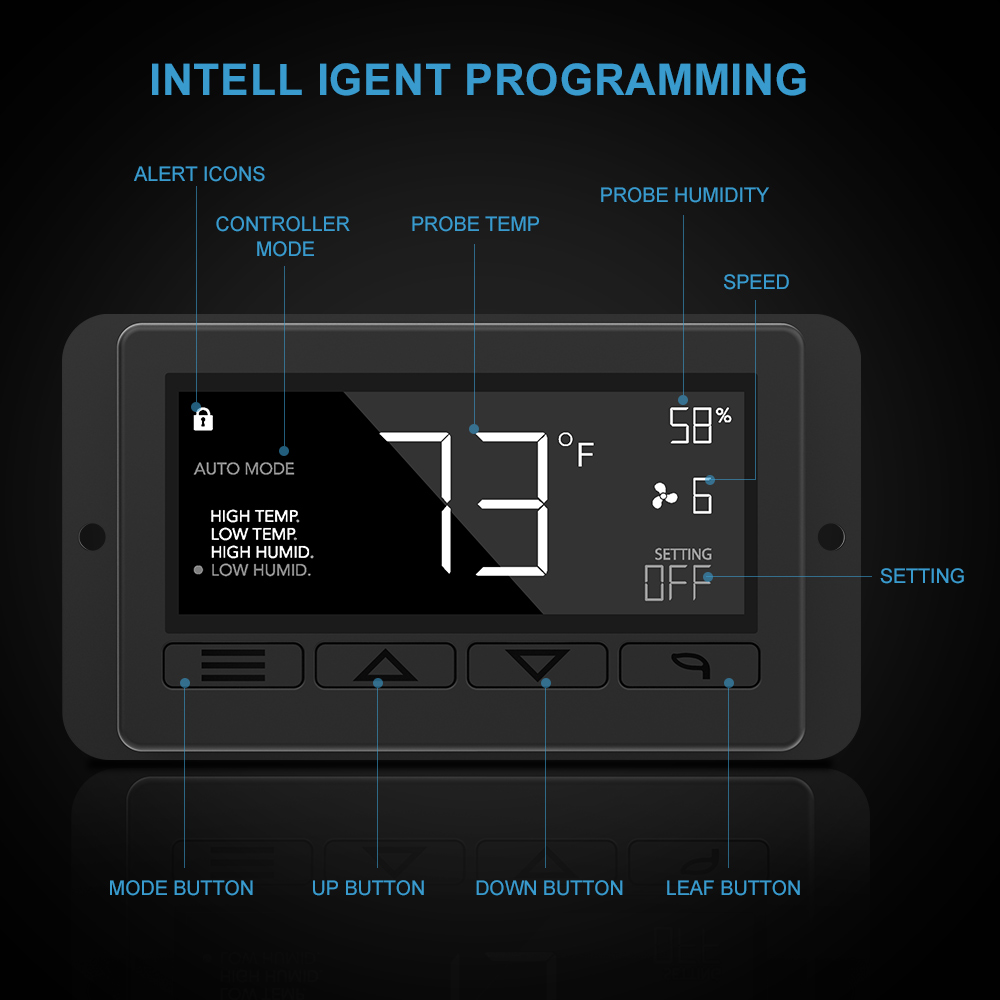
商業規模の環境制御型農業(CEA)施設では、手動による対応ではなく、 自動環境制御インフラ の導入が不可欠です。推奨されるシステム構成は以下の通りです:
- 高精度センサー搭載デジタルサーモスタット: 信頼性の高いモニタリングを実現する±0.5°Fの測定精度
- 統合型HVACシステム: シームレスな温度制御を実現する、暖房・冷房・換気の連動運転
- 分散型センサーネットワーク: 施設全体の温度勾配を検知するための複数ポイント監視
- 自動換気制御システム: リアルタイムの温度データに基づいて給気および排気を自動調整するファン設備
- 暖房システム: 冬季運用に対応するユニットヒーターまたは輻射暖房システム
- 気化式冷却(エバポレーター)またはチラーシステム: 夏季の温度管理に対応する冷却設備
これらのシステムは手動管理に比べて優れた制御性を発揮し、安定した収量、エネルギーロスの削減、農産物の品質向上、人件費の削減といった大きな運用上のメリットをもたらします。.
業界標準: 自動環境制御システムは通常、収量の安定性と製品品質を向上させながら、エネルギーコストを20–30%削減します。.
制御環境における湿度管理
最適湿度範囲
多くの 大半の施設園芸における理想的な相対湿度(RH)は40–70%の範囲です, (生育段階や作物の種類によって異なります)。この範囲を維持することで、乾燥ストレスと真菌性病原菌の圧力の双方を抑制できます。.
| 湿度レベル |
相対湿度範囲 |
状態 |
主な懸念事項 |
| 低湿度 |
40% RH未満 |
不適正 |
蒸散の促進、水分ストレスの懸念 |
| 最適範囲 |
40~70% RH |
目標値 |
バランスの取れた蒸散、病原菌圧力の最小化 |
| 高湿度 |
70% RH超 |
過剰 |
真菌性病原菌の繁殖、カビの発生 |
湿度監視機器
正確な湿度測定には、プロ仕様の計測機器が必要です。. 電子湿度計 (データロギング機能内蔵)は、商業規模の運用において最適なモニタリングを提供します。主な特長は以下の通りです:
- リアルタイムのRH(相対湿度)パーセンテージを表示するデジタルディスプレイ
- 遠隔監視のためのデータロギングおよびクラウド接続機能
- パラメータが目標範囲から外れた場合に自動アラートを発するアラーム閾値設定
- 連携した環境制御を実現する施設管理システム(FMS)との統合
- 微気候(マイクロクライメイト)を特定するための施設内複数箇所へのセンサー配置

低湿度環境(40% RH未満)
環境湿度が以下を下回ると、 40% 相対湿度, 、作物の蒸散速度が加速します。その影響として以下が挙げられます:
- 水分消費量および灌水需要の増加
- 作物のストレスを防ぐための給水要件の増大
- 灌水システムが一定の水分レベルを維持できない場合に生じる栄養バランスの乱れ
- 十分な水分供給が確保されていれば、作物の生存性への影響は軽微
低湿度は通常、即座に作物の枯死を引き起こすことはありませんが、柔軟な灌水管理が求められ、水消費量の増加によって生産コストが上昇する可能性があります。.
高湿度環境(70% RH超)
過剰な湿度は、運用上より深刻な懸念事項となります。相対湿度が継続的に超過した場合、 70%, 、特に 開花期または結実期, の間は、複数の問題が発生します:
- 真菌性病原菌の増殖: ボトリティス・シネレア (灰色かび病)、うどんこ病、その他糸状菌などの病原菌が高湿度環境下で繁殖します
- カビの急速な発生: 植物組織や施設表面に目に見えるカビが発生
- 収量損失のリスク: 重度の真菌感染症は、大幅な収量低下や完全な作物の不作につながる恐れがあります
- 復旧・除菌に要する期間の長期化: 真菌(カビ・菌類)の問題には、迅速な対処と継続的な監視が必要です
緊急アラート: 高湿度と空気循環の不良が重なると、壊滅的な真菌感染症が発生しやすい環境が形成されます。作物の損失を防ぐには、直ちに適正な除湿および換気調整を行う必要があります。.
生育段階別の湿度管理
| 生育ステージ |
最適なRH範囲 |
根拠 |
| 栄養成長期 |
50~70% RH |
高めの湿度は葉の展開とバイオマスの成長を促進し、急速成長期における病原菌リスクを抑えます |
| 移行期 |
45~65% RH |
湿度を段階的に下げることで、作物を生殖成長期へと適応させます |
| 開花・結実期 |
40~60% RH |
湿度を低く保つことで真菌性疾患のリスクを低減し、品質特性を向上させます。高品質な農産物の生産に不可欠です |
| 収穫期/収穫後 |
50~60% RH |
最終成熟期および収穫作業中の製品品質を維持します |
統合型環境制御システムとHVACソリューション
換気システムの要件
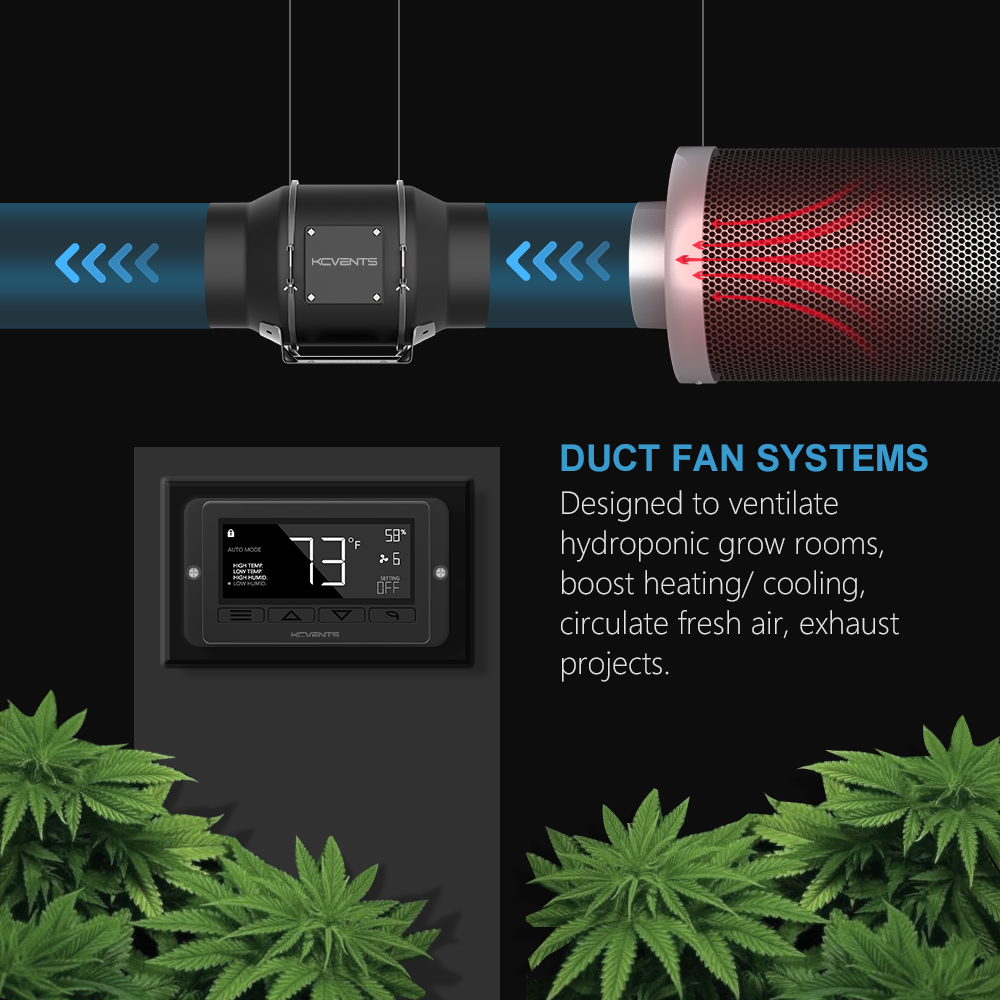
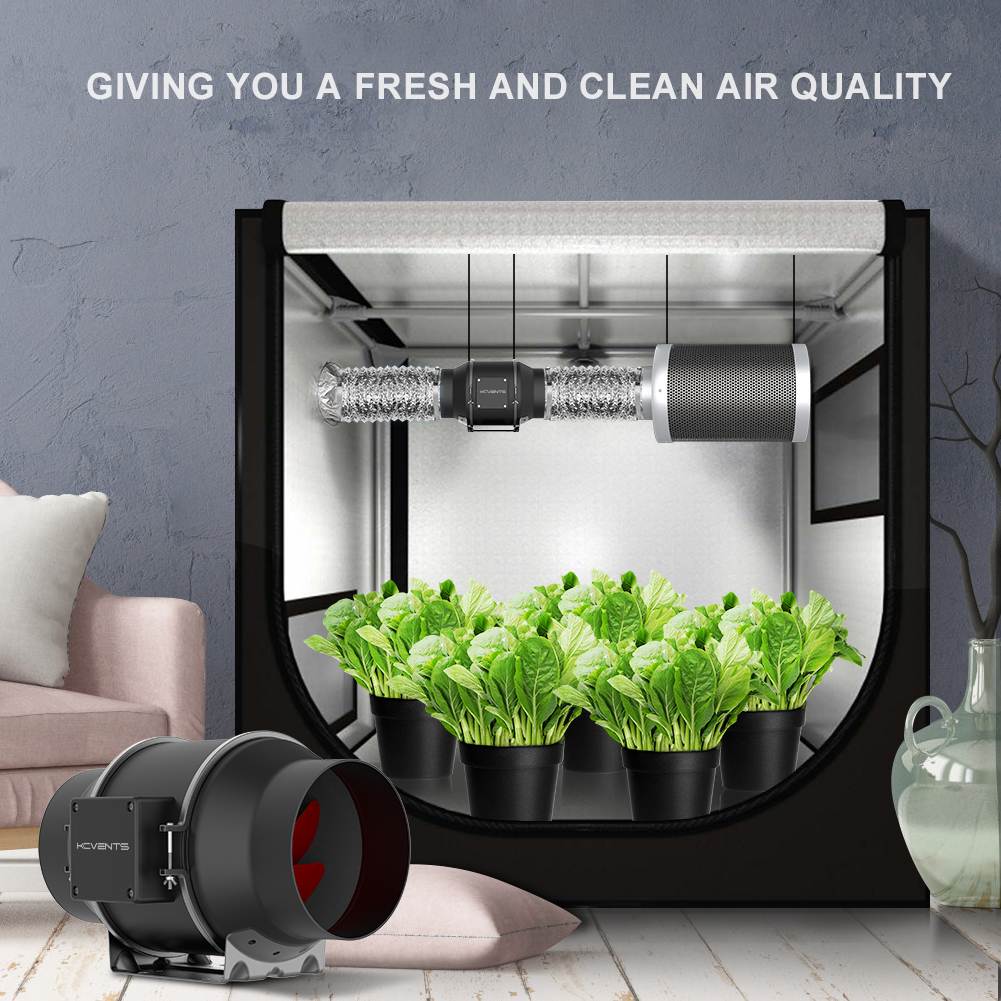
プロ仕様の 換気システム は、効果的な温湿度管理の基盤となります。高性能なCEA(環境制御型農業)施設には以下が導入されています:
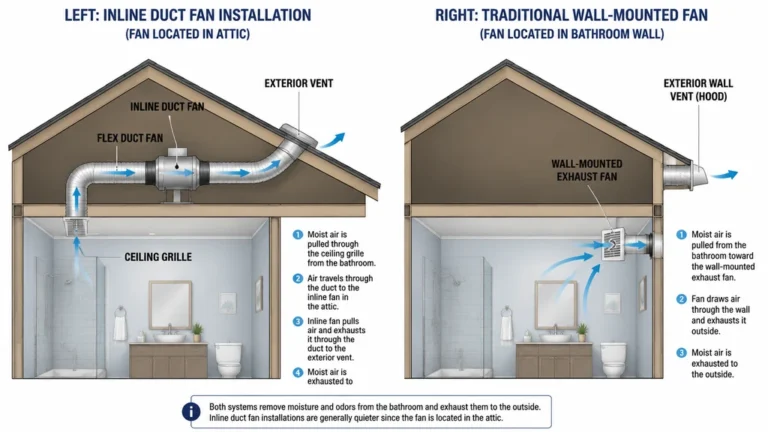
- インライン斜流換気ファン: 施設内での作業環境にも適した低騒音設計で、連続運転に対応
- 給気(外気取り入れ)システム: 目標とする温湿度を維持しながら、CO₂を豊富に含む外気を供給
- 排気システム: 余剰な湿気、熱、滞留空気を排出し、最適な施設環境を維持
- 二酸化炭素(CO₂)補給: 適切な外気交換を維持しながら、CO₂欠乏を防止
- 静圧管理: 適切に設計されたダクト配管とファンにより、高負荷な条件下でも確実な風量を維持
換気システムは、外部環境の変動に左右されることなく安定した状態を維持し、一貫した内部環境パラメータを支える能力を備えている必要があります。.

除湿技術
自然換気だけでは湿度制御が不十分な場合、機械式除湿の導入が必要となります:
- 冷却式除湿機: 中程度の除湿に適した高い費用対効果。一般的なCEA用途に最適
- デシカント式除湿機: 低温下でも効果的。冷涼な環境で優れた湿度制御を実現
- ハイブリッドシステム: 冷却式とデシカント式を組み合わせ、多様な環境条件下で優れた性能を発揮
- 統合型HVACソリューション: 暖房・冷房システムと除湿を連動させ、最適なエネルギー効率を実現
冷暖房の統合
効果的な温度管理には、連携した冷暖房機能が必要です:
- 暖房システム: ユニットヒーター、放射パネル、温水ループなどによる寒冷期の温度維持
- 冷却システム: 気化式冷却器、チラーユニット、パッド&ファン方式などによる温暖期の排熱
- 設定値制御: 施設内の温度に基づき冷暖房出力を自動調整する比例制御コントローラー
- 夜間セットバックオプション: 暖房負荷を低減しながら適切な夜間温度を維持するエネルギー効率の高い運転
環境パラメータと植物生理学
温度変動とストレス応答
昼夜の大きな温度差(10°Fまたは6°C以上の温度差)は、植物のストレス応答を引き起こし、生産性を損ないます:
- 葉の肥大化を伴う過剰な栄養成長による光合成効率の低下
- 構造的強度の低下と倒伏リスク
- 十分な灌水を行っているにもかかわらず生じる蒸散要求量の増大と水分ストレス
- 開花段階における生殖収量の低下
温度を狭い範囲(±3~5°Fの変動幅)内で安定して維持することで、これらのストレス応答を防ぎ、生理的パフォーマンスを最適化します。.
飽差(VPD)に関する考慮事項
先進的なCEA(環境制御型農業)事業者は以下をモニタリングします 飽差(VPD)—空気中の実際の水蒸気圧と飽和水蒸気圧の差。VPDは蒸散速度や養分輸送に影響を与えます:
- 低VPD(高湿度): 蒸散の抑制、病原菌リスクの増大、葉への養分移動の制限
- 最適VPD: バランスの取れた蒸散、効率的な養分供給、病害リスクの最小化
- 高VPD(低湿度): 過剰な蒸散、水分ストレスの発生、栄養バランスの乱れの可能性
目標VPD範囲は、生育ステージや作物の種類によって通常0.45~0.85 kPaとなります。最新の施設管理システムはVPDをリアルタイムで計算・表示し、データに基づく環境調整を可能にします。.

エネルギー効率と運用コスト管理
空調制御効率の最適化
プロ仕様のCEA運用では、環境制御の精度とエネルギーコストのバランスを最適化します。効率化戦略には以下が含まれます:
- 蓄熱体の活用: 温度変動を緩和し、HVACの過剰な発停(サイクリング)を低減する水蓄熱または蓄熱システム
- 夜間冷却の最適化: 利用可能な場合は夜間の冷涼な外気を活用し、アクティブ冷却負荷を低減
- 設定値の最適化: 過剰なマージンを避け、許容可能な最低限の温度・湿度範囲で運用
- センサーの校正: 定期的な検証により正確な測定値を確保し、不要な機器の稼働を防止
- 予防保全: 清清なフィルター、適切に調整されたシステム、十分に整備された機器により最大効率で稼働
効率目標: 最適化された空調制御システムは、エネルギー消費量を業界ベンチマーク(垂直農場運用の場合は通常、年間1平方メートルあたり8~12 kWh)内に維持しながら、生産目標を達成する必要があります。.
一般的な環境トラブルシューティング
課題:結露と高湿度
症状: 葉や施設表面の目に見える結露、70% RHを超える湿度測定値。.
解決策:
- 換気ファンの風量を上げ、空気循環を強化して余剰な湿気を排出する
- 機械設備が利用可能な場合は除湿システムを作動させる
- 飽和水蒸気圧を下げるために夜間の設定温度を下げる
- 補助ファンで空気循環を改善し、気流の滞留箇所(デッドゾーン)を防止する
- 糸状菌病原体の発生を監視し、予防措置を実施する
課題:過度の乾燥状態
症状: 湿度が持続的に40% RH未満、十分な灌水にもかかわらず目に見える葉の萎れが発生、葉縁の褐変。.
解決策:
- 施設内の湿度を保持するために換気ファンの回転数を下げる
- 蒸散需要の増加に合わせて灌水頻度を増やす
- 導入可能な場合は加湿設備(ミストシステム、超音波加湿器など)を設置する
- 外気取り入れダンパーが乾燥した外気を過剰に導入していないか確認する
- 灌水システムから十分な給水が行われているか点検する
問題:温度の不安定性
症状: ±5°Fを超える温度変動、10°Fを超える昼夜の温度差、施設内各ゾーンでの不均一な温度分布。.
解決策:
- サーモスタットの校正状況を確認し、隙間風や熱源から離れた場所にセンサーを配置する
- HVAC比例制御装置のパラメータを調整し、オーバーシュートやシステムのハンチングを低減する
- 適切な空気循環を確保し、滞留域(デッドゾーン)や温度成層化を防止する
- 断熱性能を点検し、空気漏れや熱橋(サーマルブリッジ)に対処する
- 温度変動を緩和するための蓄熱体(サーマルマス)の追加を検討する
CEA環境管理のベストプラクティス
- 自動モニタリングの導入: リアルタイムデータロギングおよびアラート機能を備えたセンサーネットワークの導入
- 設定値(セットポイント)プロトコルの策定: 生育段階ごとの目標パラメータを文書化し、標準作業手順書(SOP)についてスタッフをトレーニングする
- 定期的な校正(キャリブレーション)の実施: 認証規格に準拠した全監視機器の四半期ごとの検証
- メンテナンススケジュールの維持管理: 確実な動作を保証するためのHVAC予防保全周期の遵守
- データトレンドのレビュー: パターンや最適化の機会を特定するための環境データの月次分析
- 冗長性の確保: 機器の故障による作物の損失を防ぐための、重要環境制御機能のバックアップシステム
- 専門スタッフのトレーニングへの投資: CEA環境制御システムに関する認定専門知識を持つオペレーターの育成
- 定期的なシステム監査の実施: 資格を持つ専門家による年次のエネルギー監査および性能評価
基本原則: 精密な環境制御は単なるコストセンターではありません。制御環境下において安定的で収益性の高い園芸生産を実現するための、中核となるインフラ投資です。.
結論
温度と湿度の管理は、制御環境型農業(CEA)の運用を成功させるための極めて重要な基盤です。温度68〜77°F(20〜25°C)、相対湿度40〜70%という最適パラメータの維持には、プロ仕様の監視システム、自動化されたHVACインフラ、および熟練した運用管理が不可欠です。.
統合型環境制御システムに投資する施設は、安定した収量、優れた農産物品質の確保、病害虫圧の低減、エネルギー効率の向上など、測定可能なメリットを達成しています。最新のCEA事業は、資源の無駄を最小限に抑えつつ生産性を最大化する精密な環境制御により、従来の露地農業に対して確固たる競争力を発揮しています。.
成功のためには、データ主導型の管理、規律ある機器の保守点検、そして栽培サイクル全体を通じた環境パラメータの継続的な最適化への取り組みが求められます。環境制御システムの卓越性を最優先する施設管理者やエンジニアは、持続可能で収益性の高いインドアアグリカルチャー事業の運用基盤を確立しています。.

“「`