In This Guide
“`html
Temperature and Humidity Management in Controlled Environment Agriculture
تحسين المناخ للزراعة في البيئات الخاضعة للرقابة: إدارة درجة الحرارة والرطوبة
تمثل الزراعة في البيئات الخاضعة للرقابة (CEA) نهجًا متطورًا للزراعة الداخلية يتطلب إدارة دقيقة للمعايير البيئية. ومن بين العوامل الأكثر أهمية لنجاح المحاصيل التحكم في درجة الحرارة والرطوبة. بخلاف الزراعة التقليدية في الهواء الطلق، تتيح مرافق CEA للمزارعين القدرة على الحفاظ على ظروف متسقة على مدار العام، مما يؤثر بشكل مباشر على جودة المحصول، وكفاءة الإنتاج، والربحية. يفحص هذا الدليل الشامل النطاقات المثلى لدرجة الحرارة والرطوبة للعمليات البستانية ويوفر توصيات قائمة على الأدلة لمديري المرافق والمهندسين الزراعيين.
أهمية التحكم في المناخ في الزراعة الداخلية
تعتمد عمليات الدفيئات الحديثة ومرافق CEA على الحفاظ على ظروف بيئية دقيقة لتحقيق أقصى قدر من إنتاجية المحاصيل. تؤثر المعايير البيئية — وخاصة درجة الحرارة والرطوبة — بشكل مباشر على معدلات البناء الضوئي، وامتصاص المغذيات، وكفاءة النتح، وعمليات الأيض النباتي. والمرافق التي تفشل في الحفاظ على الظروف المثلى تعاني من انخفاض المحاصيل، وتراجع جودة المنتجات، وزيادة التعرض للآفات والضغوط المرضية.
يوفر الارتباط بين الظروف البيئية وراحة المشغلين معيارًا أوليًا عمليًا: إذا بدت الظروف البيئية غير مريحة لموظفي المنشأة، فمن المحتمل أنها تتطلب تعديلاً للوصول إلى الإنتاج البستاني الأمثل. ومع ذلك، يجب أن تتجاوز عمليات CEA الاحترافية الإدارة البديهية نحو بروتوكولات التحكم في المناخ المعتمدة على البيانات والمدعومة بأنظمة المراقبة الآلية وأنظمة HVAC.
المبدأ الأساسي: التحكم الدقيق في المناخ هو الأساس لإنتاج متسق وعالي الجودة في الزراعة ضمن البيئات الخاضعة للرقابة. حتى الانحرافات الطفيفة عن المعايير المثلى يمكن أن تؤدي إلى خسائر كبيرة في المحصول وتدهور الجودة.
الإدارة المثلى لدرجة الحرارة لعمليات الزراعة في البيئات الخاضعة للرقابة (CEA)
نطاقات درجات الحرارة المستهدفة
إن درجة حرارة التشغيل المثالية لمعظم العمليات البستانية التجارية تتراوح بين 68–77 درجة فهرنهايت (20–25 درجة مئوية). يمثل هذا النطاق توازنًا بين الكفاءة الأيضية، والقدرة على البناء الضوئي، والفعالية من حيث التكلفة التشغيلية. يضمن التحكم في درجة الحرارة ضمن هذه المنطقة التطور الأمثل للنبات دون استهلاك مفرط للطاقة لإدارة المناخ.
| مرحلة النمو |
نطاق درجة الحرارة (°F) |
نطاق درجة الحرارة (°C) |
اعتبارات رئيسية |
| المرحلة الخضرية |
70–85 درجة فهرنهايت |
21–29 درجة مئوية |
تعمل الظروف الأكثر دفئًا على تعزيز نمو الأوراق وتراكم الكتلة الحيوية |
| مرحلة الإزهار/الإثمار |
65–80 درجة فهرنهايت |
18–26 درجة مئوية |
تعمل الظروف الأكثر برودة قليلاً على تحسين تطور اللون، وخصائص الجودة، وإنتاج المركبات العطرية |
| النطاق الأمثل (العام) |
68–77 درجة فهرنهايت |
20–25 درجة مئوية |
التوازن بين كفاءة النمو والجودة الفسيولوجية |
درجة الحرارة ونشاط التمثيل الضوئي
تعد إدارة درجة الحرارة خلال الفترة الضوئية (دورة الإضاءة) أمرًا بالغ الأهمية بشكل خاص، حيث تؤثر هذه الفترة بشكل مباشر على معدلات التمثيل الضوئي وإمكانات نمو النبات. وأثناء التعرض النشط للضوء، يجب أن تظل درجات الحرارة مستقرة وضمن النطاق الأمثل. يمكن أن تؤدي التقلبات الكبيرة في درجات الحرارة بين دورات الليل والنهار إلى إجهاد النباتات وتقليل الإنتاجية الإجمالية.
ولتحقيق أقصى أداء زراعي، حافظ على فارق في درجات الحرارة بين الليل والنهار لا يتجاوز 5–10°F (3–6°C). يحاكي هذا التفاوت الطفيف الأنماط النهارية الطبيعية مع منع الاضطراب الأيضي الناتج عن الإجهاد.
تأثيرات درجات الحرارة غير المثالية
ظروف درجات الحرارة المنخفضة
عندما تنخفض درجات الحرارة المحيطة إلى ما دون 60°F (15°C), ، يتباطأ التمثيل الغذائي للنبات بشكل ملحوظ، مما يؤدي إلى:
- انخفاض معدلات النمو وإطالة دورات الإنتاج
- تأخر نضج المحاصيل وتأجيل الحصاد
- زيادة القابلية للإصابة بمسببات الأمراض الفطرية، لا سيما البوتريتيس (Botrytis) والبياض الدقيقي، خاصة في ظروف الرطوبة العالية
- تراجع وظائف الجذور وكفاءة امتصاص العناصر الغذائية
- ضعف قدرة التمثيل الضوئي على الرغم من توفر الإضاءة الكافية
درجات حرارة التجمد (أقل من 32°F أو 0°C) قد تسبب تلفاً خلوياً غير قابل للعلاج وخسارة في المحصول. وتحافظ عمليات الزراعة الداخلية على ميزة كبيرة مقارنة بالزراعة الحقلية من خلال القضاء على هذا الخطر تماماً عبر أنظمة التحكم في المناخ.
ملاحظة تشغيلية: قد تظل المحاصيل المزروعة في ظروف باردة غير مثالية على قيد الحياة، لكنها لن تحقق أبداً معدل سرعة النمو أو نتائج الجودة الممكنة في ظل إدارة مثالية لدرجات الحرارة.
ظروف درجات الحرارة المرتفعة
الحرارة المفرطة التي تزيد عن 77°ف (25°م) تسرع من عملية التمثيل الغذائي للنبات، مما يولد متطلبات متتالية للموارد الإضافية:
- زيادة متطلبات الإضاءة: تتطلب معدلات التمثيل الغذائي الأعلى مدخلات تمثيل ضوئي أكبر
- ارتفاع الطلب على المياه: تؤدي معدلات النتح المرتفعة إلى زيادة تكرار الري واستهلاك المياه
- زيادة إمداد ثاني أكسيد الكربون (CO₂): يتطلب التمثيل الغذائي المتسارع مستويات أعلى من ثاني أكسيد الكربون لضمان استمرار التمثيل الضوئي
- زيادة الاحتياجات من الأسمدة: يتطلب الامتصاص الأسرع للعناصر الغذائية إدارة معدلة للمحلول المغذي
خلال مرحلة الإزهار أو الإثمار, ، فإن درجات الحرارة التي تتجاوز 80°ف (26°م) تؤدي إلى آثار ضارة بشكل خاص:
- انخفاض جودة الثمار/الأزهار والإنتاجية المحتملة
- انخفاض تركيز المركبات العطرية (تتحلل التيربينات المتطايرة عند درجات الحرارة المرتفعة)
- تراجع التصبغ وخصائص الجودة البصرية
- زيادة القابلية للإصابة بالعناكب الدودية، وعفن الجذور، والاضطرابات الغذائية
- تسارع عملية النتح مما يؤدي إلى إجهاد مائي رغم كفاية الري
- نقص الأكسجين في منطقة الجذور نتيجة زيادة التنفس
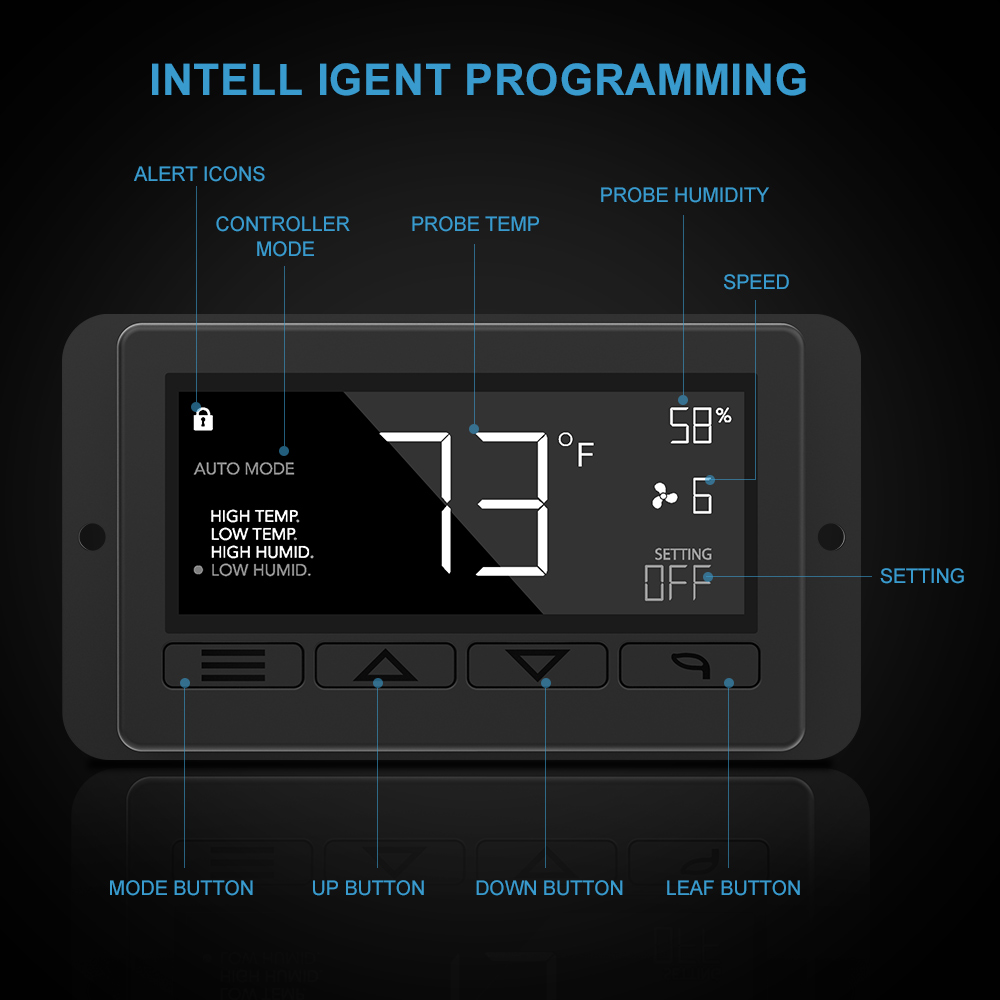
أنظمة إدارة درجات الحرارة المؤتمتة
تتطلب عمليات الزراعة البيئية الخاضعة للرقابة (CEA) الاحترافية بنية تحتية مؤتمتة للتحكم في المناخ بدلاً من التدخل اليدوي. وتشمل الأنظمة الموصى بها:
- أجهزة ترموستات رقمية مزودة بمستشعرات دقيقة: دقة تبلغ ±0.5°F للمراقبة الموثوقة
- أنظمة التدفئة والتهوية وتكييف الهواء (HVAC) المتكاملة: تدفئة وتبريد وتهوية متناسقة لضبط درجات الحرارة بسلاسة
- شبكات المستشعرات الموزعة: نقاط مراقبة متعددة في جميع أنحاء المنشأة لاكتشاف التدرجات الحرارية
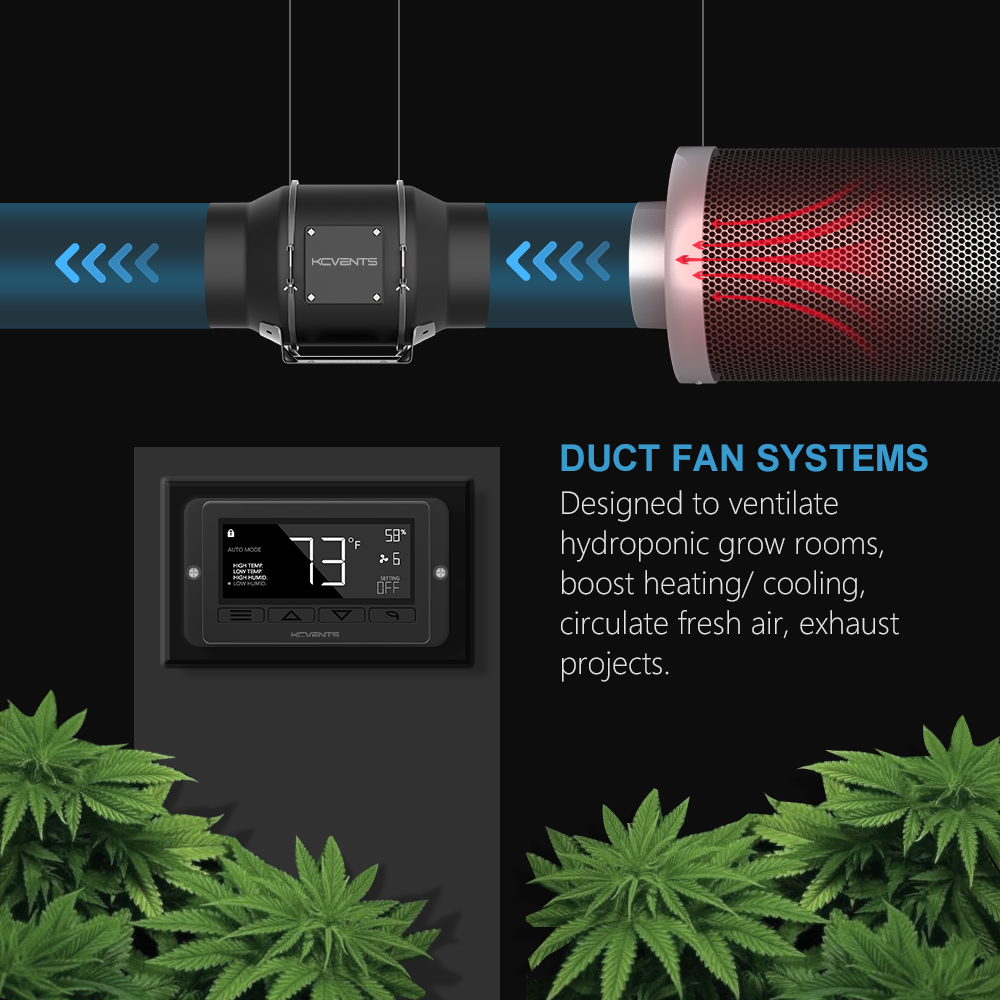
- أدوات تحكم مؤتمتة في التهوية: مراوح تضبط سحب الهواء وطرده بناءً على بيانات درجات الحرارة في الوقت الفعلي
- أنظمة التدفئة: وحدات تسخين أو أنظمة إشعاعية للتشغيل في المواسم الباردة
- أنظمة التبريد التبخيري أو المبردات (Chillers): لإدارة درجات الحرارة في المواسم الدافئة
توفر هذه الأنظمة تحكماً فائقاً مقارنة بالإدارة اليدوية، وتحقق فوائد تشغيلية كبيرة: إنتاجية متسقة، وهدر أقل للطاقة، وجودة أفضل للمنتجات، وتكاليف عمالة منخفضة.
معيار الصناعة: تقلل أنظمة التحكم في المناخ المؤتمتة عادةً من تكاليف الطاقة بنسبة 20–30% مع تحسين استقرار الإنتاجية وجودة المنتج.
إدارة الرطوبة في البيئات الخاضعة للرقابة
نطاقات الرطوبة المثالية
إن تتراوح الرطوبة النسبية (RH) المثالية لمعظم العمليات البستانية والزراعية بين 40–70%, ، اعتماداً على مرحلة النمو ونوع المحصول. ويمنع الحفاظ على هذا النطاق كلاً من إجهاد الجفاف والضغط الممرض الفطري.
| مستوى الرطوبة |
نطاق الرطوبة النسبية |
الحالة |
المخاوف الرئيسية |
| رطوبة منخفضة |
أقل من 40% رطوبة نسبية (RH) |
دون المستوى الأمثل |
تسارع النتح؛ وإجهاد مائي محتمل |
| النطاق الأمثل |
40–70% رطوبة نسبية (RH) |
المستهدف |
نتح متوازن؛ وأدنى مستوى من الضغط الممرض |
| رطوبة مرتفعة |
أعلى من 70% رطوبة نسبية (RH) |
مفرطة |
تكاثر مسببات الأمراض الفطرية؛ وتطور العفن |
معدات مراقبة الرطوبة
يتطلب القياس الدقيق للرطوبة أجهزة قياس احترافية. مقاييس الرطوبة الإلكترونية المزودة بقدرات مدمجة لتسجيل البيانات توفر مراقبة مثالية للعمليات التجارية. وتشمل الميزات الرئيسية ما يلي:
- شاشة رقمية مع قراءة فورية لنسبة الرطوبة النسبية (RH)
- تسجيل البيانات والاتصال السحابي للمراقبة عن بُعد
- عتبات إنذار لإرسال تنبيهات تلقائية عند انحراف المعايير عن النطاقات المستهدفة
- التكامل مع أنظمة إدارة المنشآت للتحكم المنسق في المناخ
- توزيع حساسات متعددة في جميع أنحاء المنشأة لتحديد المناخات الدقيقة

ظروف الرطوبة المنخفضة (أقل من 40% رطوبة نسبية)
عندما تنخفض الرطوبة البيئية إلى أقل من 40% رطوبة نسبية, ، تتعرض النباتات لمعدلات نتح متسارعة. وتشمل العواقب ما يلي:
- زيادة استهلاك المياه والطلب على الري
- متطلبات إمداد مياه أعلى لمنع إجهاد النبات
- اختلالات غذائية محتملة إذا لم تتمكن أنظمة الري من الحفاظ على مستويات رطوبة متسقة
- تأثير هامشي على حيوية المحصول في حال توفر احتياطيات مياه كافية
على الرغم من أن انخفاض الرطوبة لا يؤدي عادةً إلى تلف فوري للمحصول، إلا أنه يتطلب إدارة ري سريعة الاستجابة ويمكن أن يزيد من تكاليف الإنتاج بسبب ارتفاع استهلاك المياه.
ظروف الرطوبة المرتفعة (أعلى من 70% رطوبة نسبية)
تمثل الرطوبة المفرطة مصدر قلق تشغيلي أكثر خطورة. فعندما تتجاوز الرطوبة النسبية باستمرار 70%, ، لا سيما أثناء مرحلة الإزهار أو الإثمار, ، تظهر مضاعفات متعددة:
- تكاثر مسببات الأمراض الفطرية: بوتريتيس سينيريا (العفن الرمادي)، والبياض الدقيقي، ومسببات الأمراض الفطرية الأخرى تزدهر في البيئات عالية الرطوبة
- تطور سريع للعفن: نمو مرئي للعفن على أنسجة النباتات وأسطح المنشأة
- احتمالية فقدان المحصول: يمكن أن تؤدي الإصابات الفطرية الشديدة إلى خسائر كبيرة في الإنتاج أو تلف كامل للمحصول
- وقت معالجة ممتد: تتطلب المشاكل الفطرية تدخلاً فورياً ومراقبة مستمرة
تنبيه حرج: تتسبب الرطوبة العالية المقترنة بضعف دوران الهواء في خلق ظروف مثالية لانتشار الأمراض الفطرية المدمرة. ويتطلب الأمر إجراء تعديلات فورية على إزالة الرطوبة والتهوية لمنع فقدان المحاصيل.
إدارة الرطوبة حسب مرحلة النمو
| مرحلة النمو |
النطاق الأمثل للرطوبة النسبية (RH) |
الأساس المنطقي |
| المرحلة الخضرية |
50–70% رطوبة نسبية |
تدعم الرطوبة الأعلى تمدد الأوراق وتطور الكتلة الحيوية؛ مع انخفاض خطر الضغط الممرض أثناء النمو السريع |
| المرحلة الانتقالية |
45–65% رطوبة نسبية |
يُهيئ الخفض التدريجي للرطوبة النباتات للمرحلة التكاثرية |
| مرحلة الإزهار/الإثمار |
40–60% رطوبة نسبية |
يقلل انخفاض الرطوبة من مخاطر الأمراض الفطرية مع تعزيز خصائص الجودة؛ وهو أمر بالغ الأهمية للمنتجات عالية الجودة |
| الحصاد / ما بعد الحصاد |
50–60% رطوبة نسبية |
يحافظ على جودة المنتج أثناء مرحلة النضج النهائي وعمليات الحصاد |
أنظمة التحكم المتكامل في المناخ وحلول التدفئة والتهوية وتكييف الهواء (HVAC)
متطلبات نظام التهوية
الاحترافية أنظمة التهوية تشكل الأساس للإدارة الفعالة للرطوبة ودرجة الحرارة. وتتضمن منشآت الزراعة في البيئة الخاضعة للرقابة (CEA) عالية الأداء ما يلي:
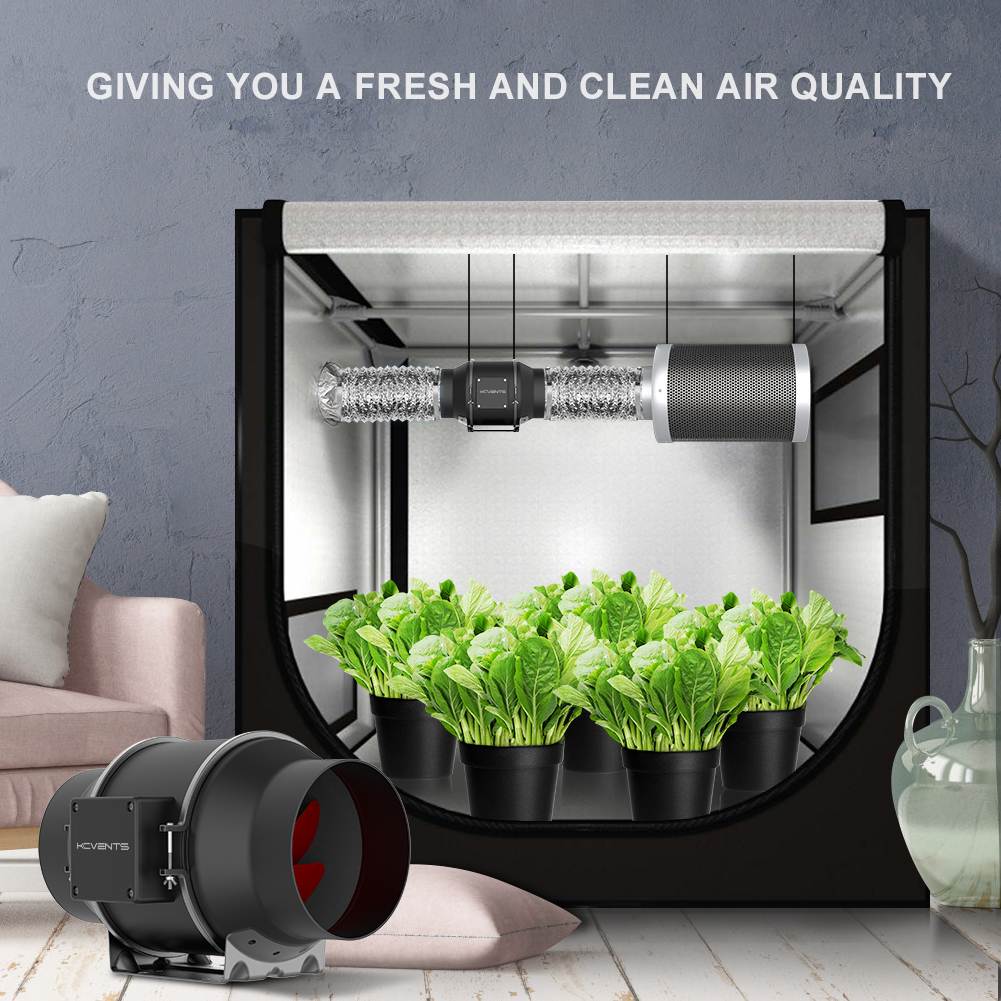
- مراوح تهوية مجاري الهواء مختلطة التدفق (Inline mixed-flow fans): مصممة للتشغيل المستمر مع مستويات ضوضاء منخفضة مناسبة للمنشآت المأهولة
- أنظمة سحب الهواء النقي: إمداد هواء خارجي غني بـ CO₂ مع الحفاظ على أهداف درجات الحرارة والرطوبة
- أنظمة الطرد/العادم: إزالة الرطوبة الزائدة والحرارة والهواء الراكد للحفاظ على الظروف المثالية للمنشأة
- تزويد ثاني أكسيد الكربون: يمنع نقص CO₂ مع الحفاظ على معدل تبادل مناسب للهواء النقي
- إدارة الضغط الاستاتيكي: تضمن مجاري الهواء والمراوح ذات الأحجام المناسبة تدفق هواء فعالاً حتى في ظل الظروف الصعبة
يجب أن تكون أنظمة التهوية قادرة على الحفاظ على ظروف مستقرة وسط تقلبات البيئة الخارجية مع دعم استقرار المعايير الداخلية.

تقنيات إزالة الرطوبة
عندما تثبت التهوية الطبيعية عدم كفايتها للتحكم في الرطوبة، تصبح إزالة الرطوبة الميكانيكية أمراً ضرورياً:
- أجهزة إزالة الرطوبة التبريدية: اقتصادية لخفض الرطوبة المعتدل؛ ومناسبة لمعظم تطبيقات بيئات CEA
- أجهزة إزالة الرطوبة المجففة (Desiccant): فعالة في درجات الحرارة المنخفضة؛ وتوفر تحكماً فائقاً في الرطوبة في البيئات الباردة
- الأنظمة الهجينة: تجمع بين تقنيات التبريد والمواد المجففة لتحقيق أداء فائق في مختلف الظروف
- حلول HVAC المتكاملة: إزالة الرطوبة بالتنسيق مع أنظمة التدفئة والتبريد لتحقيق الكفاءة المثلى
تكامل التدفئة والتبريد
تتطلب الإدارة الفعالة لدرجة الحرارة قدرات تدفئة وتبريد متناسقة:
- أنظمة التدفئة: وحدات تسخين، أو ألواح إشعاعية، أو حلقات ماء ساخن للحفاظ على درجة الحرارة في الموسم البارد
- أنظمة التبريد: مبردات تبخيرية، أو وحدات مبردات مياه (Chillers)، أو أنظمة وسائد التبريد والمراوح (Pad-and-fan) لطرد الحرارة في الموسم الدافئ
- عناصر التحكم في نقاط الضبط (Setpoint controls): وحدات تحكم تناسبية تضبط مخرجات التدفئة/التبريد تلقائياً بناءً على درجة حرارة المنشأة
- خيارات خفض الضبط الليلي (Night setback): تشغيل موفر للطاقة يحافظ على درجات حرارة ليلية مناسبة مع تقليل الطلب على التدفئة
المعايير البيئية وفسيولوجيا النبات
تقلبات درجات الحرارة والاستجابة للإجهاد
التفاوت الكبير في درجات الحرارة بين النهار والليل (فارق أكبر من 10 درجات فهرنهايت أو 6 درجات مئوية) trigger plant stress responses that compromise productivity:
- Excessive vegetative growth with enlarged leaves that reduce photosynthetic efficiency
- Compromised structural integrity and lodging risk
- Increased transpiration demand and water stress despite adequate irrigation
- Reduced reproductive output during flowering phases
Maintaining stable temperatures within a narrow band (±3–5°F variation) prevents these stress responses and optimizes physiological performance.
Vapor Pressure Deficit (VPD) Considerations
Advanced CEA operators monitor عجز ضغط البخار (VPD)—the difference between actual and saturated vapor pressure in the air. VPD influences transpiration rates and nutrient transport:
- Low VPD (high humidity): Reduced transpiration; potential for pathogenic pressure; limited nutrient movement to leaves
- Optimal VPD: Balanced transpiration; efficient nutrient delivery; minimal disease pressure
- High VPD (low humidity): Excessive transpiration; potential water stress; possible nutritional imbalances
Target VPD ranges typically fall between 0.45–0.85 kPa depending on growth stage and crop type. Modern facility management systems calculate and display VPD in real-time, enabling data-driven climate adjustments.

كفاءة الطاقة وإدارة التكاليف التشغيلية
Optimizing Climate Control Efficiency
Professional CEA operations balance climate precision against energy costs. Efficiency strategies include:
- Thermal mass utilization: Water or thermal storage systems that buffer temperature fluctuations and reduce HVAC cycling
- Night cooling optimization: Utilizing cooler nighttime external air when available to reduce active cooling load
- Setpoint optimization: Operating at the minimum acceptable temperature/humidity ranges rather than excessive margins
- Sensor calibration: Regular validation ensures accurate readings and prevents unnecessary equipment cycling
- Preventive maintenance: Clean filters, properly tuned systems, and well-maintained equipment operate with maximum efficiency
Efficiency Target: Optimized climate control systems should achieve production goals while maintaining energy consumption within industry benchmarks (typically 8–12 kWh per square meter annually for vertical farming operations).
استكشاف المشكلات المناخية الشائعة وإصلاحها
Problem: Condensation and High Humidity
Symptoms: Visible moisture on leaves and facility surfaces; elevated humidity readings above 70% RH.
Solutions:
- Increase ventilation fan speed to enhance air circulation and remove excess moisture
- Activate dehumidification systems if mechanical devices are available
- Reduce nighttime temperature setpoints to lower saturation vapor pressure
- Improve air circulation with supplemental fans to prevent dead zones
- Monitor for fungal pathogen development and apply preventive measures
Problem: Excessively Dry Conditions
Symptoms: Humidity persistently below 40% RH; visible leaf wilting despite adequate irrigation; browning leaf margins.
Solutions:
- Reduce ventilation fan speed to retain moisture within the facility
- Increase irrigation frequency to match elevated transpiration demand
- Install humidification equipment (misting systems, ultrasonic humidifiers) if available
- Verify that external air intake dampers are not pulling excessive dry outside air
- Check irrigation system for adequate water delivery
Problem: Temperature Instability
Symptoms: Temperature fluctuations greater than ±5°F; day-to-night swings exceeding 10°F; uneven temperature distribution across facility zones.
Solutions:
- Verify thermostat calibration and sensor placement away from drafts or heat sources
- Adjust HVAC proportional controller parameters to reduce overshoot and system hunting
- Ensure adequate air circulation to prevent dead zones or stratification
- Inspect insulation integrity; address air leaks or thermal bridges
- Consider thermal mass additions to buffer temperature fluctuations
أفضل الممارسات لإدارة المناخ في الزراعة في البيئات الخاضعة للرقابة (CEA)
- Implement automated monitoring: Deploy sensor networks with real-time data logging and alert capabilities
- Establish setpoint protocols: Document target parameters for each growth stage; train staff on standard operating procedures
- Perform regular calibration: Quarterly verification of all monitoring equipment against certified standards
- Maintain maintenance schedules: Preventive HVAC service intervals to ensure reliable operation
- Review data trends: Monthly analysis of climate data to identify patterns and optimization opportunities
- Plan for redundancy: Backup systems for critical climate control functions to prevent crop loss from equipment failure
- Invest in professional staff training: Operators with certified expertise in CEA climate systems
- Conduct regular system audits: Annual energy audits and performance evaluations by qualified professionals
Foundation Principle: Precision climate control is not a cost center—it is the core infrastructure investment that enables consistent, profitable horticultural production in controlled environments.
الخلاصة
Temperature and humidity management represent the critical foundation of successful controlled environment agriculture operations. Maintaining optimal parameters—68–77°F (20–25°C) for temperature and 40–70% relative humidity—requires professional-grade monitoring systems, automated HVAC infrastructure, and skilled operational oversight.
Facilities that invest in integrated climate control systems achieve measurable benefits: consistent crop yields, superior produce quality, reduced pest and pathogenic pressure, and improved energy efficiency. Modern CEA operations compete successfully against traditional field agriculture through precise environmental control that maximizes productivity while minimizing resource waste.
Success demands commitment to data-driven management, equipment maintenance discipline, and continuous optimization of climate parameters throughout the growing cycle. Facility managers and engineers who prioritize climate system excellence establish the operational foundation for sustainable, profitable indoor farming enterprises.

“`