التهوية للبيوت المحمية وغرف الزراعة الداخلية: التحكم في درجة الحرارة والرطوبة
تتحكم تهوية البيوت المحمية وغرف الزراعة الداخلية في البيئة التي تنمو فيها النباتات: درجة الحرارة، والرطوبة، وتجديد الهواء. وتعمل المساحة جيدة التهوية على طرد الحرارة، واستبدال الهواء الرطب بالهواء النقي، والحفاظ على توفر ثاني أكسيد الكربون (CO₂) — بينما تعاني المساحة سيئة التهوية من تقلبات في درجات الحرارة وارتفاع مستمر في الرطوبة حتى يستفحل العفن والإجهاد الحراري. يوضح هذا الدليل متطلبات التهوية وكيفية بناء نظام يحافظ على استقرار الظروف البيئية.
لماذا تختلف تهوية البيوت المحمية وغرف الزراعة الداخلية؟
يحتاج المنزل إلى التهوية من أجل الأشخاص؛ بينما تحتاج مساحة الزراعة إلى التهوية من أجل النباتات، وتكون المتطلبات فيها أكثر حدة وتطلباً. فالنباتات تطلق الرطوبة بالنتح باستمرار، وتضيف وحدات الإضاءة والمضخات حرارة، ويُستهلك ثاني أكسيد الكربون (CO₂) عبر عملية البناء الضوئي. والنتيجة هي أن مساحة الزراعة قد تتحول من شديدة الرطوبة إلى شديدة الحرارة في غضون دقائق إذا كان نظام التهوية دون السعة المطلوبة أو متوقفاً عن العمل.
الأهداف الثلاثة لتهوية مساحات الزراعة:
التحكم في درجة الحرارة — طرد الحرارة الناتجة عن الإضاءة (خاصة مصابيح HPS/HID) والمعدات.
التحكم في الرطوبة — طرد الرطوبة الناتجة عن النتح لمنع تشكل العفن والفطريات.
تجديد الهواء — تعويض ثاني أكسيد الكربون (CO₂) المستهلك في عملية البناء الضوئي وطرد غاز الإيثيلين/هواء العادم.
يخدم نظام التهوية نفسه هذه الأهداف الثلاثة معاً: إذ تقوم مراوح السحب بطرد الهواء الساخن والرطب والمستنفد، وسحب هواء أبرد وأكثر جفافاً ونقاءً.
ما تحتاجه النباتات: درجة الحرارة، والرطوبة، وتجديد الهواء
على الرغم من أن النطاقات الدقيقة تعتمد على نوع المحصول ومرحلة نموه، إلا أن المبادئ الأساسية ثابتة:
درجة الحرارة — تنمو معظم المحاصيل ضمن نطاق معتدل؛ ويظهر الإجهاد الحراري سريعاً عند فشل نظام التهوية. والتحكم في درجة الحرارة هو السبب الرئيسي لحاجة البيت المحمي إلى تهوية فعالة في فصل الصيف.
الرطوبة النسبية — تعزز الرطوبة العالية نمو العفن وتقلل من عملية النتح. وتوفر التهوية هواءً أكثر جفافاً للحفاظ على الرطوبة ضمن نطاق يمكن التحكم فيه.
تجديد الهواء / ثاني أكسيد الكربون (CO₂) — تستهلك النباتات ثاني أكسيد الكربون (CO₂) في المساحات المغلقة؛ ويضمن الهواء النقي استمرار إمداد عملية البناء الضوئي به.
كما أن حركة الهواء مهمة أيضاً: فتدفق الهواء على مستوى الأوراق (بواسطة مراوح تدوير الهواء) يمنع تكوّن مناخات موضعية راكدة ينشأ فيها البياض الدقيقي، حتى عندما تكون التهوية العامة كافية.
التهوية الطبيعية مقابل التهوية الميكانيكية
التهوية الطبيعية (فتحات السقف المفتوحة، والفتحات الجانبية، والستائر الشبكية) تعمل في البيوت المحمية في الطقس المعتدل عند وجود رياح. وهي خيار اقتصادي ومنخفض استهلاك الطاقة.
حدودها وعيوبها:
تتوقف عن العمل عند انعدام الرياح أو غياب الفارق في درجات الحرارة.
تُدخل هواءً غير مُرشح ولا يمكن التنبؤ بخصائصه.
لا يمكنها التحكم بدقة في الرطوبة أو درجة الحرارة.
في الطقس الحار والساكن، غالباً ما تكون التهوية الطبيعية وحدها غير كافية.
التهوية الميكانيكية (المراوح + فتحات سحب الهواء) توفر تجديداً محكماً للهواء بصرف النظر عن حالة الطقس. وهي الخيار الموثوق لبيت محمي إنتاجي وعنصر أساسي لغرف الزراعة الداخلية المغلقة.
لا تتوفر لغرف الزراعة الداخلية (الخيام، الغرف، الأقبية) أي تهوية طبيعية قابلة للاستخدام — فهي أساساً صناديق محكمة الإغلاق يجب أن تحتوي على نظام ميكانيكي لطرد وسحب الهواء.
مكونات نظام التهوية الميكانيكية
يتكون النظام الميكانيكي المتكامل من عدة أجزاء:
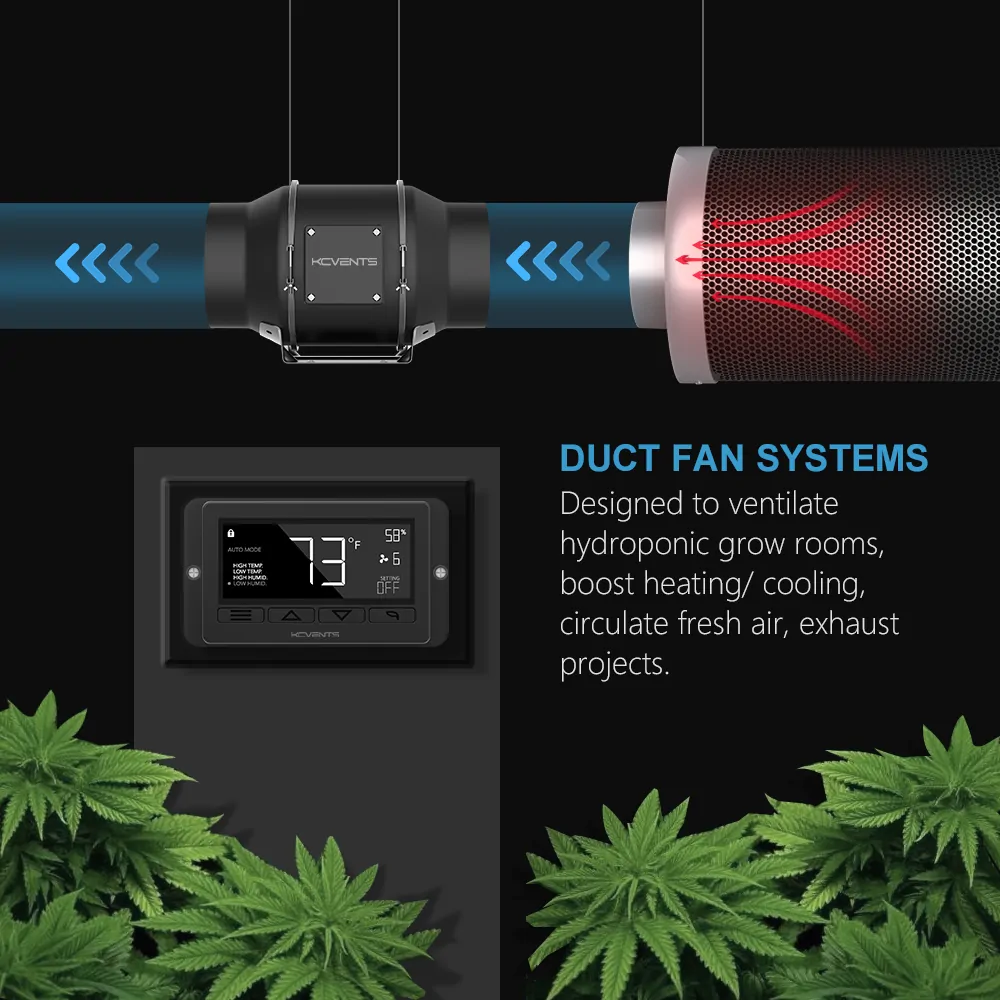
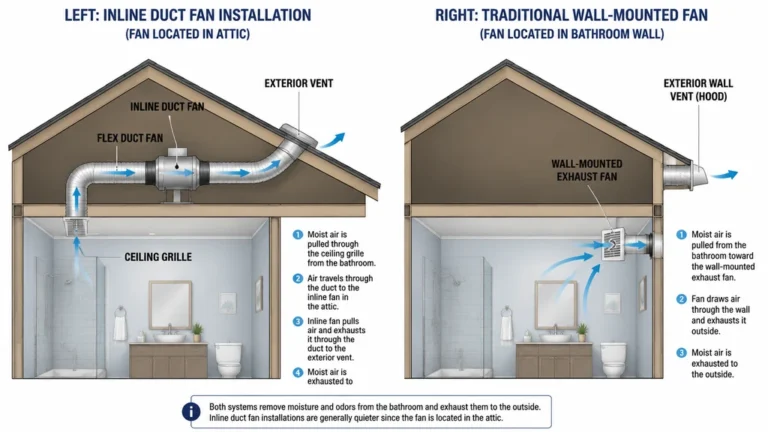
مراوح السحب (الشفط) — سحب الهواء الساخن والرطب إلى الخارج (تُعد مراوح مجاري الهواء المضمنة inline duct fans الأداة القياسية، راجع inline duct fan guide).
سحب الهواء / إمداد الهواء النقي — فتحات تهوية طبيعية (سلبية) أو مروحة سحب نشطة.
مراوح تدوير الهواء — للحفاظ على حركة الهواء عند مستوى الأوراق.
الفلاتر — الكربون المنشط للتحكم في الروائح في مخرج العادم؛ وفلاتر سحب الهواء عندما يكون الهواء الخارجي مغبرًا (راجع دليل فلاتر الكربون).
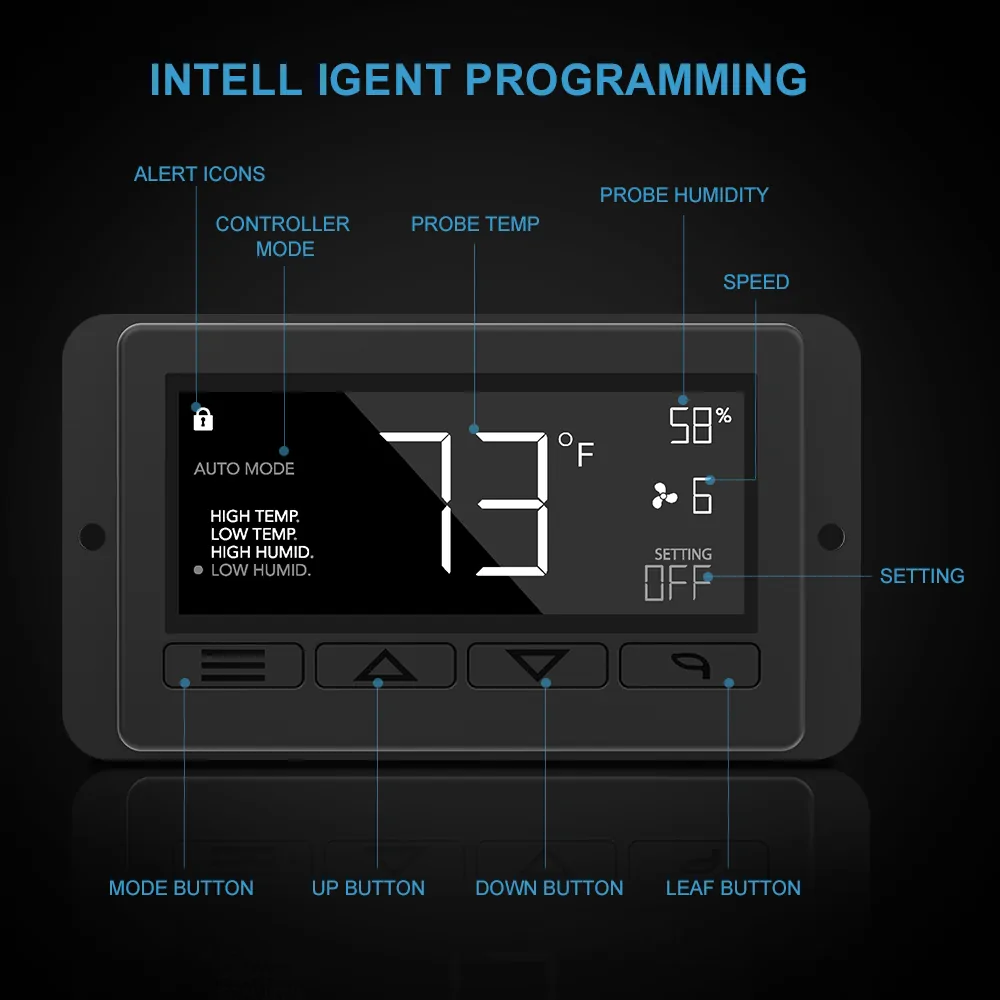
أنظمة التحكم — مستشعرات درجة الحرارة/الرطوبة والتحكم في السرعة (مراوح EC) لزيادة تشغيل النظام فقط عند الحاجة (راجع دليل محركات EC).
بالنسبة للبيت المحمي (الدفيئة)، يكون العادم عادةً في موضع مرتفع على الجملون أو الجدار الجانبي مع فتحة سحب هواء في موضع منخفض على الجانب المقابل، مما يخلق تدفقاً متقاطعاً. أما بالنسبة لخيمة الزراعة، فإن العادم يسحب الهواء عادةً عبر فلتر كربوني إلى الخارج، مع سحب هواء سلبي أو نشط في موضع منخفض من الخيمة.
تحديد حجم وسعة نظام التهوية
حدد حجم تدفق هواء العادم بناءً على حجم المساحة والحمل الحراري/الرطوبي:
احسب الحجم — الطول × العرض × متوسط ارتفاع مساحة الزراعة.
حدد معدل تبديل الهواء في الدقيقة — تستهدف مساحات الزراعة عادةً تبديل حجم الحيز كاملاً لمرة واحدة في الدقيقة أو أكثر، وذلك اعتماداً على الحمل الحراري وكثافة النباتات ومقاومة الفلتر.
أضف مقاومة الفلتر ومجاري الهواء — تدفق الهواء لمروحة مجاري الهواء (inline fan) عند الضغط الاستاتيكي للنظام هو المعيار الفعلي، وليس تصنيف الهواء الحر.
اختر مقاساً أكبر قليلاً + تحكم بالسرعة — تشغيل مروحة EC أكبر قليلاً بسرعة منخفضة يوفر قدرة احتياطية لذروات الحرارة مع الحفاظ على الهدوء والكفاءة في الظروف العادية.
وازن فتحات السحب (المدخل) — يجب أن تكون فتحة السحب كبيرة بما يكفي لعدم خنق المروحة (الأمر الذي قد يقلل تدفق الهواء ويزيد من استهلاك الفلتر).
جدار مراوح / عادم أكبر بناءً على الحمل الحراري، وحدات متعددة
Frequently Asked Questions
س: ما مقدار التهوية التي تحتاجها غرفة الزراعة؟ ج: ابدأ بمعدل تبديل حجم الخيمة/الغرفة لمرة واحدة في الدقيقة، ثم قم بالتعديل وفقاً للحمل الحراري، وكثافة النباتات، ومقاومة الفلتر. المعيار الأساسي هو تدفق الهواء الفعلي المُسلَّم عند ضغط التشغيل الاستاتيكي.
س: هل يجب تزويد البيت المحمي بتهوية ميكانيكية؟ ج: في المناخات المعتدلة والمعرضة للرياح، قد تكفي التهوية الطبيعية (الفتحات) في فصلي الربيع والخريف، ولكن لضمان ظروف نمو ثابتة للمحصول — خاصة في حرارة الصيف — فإن العادم الميكانيكي هو الحل الموثوق.
س: ما الذي يتحكم في الرطوبة داخل مساحة الزراعة؟ ج: تبديل الهواء هو الوسيلة الأساسية: حيث تستبدل مراوح العادم الهواء الرطب بهواء سحب أكثر جفافاً. وتمنع مراوح التدوير تشكل جيوب ركود هوائية موضعية. كما يُعد جهاز إزالة الرطوبة أداة إضافية للمحاصيل أو المناخات ذات الرطوبة العالية.
س: هل أحتاج إلى فلتر كربوني؟ ج: للتحكم في الروائح، نعم — تقوم مروحة مجاري الهواء (inline fan) التي تسحب الهواء عبر فلتر كربون نشط متوافق بمعالجة هواء العادم. راجع دليل فلاتر الكربون.
س: هل يمكنني استخدام مروحة منزلية عادية في غرفة الزراعة؟ ج: تقوم المروحة المنزلية بتدوير الهواء فقط؛ ولا تطرد الحرارة أو الرطوبة ولا تُدخل هواءً نقياً. أنت بحاجة إلى نظام عادم/سحب ملائم (مراوح inline) بالإضافة إلى مراوح تدوير الهواء.
س: كيف يمكنني التحكم في التهوية تلقائياً؟ ج: استخدم مستشعرات درجة الحرارة/الرطوبة المتصلة بوحدة التحكم في المروحة. يمكن لمروحة EC زيادة سرعتها تلقائياً مع تغير الظروف؛ نوضح هذا بالتفصيل في دليل محركات EC.
هل تقوم بإنشاء نظام تهوية لبيت محمي أو غرفة زراعة؟ تُصنّع KCvents مراوح مجاري الهواء الخطية EC inline duct fans، ومراوح العادم، وفلاتر الكربون النشط للزراعة الداخلية والزراعة في البيئات الخاضعة للرقابة، لعملاء الجملة، ومصنعي المعدات الأصلية OEM، ومشتري العلامات التجارية الخاصة. Request a quote متضمناً أبعاد مساحتك ومتطلبات التهوية الخاصة بك.
Newsletter Updates
Enter your email address below and subscribe to our newsletter