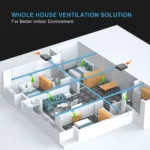
Un sistema HRV trasferisce calore tra l'aria espulsa dall'edificio e l'aria di rinnovo in ingresso; un sistema ERV esegue la stessa operazione trasferendo anche l'umidità. Scegliete un HRV per climi freddi e secchi in cui si desidera mantenere l'umidità all'interno, e un ERV per climi caldi e umidi dove è necessario bloccare l'eccesso di umidità all'esterno. Questa guida illustra il funzionamento di entrambi i sistemi, le differenze principali, il dimensionamento corretto e i criteri di selezione per abitazioni o edifici commerciali.
Perché esiste la ventilazione con recupero di calore
Un edificio a tenuta d'aria è efficiente dal punto di vista energetico, ma intrappola umidità e sostanze inquinanti. La soluzione risiede nella ventilazione meccanica; tuttavia, durante la stagione invernale, ventilare senza recupero termico disperde inutilmente l'energia di riscaldamento. La ventilazione con recupero di calore risolve questa criticità: immette aria fresca filtrata ed espelle l'aria viziata trasferendo calore tra i due flussi, garantendo aria di rinnovo all'edificio senza penalizzazioni sui consumi energetici.
Secondo l'EPA statunitense, le persone trascorrono circa il 90% del loro tempo in ambienti interni e le concentrazioni di alcuni inquinanti indoor possono essere da due a cinque volte superiori rispetto ai livelli esterni. Fonte: U.S. EPA, The Inside Story: A Guide to Indoor Air Quality. I nuovi edifici a elevate prestazioni integrano sempre più spesso sistemi meccanici per l'immissione di aria esterna — molti di questi progetti prevedono ventilatori a recupero di calore ad alta efficienza energetica (noti anche come scambiatori di calore aria-aria). Fonte: U.S. EPA, Improving Indoor Air Quality.
“Speciali scambiatori di calore aria-aria, o ventilatori a recupero di calore, consentono di ottenere questo risultato.” — U.S. Department of Energy, Guide to Home Ventilation
La ventilazione con recupero di calore recupera tipicamente il 60%–95% del calore dall'aria espulsa, secondo i riferimenti tecnici di settore; lo standard Passive House richiede un'efficienza di recupero del calore a secco di almeno il 75%. L'efficienza effettiva dipende dall'unità, dalle condizioni climatiche e dalla configurazione dell'impianto.
How an HRV Works
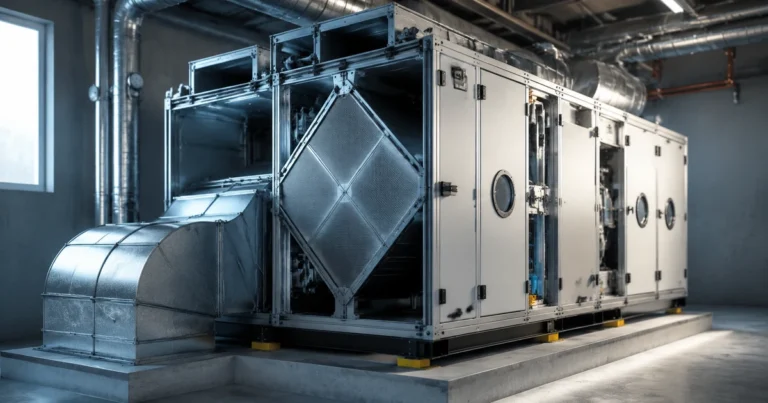
Un HRV (heat recovery ventilator) è un impianto di ventilazione bilanciata dotato di pacco di scambio termico:
Aria di immissione: L'aria esterna di rinnovo viene aspirata, filtrata e distribuita negli ambienti occupati.
Aria di espulsione: L'aria viziata e umida proveniente da cucine, bagni e locali lavanderia viene estratta ed espulsa.
Scambio termico: I due flussi d'aria attraversano il pacco di scambio in direzioni opposte (in controcorrente); il calore passa dal flusso più caldo a quello più freddo, senza alcuna miscelazione dei flussi d'aria.
Risultato: In inverno, l'aria fredda in ingresso viene preriscaldata dall'aria calda in uscita. In estate, l'aria calda in ingresso viene preraffrescata dall'aria climatizzata espulsa.
Un sistema HRV trasferisce unicamente calore sensibile. Non trasferisce umidità, risultando ideale per climi freddi e secchi, dove permette di mantenere l'umidità interna desiderata senza disperderla all'esterno.
How an ERV Works
Un sistema ERV (energy recovery ventilator) presenta la medesima configurazione bilanciata, ma il suo scambiatore trasferisce anche l'umidità latente tra i flussi d'aria. In estate, l'aria climatizzata (più secca) in espulsione contribuisce a deumidificare l'aria umida in ingresso prima che entri negli ambienti. In inverno, una quota dell'umidità dell'aria espulsa viene reintrodotta nel flusso d'aria secca in ingresso.
Trattando sia il calore che l'umidità, l'ERV è indicato per contesti climatici soggetti a elevata umidità estiva o marcata secchezza invernale:
Climi caldi e umidi (zone costiere e meridionali): l'ERV blocca l'ingresso dell'umidità esterna in eccesso.
Climi freddi e secchi: l'ERV recupera parte dell'umidità, sebbene l'HRV sia solitamente preferito per evitare fenomeni di sovra-umidificazione.
Confronto tra HRV ed ERV
Parametro
HRV
ERV
Trasferisce calore
Yes
Yes
Trasferisce umidità
No
Yes
Clima ideale
Inverni freddi e secchi
Estati calde e umide
Umidità invernale
Trattiene l'umidità interna
Reintroduce una parte di umidità nell'aria di mandata
Umidità estiva
Ha un impatto limitato sull'aria esterna umida
Riduce l'umidità immessa con l'aria di rinnovo
Applicazioni tipiche
Nord degli Stati Uniti/Canada, abitazioni nei paesi nordici, interi edifici in climi freddi
Zone costiere, meridionali, continentali umide, edifici commerciali
Condensa nel pacco di scambio
Può rappresentare un problema nei climi molto freddi
Minore rischio di condensa nelle stagioni umide
Nessuno dei due è universalmente “migliore”: la scelta corretta dipende dal clima e dalla destinazione d'uso dell'edificio.
Come scegliere: HRV o ERV
Un semplice schema decisionale per la maggior parte delle abitazioni e degli edifici:
Qual è il clima di riferimento? Inverni freddi e secchi → l'HRV è la scelta ideale. Estati calde e umide → ERV.
Dove si riscontra il problema di umidità? Se l'edificio è troppo umido in inverno (condensa sulle finestre), un HRV aiuta espellendo l'umidità. Se il problema è l'umidità estiva, un ERV riduce l'ingresso di aria esterna umida.
Qual è la destinazione d'uso dell'edificio? Gli edifici commerciali a elevata occupazione e con alti carichi latenti (ristoranti, palestre, uffici in regioni umide) richiedono spesso unità ERV.
Verificare i dati tecnici. Confrontare l'efficienza di recupero termico dell'unità e, per un ERV, il tasso di trasferimento dell'umidità in base alle effettive condizioni di prova, non ai messaggi commerciali.
Consultare il proprio ingegnere di progetto. Un progettista qualificato terrà conto delle normative locali, della portata di ventilazione e del layout delle canalizzazioni.
Albero decisionale per il recupero di calore
Clima invernale freddo e secco → HRV
Clima estivo caldo e umido → ERV
Clima misto con inverni freddi ed estati umide → valutare entrambi; il carico di umidità è determinante
Edificio con elevata produzione di umidità (piscina, cucina, palestra) → ERV (o HRV + deumidificazione)
Problemi di umidità esistenti in inverno → HRV per espellere l'umidità
Come dimensionare un'unità di recupero di calore
Il dimensionamento segue la stessa logica di qualsiasi sistema di ventilazione:
Stimare l'occupazione (camere da letto + 1 per un'abitazione; numero di persone per il settore commerciale).
Calcolare la portata d'aria richiesta. Lo standard ASHRAE 62.2 specifica una ventilazione meccanica continua di 7,5 cfm per persona più 3 cfm ogni 100 piedi quadrati per gli edifici residenziali. Fonte: Energy Vanguard
Verificare la portata d'aria nominale dell'unità alla pressione statica di esercizio, non il valore massimo a bocca libera.
Verificare il livello sonoro alla velocità di effettivo utilizzo — fondamentale per camere da letto e aule scolastiche.
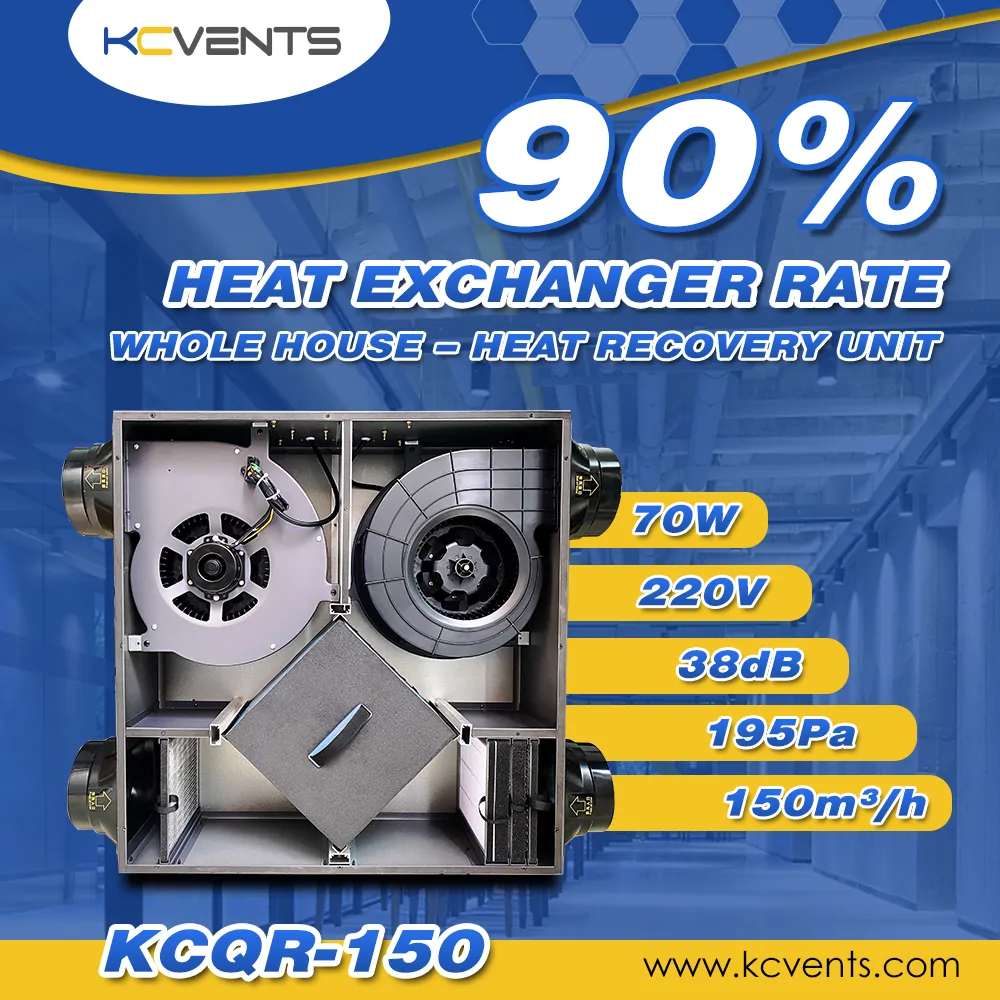
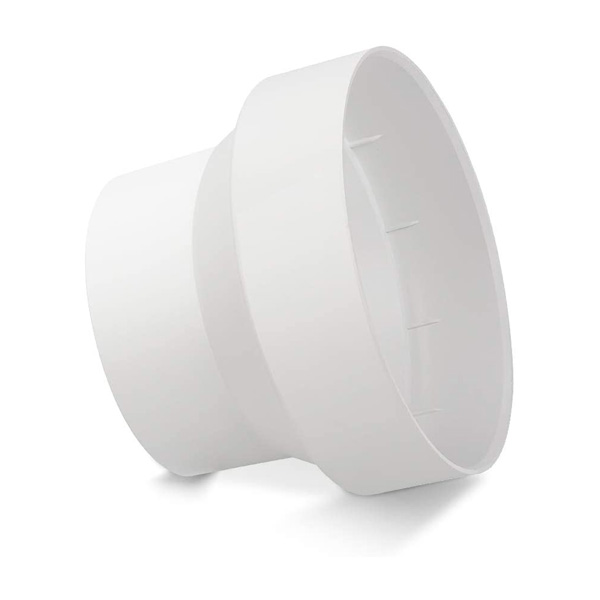
Verificare lo spazio di installazione e i raccordi delle canalizzazioni (ad es. attacchi da 100/125/150 mm).
D: Qual è la differenza tra un HRV e un ERV? R: Entrambi trasferiscono calore tra l'aria in uscita e quella in entrata. Un ERV trasferisce anche l'umidità; un HRV no. In generale, gli HRV sono adatti a climi freddi e secchi, mentre gli ERV si adattano a climi caldi e umidi.
D: Un HRV raffresca la casa in estate? R: Non come un climatizzatore. Un HRV recupera calore dall'aria di espulsione per temperare l'aria in ingresso — in estate può preraffrescare leggermente l'aria in entrata sfruttando l'aria estratta climatizzata, ma è un dispositivo di ventilazione, non un sistema di raffrescamento.
D: Un HRV aiuta a gestire l'umidità? R: Un HRV espelle l'aria interna umida, contribuendo a risolvere i problemi di condensa invernale. Non immette umidità. Se il problema è l'aria esterna umida in estate, l'ERV è la scelta più indicata.
D: Quanto è efficiente dal punto di vista energetico la ventilazione con recupero di calore? R: I riferimenti tecnici indicano un'efficienza dello scambio termico compresa all'incirca tra 50% e 80% o superiore, a seconda del sistema e del clima; lo standard Passive House richiede un'efficienza di recupero del calore sensibile di almeno il 75%. Verificare l'efficienza testata della specifica unità.
D: È necessario un HRV o un ERV in un clima mite? R: Non necessariamente. Nei climi miti può essere sufficiente un semplice sistema bilanciato o a sola immissione senza recupero di calore. Il recupero di calore è particolarmente vantaggioso dove riscaldamento o raffrescamento funzionano per lunghi periodi dell'anno.
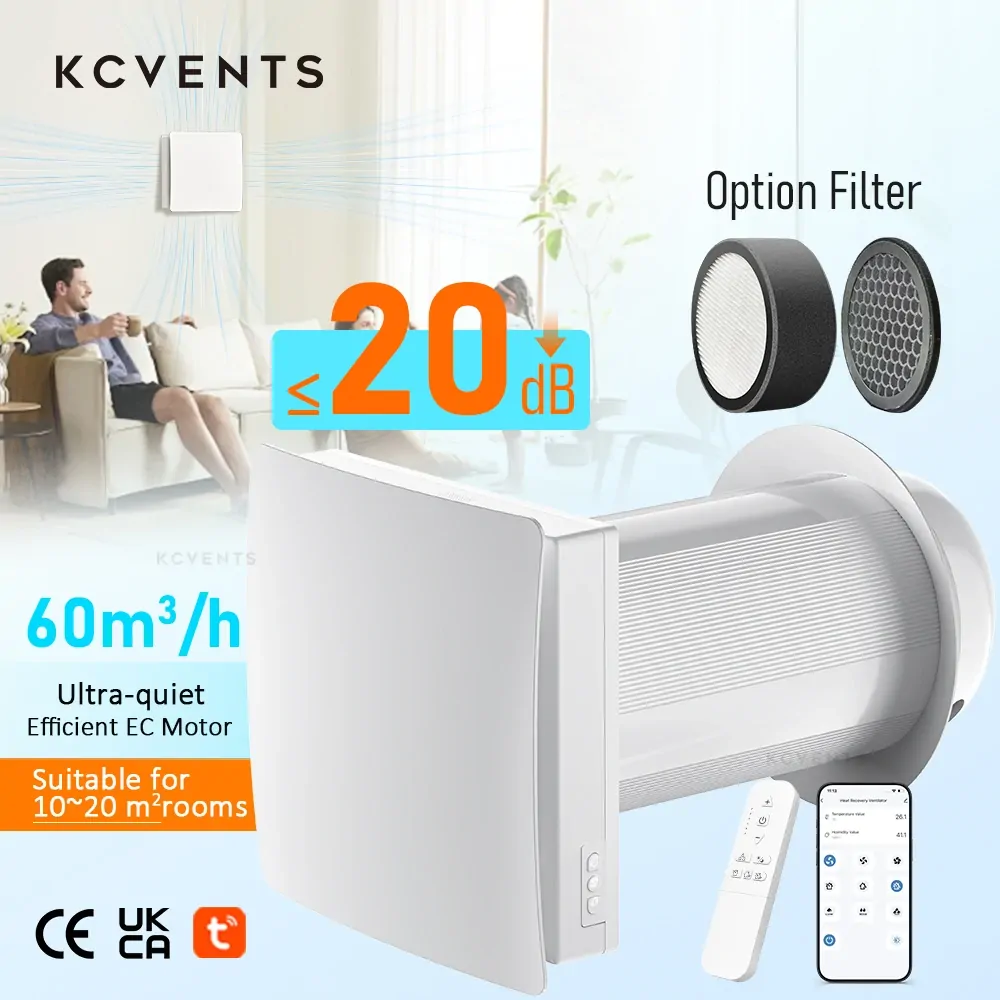
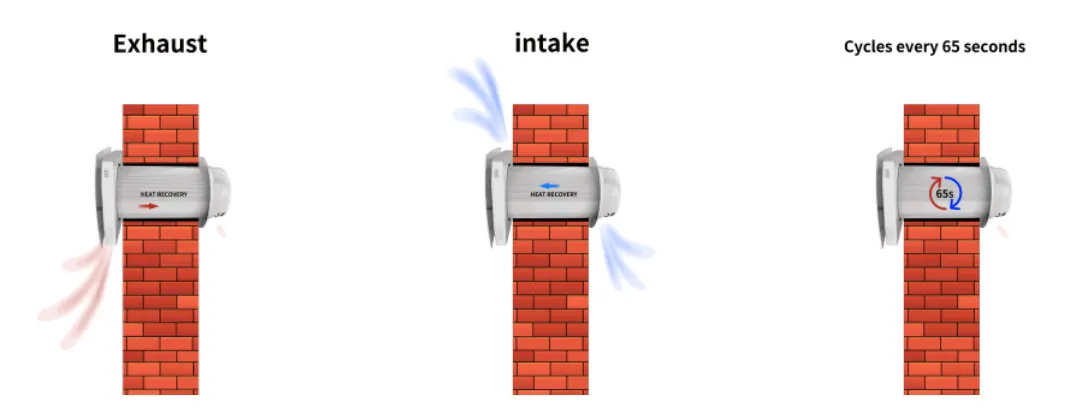
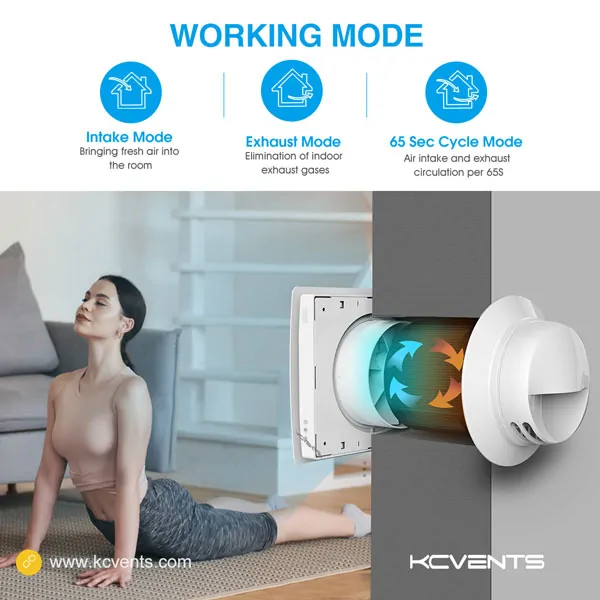
D: È possibile installare un HRV per singola stanza anziché un sistema per l'intera casa? R: Sì. Negli edifici esistenti, le unità per singola stanza rappresentano la soluzione pratica per integrare il recupero di calore stanza per stanza. Nelle nuove costruzioni, un'unità canalizzata per tutta la casa è generalmente più efficiente.
D: Un ERV funziona in inverno? R: Sì. In inverno un ERV recupera calore come un HRV e reintroduce una parte di umidità nell'aria secca in ingresso — un vantaggio nei climi freddi molto secchi e un lieve svantaggio laddove l'umidità invernale rappresenti già un problema.
Serve aiuto per scegliere tra un'unità HRV e un'unità ERV per il vostro progetto? KCvents produce unità di recupero calore per singoli ambienti e per l'intera abitazione per acquirenti all'ingrosso, OEM e private label. Richiedi un preventivo in base al vostro clima, alla superficie e ai requisiti di portata d'aria.
Aggiornamenti Newsletter
Inserisci il tuo indirizzo email qui sotto e iscriviti alla nostra newsletter