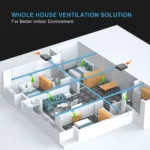
HRV vs ERV: How Heat Recovery Ventilation Works and How to Choose
In This Guide
HRV ถ่ายเทความร้อนระหว่างอากาศที่ระบายออกจากอาคารกับอากาศบริสุทธิ์ที่นำเข้ามา ส่วน ERV ทำงานในลักษณะเดียวกันและยังถ่ายเทความชื้นได้อีกด้วย ควรเลือก HRV สำหรับสภาพอากาศหนาวเย็นและแห้งที่ต้องการรักษาความชื้นไว้ภายในอาคาร และเลือก ERV สำหรับสภาพอากาศร้อนชื้นที่ต้องการป้องกันความชื้นส่วนเกินจากภายนอก คู่มือนี้จะอธิบายหลักการทำงานของทั้งสองระบบ ความแตกต่าง วิธีการเลือกขนาด และวิธีตัดสินใจว่าระบบใดเหมาะสมกับบ้านหรืออาคารของคุณมากที่สุด.
เหตุผลที่ต้องมีระบบระบายอากาศแบบแลกเปลี่ยนความร้อน
บ้านที่มีการซีลปิดสนิทอย่างมิดชิดจะช่วยประหยัดพลังงานได้ดี แต่จะกักเก็บความชื้นและมลพิษไว้ภายใน ทางออกคือระบบระบายอากาศเชิงกล (Mechanical Ventilation) — ทว่าในฤดูหนาว การระบายอากาศโดยไม่มีการแลกเปลี่ยนความร้อนจะทำให้สูญเสียพลังงานความร้อนไปโดยเปล่าประโยชน์ ระบบระบายอากาศแบบแลกเปลี่ยนความร้อน (Heat Recovery Ventilation) จึงเข้ามาแก้ปัญหานี้ โดยการนำอากาศบริสุทธิ์ที่ผ่านการกรองเข้ามาและระบายอากาศเสียออกไป พร้อมถ่ายเทความร้อนระหว่างกระแสลมทั้งสองสาย ทำให้บ้านได้รับอากาศบริสุทธิ์โดยไม่สิ้นเปลืองพลังงานมากเกินไป.
จากข้อมูลของ U.S. EPA พบว่าผู้คนใช้เวลาประมาณ 90% อยู่ภายในอาคาร และความเข้มข้นของมลพิษภายในอาคารบางชนิดอาจสูงกว่าระดับภายนอกอาคารถึง 2 ถึง 5 เท่า. ที่มา: U.S. EPA, The Inside Story: A Guide to Indoor Air Quality . บ้านสมัยใหม่ระดับพรีเมียมเริ่มติดตั้งระบบเชิงกลเพื่อนำอากาศภายนอกเข้ามา ซึ่งการออกแบบบางส่วนรวมถึงเครื่องระบายอากาศแบบแลกเปลี่ยนความร้อน (HRV) ที่ประหยัดพลังงาน (หรือที่เรียกว่า เครื่องแลกเปลี่ยนความร้อนระหว่างอากาศกับอากาศ). แหล่งข้อมูล: U.S. EPA, Improving Indoor Air Quality .
“เครื่องแลกเปลี่ยนความร้อนระหว่างอากาศกับอากาศแบบพิเศษ หรือเครื่องระบายอากาศแบบแลกเปลี่ยนความร้อน สามารถทำหน้าที่นี้ได้” — U.S. Department of Energy, Guide to Home Ventilation
ระบบระบายอากาศแบบแลกเปลี่ยนความร้อนสามารถนำความร้อนกลับมาใช้ใหม่ได้ถึง 60%–95% จากลมระบายทิ้ง ตามการอ้างอิงทางเทคนิคในอุตสาหกรรม โดยมาตรฐาน Passive House กำหนดให้มีประสิทธิภาพการนำความร้อนสัมผัสกลับมาใช้ใหม่อย่างน้อย 75% ทั้งนี้ ประสิทธิภาพจริงจะขึ้นอยู่กับตัวเครื่อง สภาพอากาศ และการติดตั้ง.
How an HRV Works
HRV (heat recovery ventilator) คือระบบระบายอากาศแบบสมดุลที่มาพร้อมแกนแลกเปลี่ยนความร้อน (Heat-exchange core):
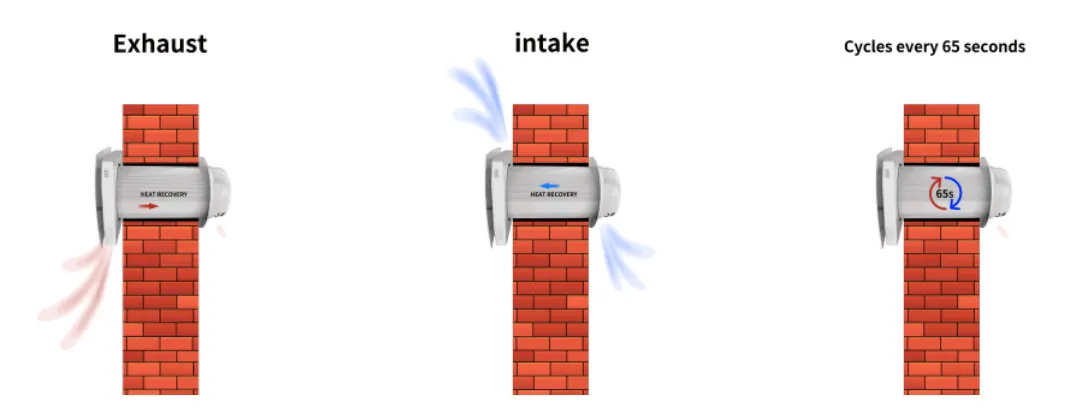
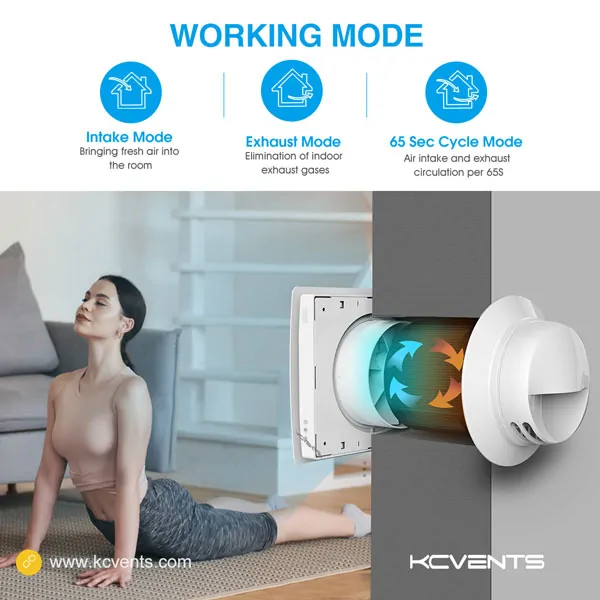
ลมจ่าย (Supply air): ดึงอากาศบริสุทธิ์จากภายนอกเข้ามา ผ่านการกรอง และส่งไปยังพื้นที่อยู่อาศัย.ลมเสีย (Exhaust air): ดูดอากาศอับชื้นและมีมลพิษจากห้องครัว ห้องน้ำ และห้องซักรีดออกไป.การถ่ายเทความร้อน: กระแสลมทั้งสองสายจะไหลผ่านแกนแลกเปลี่ยนในทิศทางตรงกันข้าม (Counterflow) และความร้อนจะถ่ายเทจากกระแสลมที่อุ่นกว่าไปยังกระแสลมที่เย็นกว่า — โดยที่กระแสลมไม่ปะปนกัน.ผลลัพธ์: ในฤดูหนาว อากาศเย็นที่เข้ามาจะถูกเพิ่มอุณหภูมิล่วงหน้าโดยอากาศอุ่นที่ระบายออก ในฤดูร้อน อากาศร้อนที่เข้ามาจะถูกลดอุณหภูมิล่วงหน้าโดยอากาศเย็นที่ระบายออกจากระบบปรับอากาศ.HRV จะถ่ายเทเฉพาะความร้อนเท่านั้น ไม่ถ่ายเทความชื้น ซึ่งตอบโจทย์อย่างยิ่งสำหรับสภาพอากาศหนาวเย็นและแห้ง เพื่อรักษาความชื้นภายในอาคารไว้แทนที่จะระบายทิ้งออกไป.
How an ERV Works
ERV (energy recovery ventilator) เป็นระบบระบายอากาศแบบสมดุลเช่นเดียวกัน แต่แกนแลกเปลี่ยนสามารถถ่ายเทความชื้นระหว่างกระแสลมได้ด้วย ในฤดูร้อน อากาศที่ถูกปรับอากาศ (ซึ่งแห้งกว่า) ที่ระบายออกจะช่วยลดความชื้นของอากาศภายนอกก่อนเข้าสู่ตัวบ้าน ในฤดูหนาว ความชื้นบางส่วนจากอากาศที่ระบายออกจะถูกถ่ายโอนกลับไปยังอากาศแห้งที่เติมเข้ามา.
เนื่องจาก ERV จัดการได้ทั้งความร้อนและความชื้น จึงเหมาะกับสภาพอากาศที่มีปัญหาเรื่องความชื้นในฤดูร้อนหรือความแห้งในฤดูหนาว:
สภาพอากาศร้อนชื้น (แถบชายฝั่ง, ภาคใต้): ERV จะช่วยป้องกันความชื้นส่วนเกินจากภายนอกไม่ให้เข้าสู่อาคาร. สภาพอากาศหนาวแห้ง: ERV จะช่วยคืนความชื้นบางส่วน แต่โดยทั่วไปมักนิยมใช้ HRV มากกว่าเพื่อป้องกันความชื้นสะสมที่มากเกินไป. การเปรียบเทียบระหว่าง HRV กับ ERV
มิติการเปรียบเทียบ HRV ERV การถ่ายเทความร้อน Yes Yes การถ่ายเทความชื้น No Yes Best climate ฤดูหนาวที่หนาวเย็นและแห้ง ฤดูร้อนที่อบอุ่นและชื้น ความชื้นในฤดูหนาว รักษาความชื้นภายในอาคารไว้ด้านใน คืนความชื้นบางส่วนกลับสู่อากาศจ่ายเข้า (Supply Air) ความชื้นในฤดูร้อน ไม่ค่อยช่วยเรื่องอากาศภายนอกที่มีความชื้นสูง ลดความชื้นที่เข้ามาพร้อมกับอากาศบริสุทธิ์ การใช้งานทั่วไป ตอนเหนือของสหรัฐฯ/แคนาดา, บ้านแถบนอร์ดิก, ระบบระบายอากาศทั้งบ้านในเขตภูมิอากาศหนาว พื้นที่ชายฝั่ง, ภาคใต้, ภูมิอากาศแบบภาคพื้นทวีปชื้น, อาคารพาณิชย์ การเกิดหยดน้ำควบแน่นในคอร์แลกเปลี่ยนความร้อน อาจเป็นปัญหาได้ในเขตภูมิอากาศที่หนาวจัด ความเสี่ยงต่อการเกิดหยดน้ำควบแน่นต่ำกว่าในฤดูที่มีความชื้นสูง
ไม่มีระบบใดที่ “ดีกว่า” อย่างสมบูรณ์แบบ — การเลือกที่เหมาะสมขึ้นอยู่กับสภาพภูมิอากาศและการใช้งานอาคารของคุณ.
วิธีตัดสินใจเลือก: HRV หรือ ERV
แนวทางการตัดสินใจอย่างง่ายสำหรับบ้านและอาคารส่วนใหญ่:
สภาพภูมิอากาศของคุณเป็นอย่างไร? ฤดูหนาวที่หนาวเย็นและแห้ง → HRV คือตัวเลือกมาตรฐาน ฤดูร้อนที่ร้อนและชื้น → ERV.ปัญหาความชื้นเกิดขึ้นที่ไหน? หากบ้านมีความชื้นสูงเกินไปในฤดูหนาว (มีหยดน้ำเกาะตามหน้าต่าง) HRV จะช่วยระบายความชื้นออกไป หากความชื้นในฤดูร้อนคือปัญหา ERV จะช่วยลดความชื้นจากอากาศภายนอก.ลักษณะการใช้งานอาคารเป็นอย่างไร? อาคารพาณิชย์ที่มีผู้ใช้งานหนาแน่นและมีภาระความชื้นสูง (ร้านอาหาร ยิม สำนักงานในภูมิภาคที่มีความชื้นสูง) มักเหมาะกับ ERV มากกว่า.ตรวจสอบตัวเลขและข้อกำหนดทางเทคนิค. เปรียบเทียบประสิทธิภาพการนำความร้อนกลับมาใช้ (Heat Recovery Efficiency) ของตัวเครื่อง และสำหรับ ERV ให้ตรวจสอบอัตราการถ่ายเทความชื้น — โดยอ้างอิงจากสภาวะการทดสอบจริง ไม่ใช่คำโฆษณาทางการตลาด.ปรึกษาวิศวกรของคุณ. ผู้ออกแบบที่มีความเชี่ยวชาญจะนำกฎหมายและมาตรฐานท้องถิ่น อัตราการระบายอากาศ รวมถึงการจัดวางแนวท่อลมมาร่วมพิจารณาอย่างครบถ้วน.ผังการตัดสินใจเลือกระบบนำความร้อนกลับมาใช้ใหม่
ภูมิอากาศฤดูหนาวที่หนาวเย็นและแห้ง → HRV ภูมิอากาศฤดูร้อนที่อบอุ่นและชื้น → ERV ภูมิอากาศแบบผสมที่มีฤดูหนาวหนาวเย็นและฤดูร้อนชื้น → ประเมินทั้งสองปัจจัย โดยพิจารณาจากภาระความชื้นเป็นหลัก อาคารที่มีการสร้างความชื้นสูง (สระว่ายน้ำ, ห้องครัว, โรงยิม) → ERV (หรือ HRV + ระบบลดความชื้น) ปัญหาความชื้นสะสมเดิมในฤดูหนาว → HRV เพื่อระบายความชื้นออก วิธีคำนวณขนาดเครื่องระบายอากาศแบบแลกเปลี่ยนความร้อน
การคำนวณขนาดใช้หลักการเดียวกันกับระบบระบายอากาศทั่วไป:
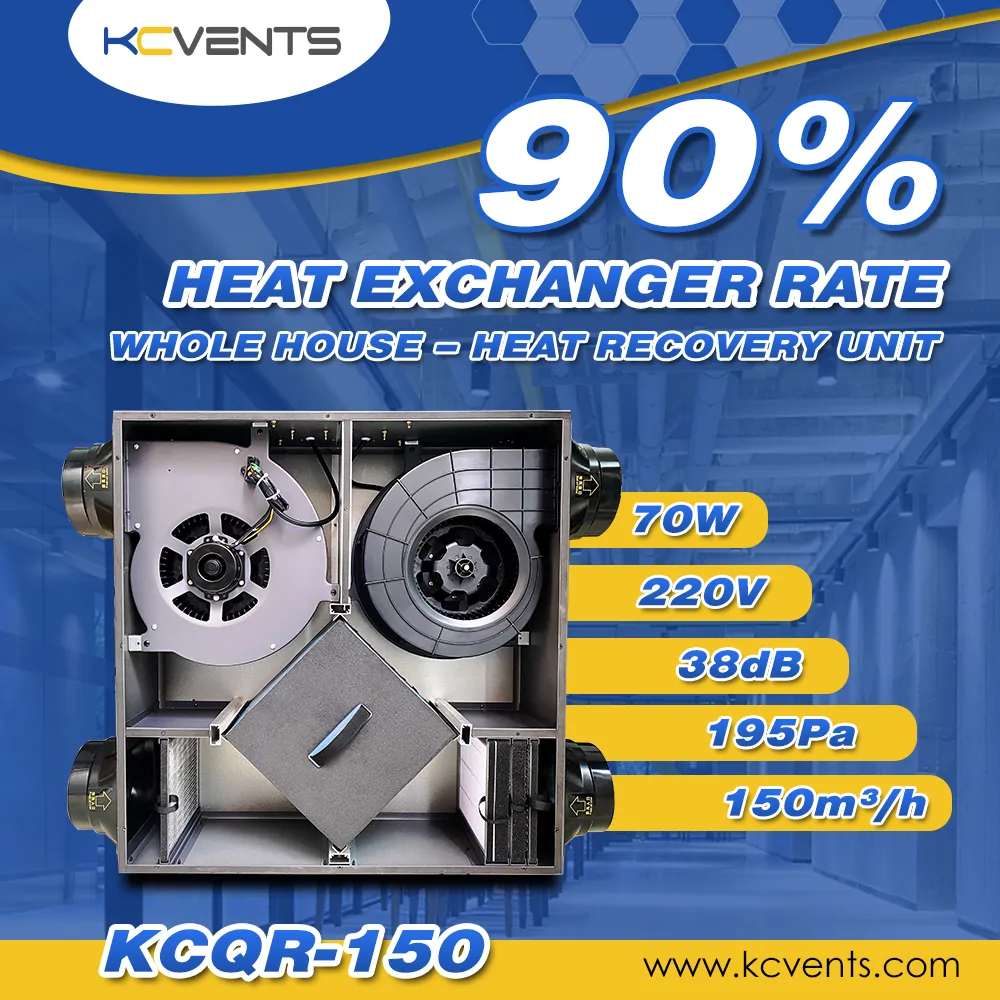
ประมาณการจำนวนผู้ใช้งาน (จำนวนห้องนอน + 1 สำหรับที่พักอาศัย; จำนวนคนจริงสำหรับเชิงพาณิชย์).คำนวณปริมาณลมที่ต้องการ. มาตรฐาน ASHRAE Standard 62.2 กำหนดให้มีการระบายอากาศเชิงกลแบบต่อเนื่องที่ 7.5 cfm ต่อคน บวกกับ 3 cfm ต่อ 100 ตารางฟุต สำหรับอาคารพักอาศัย. ที่มา: Energy Vanguard เลือกอัตราการไหลของอากาศตามพิกัดของเครื่องที่แรงดันสถิตใช้งานจริง , ไม่ใช่อัตราสูงสุดที่สภาวะลมอิสระ.ตรวจสอบระดับเสียงรบกวน ที่ความเร็วรอบที่จะใช้งานจริง — ซึ่งสำคัญมากสำหรับห้องนอนและห้องเรียน.ตรวจสอบพื้นที่ติดตั้งและการเชื่อมต่อท่อลม (เช่น ขนาดช่องต่อท่อ 100/125/150 มม.).Frequently Asked Questions
คำถาม: HRV และ ERV แตกต่างกันอย่างไร? คำตอบ: ทั้งสองระบบถ่ายเทความร้อนระหว่างอากาศที่ระบายออกและอากาศที่นำเข้า โดย ERV จะถ่ายเทความชื้นด้วย แต่ HRV จะไม่ถ่ายเทความชื้น โดยทั่วไป HRV จึงเหมาะกับสภาพอากาศหนาวและแห้ง ส่วน ERV เหมาะกับสภาพอากาศอบอุ่นและชื้น.
คำถาม: HRV ช่วยทำความเย็นให้บ้านในฤดูร้อนได้หรือไม่? คำตอบ: ไม่เหมือนกับเครื่องปรับอากาศ HRV จะดึงความร้อนจากอากาศที่ระบายออกเพื่อปรับอุณหภูมิอากาศที่นำเข้ามา — ในฤดูร้อน เครื่องสามารถช่วยลดอุณหภูมิอากาศภายนอกเบื้องต้นได้เล็กน้อยโดยใช้อากาศเสียที่ผ่านการปรับอากาศแล้ว แต่ HRV เป็นอุปกรณ์ระบายอากาศ ไม่ใช่อุปกรณ์ทำความเย็น.
คำถาม: HRV ช่วยจัดการเรื่องความชื้นได้หรือไม่? คำตอบ: HRV จะระบายอากาศภายในอาคารที่มีความชื้นออกไป ซึ่งช่วยลดปัญหาการควบแน่นเป็นหยดน้ำในฤดูหนาว แต่ไม่ได้เพิ่มความชื้น หากปัญหาของคุณคืออากาศภายนอกที่มีความชื้นสูงในฤดูร้อน ERV จะตอบโจทย์ได้ดีกว่า.
คำถาม: ระบบระบายอากาศแบบนำความร้อนกลับมาใช้ใหม่ประหยัดพลังงานได้มากเพียงใด? คำตอบ: เอกสารอ้างอิงทางวิศวกรรมระบุว่าประสิทธิผลในการแลกเปลี่ยนความร้อนมีตั้งแต่ประมาณ 50% ถึง 80% หรือมากกว่า ขึ้นอยู่กับระบบและสภาพอากาศ โดยมาตรฐาน Passive House กำหนดประสิทธิภาพการนำความร้อนสัมผัสกลับมาใช้ใหม่ไว้อย่างน้อย 75% ทั้งนี้ควรตรวจสอบประสิทธิภาพที่ผ่านการทดสอบของเครื่องแต่ละรุ่น.
คำถาม: จำเป็นต้องใช้ HRV หรือ ERV ในเขตภูมิอากาศแบบอบอุ่นปานกลางหรือไม่? คำตอบ: ไม่จำเป็นเสมอไป ในเขตสภาพอากาศปานกลาง ระบบระบายอากาศแบบสมดุลทั่วไปหรือระบบเติมอากาศเข้าอย่างเดียวโดยไม่มีการนำความร้อนกลับมาใช้ใหม่อาจเพียงพอแล้ว การนำความร้อนกลับมาใช้ใหม่จะคุ้มค่าที่สุดในพื้นที่ที่ต้องใช้ระบบทำความร้อนหรือทำความเย็นเป็นเวลายาวนาน.
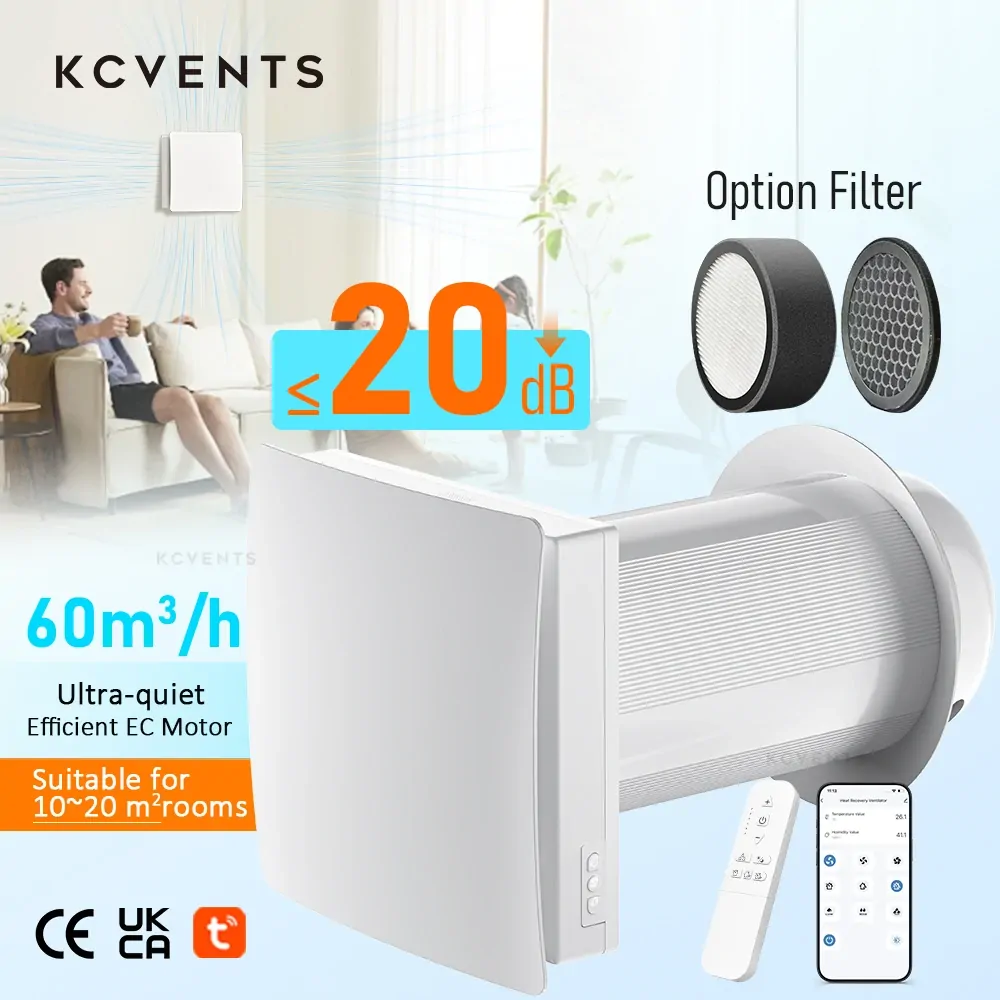
คำถาม: สามารถติดตั้ง HRV แบบเฉพาะห้องแทนระบบทั้งบ้านได้หรือไม่? คำตอบ: ได้ สำหรับบ้านที่มีอยู่เดิม เครื่องแบบเฉพาะห้องเป็นวิธีที่สะดวกในการติดตั้งระบบนำความร้อนกลับมาใช้ใหม่ทีละห้อง ส่วนในบ้านสร้างใหม่ ระบบสำหรับทั้งบ้านพร้อมการเดินท่อลมมักจะมีประสิทธิภาพมากกว่า.
คำถาม: ERV ทำงานในฤดูหนาวได้หรือไม่? คำตอบ: ได้ ในฤดูหนาว ERV จะนำความร้อนกลับมาใช้ใหม่เหมือนกับ HRV และยังคืนความชื้นบางส่วนให้กับอากาศแห้งที่นำเข้ามา ซึ่งเป็นข้อดีในสภาพอากาศหนาวที่แห้งมาก แต่จะเป็นข้อด้อยเล็กน้อยหากความชื้นในฤดูหนาวเป็นปัญหาอยู่แล้ว.
ผลิตภัณฑ์และคู่มือที่เกี่ยวข้องจาก KCvents
ต้องการความช่วยเหลือในการเลือกระหว่าง HRV และ ERV สำหรับโครงการของคุณหรือไม่? KCvents ผลิตเครื่องระบายอากาศแบบคืนสภาพความร้อนสำหรับห้องเดี่ยวและทั่วทั้งบ้าน สำหรับผู้ซื้อส่ง, OEM และแบรนด์ส่วนตัว (Private-label). Request a quote ตามสภาพภูมิอากาศ พื้นที่ใช้สอย และข้อกำหนดด้านปริมาณลมของคุณ.