How to Get More Fresh Air in Your Office Without Freezing or Baking
Подача большего объема свежего воздуха в офис обычно означает подачу наружного воздуха через систему вентиляции и удаление отработанного воздуха — и главная задача состоит в том, чтобы сделать это без нарушения температуры в помещении и без резкого роста счетов за электроэнергию. Решением является сбалансированная механическая вентиляция с рекуперацией тепла (MVHR): приток свежего фильтрованного воздуха, удаление отработанного воздуха и рекуперация тепла для поддержания комфортного микроклимата в офисе. В данном руководстве рассмотрены варианты улучшения притока свежего воздуха в офисе для любого бюджета.
Офис — это помещение с высокой плотностью людей: сотрудники, компьютеры, принтеры и чистящие средства выделяют в воздух CO₂, твердые частицы и ЛОС. В современном герметичном офисе с ограниченной вентиляцией уровень CO₂ растет в течение дня, из-за чего сотрудники испытывают сонливость и теряют концентрацию. Как правило, концентрация загрязнителей достигает максимума в переговорных комнатах и зонах open-space ближе к середине дня.
According to the U.S. EPA, people spend about 90% of their time indoors, and concentrations of some indoor pollutants can be two to five times higher than outdoor levels. Source: U.S. EPA, The Inside Story: A Guide to Indoor Air Quality. Для офиса подача свежего воздуха — это не роскошь, а разница между продуктивной работой во второй половине дня и духотой.
Что означает “свежий воздух” для офиса
Свежесть воздуха в офисе обеспечивается тремя факторами:
Приток наружного воздуха — достаточный объем свежего воздуха для снижения концентрации CO₂ и загрязняющих веществ.
Вытяжка — эффективное удаление отработанного воздуха (CO₂, запахов, загрязнителей).
Комфорт — свежий воздух поступает с комфортной температурой, без сквозняков и чрезмерного нагрева.
Нормативные требования к объему наружного воздуха для офисов определяются стандартами вентиляции (например, ASHRAE 62.1), которые устанавливают нормы расхода свежего воздуха в зависимости от количества людей и площади помещения. Если в офисе душно, в первую очередь нужно проверить, соблюдается ли норма притока свежего воздуха, а не просто открывать окно.
Уровень 1: Улучшение естественной вентиляции
Наиболее бюджетные меры, эффективные в мягкую погоду или в качестве дополнения:
Сквозное проветривание через открытые окна — приток снизу с одной стороны, вытяжка сверху с противоположной для обеспечения сквозного потока воздуха.
Ориентируйтесь на уровень CO₂ — компактный датчик CO₂ подскажет, когда воздух в помещении действительно стал спертым.
Ночная продувка — в межсезонье проветривайте офис ночью для удаления накопившегося CO₂ и избыточного тепла до прихода сотрудников.
Ограничения: окна зависят от погоды, уличного шума и качества наружного воздуха, они не фильтруют воздух, а зимой и летом создают дополнительную нагрузку на систему ОВиК (HVAC). Естественная вентиляция — это лишь дополнение, а не полноценное решение для офиса.
Уровень 2: Вытяжные и приточные вентиляторы
Когда окон недостаточно, используют механические вентиляторы:
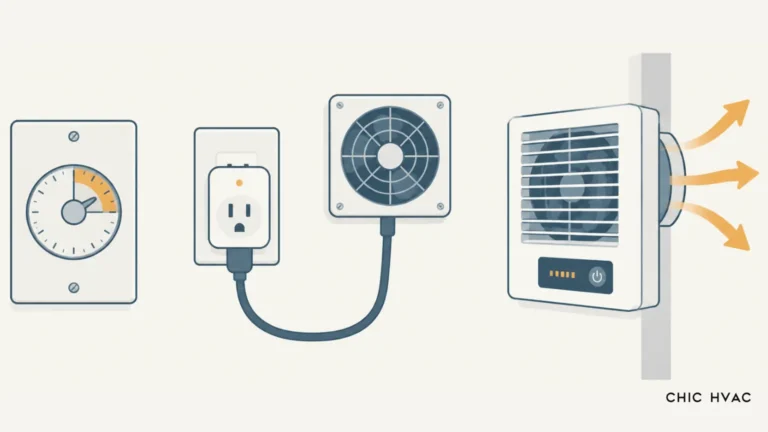
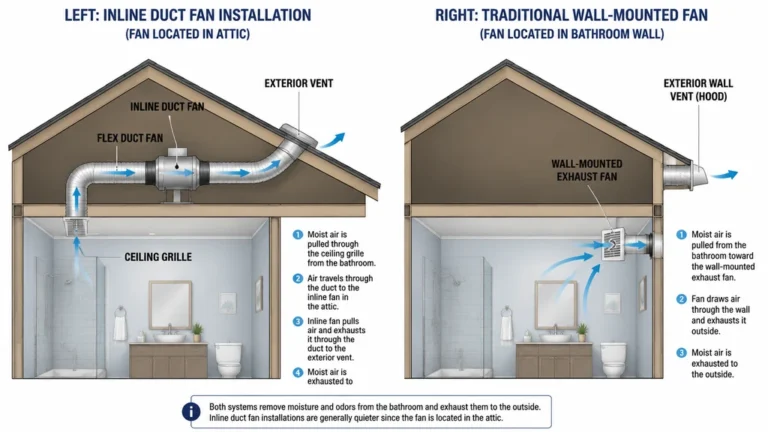
Вытяжные вентиляторы удаляют отработанный воздух; свежий воздух поступает через приточные клапаны или вентиляторы.
Это простое и доступное решение, обеспечивающее реальный приток свежего воздуха. Однако без рекуперации тепла вы удаляете уже кондиционированный воздух: зимой вы выбрасываете нагретый воздух наружу, что увеличивает затраты на электроэнергию и может вызывать сквозняки из-за холодного притока.
Уровень 3: Сбалансированная вентиляция с рекуперацией тепла
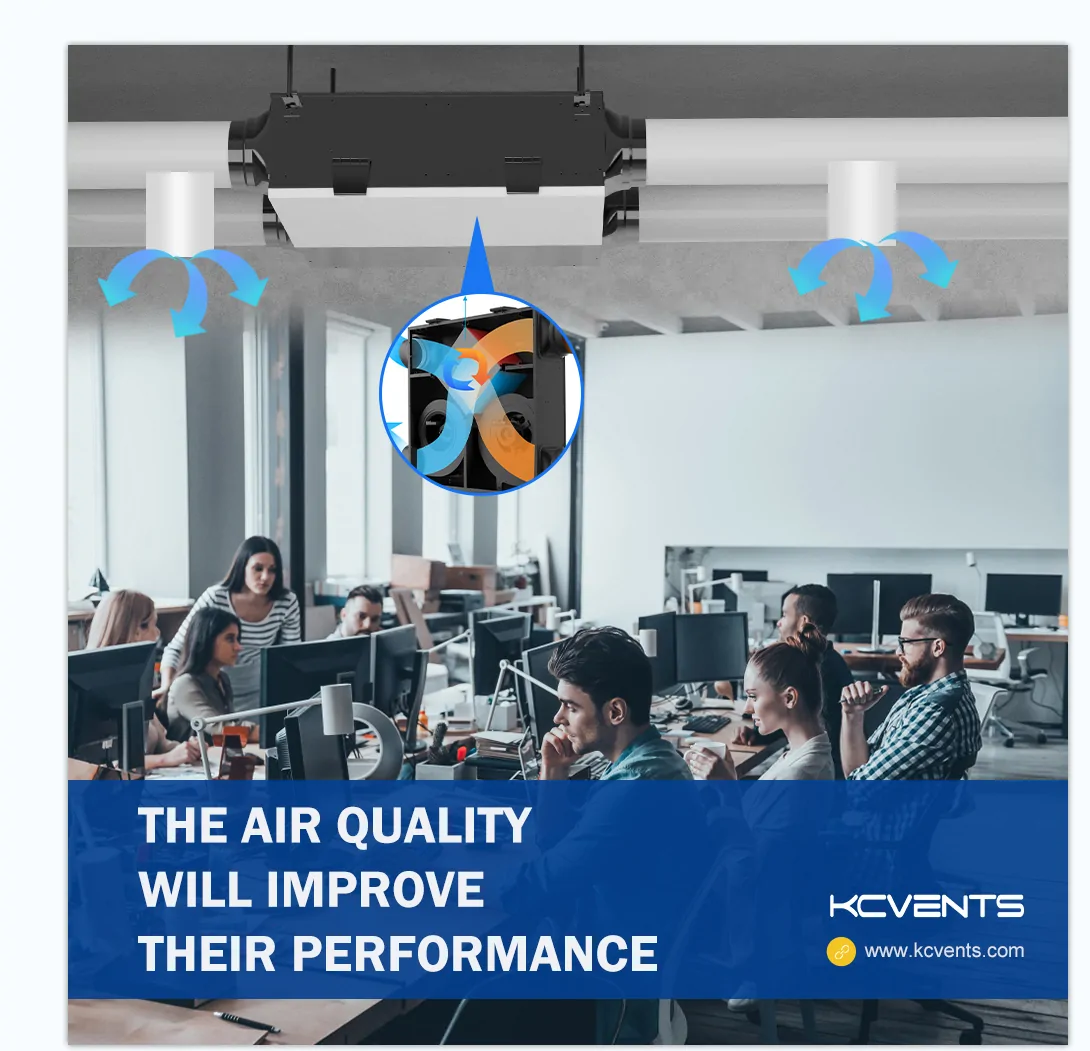
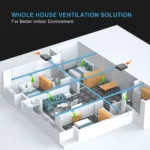
Надежным решением для офиса является сбалансированная система вентиляции с рекуперацией тепла (HRV или ERV при необходимости контроля влажности):
Вытяжной вентилятор удаляет отработанный воздух в соответствующем объеме.
Теплообменник рекуператора передает тепло между двумя потоками, поэтому свежий воздух поступает с предварительно скорректированной температурой — без переохлаждения, перегрева и лишних энергозатрат.
Именно такая система описана в руководствах по проектированию коммерческой вентиляции. В офисах коммерческие установки ERV/HRV обеспечивают подачу наружного воздуха, тогда как существующая система HVAC регулирует температуру — они работают согласованно, дополняя друг друга.
Подведение итогов
Условия в офисе
Рекомендуемое решение
Мягкий климат, открывающиеся окна
Естественная сквозная вентиляция + датчик CO₂
Ограниченный бюджет, фиксированная температура воздуха
Вытяжные вентиляторы + приток с фильтрацией (с учетом энергозатрат)
Герметичный офис, важны комфорт и энергоэффективность
Сбалансированная система HRV/ERV с рекуперацией тепла
Высокий уровень CO₂ в отдельных помещениях
Регулирование по потребности — усиление вентиляции в зонах с высоким уровнем CO₂
Практические шаги независимо от типа системы:
Измеряйте уровень CO₂ в наиболее проблемных помещениях — точные данные всегда лучше догадок.
Обеспечьте непрерывную работу вентиляции в рабочие часы и запускать систему до наступления пиковой загрузки.
Не ограничивайтесь только рециркуляцией — если система работает только в режиме рециркуляции, она лишь перемещает CO₂, а не удаляет его.
Frequently Asked Questions
В: Сколько свежего воздуха требуется для офиса? О: Нормы вентиляции (например, ASHRAE 62.1) рассчитывают расход наружного воздуха на основе количества людей и площади помещения. Практический способ проверки — датчик CO₂: если уровень CO₂ поднимается до высоких значений, расход приточного воздуха недостаточен для текущего числа людей.
В: Достаточно ли открывать окно для подачи свежего воздуха в офис? О: Иногда при мягких погодных условиях, но это ненадежно. Через окна поступает нефильтрованный, неподготовленный воздух, процесс зависит от погоды и уличного шума, а в жаркий и холодный сезоны создает дополнительную нагрузку на систему HVAC. Механическая приточная вентиляция — единственное стабильное решение.
В: Как лучше всего подавать свежий воздух в офис без потерь тепла или холода? О: Сбалансированная система вентиляции с рекуперацией тепла (HRV/ERV) подает отфильтрованный свежий воздух и утилизирует тепло вытяжного воздуха, благодаря чему приточный воздух поступает с температурой, близкой к комнатной. Именно такой подход реализован в наших commercial ventilation playbook.
В: Может ли очиститель воздуха заменить приточную вентиляцию в офисе? О: Нет. Очиститель воздуха фильтрует воздух, уже находящийся в помещении; он не обеспечивает приток свежего воздуха и не удаляет CO₂. Используйте вентиляцию для воздухообмена, а очиститель — только в качестве дополнения для фильтрации твердых частиц.
В: Почему к середине дня в офисе становится душно? О: CO₂ и загрязняющие вещества накапливаются, когда приток свежего воздуха ниже нормы, необходимой для находящихся в помещении людей. Проверьте расход воздуха и уровень CO₂; решением проблемы является увеличение подачи наружного воздуха, а не усиление охлаждения.
В: Какая производительность приточной вентиляции необходима для офиса? О: Рассчитайте требуемый расход наружного воздуха по нормативам исходя из числа людей и площади пола, а затем подберите производительность установки с учетом рабочего статического давления. Вентиляция по потребности (по датчику CO₂) позволит эксплуатировать систему с расходом, который действительно необходим офису.
Хотите улучшить качество воздуха в офисе? KCvents производит коммерческие установки с рекуперацией энергии, канальные вентиляторы и приточные вентиляционные системы для офисов и коммерческих зданий для оптовых заказчиков, OEM и проектов под собственной торговой маркой. Request a quote с указанием площади помещения, количества людей и требований к вентиляции.
Обновления рассылки
Подпишитесь на нашу рассылку, введя свой адрес электропочты