How to Get More Fresh Air in Your Office Without Freezing or Baking
Getting more fresh air in an office usually means supplying outdoor air through the ventilation system and exhausting stale air — and the trick is doing it without ruining the indoor temperature or running up the energy bill. The answer is balanced mechanical ventilation with heat recovery: fresh filtered air in, stale air out, with the heat recovered so the office stays comfortable. This guide explains the options for improving office fresh air at every level of budget.
An office is a dense occupancy space: people, computers, printers, and cleaning products all add CO₂, particles, and VOCs to the air. In a modern, sealed office with limited ventilation, the CO₂ climbs during the day, and occupants feel drowsy and unfocused. The concentration is commonly worse in meeting rooms and open-plan zones near midday.
According to the U.S. EPA, people spend about 90% of their time indoors, and concentrations of some indoor pollutants can be two to five times higher than outdoor levels. Source: U.S. EPA, The Inside Story: A Guide to Indoor Air Quality. For an office, fresh-air supply is not a luxury — it is the difference between a productive afternoon and a stuffy one.
What “Fresh Air” Means for an Office
Three things together make an office feel fresh:
Outdoor air supply — enough fresh air to dilute CO₂ and pollutants.
Exhaust — stale air (CO₂, odors, pollutants) actually leaving.
Comfort — the fresh air arrives at a comfortable temperature, not as a draft or a furnace blast.
The standard guidance for how much outdoor air an office needs comes from ventilation codes (e.g., ASHRAE 62.1), which set outdoor-air rates based on occupancy and floor area. If your office feels stuffy, the first question is whether the fresh-air rate is actually being met — not whether someone should simply open a window.
Level 1: Improve Natural Ventilation
The cheapest steps, useful in mild weather or as a supplement:
Open windows cross-ventilated — inlet low on one side, outlet high opposite, so air flows through.
Use CO₂ as a guide — a small CO₂ monitor tells you when the room is actually stale.
Night purge — in mild seasons, open the office at night to flush out accumulated CO₂ and heat before staff arrive.
Limits: windows depend on weather, noise, and outdoor air quality, do not filter the air, and in winter or summer they fight the HVAC system. Natural ventilation is a supplement, not the office solution.
Level 2: Exhaust and Supply Fans
When windows are not enough, add mechanical fans:
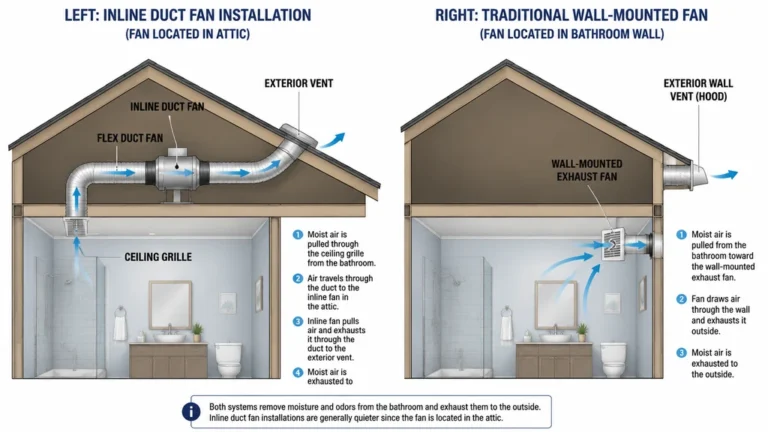
Exhaust fans pull stale air out; fresh air enters through intake vents or fans.
Supply fans push filtered fresh air in; stale air leaks out through exhaust paths.
This is simple and affordable, and it delivers real fresh air. But without heat recovery, the air you exhaust is conditioned air — in winter you are pumping heated air out, which raises the energy bill and can make the space drafty if the replacement air is cold.
Level 3: Balanced Ventilation with Heat Recovery
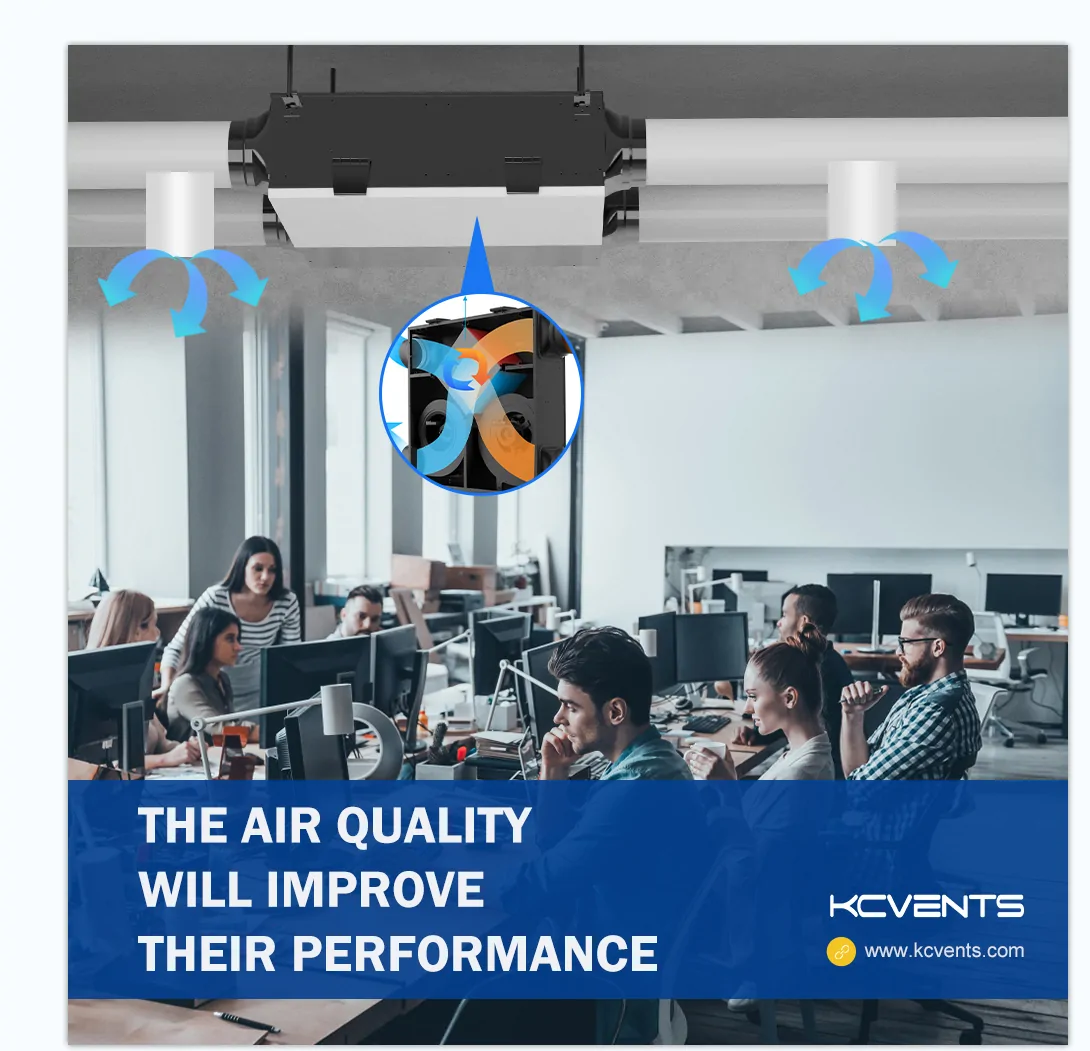
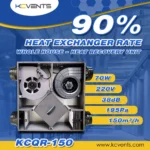
The durable office solution is a balanced ventilation system with heat recovery (an HRV, or an ERV where humidity matters):
A supply fan brings in filtered fresh air.
An exhaust fan removes stale air at a matched rate.
A heat recovery core transfers heat between the two, so the fresh air arrives pre-tempered — no freezing, no baking, no energy waste.
This is the system Commercial Ventilation design guidance describes. For offices, a commercial ERV/HRV handles the outdoor air supply while the existing HVAC handles temperature — the two work together, not against each other.
Putting It Together
Office situation
Recommended approach
Mild weather, operable windows
Natural cross-ventilation + CO₂ monitor
Tight budget, fixed air temperature
Exhaust fans + filtered supply, accept energy cost
Sealed office, comfort + energy matter
Balanced HRV/ERV with heat recovery
High CO₂ in specific rooms
Demand control — increase ventilation where CO₂ is high
Practical steps regardless of system:
Measure CO₂ in the worst rooms — data beats guesswork.
Keep the ventilation running during occupied hours, and start it before peak occupancy.
Rawat filter — filter yang tersumbat secara diam-diam memangkas pasokan udara segar (lihat panduan pemeliharaan).
Jangan hanya meresirkulasi — jika sistem berada dalam mode resirkulasi saja, sistem hanya memindahkan CO₂, bukan membuangnya.
Frequently Asked Questions
T: Berapa banyak udara segar yang dibutuhkan sebuah kantor? J: Standar ventilasi (misalnya ASHRAE 62.1) menentukan kebutuhan udara luar berdasarkan tingkat okupansi dan luas lantai. Pemeriksaan praktisnya adalah menggunakan monitor CO₂: jika kadar CO₂ meningkat ke tingkat tinggi, laju udara segar terlalu rendah untuk jumlah okupansi yang ada.
T: Apakah membuka jendela cukup untuk mendapatkan udara segar di kantor? J: Terkadang cukup saat cuaca bersahabat, tetapi tidak dapat diandalkan. Jendela memasukkan udara yang tidak terfilter dan tidak terkondisikan, bergantung pada cuaca serta kebisingan, dan pada musim panas/dingin akan membebani kerja sistem HVAC. Pasokan udara segar mekanis adalah solusi yang konsisten.
T: Apa cara terbaik untuk memasok udara segar ke kantor tanpa kehilangan efisiensi pemanasan atau pendinginan? J: Sistem ventilasi seimbang dengan pemulihan panas (HRV/ERV) menyuplai udara segar yang telah difilter dan memulihkan energi panas dari udara buang (exhaust), sehingga udara segar masuk dengan suhu mendekati suhu ruangan. Ini merupakan pendekatan yang diterapkan pada commercial ventilation playbook.
T: Bisakah air purifier menggantikan ventilasi udara segar di kantor? J: Tidak. Air purifier hanya menyaring udara yang sudah ada di dalam ruangan; alat ini tidak memasukkan udara segar maupun menghilangkan CO₂. Gunakan ventilasi untuk pertukaran udara dan air purifier hanya sebagai pelengkap untuk filtrasi partikel.
T: Mengapa kantor terasa pengap saat menjelang sore hari? J: CO₂ dan polutan menumpuk ketika pasokan udara segar berada di bawah laju yang dibutuhkan tingkat okupansi. Periksa laju ventilasi dan kadar CO₂; solusinya adalah menambah pasokan udara luar, bukan sekadar meningkatkan pendinginan.
T: Berapa kapasitas ventilasi udara segar yang dibutuhkan kantor? J: Tentukan kapasitas aliran udara luar berdasarkan tingkat okupansi dan luas lantai sesuai standar, lalu sesuaikan dengan airflow unit pada tekanan statis kerja. Kontrol berbasis kebutuhan (CO₂) kemudian dapat menjalankan sistem pada laju yang benar-benar dibutuhkan kantor.
Ingin meningkatkan kualitas udara kantor? KCvents memproduksi unit energy recovery komersial, inline duct fan, dan sistem udara segar untuk perkantoran serta bangunan komersial, melayani kebutuhan grosir, OEM, dan proyek private-label. Minta penawaran harga dengan luas lantai, tingkat okupansi, dan kebutuhan ventilasi Anda.
Pembaruan Buletin
Masukkan alamat email Anda di bawah ini dan berlangganan buletin kami