How to Get More Fresh Air in Your Office Without Freezing or Baking
Getting more fresh air in an office usually means supplying outdoor air through the ventilation system and exhausting stale air — and the trick is doing it without ruining the indoor temperature or running up the energy bill. The answer is balanced mechanical ventilation with heat recovery: fresh filtered air in, stale air out, with the heat recovered so the office stays comfortable. This guide explains the options for improving office fresh air at every level of budget.
An office is a dense occupancy space: people, computers, printers, and cleaning products all add CO₂, particles, and VOCs to the air. In a modern, sealed office with limited ventilation, the CO₂ climbs during the day, and occupants feel drowsy and unfocused. The concentration is commonly worse in meeting rooms and open-plan zones near midday.
According to the U.S. EPA, people spend about 90% of their time indoors, and concentrations of some indoor pollutants can be two to five times higher than outdoor levels. Source: U.S. EPA, The Inside Story: A Guide to Indoor Air Quality. For an office, fresh-air supply is not a luxury — it is the difference between a productive afternoon and a stuffy one.
What “Fresh Air” Means for an Office
Three things together make an office feel fresh:
Outdoor air supply — enough fresh air to dilute CO₂ and pollutants.
Exhaust — stale air (CO₂, odors, pollutants) actually leaving.
Comfort — the fresh air arrives at a comfortable temperature, not as a draft or a furnace blast.
The standard guidance for how much outdoor air an office needs comes from ventilation codes (e.g., ASHRAE 62.1), which set outdoor-air rates based on occupancy and floor area. If your office feels stuffy, the first question is whether the fresh-air rate is actually being met — not whether someone should simply open a window.
Level 1: Improve Natural Ventilation
The cheapest steps, useful in mild weather or as a supplement:
Open windows cross-ventilated — inlet low on one side, outlet high opposite, so air flows through.
Use CO₂ as a guide — a small CO₂ monitor tells you when the room is actually stale.
Night purge — in mild seasons, open the office at night to flush out accumulated CO₂ and heat before staff arrive.
Limits: windows depend on weather, noise, and outdoor air quality, do not filter the air, and in winter or summer they fight the HVAC system. Natural ventilation is a supplement, not the office solution.
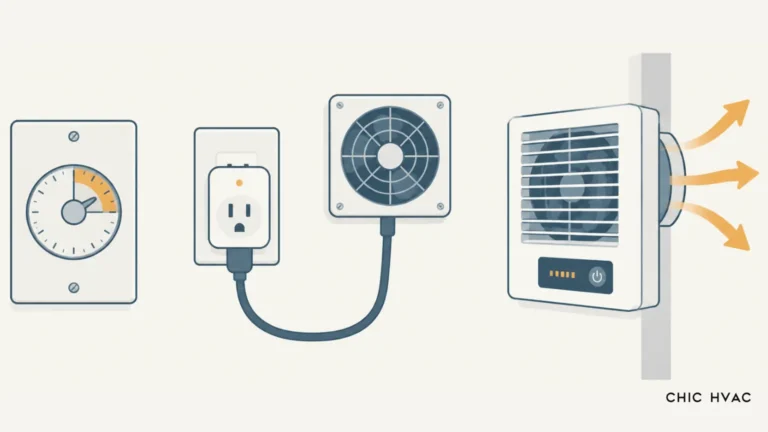
Level 2: Exhaust and Supply Fans
When windows are not enough, add mechanical fans:
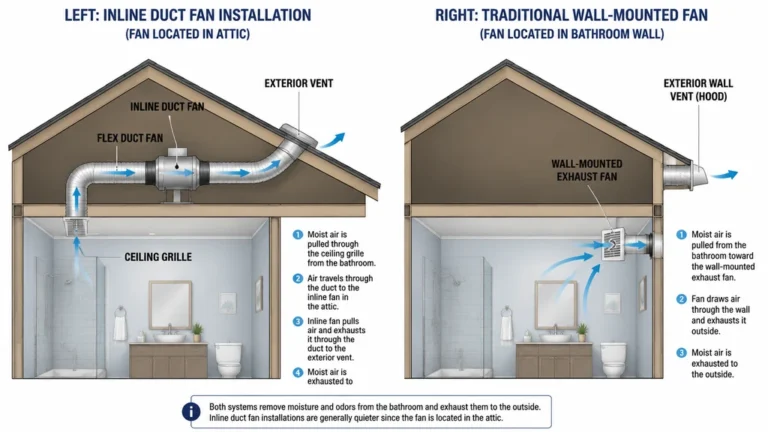
مراوح السحب (الشفط) pull stale air out; fresh air enters through intake vents or fans.
Supply fans push filtered fresh air in; stale air leaks out through exhaust paths.
This is simple and affordable, and it delivers real fresh air. But without heat recovery, the air you exhaust is conditioned air — in winter you are pumping heated air out, which raises the energy bill and can make the space drafty if the replacement air is cold.
Level 3: Balanced Ventilation with Heat Recovery
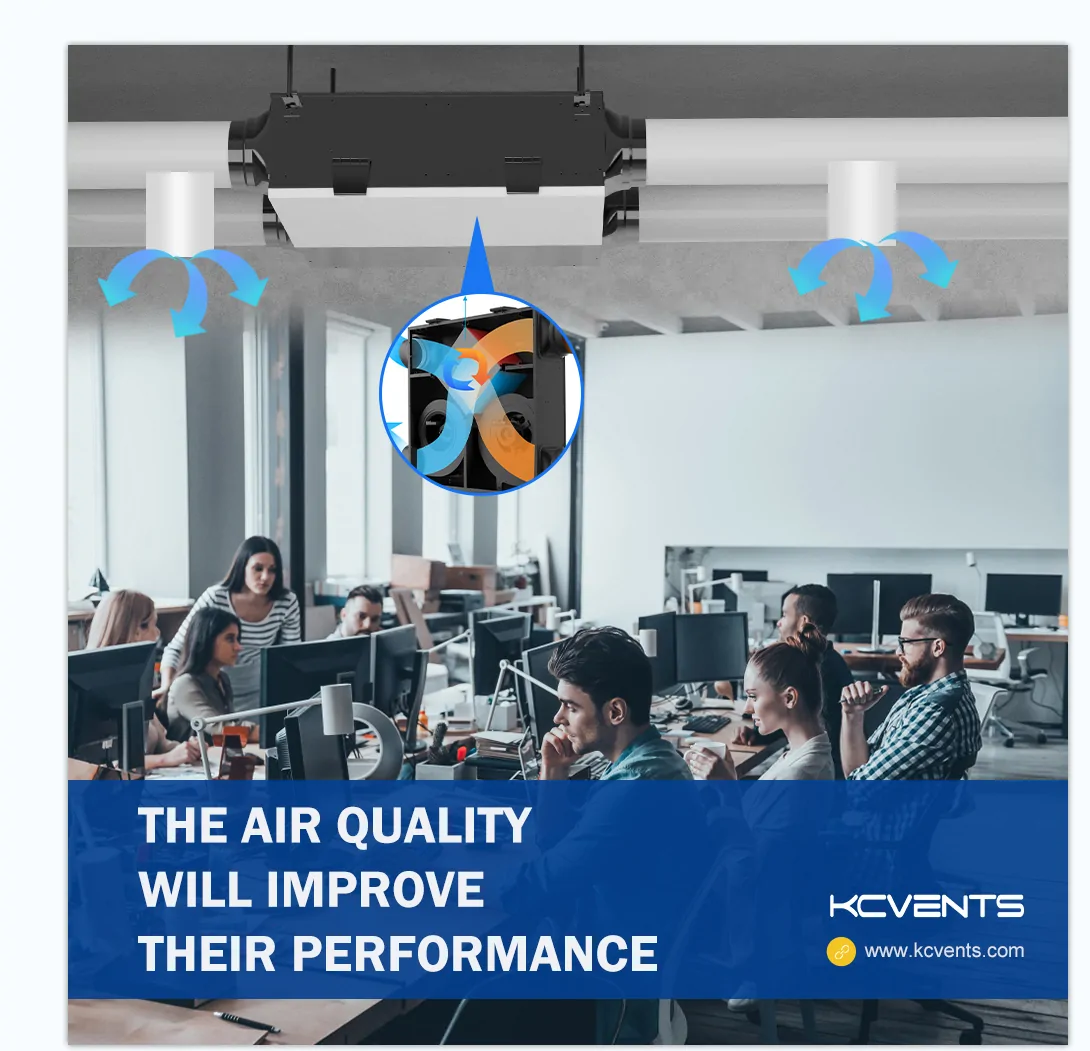
The durable office solution is a balanced ventilation system with heat recovery (an HRV, or an ERV where humidity matters):
تجلب مروحة الإمداد هواءً نقيًا ومفلترًا.
تطرد مروحة العادم الهواء الراكد بمعدل متطابق.
ينقل قلب استرداد الحرارة الحرارةَ بين الاثنين، بحيث يصل الهواء النقي معتدل الحرارة مسبقًا — بلا تجمد، وبلا حرارة مفرطة، وبلا هدر للطاقة.
هذا هو النظام الذي تصفه إرشادات تصميم التهوية التجارية. بالنسبة للمكاتب، يتولى جهاز ERV/HRV تجاري إمداد الهواء الخارجي بينما يتولى نظام التكييف (HVAC) الحالي ضبط درجة الحرارة — يعمل الاثنان معًا لا ضد بعضهما.
Putting It Together
حالة المكتب
النهج الموصى به
طقس معتدل، ونوافذ قابلة للفتح
تهوية متقاطعة طبيعية + جهاز مراقبة ثاني أكسيد الكربون (CO₂)
ميزانية محدودة، درجة حرارة هواء ثابتة
مراوح عادم + إمداد مفلتر، مع تقبل تكلفة الطاقة
مكتب محكم الإغلاق، الراحة + الطاقة لهما الأهمية
نظام HRV/ERV متوازن مع استرداد الحرارة
ارتفاع ثاني أكسيد الكربون (CO₂) في غرف محددة
التحكم حسب الطلب — زيادة التهوية في الأماكن التي يرتفع فيها ثاني أكسيد الكربون (CO₂)
خطوات عملية بغض النظر عن النظام:
قياس ثاني أكسيد الكربون (CO₂) في أسوأ الغرف — فالبيانات تتفوق على التخمين.
استمرار تشغيل التهوية خلال ساعات العمل، وبدء تشغيلها قبل ساعات الذروة.
صيانة الفلاتر — يقلل الفلتر المسدود دون أن تلاحظ من تدفق الهواء النقي (انظر إلى maintenance guide).
لا تكتفِ بإعادة تدوير الهواء فقط — إذا كان النظام يعمل في وضع إعادة التدوير فقط، فإنه يقوم بنقل ثاني أكسيد الكربون (CO₂) في الأرجاء دون التخلص منه.
Frequently Asked Questions
س: ما كمية الهواء النقي التي يحتاجها المكتب؟ ج: تعتمد أكواد ومعايير التهوية (مثل ASHRAE 62.1) في تحديد كمية الهواء الخارجي على كثافة الإشغال ومساحة الأرضية. ويُعد استخدام جهاز مراقبة CO₂ طريقة الفحص العملية: فإذا ارتفعت مستويات CO₂ لمعدلات عالية، فهذا يعني أن معدل تدفق الهواء النقي أقل من حاجة الشاغلين.
س: هل يكفي فتح النافذة للحصول على هواء نقي في المكتب؟ ج: قد يكفي أحياناً في الطقس المعتدل، لكن لا يمكن الاعتماد عليه. فالنوافذ تُدخل هواءً غير مفلتر وغير مكيف، وتعتمد على حالة الطقس ومستوى الضوضاء، كما أنها تعارض عمل نظام التكييف (HVAC) خلال فصول الصيف والشتاء. لذا، فإن الإمداد الميكانيكي بالهواء النقي هو الحل الدائم والموثوق.
س: ما أفضل طريقة لإدخال الهواء النقي إلى المكتب دون فقدان التدفئة أو التبريد؟ ج: يوفر نظام التهوية المتوازن المزود بوحدة استرجاع الحرارة/الطاقة (HRV/ERV) هواءً نقياً ومفلّتراً، ويستعيد الطاقة الحرارية من هواء العادم، بحيث يدخل الهواء النقي بدرجة حرارة قريبة من درجة حرارة الغرفة. وهذا هو النهج المعتمد في commercial ventilation playbook.
س: هل يمكن لمنقي الهواء أن يحل محل تهوية الهواء النقي في المكتب؟ ج: لا. يقوم منقي الهواء بفلترة الهواء الموجود بالفعل داخل الغرفة؛ فهو لا يُدخل هواءً نقياً ولا يتخلص من ثاني أكسيد الكربون (CO₂). يجب استخدام نظام التهوية لتجديد وتبادل الهواء، بينما يُستخدم جهاز التنقية كعنصر تكميلي فقط لفلترة الجسيمات المحمولة جواً.
س: لماذا يصبح جو مكتبي خانقاً بحلول منتصف الظهيرة؟ ج: تتراكم ملوثات الهواء وثاني أكسيد الكربون (CO₂) عندما يكون معدل إمداد الهواء النقي أقل من احتياج شاغلي المكان. تحقق من معدل التهوية ونسبة CO₂؛ والحل الصحيح يكمن في زيادة إدخال الهواء الخارجي، وليس في زيادة التبريد.
س: ما السعة المناسبة لنظام تهوية الهواء النقي التي يحتاجها المكتب؟ ج: يتم تحديد حجم تدفق الهواء الخارجي بناءً على معدل الإشغال ومساحة الأرضية وفقاً للأكواد القياسية، ثم مطابقة معدل تدفق الهواء للوحدة عند الضغط الاستاتيكي التشغيلي. يتيح نظام التهوية بالتحكم عند الطلب (Demand control - CO₂) تشغيل المنظومة بالمعدل الدقيق الذي يحتاجه المكتب فعلياً.
هل ترغب في تحسين جودة هواء المكتب؟ تقوم KCvents بتصنيع وحدات استرجاع الطاقة التجارية، ومراوح مجاري الهواء المدمجة (inline duct fans)، وأنظمة الهواء النقي للمكاتب والمباني التجارية، والمخصصة لقطاعات الجملة، ومصنعي المعدات الأصلية (OEM)، ومشاريع العلامات التجارية الخاصة. Request a quote بمساحة الأرضية لديك، وكثافة الإشغال، ومتطلبات التهوية الخاصة بك.
Newsletter Updates
Enter your email address below and subscribe to our newsletter