How to Get More Fresh Air in Your Office Without Freezing or Baking
Aumentare l'aria di rinnovo in un ufficio significa generalmente immettere aria esterna tramite l'impianto di ventilazione ed estrarre l'aria viziata — e la vera sfida consiste nel farlo senza compromettere la temperatura interna o far lievitare i costi energetici. La soluzione è la ventilazione meccanica bilanciata con recupero di calore: immissione di aria fresca filtrata, estrazione dell'aria viziata e recupero termico per mantenere il comfort in ufficio. Questa guida illustra le opzioni disponibili per migliorare l'aria di rinnovo negli uffici per ogni fascia di budget.
Un ufficio è uno spazio ad alta densità di occupazione: persone, computer, stampanti e prodotti per la pulizia rilasciano CO₂, particolato e VOC nell'aria. In un ufficio moderno e sigillato con ventilazione limitata, i livelli di CO₂ aumentano durante la giornata, provocando sonnolenza e calo di concentrazione. I livelli di concentrazione risultano solitamente più critici nelle sale riunioni e negli open space verso metà giornata.
Secondo l'EPA statunitense, le persone trascorrono circa il 90% del loro tempo in ambienti interni e le concentrazioni di alcuni inquinanti indoor possono essere da due a cinque volte superiori rispetto ai livelli esterni. Fonte: U.S. EPA, The Inside Story: A Guide to Indoor Air Quality. Per un ufficio, l'immissione di aria di rinnovo non è un lusso: fa la differenza tra un pomeriggio produttivo e un ambiente viziato e soffocante.
Cosa significa “aria di rinnovo” per un ufficio
Tre elementi combinati rendono l'aria di un ufficio salubre e fresca:
Immissione di aria esterna — aria di rinnovo sufficiente a diluire CO₂ e inquinanti.
Comfort — l'aria di rinnovo viene immessa a una temperatura confortevole, senza correnti fredde o getti d'aria eccessivamente caldi.
I riferimenti standard per il fabbisogno di aria esterna in un ufficio sono definiti dalle normative di ventilazione (ad es. ASHRAE 62.1), che stabiliscono le portate di aria esterna in base all'occupazione e alla superficie calpestabile. Se l'aria in ufficio sembra viziata, la prima verifica riguarda l'effettivo rispetto della portata di rinnovo prevista, non la semplice apertura di una finestra.
Livello 1: Migliorare la ventilazione naturale
Le misure più economiche, utili con clima mite o come integrazione:
Apertura delle finestre per ventilazione incrociata — ingresso in basso su un lato, uscita in alto sul lato opposto, per favorire il flusso d'aria passante.
Utilizzare la CO₂ come riferimento — un piccolo monitor di CO₂ segnala quando l'aria nell'ambiente è effettivamente viziata.
Spurgo notturno (Night purge) — nelle mezze stagioni, arieggiare l'ufficio durante la notte per evacuare la CO₂ e il carico termico accumulati prima dell'arrivo del personale.
Limiti: le finestre dipendono dalle condizioni meteo, dal rumore e dalla qualità dell'aria esterna, non filtrano l'aria e, in inverno come in estate, contrastano l'impianto HVAC. La ventilazione naturale è un'integrazione, non la soluzione definitiva per un ufficio.
Livello 2: Ventilatori di estrazione e di immissione
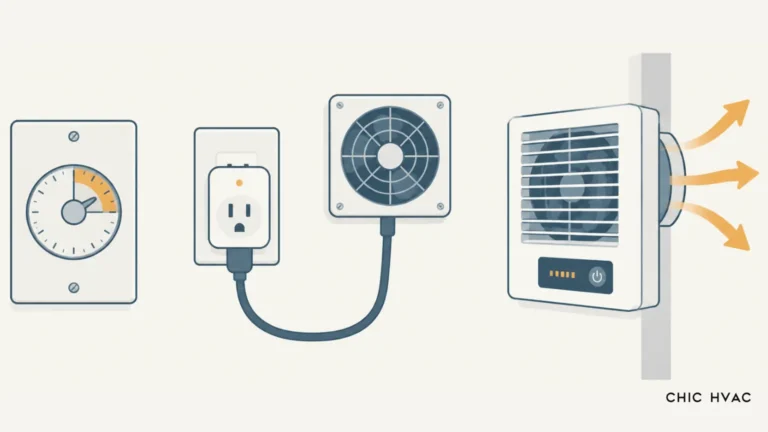
Quando le finestre non sono sufficienti, si aggiungono ventilatori meccanici:
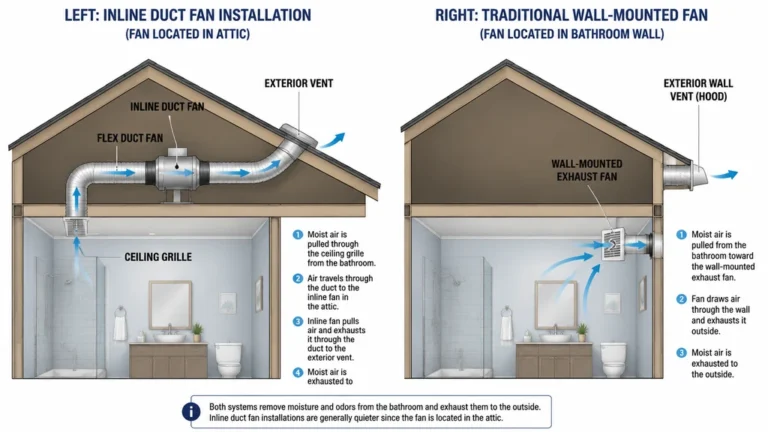
Ventilatori di estrazione estraggono l'aria viziata; l'aria fresca entra tramite bocchette di presa o ventilatori.
Ventilatori di immissione immettono aria fresca filtrata; l'aria viziata fuoriesce attraverso percorsi di evacuazione.
Questa configurazione è semplice ed economica e garantisce un reale apporto di aria fresca. Tuttavia, senza recupero di calore, l'aria espulsa è aria precedentemente climatizzata: in inverno si espelle aria riscaldata all'esterno, aumentando la spesa energetica e creando correnti fredde se l'aria di rinnovo non è pretrattata.
Livello 3: Ventilazione bilanciata con recupero di calore
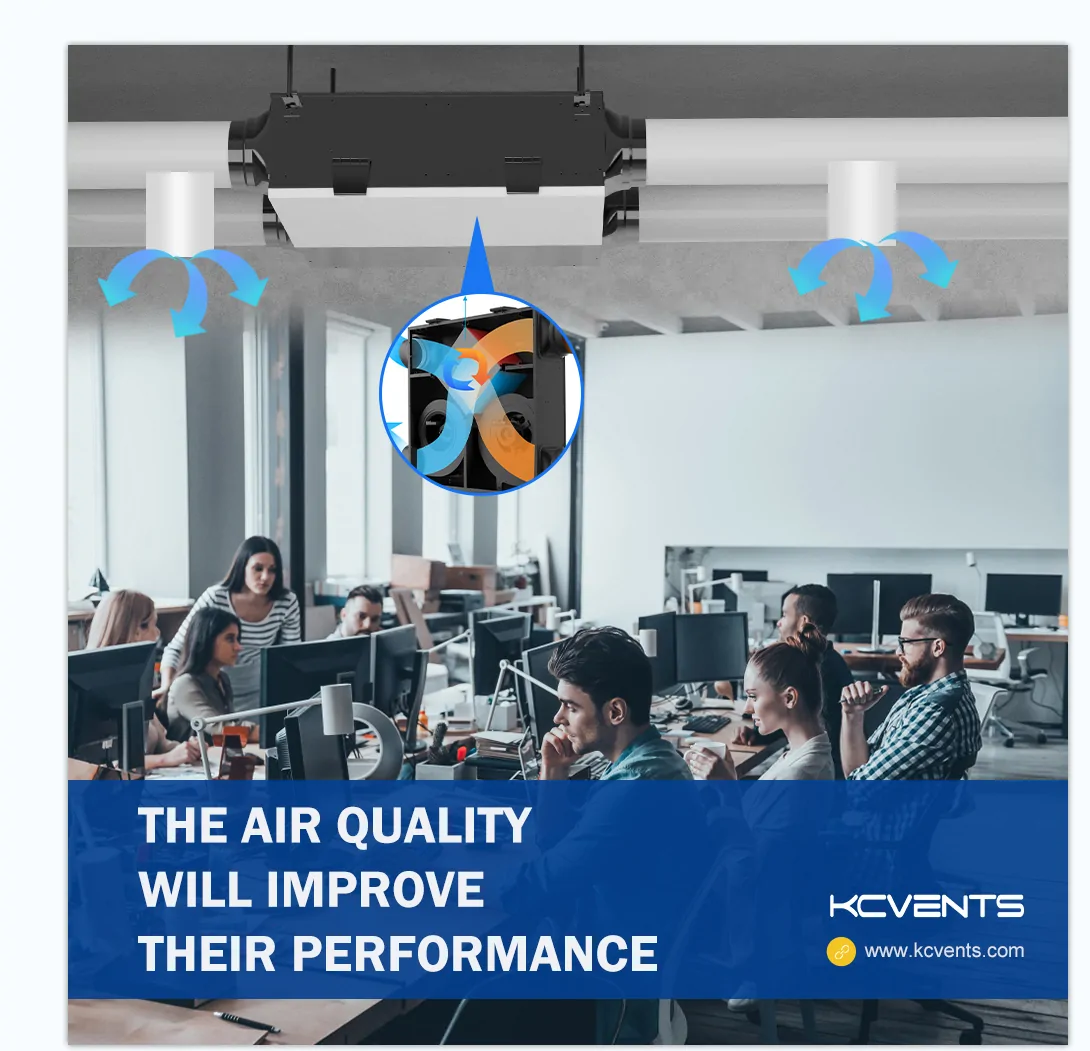
La soluzione duratura e ottimale per gli uffici è un impianto di ventilazione bilanciata con recupero di calore (un'unità HRV, o ERV dove il controllo dell'umidità è rilevante):
Un ventilatore di immissione introduce aria fresca filtrata.
Un ventilatore di estrazione espelle l'aria viziata a una portata bilanciata.
Un pacco di recupero calore trasferisce calore tra i due flussi, in modo che l'aria di rinnovo arrivi pre-trattata — senza correnti gelide, surriscaldamento o sprechi energetici.
Questo è il sistema descritto dalle linee guida di progettazione per la ventilazione commerciale. Negli uffici, un ERV/HRV commerciale gestisce l'apporto di aria esterna mentre l'impianto HVAC esistente controlla la temperatura — i due sistemi lavorano in sinergia, non in contrasto.
Quadro d'insieme
Situazione dell'ufficio
Approccio consigliato
Clima mite, finestre apribili
Ventilazione naturale trasversale + monitor CO₂
Budget limitato, temperatura dell'aria fissa
Estrattori d'aria + immissione filtrata, accettando i costi energetici
Ufficio sigillato, comfort ed efficienza energetica prioritari
HRV/ERV bilanciato con recupero di calore
Elevata concentrazione di CO₂ in ambienti specifici
Controllo a richiesta (DCV) — aumento della ventilazione dove la CO₂ è elevata
Misure pratiche indipendentemente dal sistema:
Misurare la CO₂ nei locali più critici — i dati concreti superano le ipotesi.
Mantenere la ventilazione attiva durante le ore di presenza e avviarla prima dei picchi di occupazione.
Manutenzione dei filtri — un filtro intasato riduce silenziosamente l'immissione di aria di rinnovo (vedere i nostri guida alla manutenzione).
Non limitarsi al solo ricircolo — se il sistema è impostato solo in modalità di ricircolo, sposta la CO₂ nell'ambiente senza rimuoverla.
Frequently Asked Questions
D: Di quanta aria di rinnovo ha bisogno un ufficio? R: Le normative sulla ventilazione (ad es. ASHRAE 62.1) determinano la portata di aria esterna in base all'occupazione e alla superficie. La verifica pratica si effettua con un monitor di CO₂: se la CO₂ raggiunge livelli elevati, la portata di aria di rinnovo è insufficiente per il numero di occupanti.
D: Aprire una finestra è sufficiente per garantire aria di rinnovo in un ufficio? R: A volte con clima mite, ma non in modo costante. Le finestre introducono aria non filtrata e non trattata, dipendono dalle condizioni meteo e dal rumore esterno e, nelle stagioni calde o fredde, contrastano l'efficienza dell'impianto HVAC. L'immissione meccanica di aria di rinnovo è la soluzione affidabile e costante.
D: Qual è il modo migliore per immettere aria di rinnovo in un ufficio senza dispersioni di riscaldamento o raffrescamento? R: Un sistema di ventilazione bilanciata con recupero di calore (HRV/ERV) immette aria di rinnovo filtrata e recupera calore dall'aria espulsa, facendo sì che l'aria esterna venga introdotta a una temperatura prossima a quella ambiente. Questo è l'approccio adottato nei nostri commercial ventilation playbook.
D: Un purificatore d'aria può sostituire la ventilazione con aria di rinnovo in un ufficio? R: No. Un purificatore d'aria filtra l'aria già presente nell'ambiente; non introduce aria esterna di rinnovo né elimina la CO₂. È consigliabile utilizzare la ventilazione meccanica per il ricambio d'aria e il purificatore solo come supporto per la filtrazione del particolato.
D: Perché l'aria in ufficio diventa viziata a metà pomeriggio? R: La CO₂ e gli inquinanti si accumulano quando l'immissione di aria di rinnovo è inferiore al fabbisogno reale dell'occupazione. Verificare la portata di ventilazione e i livelli di CO₂; la soluzione consiste nell'aumentare l'apporto di aria esterna, non nell'aumentare il raffrescamento.
D: Come dimensionare l'impianto di ventilazione con aria di rinnovo per un ufficio? R: Si calcola la portata di aria esterna in base all'occupazione e alla superficie secondo le normative, per poi abbinare la portata dell'unità alla pressione statica di esercizio. Il controllo su richiesta (CO₂) consente quindi di far funzionare l'impianto alla portata effettivamente necessaria per l'ufficio.
Migliorare la qualità dell'aria negli uffici? KCvents produce unità commerciali di recupero energetico, ventilatori da condotto inline e sistemi di aria di rinnovo per uffici ed edifici commerciali, per progetti all'ingrosso, OEM e private-label. Richiedi un preventivo con superficie, occupazione e requisiti di ventilazione.
Aggiornamenti Newsletter
Inserisci il tuo indirizzo email qui sotto e iscriviti alla nostra newsletter