We use cookies to ensure that we give you the best experience on our website.
Stay Updated with KCVENTS Ventilation & HVAC Solutions
Subscribe to our newsletter for the latest airflow engineering insights, energy-efficient ERV/HRV system updates, and eco-friendly HVAC solutions.
Be the first to receive exclusive technical guides, custom OEM/ODM capabilities, and global exhibition news directly from KCVENTS.
Filter Box for HVAC Air Filtration: Applications, Selection, and Maintenance
How a filter box works, the three filter stages (pre-filter, HEPA, activated carbon), where it fits in an HVAC or ventilation system, how to select one, and how to maintain it.
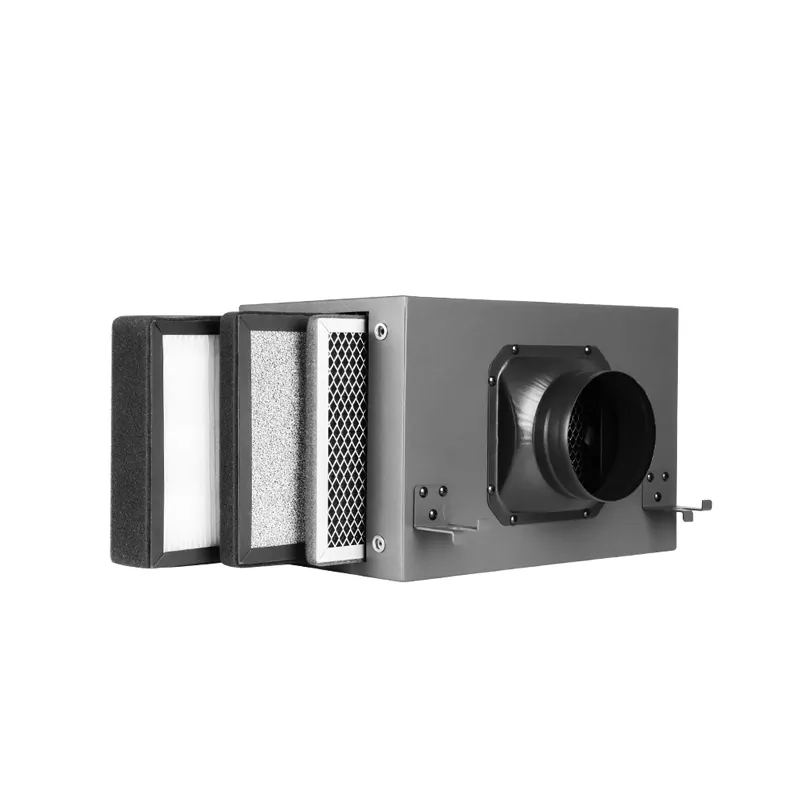
A filter box is a housing that holds an air filter in an HVAC or ventilation system, so the air passing through is cleaned before it reaches the room — or before it reaches sensitive equipment. A typical filter box combines a pre-filter, a fine filter (such as HEPA), and sometimes an activated carbon stage, so it can handle both particles and odors. This guide explains how a filter box works, where it fits in a system, how to select one, and how to maintain it.
Why a Filter Box Matters in HVAC and Ventilation
The main job of a filter box is to give the filter a sealed, correctly sized home in the airstream. Without a proper housing, air leaks around the filter, unfiltered air bypasses the media, and the filter does not work as rated.
According to the U.S. EPA, people spend about 90% of their time indoors, and concentrations of some indoor pollutants can be two to five times higher than outdoor levels. Source: U.S. EPA, The Inside Story: A Guide to Indoor Air Quality. Ventilation supplies outdoor air, but the air still needs filtration before it enters occupied spaces — that is where a filter box with the right filter media fits in.
A filter box does three jobs in an HVAC system:
Improves indoor air quality. It captures airborne particles such as dust, pollen, and allergens as the air moves through the system.
Protects equipment. Without filtration, dust and debris accumulate on coils, fans, and heat exchangers, reducing heat transfer and shortening equipment life.
Keeps the system efficient. A clean, correctly seated filter maintains airflow; a clogged or bypassing filter raises resistance and increases energy use.
The important boundary: a filter box cleans the air that passes through it. It is not a substitute for source control or for outdoor-air ventilation, and it does not remove every pollutant. It should be part of a complete ventilation design, not a standalone fix.
How a Filter Box Works: The Three Filter Stages
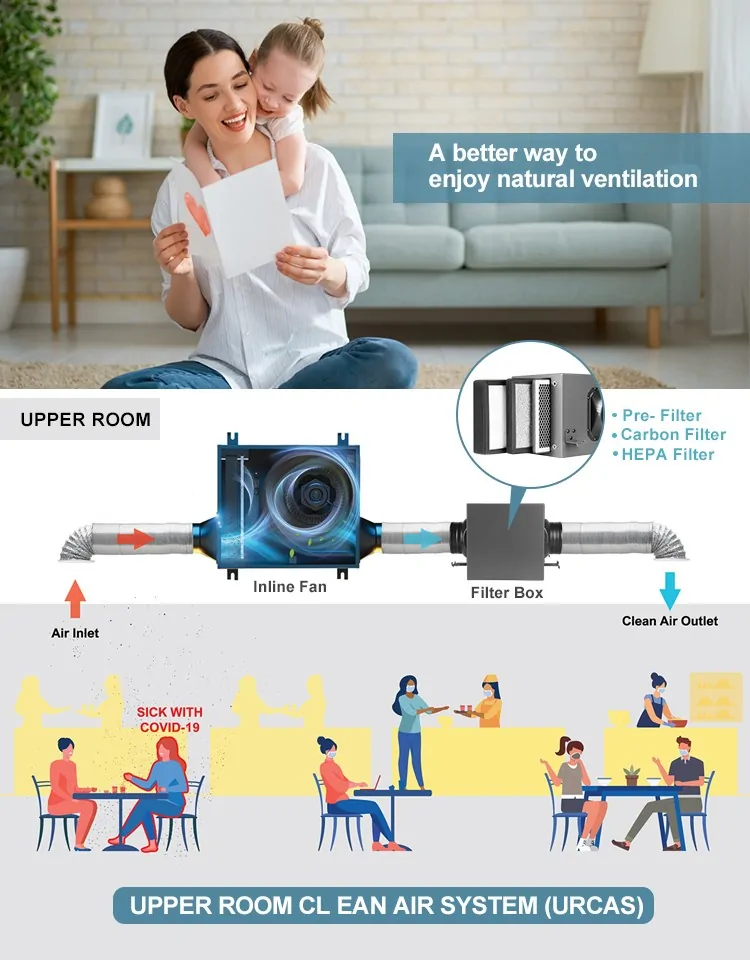
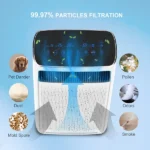
Many filter boxes are built as a 3-layer filtration system, with each stage doing a different job:
Stage
What it removes
Typical media
Replacement
Pre-filter
Large particles: dust, hair, lint
Coarse synthetic or mesh media
Every 1–3 months, or when visibly loaded
Fine filter (HEPA)
Fine particles: PM2.5, pollen, allergens
HEPA or fine pleated media
Every 6–12 months, per manufacturer
Activated carbon
Gases and odors: VOCs, cooking and plant odors
Activated carbon bed
Every 6–12 months, when odor breaks through
Pre-filter is the first line of defense. It protects the finer stages behind it, so the expensive HEPA and carbon media last longer.
HEPA filter captures fine particles. Note that HEPA removes particles, not gases — see the difference between carbon and HEPA below.
Activated carbon adsorbs gases and odors. It does not remove particles, and it cannot be washed and reused once saturated.
Because the three stages do different jobs, a filter box that stages them in series gives broader coverage than any single filter.
Activated Carbon vs HEPA in a Filter Box
A common confusion is thinking “more filters is better” without knowing what each filter does.
Capability
Activated carbon
HEPA
Removes particles (dust, PM2.5, pollen)
No
Yes
Removes gases and odors
Yes (many VOCs and odors)
No
آلية العمل
الامتزاز على سطح الكربون
الاعتراض الميكانيكي
قابل للغسيل وإعادة الاستخدام
No
لا (استبدال فقط)
مقاومة تدفق الهواء
معتدلة، وترتفع مع تشبعه
مرتفعة، وترتفع مع امتلائه
بالنسبة لمعظم المساحات، ستحتاج إلى كليهما: فلتر أولي وفلتر HEPA للجسيمات، بالإضافة إلى الكربون إذا كان لديك مصادر للروائح أو الغازات (المطابخ، الحيوانات الأليفة، غرف الزراعة، تخزين المواد الكيميائية). يجمع صندوق الفلتر المكون من 3 طبقات بينها جميعًا في هيكل واحد. راجع دليلنا activated carbon filter guide لمعرفة كيفية عمل الامتزاز الكربوني وموعد استبدال مرحلة الكربون.
Where a Filter Box Fits in a Ventilation System
يمكن تركيب صندوق الفلتر في عدة مواضع، وذلك حسب الهدف:
عند مأخذ الهواء النقي — يقوم بتنقية الهواء الخارجي قبل دخوله إلى الغرفة؛ وهو الموضع الأكثر شيوعًا في أنظمة التهوية.
في مجرى هواء التغذية — ينقي الهواء مباشرة قبل شبكة التغذية.
قبل المعدات الحساسة — يحمي الملفات والمراوح والمبادلات الحرارية من الغبار والشوائب.
على مسار العادم — مع مرحلة الكربون المنشط، يعالج الروائح قبل تفريغ الهواء (مثل غرف الزراعة والمطابخ).
التطبيقات النموذجية لصندوق الفلتر:
أنظمة تهوية الهواء النقي للمنازل والمكاتب والفصول الدراسية.
أنظمة التدفئة والتهوية وتكييف الهواء (HVAC) التي يُخشى فيها من اتساخ الملفات.
المطابخ ومناطق إعداد الطعام حيث تتطلب روائح الطهي مرحلة كربونية.
غرف الزراعة والزراعة في البيئات الخاضعة للرقابة (CEA) حيث يتم التحكم في كل من الجسيمات والروائح.
أي مساحة تكون فيها جودة الهواء الخارجي رديئة (الجسيمات المعلقة PM2.5، حبوب اللقاح، الدخان).
How to Select a Filter Box
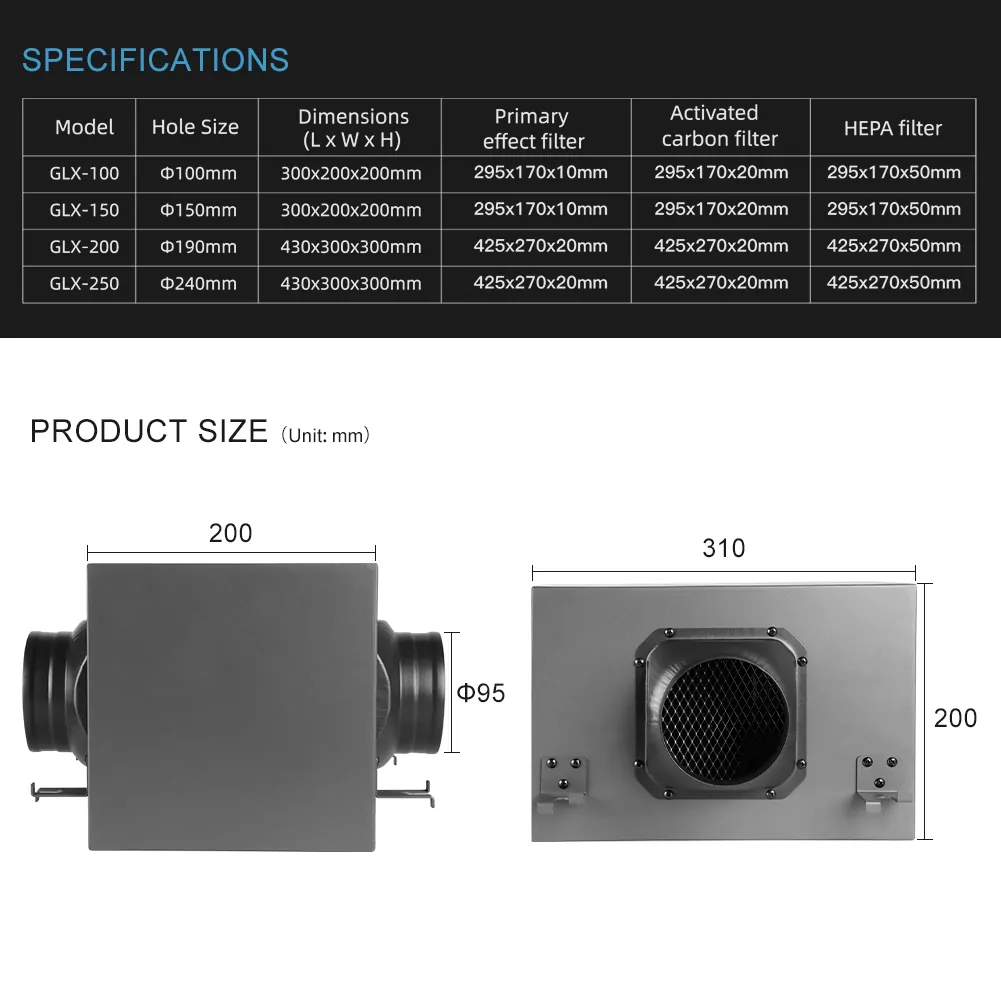
يعتمد الاختيار على مطابقة صندوق الفلتر مع تدفق الهواء، ومجرى الهواء، ونوع التلوث:
مطابقة مجرى الهواء وتدفق الهواء. يجب أن تتطابق فتحة صندوق الفلتر مع مقاس مجرى الهواء لديك (مثل 100 مم، 125 مم، 150 مم، 200 مم) ومع تدفق هواء المروحة. إن استخدام صندوق فلتر مصنف لتدفق هواء أقل من تدفق المروحة يضيف مقاومة مفرطة.
التحقق من هبوط الضغط. تضيف كل مرحلة فلترة ضغطًا استاتيكيًا. استخدم بيانات هبوط الضغط للفلتر عند معدل التدفق التشغيلي لديك، واختر مروحة ذات سعة ضغط كافية.
اختيار مراحل الفلترة المطلوبة. الجسيمات فقط ← فلتر أولي + HEPA. الجسيمات + الروائح ← أضف مرحلة الكربون. لا تدفع مقابل مراحل لا تحتاج إليها.
التحقق من الإحكام. لا يعمل صندوق الفلتر بكفاءة إلا إذا كان الفلتر محكم الغلق داخله. ابحث عن إطار أو جوان إحكام مناسب يمنع تسرب تدفق الهواء الجانبي.
التأكد من سهولة الوصول لأغراض الصيانة. يجب أن يفتح الصندوق بسهولة لتغيير الفلاتر — فالفلتر الذي يتعذر الوصول إليه هو فلتر لن يتم تغييره أبدًا.
التحقق بموجب ورقة البيانات الفنية للمنتج. استخدم فقط المواصفات المعتمدة (تدفق الهواء، فئة الفلتر، هبوط الضغط، الأبعاد) من بيانات المنتج الحالية.
قائمة التحقق لاختيار صندوق الفلتر
[ ] مقاس مجرى الهواء وتوصيلاته متطابقة مع المروحة ومجاري الهواء.
[ ] تدفق الهواء عند الضغط الاستاتيكي التشغيلي كافٍ للمساحة.
[ ] مراحل الفلترة تغطي الملوثات الفعلية (الجسيمات أو الروائح أو كليهما).
س: هل يعمل صندوق الفلاتر على تحسين جودة الهواء الداخلي؟ ج: يعمل صندوق الفلاتر على إزالة الجسيمات (ومع مرحلة الكربون، بعض الغازات والروائح) من الهواء المار عبره. وهو جزء أساسي من منظومة جودة الهواء الداخلي — إلى جانب التهوية، والتحكم في المصدر، والتحكم في الرطوبة.
س: ما الفرق بين صندوق الفلاتر وجهاز تنقية الهواء؟ ج: صندوق الفلاتر هو أحد مكونات نظام التدفئة والتهوية وتكييف الهواء (HVAC) أو نظام التهوية، ويُركّب داخل مجرى الهواء (الدكت) أو عند مدخل الهواء لتنقيته أثناء تدفقه. أما جهاز تنقية الهواء فهو وحدة قائمة بذاتها تعمل على إعادة تدوير وتنقية هواء الغرفة. تستخدم العديد من المباني كلا النظامين معًا.
س: هل أحتاج إلى فلتر HEPA أم فلتر كربون منشط؟ ج: يعتمد ذلك على نوع الملوثات؛ ففلتر HEPA يزيل الجسيمات الدقيقة، بينما يزيل الكربون الغازات والروائح. إذا كنت بحاجة لمعالجة الأمرين معًا (على سبيل المثال: الغبار بالإضافة إلى روائح الطهي أو النباتات)، فاستخدم كلاهما داخل صندوق فلاتر متعدد المراحل.
س: كم مرة يجب تغيير الفلتر في صندوق الفلاتر؟ ج: تُستبدل الفلاتر الأولية (Pre-filters) عادةً كل 1–3 أشهر، وفلاتر التنقية الدقيقة/HEPA كل 6–12 شهرًا، والكربون عند نفاذ الروائح. يعتمد الفاصل الزمني الدقيق على بيئة التشغيل — يُرجى الفحص بانتظام واتباع تعليمات الشركة المصنعة.
س: هل يمكن لصندوق الفلاتر أن يحل محل التهوية؟ ج: لا. يعمل صندوق الفلاتر على تنقية الهواء المار عبره فقط، ولا يمد المبنى بهواء نقي متجدد أو يطرد الهواء المستهلك. التهوية والفلترة عمليتان متكاملتان وليستا بديلتين لبعضهما.
س: هل يحمي صندوق الفلاتر معدات الـ HVAC؟ ج: نعم. من خلال التقاط الغبار والشوائب قبل وصولها إلى الملفات (coils)، والمراوح، والمبادلات الحرارية، تقلل الفلترة من اتساخ الملفات، وتحافظ على كفاءة نقل الحرارة، وتطيل العمر التشغيلي للمعدات.
مروحة مجاري هواء مدمجة — شريك تدفق الهواء المثالي لصندوق الفلاتر المركب على مجاري الهواء
هل تحتاج إلى صندوق فلاتر لمشروع التدفئة والتهوية وتكييف الهواء (HVAC) أو التهوية الخاص بك؟ تصنع KCvents صناديق الفلاتر، ومراوح مجاري الهواء (duct fans)، وأنظمة الهواء النقي لعملاء الجملة، ومصنعي المعدات الأصلية (OEM)، والعلامات التجارية الخاصة. Request a quote مع تزويدنا بمعدل تدفق الهواء، وحجم مجرى الهواء، ومتطلبات الفلترة لديكم.
Newsletter Updates
Enter your email address below and subscribe to our newsletter