Filter Box for HVAC Air Filtration: Applications, Selection, and Maintenance
In This Guide
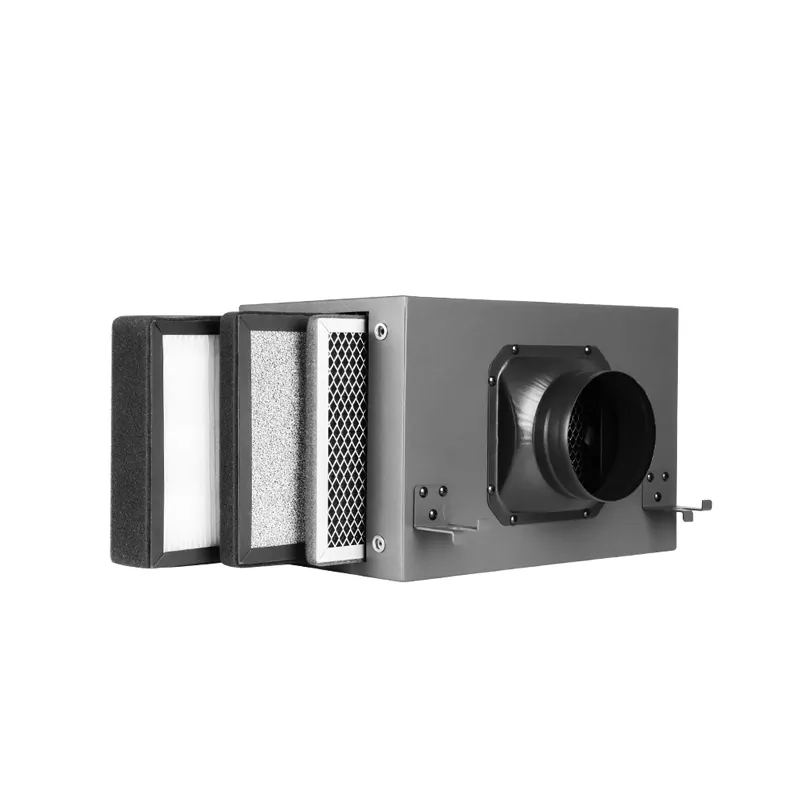
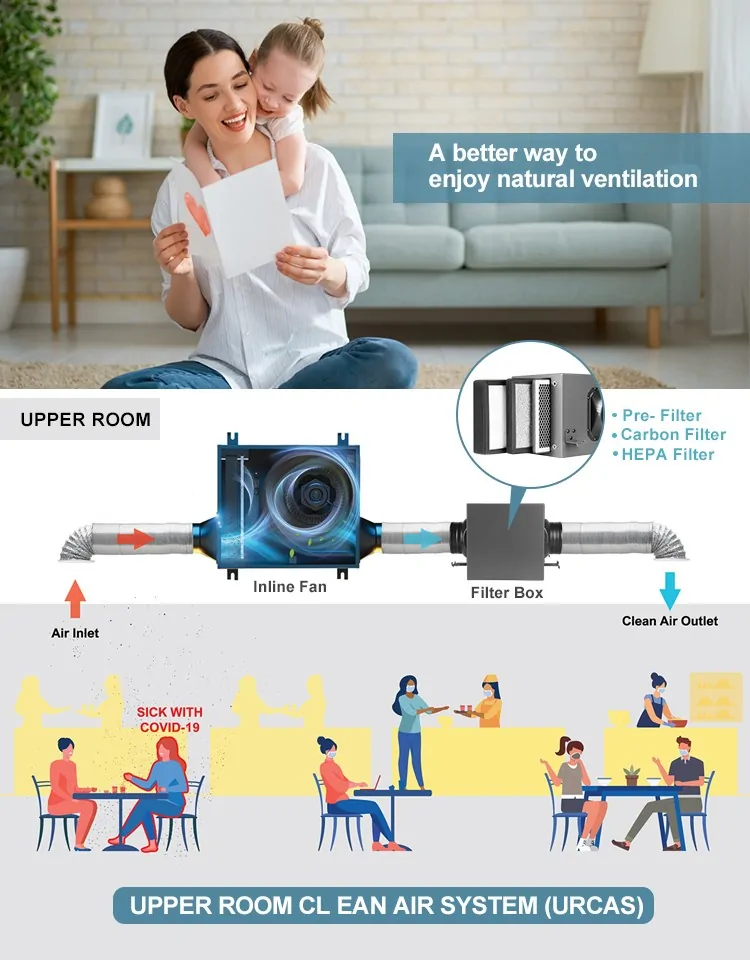
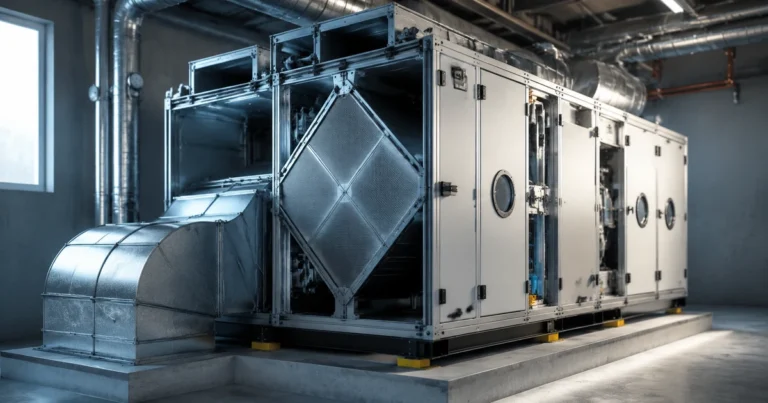
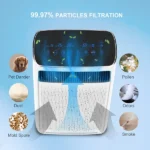
กล่องกรองอากาศ (Filter Box) คือโครงสร้างตัวเรือนสำหรับติดตั้งแผ่นกรองอากาศในระบบ HVAC หรือระบบระบายอากาศ เพื่อทำความสะอาดอากาศที่ไหลผ่านก่อนส่งเข้าสู่พื้นที่ใช้งาน หรือก่อนเข้าสู่อุปกรณ์สำคัญที่มีความละเอียดอ่อน กล่องกรองอากาศทั่วไปมักผสานการทำงานร่วมกันระหว่างแผ่นกรองหยาบ (Pre-filter), แผ่นกรองละเอียด (เช่น HEPA) และในบางครั้งอาจมีชั้นคาร์บอนกัมมันต์ (Activated Carbon) เพื่อรองรับการดักจับทั้งฝุ่นละอองและกลิ่นไม่พึงประสงค์ คู่มือนี้จะอธิบายถึงหลักการทำงาน ตำแหน่งการติดตั้งในระบบ แนวทางการเลือกใช้งาน ตลอดจนการบำรุงรักษากล่องกรองอากาศ.
เหตุใดกล่องกรองอากาศ (Filter Box) จึงมีความสำคัญในระบบ HVAC และระบบระบายอากาศ
หน้าที่หลักของกล่องกรองอากาศคือการจัดเตรียมโครงสร้างที่มิดชิดและมีขนาดที่เหมาะสมสำหรับแผ่นกรองในทิศทางลม หากไม่มีตัวเรือนที่ได้มาตรฐาน อากาศอาจรั่วไหลรอบแผ่นกรอง ทำให้มีอากาศที่ไม่ผ่านการกรองบายพาส (Bypass) เล็ดลอดออกไป ส่งผลให้แผ่นกรองไม่สามารถทำงานได้เต็มประสิทธิภาพตามพิกัด.
จากข้อมูลของ U.S. EPA พบว่าผู้คนใช้เวลาประมาณ 90% อยู่ภายในอาคาร และความเข้มข้นของมลพิษภายในอาคารบางชนิดอาจสูงกว่าระดับภายนอกอาคารถึง 2 ถึง 5 เท่า. ที่มา: U.S. EPA, The Inside Story: A Guide to Indoor Air Quality . แม้ระบบระบายอากาศจะทำหน้าที่เติมอากาศบริสุทธิ์จากภายนอก แต่อากาศดังกล่าวจำเป็นต้องผ่านการกรองก่อนเข้าสู่พื้นที่ใช้งานอาคาร ซึ่งกล่องกรองอากาศที่ติดตั้งวัสดุกรองที่เหมาะสมจะเข้ามาทำหน้าที่สำคัญในส่วนนี้.
กล่องกรองอากาศทำหน้าที่สำคัญ 3 ประการในระบบ HVAC:
ยกระดับคุณภาพอากาศภายในอาคาร (IAQ). ดักจับอนุภาคในอากาศ เช่น ฝุ่นละออง ละอองเกสร และสารก่อภูมิแพ้ ขณะที่อากาศไหลเวียนผ่านระบบ.ปกป้องอุปกรณ์ในระบบ. หากไม่มีการกรองอากาศ ฝุ่นและสิ่งสกปรกจะสะสมบนคอยล์ พัดลม และอุปกรณ์แลกเปลี่ยนความร้อน ส่งผลให้ประสิทธิภาพการถ่ายเทความร้อนลดลง และทำให้อายุการใช้งานของอุปกรณ์สั้นลง.รักษาประสิทธิภาพการทำงานของระบบ. แผ่นกรองที่สะอาดและติดตั้งอย่างแนบสนิทจะรักษาอัตราการไหลของอากาศได้อย่างคงที่ ในขณะที่แผ่นกรองที่อุดตันหรือมีอากาศบายพาสจะเพิ่มแรงต้านทานลมและทำให้สิ้นเปลืองพลังงานมากขึ้น.ข้อจำกัดสำคัญ: กล่องกรองอากาศจะทำความสะอาดเฉพาะอากาศที่ไหลผ่านเท่านั้น จึงไม่สามารถใช้ทดแทนการควบคุมที่แหล่งกำเนิดมลพิษหรือการระบายอากาศบริสุทธิ์จากภายนอกได้ และไม่สามารถกำจัดมลพิษได้ทุกประเภท ดังนั้น จึงควรเป็นส่วนหนึ่งของการออกแบบระบบระบายอากาศแบบครบวงจร ไม่ใช่การแก้ปัญหาแบบเดี่ยวๆ.
กลไกการทำงานของกล่องกรองอากาศ: การกรอง 3 ขั้นตอน
กล่องกรองอากาศจำนวนมากได้รับการออกแบบให้เป็นระบบกรอง 3 ชั้น โดยแต่ละขั้นตอนจะทำหน้าที่แตกต่างกัน:
ขั้นตอน สิ่งที่กำจัด ชนิดวัสดุกรองทั่วไป รอบการเปลี่ยน แผ่นกรองขั้นต้น (Pre-filter) อนุภาคขนาดใหญ่: ฝุ่น เส้นผม ขุยผ้า แผ่นกรองใยสังเคราะห์แบบหยาบหรือแผ่นตะแกรง ทุก 1–3 เดือน หรือเมื่อสังเกตเห็นการสะสมของฝุ่นหนาแน่น แผ่นกรองละเอียด (HEPA) อนุภาคขนาดเล็ก: PM2.5 ละอองเกสร สารก่อภูมิแพ้ HEPA หรือแผ่นกรองจีบละเอียด ทุก 6–12 เดือน ตามคำแนะนำของผู้ผลิต คาร์บอนกัมมันต์ (Activated carbon) ก๊าซและกลิ่น: สาร VOCs กลิ่นจากการปรุงอาหาร และกลิ่นพืช ชั้นคาร์บอนกัมมันต์ (Activated carbon bed) ทุก 6–12 เดือน เมื่อเริ่มมีกลิ่นเล็ดลอดออกมา
แผ่นกรองขั้นต้น (Pre-filter) เป็นด่านแรกของการป้องกัน ทำหน้าที่ปกป้องชั้นกรองที่มีความละเอียดสูงกว่าที่อยู่ถัดไป ช่วยยืดอายุการใช้งานของแผ่นกรอง HEPA และคาร์บอนที่มีราคาสูง.แผ่นกรอง HEPA ทำหน้าที่ดักจับอนุภาคขนาดเล็ก โปรดทราบว่า HEPA กำจัดเฉพาะอนุภาคฝุ่นละออง ไม่สามารถกำจัดก๊าซได้ — ดูรายละเอียดความแตกต่างระหว่างคาร์บอนและ HEPA ด้านล่าง.คาร์บอนกัมมันต์ (Activated carbon) ทำหน้าที่ดูดซับก๊าซและกลิ่น ไม่สามารถกำจัดฝุ่นละอองได้ และไม่สามารถนำไปล้างทำความสะอาดเพื่อนำกลับมาใช้ใหม่ได้เมื่ออิ่มตัวแล้ว.เนื่องจากขั้นตอนทั้งสามมีหน้าที่การทำงานที่แตกต่างกัน กล่องกรองอากาศที่จัดเรียงฟิลเตอร์แบบอนุกรมจึงให้ประสิทธิภาพการกรองที่ครอบคลุมมากกว่าแผ่นกรองเดี่ยวเพียงชั้นเดียว.
ข้อแตกต่างระหว่าง Activated Carbon กับ HEPA ในกล่องกรองอากาศ
ความเข้าใจผิดที่พบบ่อยคือการคิดว่า “ยิ่งมีฟิลเตอร์มากเท่าใดก็ยิ่งดี” โดยไม่ทราบว่าแผ่นกรองแต่ละชนิดทำหน้าที่อะไร.
ขีดความสามารถ คาร์บอนกัมมันต์ (Activated carbon) HEPA กำจัดอนุภาค (ฝุ่น, PM2.5, ละอองเกสร) No Yes กำจัดก๊าซและกลิ่น ใช่ (สาร VOCs และกลิ่นหลากหลายชนิด) No กลไกการทำงาน การดูดซับบนพื้นผิวคาร์บอน การดักจับเชิงกล สามารถล้างทำความสะอาดและนำกลับมาใช้ใหม่ได้ No ไม่ได้ (เปลี่ยนใหม่เท่านั้น) ความต้านทานการไหลของอากาศ (Airflow resistance) ปานกลาง และเพิ่มขึ้นตามการอิ่มตัว สูง และเพิ่มขึ้นตามปริมาณฝุ่นสะสม
สำหรับพื้นที่ส่วนใหญ่ คุณจำเป็นต้องใช้ทั้งสองประเภท: แผ่นกรองหยาบ (Pre-filter) และ HEPA สำหรับอนุภาคฝุ่น พร้อมทั้งแผ่นกรองคาร์บอนหากมีแหล่งกำเนิดกลิ่นหรือก๊าซ (ห้องครัว, สัตว์เลี้ยง, ห้องปลูกพืช, ห้องเก็บสารเคมี) โดยกล่องกรองอากาศแบบ 3 ชั้น (3-layer filter box) รวมขั้นตอนเหล่านี้ไว้ในโครงเดียว ดูข้อมูลเพิ่มเติมที่ activated carbon filter guide สำหรับหลักการดูดซับของคาร์บอนและระยะเวลาที่ควรเปลี่ยนชั้นกรองคาร์บอน.
ตำแหน่งการติดตั้งกล่องกรองอากาศในระบบระบายอากาศ
กล่องกรองอากาศสามารถติดตั้งได้หลายตำแหน่ง ขึ้นอยู่กับวัตถุประสงค์การใช้งาน:
บริเวณช่องรับอากาศบริสุทธิ์ (Fresh-air intake) — กรองอากาศภายนอกก่อนเข้าสู่ห้อง ซึ่งเป็นตำแหน่งที่พบบ่อยที่สุดสำหรับระบบระบายอากาศ.ภายในท่อส่งลม (Supply duct) — ฟอกอากาศให้สะอาดก่อนจ่ายออกทางหน้ากากลมส่ง (Supply grille).ด้านหน้าอุปกรณ์ที่ต้องการการปกป้องเป็นพิเศษ — ปกป้องคอยล์ พัดลม และอุปกรณ์แลกเปลี่ยนความร้อน (Heat exchangers) จากฝุ่นและสิ่งสกปรก.บริเวณทางเดินลมดูด/ลมเสีย (Exhaust path) — ใช้ชั้นกรองถ่านกัมมันต์ (Activated carbon) เพื่อบำบัดกลิ่นก่อนปล่อยอากาศออกสู่ภายนอก (เช่น ห้องปลูกพืช, ห้องครัว).การใช้งานทั่วไปสำหรับกล่องกรองอากาศ:
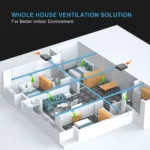
ระบบระบายอากาศและเติมอากาศบริสุทธิ์สำหรับบ้านพักอาศัย สำนักงาน และห้องเรียน. ระบบ HVAC ที่มีความเสี่ยงต่อการสะสมของสิ่งสกปรกบนคอยล์ (Coil fouling). ห้องครัวและพื้นที่ประกอบอาหารที่จำเป็นต้องใช้ชั้นกรองคาร์บอนเพื่อกำจัดกลิ่น. ห้องปลูกพืชและโรงเรือนเกษตรกรรมแบบควบคุมสภาพแวดล้อม (CEA) ที่ต้องควบคุมทั้งอนุภาคฝุ่นและกลิ่น. พื้นที่ใดๆ ที่คุณภาพอากาศภายนอกอยู่ในระดับต่ำ (PM2.5, ละอองเกสร, ควัน). วิธีการเลือกกล่องกรองอากาศ
การเลือกใช้งานคือการจับคู่กล่องกรองอากาศให้เหมาะสมกับปริมาณลม ขนาดท่อลม และสารปนเปื้อน:
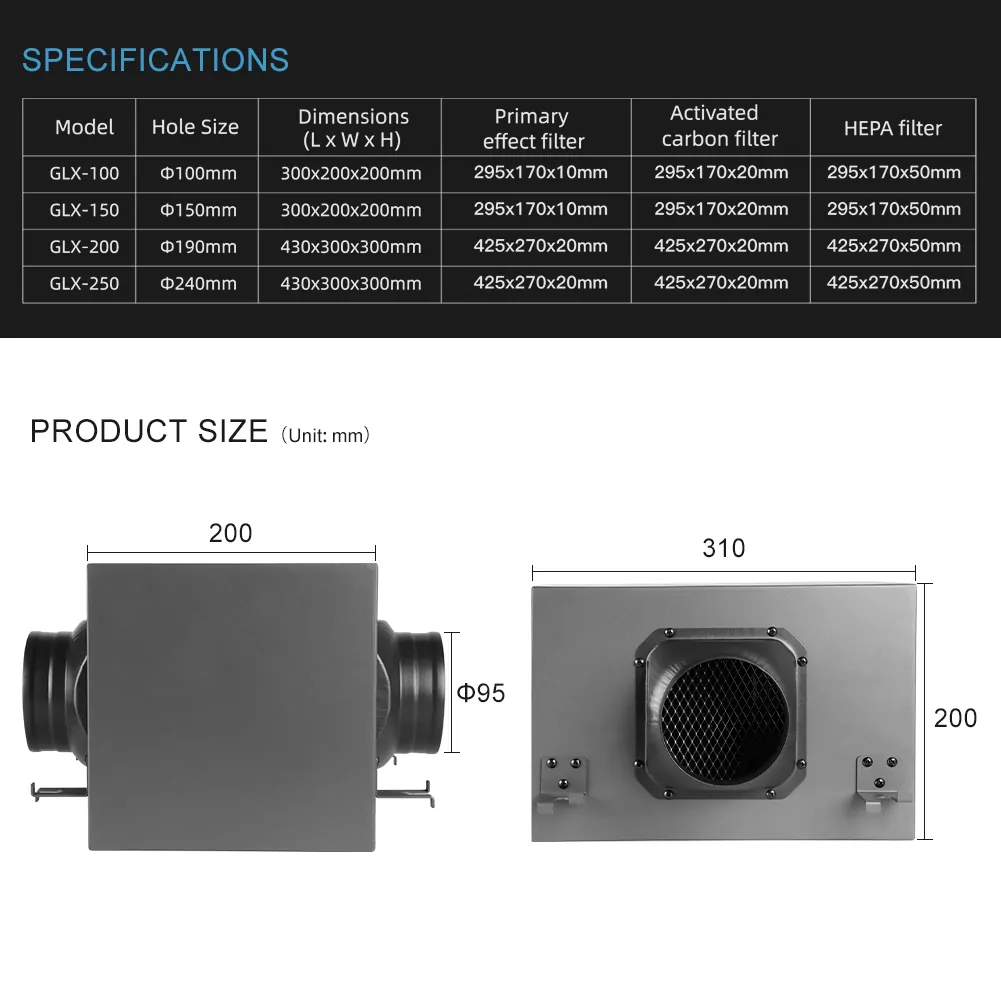
เลือกให้ตรงกับขนาดท่อลมและปริมาณลม. ขนาดช่องต่อของกล่องกรองอากาศต้องตรงกับขนาดท่อลมของคุณ (เช่น 100 mm, 125 mm, 150 mm, 200 mm) และปริมาณลมของพัดลม หากกล่องกรองอากาศมีพิกัดปริมาณลมต่ำกว่าพัดลม จะส่งผลให้เกิดแรงต้านทานในระบบสูงเกินไป.ตรวจสอบค่าความดันตกคร่อม (Pressure drop). แผ่นกรองแต่ละชั้นจะเพิ่มแรงดันสถิต (Static pressure) โปรดใช้ข้อมูลแรงดันตกคร่อม (Pressure drop) ของแผ่นกรองที่ปริมาณลมใช้งานจริง และเลือกพัดลมที่มีแรงดันเพียงพอ.เลือกระดับชั้นการกรองที่คุณต้องการ. อนุภาคฝุ่นเท่านั้น → แผ่นกรองหยาบ (Pre-filter) + HEPA, อนุภาคฝุ่น + กลิ่น → เพิ่มชั้นกรองคาร์บอน, ไม่จำเป็นต้องจ่ายเงินเพิ่มสำหรับชั้นกรองที่คุณไม่ได้ใช้งาน.ตรวจสอบการซีลปิดผนึก. กล่องกรองอากาศจะมีประสิทธิภาพก็ต่อเมื่อแผ่นกรองถูกซีลปิดสนิทอยู่ภายใน ควรเลือกกล่องที่มีกรอบหรือปะเก็นที่เหมาะสมเพื่อป้องกันอากาศไหลลัดวงจร (Bypass airflow).ตรวจสอบช่องทางการเข้าถึงเพื่อการบำรุงรักษา. กล่องต้องเปิดได้ง่ายเพื่อเปลี่ยนแผ่นกรอง — แผ่นกรองที่ไม่สามารถเข้าถึงได้ คือแผ่นกรองที่จะไม่ได้รับการเปลี่ยนบำรุงรักษา.ตรวจสอบเทียบกับเอกสารข้อมูลทางเทคนิค (Datasheet). ใช้เฉพาะข้อกำหนดที่ผ่านการตรวจสอบแล้ว (ปริมาณลม, ระดับการกรอง, แรงดันตกคร่อม, ขนาดมิติ) จากข้อมูลผลิตภัณฑ์ปัจจุบัน.รายการตรวจสอบการเลือกกล่องกรองอากาศ
[ ] ขนาดท่อลมและการเชื่อมต่อตรงกับพัดลมและระบบท่อ. [ ] ปริมาณลมที่แรงดันสถิตใช้งานเพียงพอสำหรับพื้นที่. [ ] ขั้นตอนการกรองครอบคลุมสารปนเปื้อนจริง (ฝุ่นละออง, กลิ่น หรือทั้งสองอย่าง). [ ] มีวัสดุกรอง (Filter media) และอะไหล่ทดแทนพร้อมจำหน่ายในราคาที่เหมาะสม. [ ] โครงสร้างกล่องซีลปิดสนิทถูกต้องและเปิดเข้าถึงเพื่อบำรุงรักษาได้ง่าย. [ ] แรงดันตกคร่อมที่ปริมาณลมใช้งานอยู่ภายในขีดความสามารถของพัดลม. การบำรุงรักษากล่องกรองอากาศ
กล่องกรองอากาศจะทำงานได้เต็มประสิทธิภาพตามพิกัดก็ต่อเมื่อเปลี่ยนแผ่นกรองตามกำหนดเวลา:
แผ่นกรองหยาบ (Pre-filter): ตรวจสอบทุกเดือน; เปลี่ยนเมื่อเห็นว่าฝุ่นเกาะหนาแน่น (โดยทั่วไป 1–3 เดือน หรือนานกว่านั้นในสภาพแวดล้อมที่สะอาด).แผ่นกรอง HEPA / แผ่นกรองละเอียด (HEPA/fine filter): เปลี่ยนตามคำแนะนำของผู้ผลิต (โดยทั่วไป 6–12 เดือน) ห้ามล้างทำความสะอาดแผ่นกรอง HEPA โดยเด็ดขาด.แผ่นกรองถ่านกัมมันต์ (Activated carbon): เปลี่ยนใหม่เมื่อเริ่มมีกลิ่นเล็ดลอดออกมา (โดยทั่วไป 6–12 เดือน) การล้างไม่สามารถฟื้นฟูประสิทธิภาพการดูดซับได้.โครงเรือนและซีล: ตรวจสอบปะเก็นและกรอบโครงเป็นประจำทุกปี ซีลที่สึกหรอจะทำให้อากาศรั่วบายพาสได้.บันทึกวันที่บำรุงรักษา ในบันทึกประวัติ เพื่อให้คุณเห็นรอบระยะเวลาการเปลี่ยนไส้กรองที่แท้จริงสำหรับสภาพแวดล้อมของคุณ.สำหรับขั้นตอนการบำรุงรักษาฉบับเต็ม โปรดดูที่ คู่มือการบำรุงรักษาระบบระบายอากาศ .
Frequently Asked Questions
คำถาม: กล่องกรองอากาศ (Filter Box) ช่วยปรับปรุงคุณภาพอากาศภายในอาคารได้หรือไม่? คำตอบ: กล่องกรองอากาศจะดักจับอนุภาคฝุ่นละออง (และก๊าซรวมถึงกลิ่นไม่พึงประสงค์บางชนิดหากมีชั้นคาร์บอน) ออกจากอากาศที่ไหลผ่าน ซึ่งเป็นเพียงส่วนหนึ่งของการจัดการคุณภาพอากาศภายในอาคาร — การระบายอากาศ การควบคุมที่แหล่งกำเนิด และการควบคุมความชื้นก็มีความสำคัญเช่นกัน.
คำถาม: กล่องกรองอากาศ (Filter Box) กับเครื่องฟอกอากาศ (Air Purifier) แตกต่างกันอย่างไร? คำตอบ: กล่องกรองอากาศเป็นอุปกรณ์ส่วนหนึ่งของระบบ HVAC หรือระบบระบายอากาศ ซึ่งติดตั้งภายในท่อลมหรือช่องดึงอากาศเพื่อกรองอากาศขณะไหลผ่าน ส่วนเครื่องฟอกอากาศเป็นอุปกรณ์แบบตั้งเดี่ยวที่ทำหน้าที่หมุนเวียนและกรองอากาศภายในห้อง อาคารหลายแห่งจึงเลือกใช้งานควบคู่กันทั้งสองระบบ.
คำถาม: จำเป็นต้องใช้แผ่นกรอง HEPA หรือแผ่นกรอง Activated Carbon หรือไม่? คำตอบ: ขึ้นอยู่กับประเภทของสิ่งปนเปื้อน โดย HEPA จะดักจับอนุภาคฝุ่น ส่วนคาร์บอนจะดูดซับก๊าซและกลิ่น หากคุณมีความกังวลทั้งสองด้าน (เช่น ฝุ่นร่วมกับกลิ่นทำอาหารหรือกลิ่นพืช) ควรใช้ทั้งสองชนิดร่วมกันในกล่องกรองอากาศแบบหลายขั้นตอน (Multi-stage Filter Box).
คำถาม: ควรเปลี่ยนแผ่นกรองในกล่องกรองอากาศบ่อยแค่ไหน? คำตอบ: แผ่นกรองหยาบ (Pre-filter) โดยทั่วไปควรเปลี่ยนทุก 1–3 เดือน, แผ่นกรองละเอียด/HEPA ทุก 6–12 เดือน และแผ่นกรองคาร์บอนเมื่อเริ่มมีกลิ่นเล็ดลอดออกมา ทั้งนี้ ระยะเวลาที่เหมาะสมขึ้นอยู่กับสภาพแวดล้อมการใช้งาน — ควรตรวจสอบเป็นประจำและปฏิบัติตามคำแนะนำของผู้ผลิต.
คำถาม: กล่องกรองอากาศสามารถใช้ทดแทนระบบระบายอากาศได้หรือไม่? คำตอบ: ไม่ได้ กล่องกรองอากาศทำหน้าที่ทำความสะอาดอากาศที่ไหลผ่านเท่านั้น ไม่ได้เติมอากาศบริสุทธิ์จากภายนอกหรือระบายอากาศเสียออกไป การระบายอากาศและการกรองอากาศทำงานเสริมซึ่งกันและกัน ไม่สามารถใช้ทดแทนกันได้.
คำถาม: กล่องกรองอากาศช่วยปกป้องอุปกรณ์ HVAC หรือไม่? คำตอบ: ใช่ การดักจับฝุ่นและสิ่งสกปรกก่อนเข้าสู่คอยล์ พัดลม และอุปกรณ์แลกเปลี่ยนความร้อน จะช่วยลดการอุดตันของคอยล์ รักษาประสิทธิภาพการถ่ายเทความร้อน และยืดอายุการใช้งานของอุปกรณ์.
ผลิตภัณฑ์และคู่มือที่เกี่ยวข้องจาก KCvents
กำลังมองหากล่องกรองอากาศสำหรับโครงการ HVAC หรือโครงการระบายอากาศของคุณอยู่ใช่หรือไม่? KCvents ผลิตกล่องกรองอากาศ พัดลมท่อ และระบบเติมอากาศบริสุทธิ์สำหรับผู้ซื้อส่ง, OEM และลูกค้า Private-label. Request a quote พร้อมระบุปริมาณลม ขนาดท่อลม และข้อกำหนดด้านการกรองของคุณ.