Nós usamos cookies para garantir que você tenha a melhor experiência em nosso site.
Stay Updated with KCVENTS Ventilation & HVAC Solutions
Subscribe to our newsletter for the latest airflow engineering insights, energy-efficient ERV/HRV system updates, and eco-friendly HVAC solutions.
Be the first to receive exclusive technical guides, custom OEM/ODM capabilities, and global exhibition news directly from KCVENTS.
Filter Box for HVAC Air Filtration: Applications, Selection, and Maintenance
How a filter box works, the three filter stages (pre-filter, HEPA, activated carbon), where it fits in an HVAC or ventilation system, how to select one, and how to maintain it.
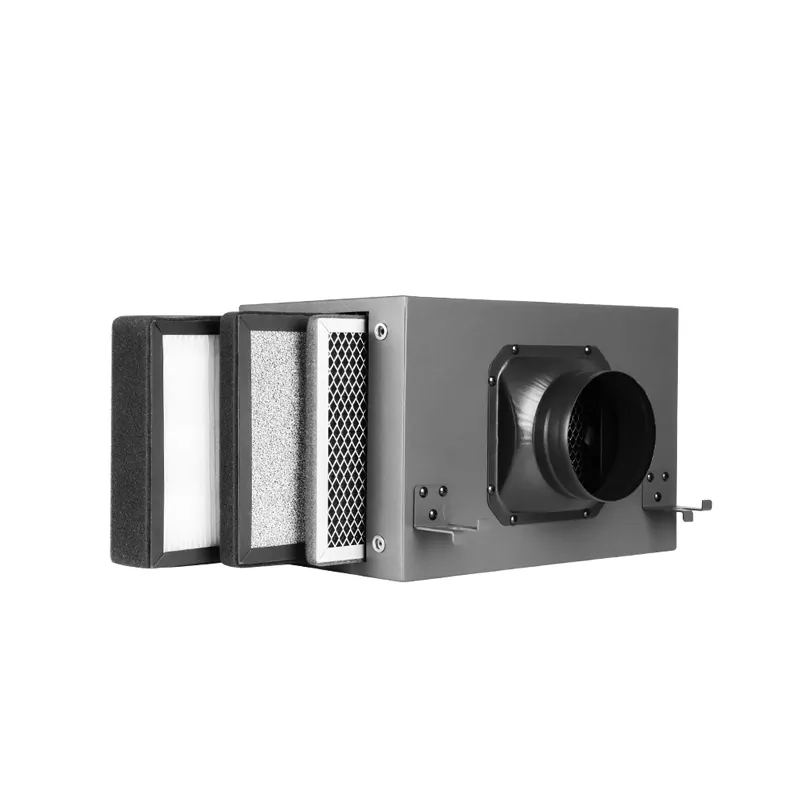
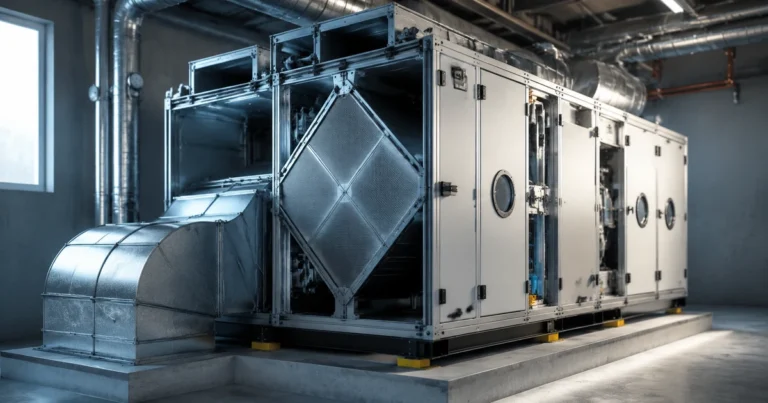
Uma caixa de filtragem é um gabinete que abriga um filtro de ar em um sistema de AVAC ou ventilação, para que o ar que passa por ela seja limpo antes de chegar ao ambiente — ou antes de atingir equipamentos sensíveis. Uma caixa de filtragem típica combina um pré-filtro, um filtro fino (como HEPA) e, às vezes, um estágio de carvão ativado, sendo capaz de reter tanto partículas quanto odores. Este guia explica como funciona uma caixa de filtragem, onde ela se instala em um sistema, como selecioná-la e como mantê-la.
Por que uma Caixa de Filtragem é Importante em AVAC e Ventilação
A principal função de uma caixa de filtragem é fornecer ao filtro um invólucro vedado e dimensionado corretamente no fluxo de ar. Sem um gabinete adequado, o ar vaza ao redor do filtro, o ar não filtrado contorna o elemento filtrante e o filtro não opera conforme sua capacidade nominal.
De acordo com a U.S. EPA, as pessoas passam cerca de 90% do seu tempo em ambientes fechados, e as concentrações de alguns poluentes internos podem ser de duas a cinco vezes maiores que os níveis externos. Fonte: U.S. EPA, The Inside Story: A Guide to Indoor Air Quality. A ventilação fornece ar externo, mas o ar ainda precisa de filtragem antes de entrar nos espaços ocupados — é aí que entra uma caixa de filtragem com o meio filtrante correto.
Uma caixa de filtragem desempenha três funções em um sistema de AVAC:
Melhora a qualidade do ar interior. Ela captura partículas suspensas no ar, como poeira, pólen e alérgenos, à medida que o ar se desloca pelo sistema.
Protege os equipamentos. Sem filtragem, poeira e detritos se acumulam em serpentinas, ventiladores e trocadores de calor, reduzindo a transferência de calor e encurtando a vida útil do equipamento.
Mantém o sistema eficiente. Um filtro limpo e corretamente assentado mantém o fluxo de ar; um filtro entupido ou com vazamento (by-pass) aumenta a resistência e eleva o consumo de energia.
O limite importante: uma caixa de filtragem limpa o ar que passa por ela. Ela não substitui o controle na fonte nem a ventilação com ar externo, e não remove todos os poluentes. Deve fazer parte de um projeto completo de ventilação, e não ser uma solução isolada.
Como Funciona uma Caixa de Filtragem: Os Três Estágios de Filtragem
Muitas caixas de filtragem são construídas como um sistema de filtragem de 3 camadas, com cada estágio executando uma função diferente:
Estágio
O que remove
Meio filtrante típico
Substituição
Pré-filtro
Partículas grandes: poeira, cabelos, fiapos
Meio sintético grosso ou tela
A cada 1–3 meses ou quando visivelmente saturado
Filtro fino (HEPA)
Partículas finas: PM2.5, pólen, alérgenos
HEPA ou meio plissado fino
A cada 6–12 meses, conforme o fabricante
Carvão ativado
Gases e odores: COVs, odores de cozimento e de plantas
Leito de carvão ativado
A cada 6–12 meses, quando houver passagem de odores
Pré-filtro é a primeira linha de defesa. Ele protege os estágios mais finos subsequentes, fazendo com que os elementos filtrantes HEPA e de carvão durem mais tempo.
Filtro HEPA captura partículas finas. Observe que o HEPA remove partículas, não gases — veja a diferença entre carvão e HEPA abaixo.
Carvão ativado adsorve gases e odores. Não remove partículas e não pode ser lavado nem reutilizado após a saturação.
Como os três estágios desempenham funções diferentes, uma caixa de filtragem que os organiza em série oferece uma cobertura mais ampla do que qualquer filtro individual.
Carvão Ativado vs. HEPA em uma Caixa de Filtragem
Uma confusão comum é pensar que “quanto mais filtros, melhor”, sem saber o que cada filtro faz.
Capacidade
Carvão ativado
HEPA
Remove partículas (poeira, PM2.5, pólen)
No
Yes
Remove gases e odores
Sim (muitos COVs e odores)
No
Mecanismo
Adsorção na superfície do carvão
Interceção mecânica
Pode ser lavado e reutilizado
No
Não (apenas substituição)
Resistência ao fluxo de ar
Moderada, aumenta à medida que satura
Alta, aumenta à medida que acumula carga
Para a maioria dos espaços, você precisa de ambos: um pré-filtro e HEPA para partículas, além de carvão se houver fontes de odor ou gás (cozinhas, animais de estimação, salas de cultivo, armazenamento de produtos químicos). Uma caixa de filtragem de 3 camadas combina-os em um único gabinete. Veja nosso activated carbon filter guide para saber como funciona a adsorção por carvão e quando substituir o estágio de carvão.
Onde uma Caixa de Filtragem se Encaixa em um Sistema de Ventilação
Uma caixa de filtragem pode ser instalada em várias posições, dependendo do objetivo:
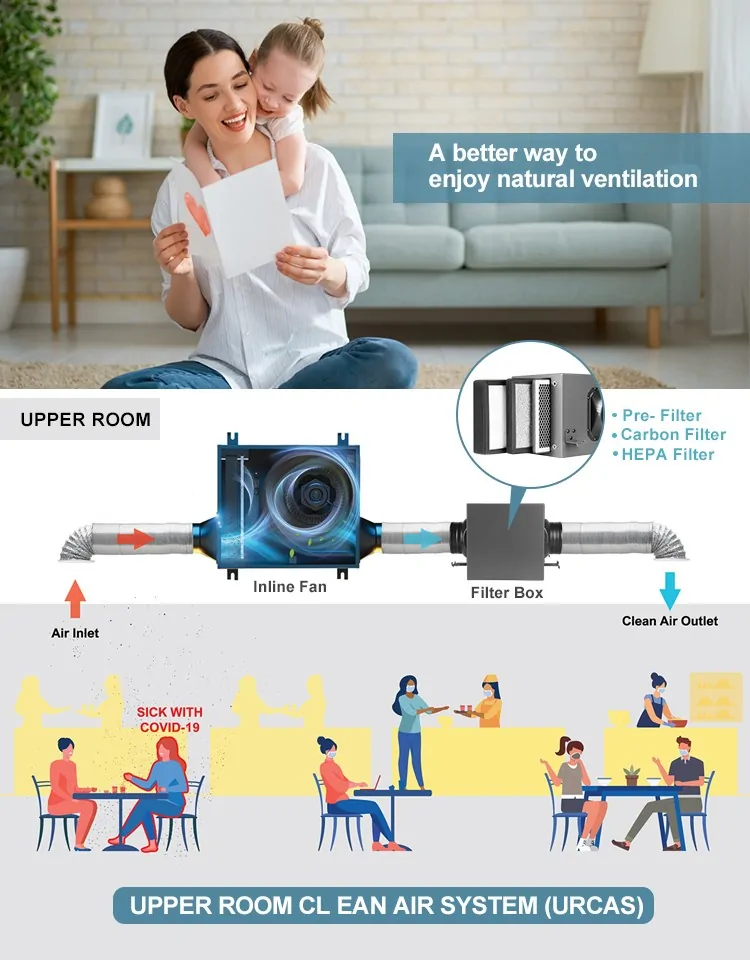
Na tomada de ar fresco — filtra o ar externo antes de entrar no ambiente; a posição mais comum para sistemas de ventilação.
No duto de insuflamento — limpa o ar imediatamente antes da grelha de insuflamento.
Antes de equipamentos sensíveis — protege serpentinas, ventiladores e trocadores de calor contra poeira e detritos.
Na via de exaustão — com um estágio de carvão ativado, trata odores antes de o ar ser liberado (por exemplo, salas de cultivo, cozinhas).
Aplicações típicas para uma caixa de filtragem:
Sistemas de ventilação de ar fresco para residências, escritórios e salas de aula.
Sistemas de HVAC onde a incrustação da serpentina é uma preocupação.
Cozinhas e áreas de alimentação onde os odores de cozimento exigem um estágio de carvão.
Salas de cultivo e agricultura em ambiente controlado (CEA), onde partículas e odores são controlados.
Qualquer espaço onde a qualidade do ar externo seja ruim (PM2.5, pólen, fumaça).
Como Selecionar uma Caixa de Filtragem
A seleção consiste em compatibilizar a caixa de filtragem com a vazão de ar, o duto e a contaminação:
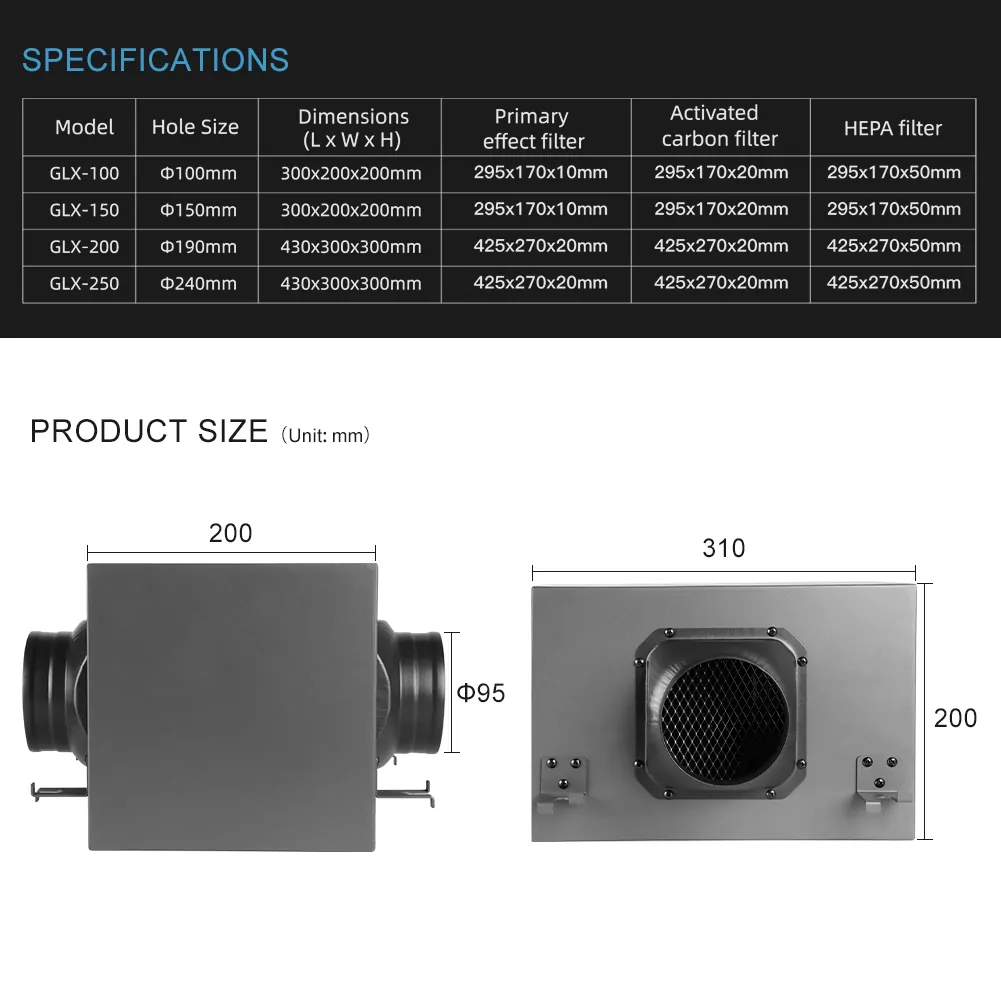
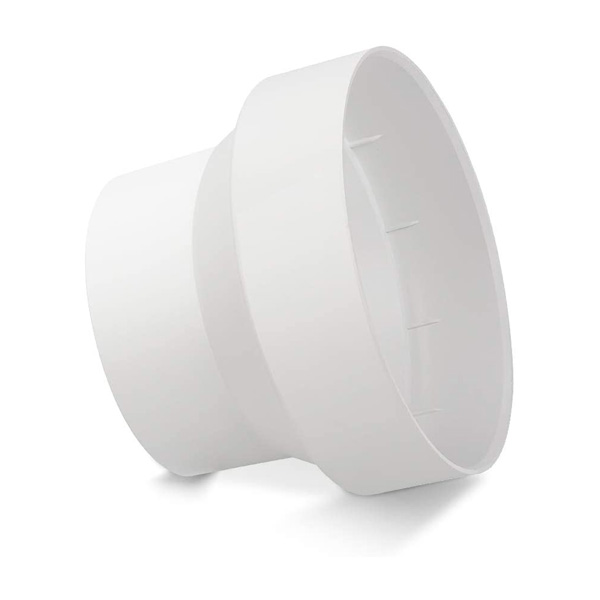
Compatibilize o duto e a vazão de ar. A abertura da caixa de filtragem deve corresponder ao tamanho do seu duto (por exemplo, 100 mm, 125 mm, 150 mm, 200 mm) e à vazão de ar do ventilador. Uma caixa de filtragem dimensionada para uma vazão de ar inferior à do seu ventilador adiciona resistência excessiva.
Verifique a perda de carga. Cada estágio de filtragem adiciona pressão estática. Use os dados de perda de carga do filtro na sua vazão de operação e escolha um ventilador com capacidade de pressão suficiente.
Escolha os estágios de filtragem de que você precisa. Apenas partículas → pré-filtro + HEPA. Partículas + odores → adicione o estágio de carvão. Não pague por estágios de que não precisa.
Verifique a vedação. Uma caixa de filtragem só funciona se o filtro estiver vedado em seu interior. Procure uma moldura ou junta adequada que evite o desvio de fluxo de ar (bypass).
Confirme o acesso para manutenção. A caixa deve abrir facilmente para a troca de filtros — um filtro que você não consegue alcançar é um filtro que nunca é trocado.
Verifique com a ficha técnica do produto. Use apenas especificações verificadas (vazão de ar, classe de filtragem, perda de carga, dimensões) a partir dos dados atuais do produto.
Lista de verificação para seleção da caixa de filtragem
[ ] O tamanho do duto e a conexão correspondem ao ventilador e à tubulação.
[ ] A vazão de ar na pressão estática de operação é suficiente para o espaço.
[ ] Os estágios de filtragem cobrem os contaminantes reais (partículas, odores ou ambos).
[ ] Os meios filtrantes e as peças de reposição estão disponíveis e têm custo acessível.
[ ] O gabinete veda corretamente e permite fácil acesso para manutenção.
[ ] A perda de carga na sua vazão de ar está dentro da capacidade do ventilador.
Manutenção da Caixa de Filtragem
Uma caixa de filtragem só opera em seu nível nominal se os filtros forem substituídos no prazo:
Pré-filtro: inspecione mensalmente; substitua quando estiver visivelmente saturado (geralmente de 1 a 3 meses, mais tempo em ambientes limpos).
Filtro HEPA/fino: substitua de acordo com o fabricante (geralmente de 6 a 12 meses). Nunca lave um filtro HEPA.
Carvão ativado: substitua quando houver passagem de odores (geralmente de 6 a 12 meses). A lavagem não restaura a adsorção.
Gabinete e vedação: verifique a gaxeta e a estrutura anualmente; uma vedação desgastada permite o bypass de ar.
Registre as datas de manutenção num registo para que possa acompanhar o padrão real de substituição para o seu ambiente.
P: Uma caixa de filtragem melhora a qualidade do ar interior? R: Uma caixa de filtragem remove partículas (e, com um estágio de carvão, alguns gases e odores) do ar que passa por ela. É apenas uma parte da qualidade do ar interior — a ventilação, o controlo na fonte e o controlo de humidade também são essenciais.
P: Qual é a diferença entre uma caixa de filtragem e um purificador de ar? R: Uma caixa de filtragem é um componente de um sistema AVAC ou de ventilação, instalado na conduta ou na admissão para limpar o ar à medida que este circula. Um purificador de ar é um dispositivo autónomo que recircula e limpa o ar ambiente. Muitos edifícios utilizam ambos.
P: Preciso de um filtro HEPA ou de um filtro de carvão ativado? R: Depende dos contaminantes. O HEPA remove partículas; o carvão remove gases e odores. Se tiver ambas as preocupações (por exemplo, poeira combinada com odores de cozinha ou de plantas), utilize ambos numa caixa de filtragem de múltiplos estágios.
P: Com que frequência devo substituir o filtro numa caixa de filtragem? R: Pré-filtros normalmente a cada 1–3 meses, filtros finos/HEPA a cada 6–12 meses e carvão quando houver passagem de odores. O intervalo correto depende do ambiente — inspecione e siga as instruções do fabricante.
P: Uma caixa de filtragem pode substituir a ventilação? R: Não. Uma caixa de filtragem limpa o ar que passa por ela; não fornece ar novo exterior nem remove o ar viciado. A ventilação e a filtragem são complementares, não substitutas.
P: Uma caixa de filtragem protege os equipamentos de AVAC? R: Sim. Ao reter poeiras e detritos antes que alcancem as baterias, ventiladores e permutadores de calor, a filtragem reduz a sujidade das baterias, mantém a transferência térmica e prolonga a vida útil do equipamento.
Inline Duct Fan — o parceiro de fluxo de ar para uma caixa de filtragem em conduta
Precisa de uma caixa de filtragem para o seu projeto de AVAC ou ventilação? A KCvents fabrica caixas de filtragem, ventiladores de conduta e sistemas de ar novo para compradores grossistas, OEM e de marca própria. Solicite um orçamento com os seus requisitos de caudal de ar, dimensão da conduta e filtragem.
Atualizações da newsletter
Enter your email address below and subscribe to our newsletter