In This Guide
“`html
Gestione della temperatura e dell'umidità nell'agricoltura in ambiente controllato
Ottimizzazione climatica per l'agricoltura in ambiente controllato (CEA): gestione della temperatura e dell'umidità
L'agricoltura in ambiente controllato (CEA) rappresenta un approccio sofisticato all'indoor farming che richiede una gestione precisa dei parametri ambientali. Tra i fattori più critici per il successo delle colture vi sono il controllo della temperatura e dell'umidità. A differenza dell'agricoltura tradizionale all'aperto, gli impianti CEA offrono ai coltivatori la capacità di mantenere condizioni costanti durante tutto l'anno, con un impatto diretto sulla qualità delle rese, sull'efficienza produttiva e sulla redditività. Questa guida completa esamina gli intervalli ottimali di temperatura e umidità per le operazioni orticole e fornisce raccomandazioni basate su evidenze per facility manager e ingegneri agronomi.
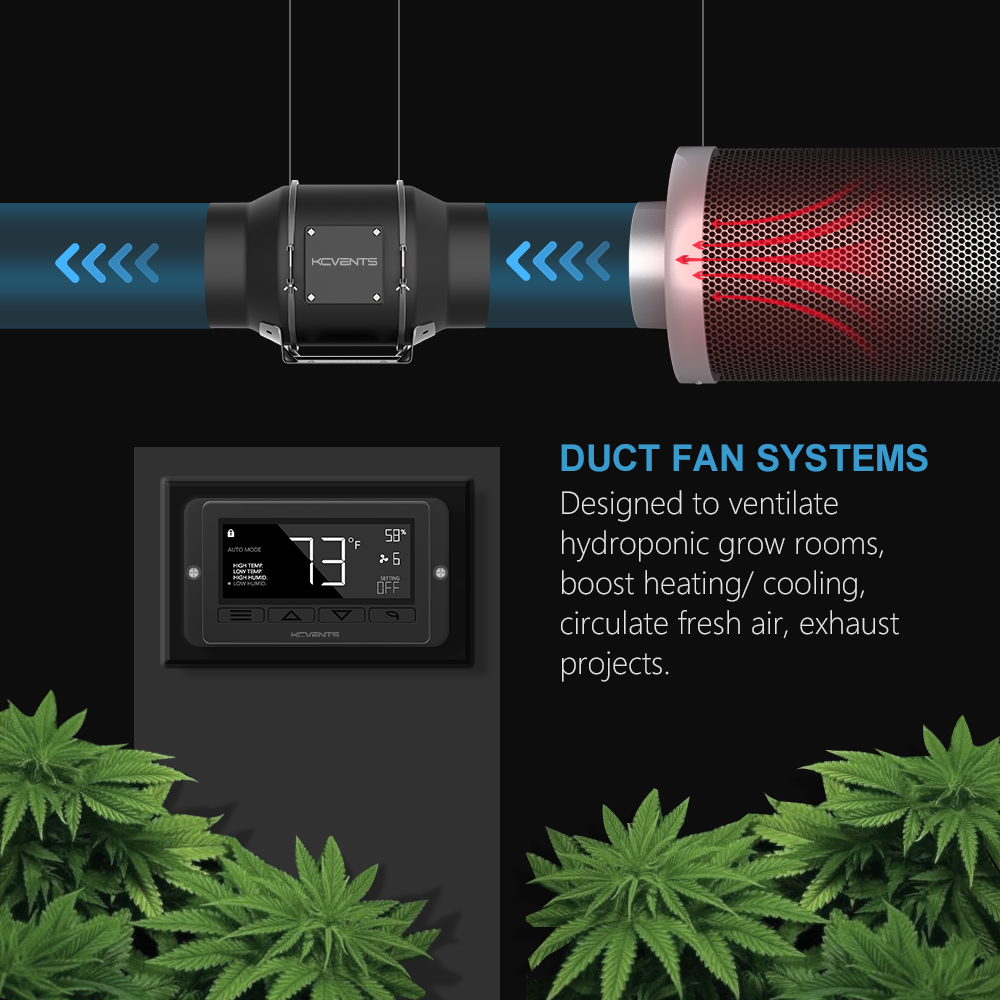
L'importanza del controllo climatico nell'agricoltura indoor
Le moderne serre commerciali e gli impianti CEA dipendono dal mantenimento di condizioni ambientali precise per massimizzare la produttività delle colture. I parametri ambientali, in particolare la temperatura e l'umidità, influenzano direttamente i tassi di fotosintesi, l'assorbimento dei nutrienti, l'efficienza della traspirazione e il metabolismo delle piante. Le strutture che non riescono a mantenere condizioni ottimali registrano rese ridotte, una qualità compromessa del raccolto e una maggiore suscettibilità a parassiti e patogeni.
La correlazione tra le condizioni ambientali e il comfort degli operatori fornisce un riferimento pratico: se le condizioni ambientali risultano disagevoli per il personale dell'impianto, probabilmente richiedono una regolazione per una produzione orticola ottimale. Tuttavia, le strutture CEA professionali devono superare la gestione intuitiva per adottare protocolli di controllo climatico basati sui dati, supportati da monitoraggio automatizzato e impianti HVAC.
Principio chiave: Il controllo climatico di precisione è il fondamento di una produzione costante e di alta qualità nell'agricoltura in ambiente controllato. Anche minime deviazioni dai parametri ottimali possono provocare perdite significative di resa e un degrado qualitativo.
Gestione ottimale della temperatura per gli impianti CEA
Intervalli di temperatura target
La temperatura operativa ideale per la maggior parte delle operazioni orticole commerciali è compresa tra 68–77°F (20–25°C). Questo intervallo rappresenta un equilibrio tra efficienza metabolica, capacità fotosintetica ed economicità operativa. Il controllo della temperatura all'interno di questa fascia garantisce lo sviluppo ottimale delle piante senza un dispendio energetico eccessivo per la gestione del clima.
| Fase di crescita |
Intervallo di temperatura (°F) |
Intervallo di temperatura (°C) |
Considerazioni chiave |
| Fase vegetativa |
70–85°F |
21–29°C |
Condizioni più calde favoriscono lo sviluppo fogliare e l'accumulo di biomassa |
| Fase di fioritura/fruttificazione |
65–80°F |
18–26°C |
Condizioni leggermente più fresche migliorano lo sviluppo del colore, le caratteristiche qualitative e la produzione di composti aromatici |
| Intervallo ottimale (generale) |
68–77°F |
20–25°C |
Equilibrio tra efficienza di crescita e qualità fisiologica |
Temperatura e attività fotosintetica
La gestione della temperatura durante il fotoperiodo (ciclo di luce) è particolarmente critica, poiché questo periodo influenza direttamente i tassi fotosintetici e il potenziale di crescita delle piante. Durante l'esposizione attiva alla luce, le temperature dovrebbero rimanere stabili e all'interno dell'intervallo ottimale. Significative fluttuazioni di temperatura tra i cicli diurni e notturni possono stressare le piante e ridurre la produttività complessiva.
Per ottenere le massime prestazioni orticole, mantenere un differenziale di temperatura giorno-notte non superiore a 5–10°F (3–6°C). Questa modesta variazione imita i pattern diurni naturali, prevenendo al contempo alterazioni metaboliche indotte dallo stress.
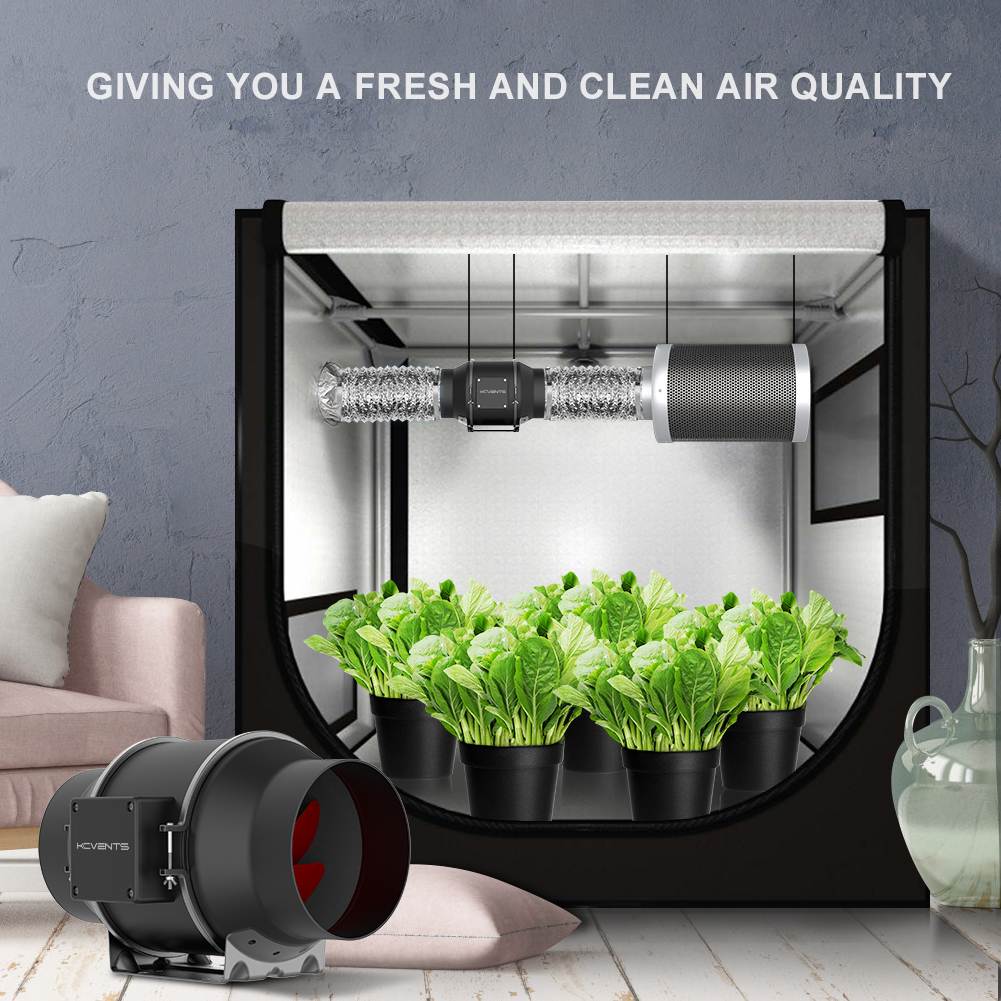
Effetti delle temperature non ottimali
Condizioni di bassa temperatura
Quando le temperature ambientali scendono al di sotto di 60°F (15°C), il metabolismo delle piante rallenta notevolmente, causando:
- Tassi di crescita ridotti e cicli di produzione prolungati
- Maturazione ritardata delle colture e posticipo del raccolto
- Maggiore suscettibilità ai patogeni fungini, in particolare Botrite e oidio, in particolare in condizioni di elevata umidità
- Compromissione della funzione radicale e dell'efficienza di assorbimento dei nutrienti
- Scarsa capacità fotosintetica nonostante un'adeguata disponibilità di luce
Temperature di congelamento (inferiori a 32°F o 0°C) possono causare danni cellulari irreversibili e la perdita del raccolto. Le attività di agricoltura indoor mantengono un notevole vantaggio rispetto alle coltivazioni in pieno campo, eliminando completamente questo rischio grazie a sistemi di climatizzazione controllata.
Nota operativa: Le colture cresciute in condizioni di freddo subottimali possono sopravvivere, ma non raggiungeranno mai la velocità di crescita o gli standard qualitativi ottenibili con una gestione ottimale della temperatura.
Condizioni di temperatura elevata
Il calore eccessivo al di sopra di 77°F (25°C) accelera il metabolismo delle piante, innescando richieste a cascata di risorse supplementari:
- Maggiori esigenze di illuminazione: Tassi metabolici più elevati richiedono un maggiore apporto fotosintetico
- Fabbisogno idrico aumentato: Tassi di traspirazione più elevati aumentano la frequenza di irrigazione e il consumo di acqua
- Maggiore integrazione di CO₂: Un metabolismo accelerato richiede livelli più elevati di anidride carbonica per sostenere la fotosintesi
- Aumentato fabbisogno di fertilizzanti: Un assorbimento più rapido dei nutrienti richiede una gestione adeguata della soluzione nutritiva
Durante la fase di fioritura o fruttificazione, temperature superiori a 80°F (26°C) producono effetti particolarmente deleteri:
- Riduzione della qualità di frutti/fiori e del potenziale di resa
- Diminuzione della concentrazione di composti aromatici (i terpeni volatili si degradano a temperature elevate)
- Riduzione della pigmentazione e delle caratteristiche visive qualitative
- Maggiore suscettibilità a ragnetto rosso, marciume radicale e alterazioni nutrizionali
- Traspirazione accelerata che porta a stress idrico nonostante un'irrigazione adeguata
- Ipossia della zona radicale (carenza di ossigeno) dovuta all'aumento della respirazione
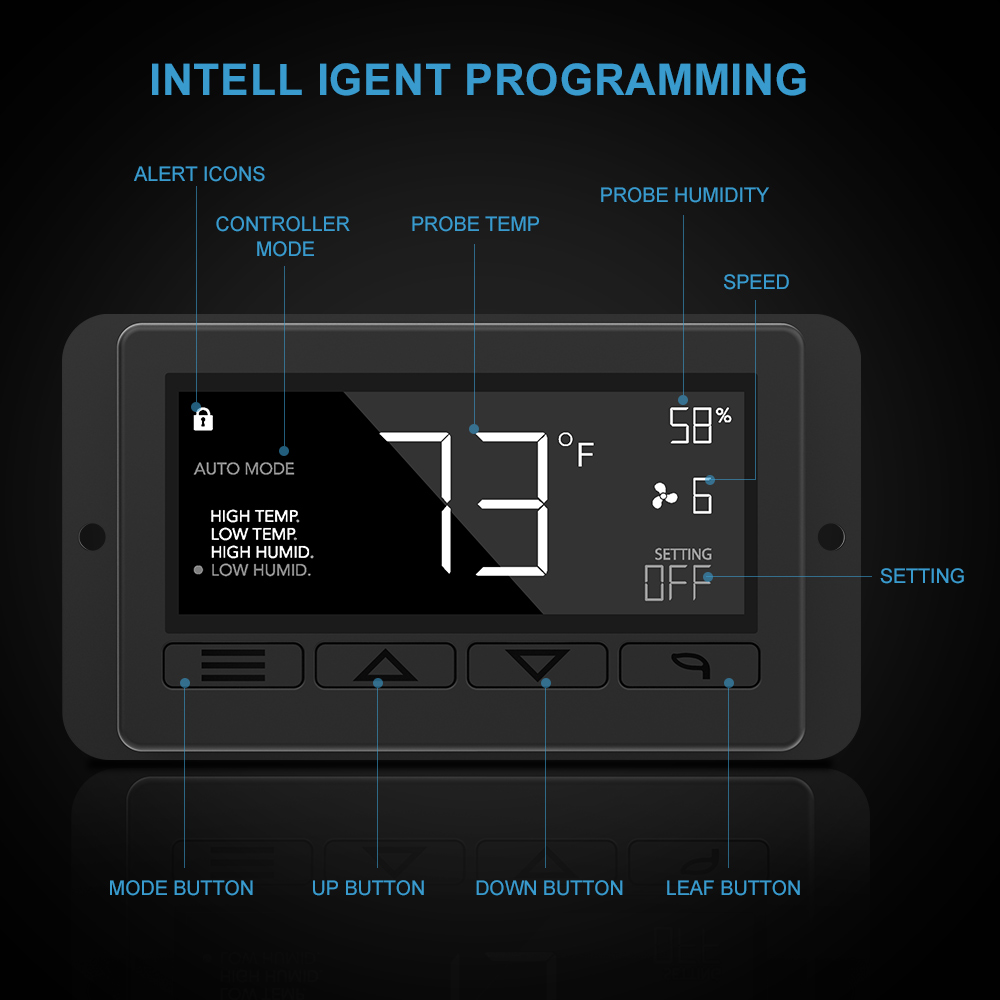
Sistemi automatizzati di gestione della temperatura
Le strutture CEA professionali richiedono un'infrastruttura automatizzata per il controllo climatico piuttosto che interventi manuali. I sistemi raccomandati includono:
- Termostati digitali con sensori di precisione: Precisione di ±0,5°F per un monitoraggio affidabile
- Sistemi HVAC integrati: Riscaldamento, raffrescamento e ventilazione coordinati per una regolazione continua e precisa della temperatura
- Reti di sensori distribuiti: Punti di monitoraggio multipli in tutta la struttura per rilevare i gradienti termici
- Controlli automatizzati della ventilazione: Ventilatori che regolano l'immissione e l'estrazione in base ai dati di temperatura in tempo reale
- Sistemi di riscaldamento: Aerotermi o sistemi radianti per l'esercizio nella stagione fredda
- Sistemi di raffrescamento evaporativo o chiller: Per la gestione della temperatura nella stagione calda
Questi sistemi garantiscono un controllo superiore rispetto alla gestione manuale e offrono notevoli vantaggi operativi: rese costanti, riduzione degli sprechi energetici, migliore qualità dei prodotti e minori costi di manodopera.
Standard di settore: I sistemi automatizzati di controllo climatico riducono tipicamente i costi energetici del 20–30%, migliorando al contempo la costanza delle rese e la qualità del prodotto.
Gestione dell'umidità in ambienti controllati
Intervalli ottimali di umidità
La l'umidità relativa (UR) ideale per la maggior parte delle operazioni orticole varia dal 40–70%, a seconda della fase di crescita e del tipo di coltura. Il mantenimento di questo intervallo previene sia lo stress da essiccazione che la pressione patogena fungina.
| Livello di umidità |
Intervallo di umidità relativa |
Stato |
Criticità principali |
| Bassa umidità |
Sotto il 40% di UR |
Subottimale |
Traspirazione accelerata; potenziale stress idrico |
| Intervallo ottimale |
40–70% UR |
Obiettivo |
Traspirazione bilanciata; minima pressione patogena |
| Alta umidità |
Sopra il 70% di UR |
Eccessivo |
Proliferazione di patogeni fungini; formazione di muffa |
Apparecchiature per il monitoraggio dell'umidità
Una misurazione accurata dell'umidità richiede una strumentazione di livello professionale. Igrometri elettronici con funzionalità integrate di data logging offrono un monitoraggio ottimale per le attività commerciali. Le caratteristiche principali includono:
- Display digitale con lettura in tempo reale della percentuale di UR
- Registrazione dati e connettività cloud per il monitoraggio remoto
- Soglie di allarme per avvisi automatici quando i parametri escono dagli intervalli stabiliti
- Integrazione con i sistemi di gestione dell'edificio (BMS) per un controllo climatico coordinato
- Posizionamento di sensori multipli in tutta la struttura per identificare i microclimi

Condizioni di bassa umidità (sotto il 40% di UR)
Quando l'umidità ambientale scende al di sotto del 40% di umidità relativa, le piante subiscono tassi di traspirazione accelerati. Le conseguenze includono:
- Aumento del consumo idrico e del fabbisogno irriguo
- Requisiti di apporto idrico più elevati per prevenire lo stress delle piante
- Potenziali squilibri nutrizionali se i sistemi di irrigazione non riescono a mantenere livelli di umidità costanti
- Impatto marginale sulla vitalità delle colture se restano disponibili adeguate riserve idriche
Sebbene la bassa umidità non provochi in genere la perdita immediata del raccolto, richiede una gestione reattiva dell'irrigazione e può aumentare i costi di produzione a causa dell'elevato consumo di acqua.
Condizioni di alta umidità (sopra il 70% di UR)
L'umidità eccessiva rappresenta una criticità operativa più grave. Quando l'umidità relativa supera costantemente il 70%, in particolare durante la fase di fioritura o fruttificazione, emergono molteplici complicazioni:
- Proliferazione di patogeni fungini: Botrytis cinerea (muffa grigia), oidio e altri patogeni fungini proliferano in ambienti ad alta umidità
- Rapido sviluppo di muffe: Crescita visibile di muffa sui tessuti vegetali e sulle superfici della struttura
- Potenziale perdita del raccolto: Gravi infezioni fungine possono causare perdite significative di resa o la perdita totale del raccolto
- Tempi di risanamento prolungati: Le problematiche fungine richiedono un intervento immediato e un monitoraggio continuo
Avviso critico: L'elevata umidità combinata con una scarsa circolazione dell'aria crea condizioni ideali per lo sviluppo di malattie fungine distruttive. Sono necessarie una deumidificazione immediata e regolazioni della ventilazione per prevenire la perdita del raccolto.
Gestione dell'umidità in base alla fase di crescita
| Fase di crescita |
Intervallo ottimale di RH |
Motivazione |
| Fase vegetativa |
50–70% UR |
Un'umidità più elevata favorisce l'espansione fogliare e lo sviluppo della biomassa; minor rischio di pressione patogena durante la rapida crescita |
| Fase di transizione |
45–65% UR |
La graduale riduzione dell'umidità prepara le piante alla fase riproduttiva |
| Fase di fioritura/fruttificazione |
40–60% UR |
Un'umidità inferiore riduce il rischio di malattie fungine migliorando al contempo le caratteristiche qualitative; fondamentale per prodotti di prima scelta |
| Raccolta/Post-raccolta |
50–60% UR |
Mantiene la qualità del prodotto durante la maturazione finale e le operazioni di raccolta |
Sistemi integrati di controllo climatico e soluzioni HVAC
Requisiti dell'impianto di ventilazione
I sistemi professionali di ventilazione costituiscono la base per un'efficace gestione di umidità e temperatura. Le strutture CEA ad alte prestazioni integrano:
- Ventilatori da condotto a flusso misto: Progettati per il funzionamento continuo con profili a bassa rumorosità adatti a strutture presidiate
- Sistemi di immissione di aria primaria: Forniscono aria esterna ricca di CO₂ mantenendo i target di temperatura e umidità
- Sistemi di estrazione: Rimuovono l'umidità in eccesso, il calore e l'aria viziata per mantenere condizioni ottimali nella struttura
- Integrazione di anidride carbonica: Previene la carenza di CO₂ garantendo al contempo un adeguato ricambio di aria primaria
- Gestione della pressione statica: Condotti e ventilatori adeguatamente dimensionati mantengono una portata d'aria efficace anche in condizioni gravose
I sistemi di ventilazione devono essere in grado di mantenere condizioni stabili a fronte della variabilità ambientale esterna, garantendo parametri interni costanti.

Tecnologie di deumidificazione
Quando la ventilazione naturale risulta insufficiente per il controllo dell'umidità, la deumidificazione meccanica diventa necessaria:
- Deumidificatori a ciclo frigorifero: Economici per una moderata riduzione dell'umidità; adatti alla maggior parte delle applicazioni CEA
- Deumidificatori ad adsorbimento: Efficaci a basse temperature; offrono un controllo dell'umidità superiore in ambienti freddi
- Sistemi ibridi: Combinano tecnologie a ciclo frigorifero e ad adsorbimento per prestazioni superiori in variegate condizioni
- Soluzioni HVAC integrate: Deumidificazione coordinata con i sistemi di riscaldamento e raffrescamento per una massima efficienza
Integrazione di riscaldamento e raffrescamento
Un'efficace gestione della temperatura richiede capacità coordinate di riscaldamento e raffrescamento:
- Sistemi di riscaldamento: Aerotermi, pannelli radianti o circuiti ad acqua calda per il mantenimento della temperatura nella stagione fredda
- Sistemi di raffrescamento: Raffrescatori evaporativi, chiller o sistemi pad-and-fan per lo smaltimento del calore nella stagione calda
- Controlli di setpoint: Controllori proporzionali che regolano automaticamente la resa termica/frigorifera in base alla temperatura dell'impianto
- Opzioni di attenuazione notturna (night setback): Funzionamento ad alta efficienza energetica che mantiene temperature notturne adeguate riducendo il fabbisogno di riscaldamento
Parametri ambientali e fisiologia vegetale
Fluttuazioni termiche e risposta allo stress
Forti escursioni termiche giorno-notte (differenziale superiore a 10°F o 6°C) innescano risposte di stress nelle piante che compromettono la produttività:
- Crescita vegetativa eccessiva con foglie ingrossate che riducono l'efficienza fotosintetica
- Integrità strutturale compromessa e rischio di allettamento
- Aumento della richiesta di traspirazione e stress idrico nonostante un'adeguata irrigazione
- Riduzione della resa riproduttiva durante le fasi di fioritura
Il mantenimento di temperature stabili entro un intervallo ristretto (variazione di ±3–5°F) previene queste risposte di stress e ottimizza le prestazioni fisiologiche.
Considerazioni sul deficit di pressione di vapore (VPD)
Gli operatori CEA avanzati monitorano Deficit di pressione di vapore (VPD)—la differenza tra la pressione di vapore effettiva e quella satura nell'aria. Il VPD influenza i tassi di traspirazione e il trasporto dei nutrienti:
- VPD basso (umidità elevata): Traspirazione ridotta; potenziale pressione patogena; movimento limitato dei nutrienti verso le foglie
- VPD ottimale: Traspirazione bilanciata; apporto efficiente di nutrienti; minima pressione delle malattie
- VPD elevato (bassa umidità): Traspirazione eccessiva; potenziale stress idrico; possibili squilibri nutrizionali
I range target di VPD rientrano tipicamente tra 0,45 e 0,85 kPa a seconda della fase di crescita e del tipo di coltura. I moderni sistemi di gestione dell'impianto calcolano e visualizzano il VPD in tempo reale, consentendo regolazioni climatiche basate sui dati.

Efficienza energetica e gestione dei costi operativi
Ottimizzazione dell'efficienza del controllo climatico
Le strutture CEA professionali bilanciano la precisione climatica con i costi energetici. Le strategie di efficienza includono:
- Utilizzo della massa termica: Sistemi di accumulo idrico o termico che attenuano le fluttuazioni di temperatura e riducono i cicli di funzionamento HVAC
- Ottimizzazione del raffrescamento notturno: Utilizzo dell'aria esterna notturna più fresca, ove disponibile, per ridurre il carico di raffrescamento attivo
- Ottimizzazione dei setpoint: Funzionamento ai range minimi accettabili di temperatura/umidità anziché con margini eccessivi
- Calibrazione dei sensori: La verifica periodica garantisce letture accurate e previene inutili cicli di funzionamento delle apparecchiature
- Manutenzione preventiva: Filtri puliti, sistemi adeguatamente regolati e apparecchiature ben mantenute operano con la massima efficienza
Obiettivo di efficienza: I sistemi di controllo climatico ottimizzati devono raggiungere gli obiettivi di produzione mantenendo il consumo energetico entro i benchmark di settore (tipicamente 8–12 kWh per metro quadrato all'anno per le operazioni di vertical farming).
Risoluzione dei problemi climatici comuni
Problema: Condensa e umidità elevata
Sintomi: Umidità visibile sulle foglie e sulle superfici dell'impianto; valori elevati di umidità superiori a 70% RH.
Soluzioni:
- Aumentare la velocità dei ventilatori per migliorare la circolazione dell'aria ed eliminare l'umidità in eccesso
- Attivare i sistemi di deumidificazione se sono presenti dispositivi meccanici
- Ridurre i setpoint di temperatura notturna per abbassare la pressione di vapore di saturazione
- Migliorare la circolazione dell'aria con ventilatori supplementari per prevenire zone di ristagno
- Monitorare lo sviluppo di patogeni fungini e applicare misure preventive
Problema: Condizioni eccessivamente secche
Sintomi: Umidità costantemente inferiore a 40% RH; visibile appassimento fogliare nonostante un'adeguata irrigazione; imbrunimento dei margini fogliari.
Soluzioni:
- Ridurre la velocità dei ventilatori per trattenere l'umidità all'interno dell'impianto
- Aumentare la frequenza di irrigazione per far fronte alla maggiore richiesta di traspirazione
- Installare apparecchiature di umidificazione (sistemi di nebulizzazione, umidificatori a ultrasuoni) se disponibili
- Verificare che le serrande di presa d'aria esterna non aspirino una quantità eccessiva di aria secca dall'esterno
- Verificare che il sistema di irrigazione garantisca un'adeguata erogazione d'acqua
Problema: instabilità della temperatura
Sintomi: Fluttuazioni di temperatura superiori a ±5°F; escursioni giorno-notte superiori a 10°F; distribuzione non uniforme della temperatura nelle zone della struttura.
Soluzioni:
- Verificare la calibrazione del termostato e il posizionamento dei sensori lontano da correnti d'aria o fonti di calore
- Regolare i parametri del regolatore proporzionale HVAC per ridurre l'overshoot e il pendolamento del sistema
- Garantire un'adeguata circolazione dell'aria per prevenire zone morte o stratificazione
- Ispezionare l'integrità dell'isolamento; correggere le perdite d'aria o i ponti termici
- Valutare l'integrazione di massa termica per attenuare le fluttuazioni di temperatura
Best practice per la gestione del clima nella CEA
- Implementare il monitoraggio automatizzato: Installare reti di sensori con registrazione dati in tempo reale e funzioni di avviso
- Definire i protocolli di setpoint: Documentare i parametri target per ogni fase di crescita; formare il personale sulle procedure operative standard
- Eseguire una calibrazione periodica: Verifica trimestrale di tutte le apparecchiature di monitoraggio rispetto a standard certificati
- Rispettare i programmi di manutenzione: Intervalli di manutenzione preventiva HVAC per garantire un funzionamento affidabile
- Esaminare i trend dei dati: Analisi mensile dei dati climatici per identificare pattern e opportunità di ottimizzazione
- Pianificare la ridondanza: Sistemi di backup per le funzioni critiche di controllo climatico al fine di prevenire perdite di raccolto dovute a guasti degli impianti
- Investire nella formazione professionale del personale: Operatori con competenze certificate nei sistemi di climatizzazione CEA
- Condurre audit periodici dei sistemi: Audit energetici annuali e valutazioni delle prestazioni a cura di professionisti qualificati
Principio fondamentale: Il controllo climatico di precisione non è un centro di costo, bensì l'investimento infrastrutturale fondamentale che consente una produzione orticola costante e redditizia in ambienti controllati.
Conclusione
La gestione della temperatura e dell'umidità rappresenta il pilastro fondamentale per il successo delle operazioni di agricoltura in ambiente controllato. Il mantenimento di parametri ottimali—68–77°F (20–25°C) per la temperatura e 40–70% di umidità relativa—richiede sistemi di monitoraggio di livello professionale, infrastrutture HVAC automatizzate e una supervisione operativa qualificata.
Le strutture che investono in sistemi integrati di controllo climatico ottengono vantaggi misurabili: rese colturali costanti, qualità superiore dei prodotti, riduzione della pressione di parassiti e patogeni e maggiore efficienza energetica. Le moderne aziende CEA competono con successo con l'agricoltura tradizionale in pieno campo grazie a un preciso controllo ambientale che massimizza la produttività riducendo al minimo lo spreco di risorse.
Il successo richiede un impegno costante nella gestione basata sui dati, una rigorosa disciplina nella manutenzione delle apparecchiature e l'ottimizzazione continua dei parametri climatici durante l'intero ciclo colturale. I facility manager e gli ingegneri che danno priorità all'eccellenza dei sistemi climatici stabiliscono le fondamenta operative per imprese di indoor farming sostenibili e redditizie.

“`