Мы используем файлы cookie, чтобы обеспечить максимальное удобство использования нашего веб-сайта.
Stay Updated with KCVENTS Ventilation & HVAC Solutions
Subscribe to our newsletter for the latest airflow engineering insights, energy-efficient ERV/HRV system updates, and eco-friendly HVAC solutions.
Be the first to receive exclusive technical guides, custom OEM/ODM capabilities, and global exhibition news directly from KCVENTS.
Filter Box for HVAC Air Filtration: Applications, Selection, and Maintenance
How a filter box works, the three filter stages (pre-filter, HEPA, activated carbon), where it fits in an HVAC or ventilation system, how to select one, and how to maintain it.
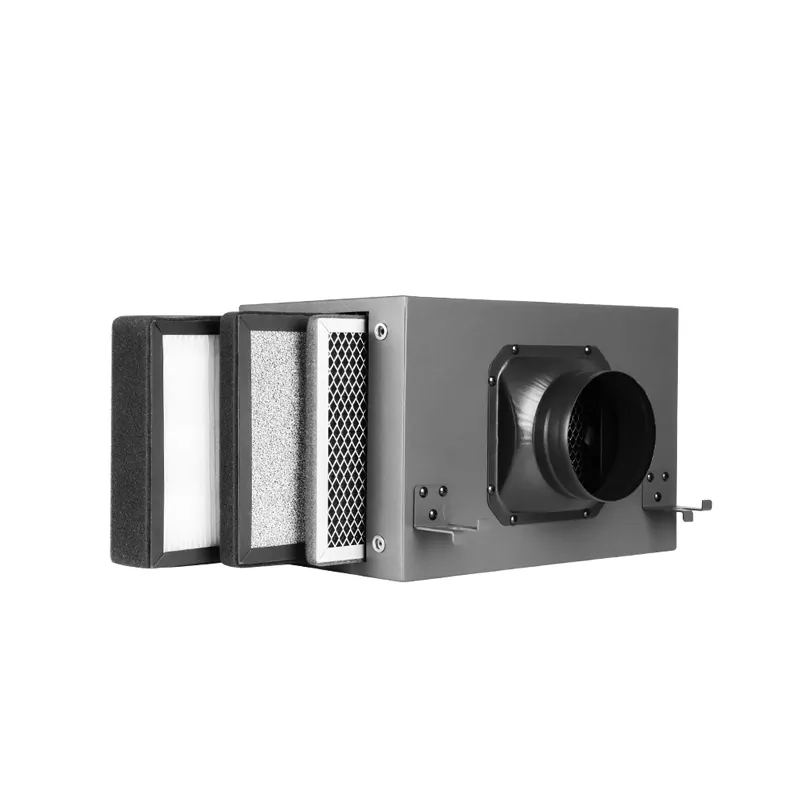
Фильтр-бокс представляет собой корпус, в котором размещается воздушный фильтр в системе ОВиК или вентиляции для очистки проходящего воздуха перед его подачей в помещение или к чувствительному оборудованию. Типичный фильтр-бокс объединяет фильтр предварительной очистки (префильтр), фильтр тонкой очистки (например, HEPA) и иногда ступень с активированным углем, что позволяет улавливать как взвешенные частицы, так и запахи. В данном руководстве объясняется, как работает фильтр-бокс, где он устанавливается в системе, как его выбрать и как обслуживать.
Значение фильтр-бокса в системах ОВиК и вентиляции
Основная задача фильтр-бокса — обеспечить герметичное и геометрически точное размещение фильтра в воздушном потоке. Без надлежащего корпуса возникают утечки по периметру, неотфильтрованный воздух идет в обход фильтрующего материала, и фильтр не обеспечивает заявленную эффективность.
According to the U.S. EPA, people spend about 90% of their time indoors, and concentrations of some indoor pollutants can be two to five times higher than outdoor levels. Source: U.S. EPA, The Inside Story: A Guide to Indoor Air Quality. Вентиляция подает наружный воздух, однако перед поступлением в обслуживаемые помещения воздух требует фильтрации — именно для этого применяется фильтр-бокс с правильно подобранным фильтрующим материалом.
Фильтр-бокс выполняет три основные задачи в системе ОВиК:
Улучшает качество воздуха в помещении. Он улавливает взвешенные частицы, такие как пыль, пыльца и аллергены, по мере прохождения воздуха через систему.
Защищает оборудование. Без фильтрации пыль и загрязнения оседают на теплообменниках, вентиляторах и рекуператорах, ухудшая теплопередачу и сокращая срок службы оборудования.
Поддерживает энергоэффективность системы. Чистый, правильно установленный фильтр обеспечивает расчетный расход воздуха; засоренный или установленный с зазорами фильтр увеличивает аэродинамическое сопротивление и повышает энергопотребление.
Важное разграничение: фильтр-бокс очищает только тот воздух, который проходит через него. Он не заменяет контроль источников загрязнения или приток наружного воздуха и не удаляет абсолютно все загрязняющие вещества. Фильтр-бокс должен являться частью комплексного проекта вентиляции, а не изолированным решением.
Принцип работы фильтр-бокса: три ступени фильтрации
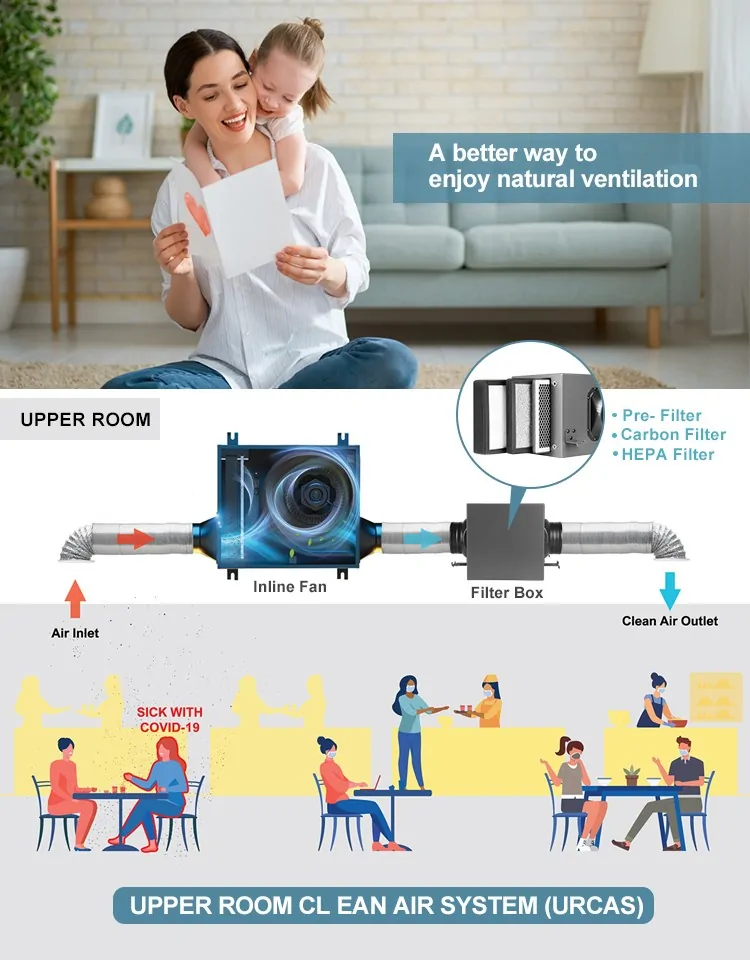
Многие фильтр-боксы проектируются как 3-ступенчатые системы фильтрации, где каждая ступень выполняет свою функцию:
Ступень
Что улавливает
Тип фильтрующего материала
Замена
Предварительный фильтр
Крупные частицы: пыль, волосы, волокна
Синтетический материал грубой очистки или сетка
Каждые 1–3 месяца или по мере визуального загрязнения
Фильтр тонкой очистки (HEPA)
Мелкодисперсные частицы: PM2.5, пыльца, аллергены
HEPA или гофрированный материал тонкой очистки
Каждые 6–12 месяцев, согласно указаниям производителя
Активированный уголь
Газы и запахи: ЛОС, кухонные запахи и запахи растительного происхождения
Слой активированного угля
Каждые 6–12 месяцев, при проскоке запаха
Предварительный фильтр является первой линией защиты. Он защищает последующие ступени тонкой очистки, продлевая срок службы дорогостоящих HEPA- и угольных фильтров.
HEPA filter улавливает мелкодисперсные частицы. Обратите внимание, что HEPA удаляет частицы, а не газы — см. разницу между угольным и HEPA-фильтром ниже.
Активированный уголь адсорбирует газы и запахи. Он не улавливает взвешенные частицы и не подлежит промывке или повторному использованию после насыщения.
Поскольку три ступени решают разные задачи, фильтр-бокс с их последовательным расположением обеспечивает более комплексную очистку, чем любой отдельный фильтр.
Активированный уголь против HEPA в фильтр-боксе
Распространенным заблуждением является мнение “чем больше фильтров, тем лучше” без понимания назначения каждого типа фильтра.
Capability
Активированный уголь
HEPA
Улавливает частицы (пыль, PM2.5, пыльцу)
No
Yes
Removes gases and odors
Yes (many VOCs and odors)
No
Mechanism
Adsorption onto carbon surface
Mechanical interception
Можно мыть и использовать повторно
No
Нет (только замена)
Airflow resistance
Умеренное, повышается по мере насыщения
Высокое, повышается по мере загрязнения
Для большинства помещений требуется и то, и другое: предфильтр и HEPA-фильтр для улавливания частиц, а также угольный фильтр при наличии источников запахов или газов (кухни, домашние животные, гроубоксы, склады химических веществ). 3-слойный фильтр-бокс объединяет их в одном корпусе. См. наш activated carbon filter guide чтобы узнать, как работает адсорбция активированным углем и когда следует заменять угольную ступень.
Место установки фильтр-бокса в системе вентиляции
Фильтр-бокс может устанавливаться в нескольких положениях в зависимости от поставленной задачи:
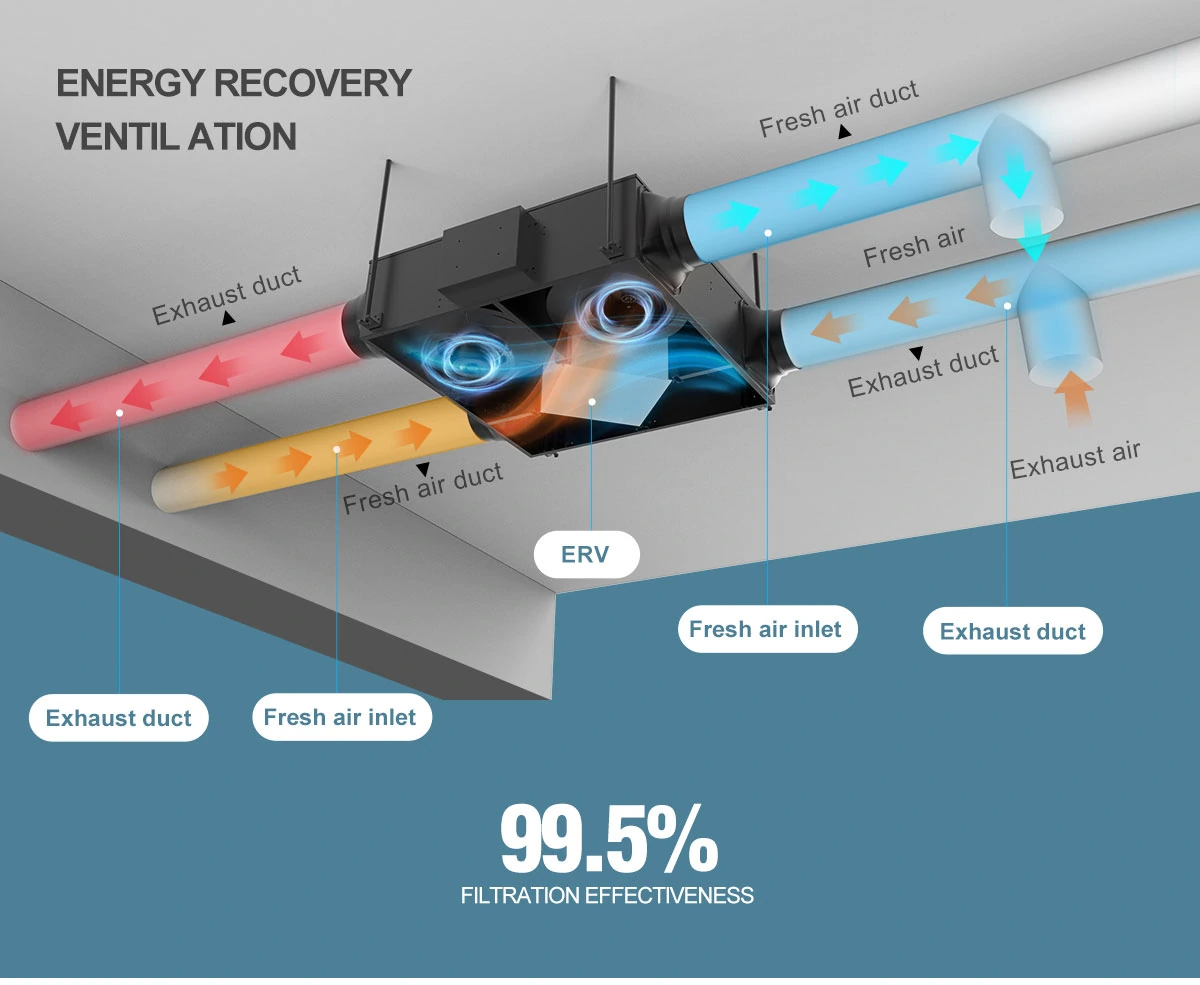
На заборе свежего воздуха — фильтрует наружный воздух перед его поступлением в помещение; наиболее распространенное расположение для систем вентиляции.
In the supply duct — cleans air just before the supply grille.
Before sensitive equipment — protects coils, fans, and heat exchangers from dust and debris.
On the exhaust path — with an activated carbon stage, treats odors before air is released (e.g., grow rooms, kitchens).
Typical applications for a filter box:
Fresh air ventilation systems for homes, offices, and classrooms.
HVAC systems where coil fouling is a concern.
Kitchens and food areas where cooking odors need a carbon stage.
Grow rooms and controlled environment agriculture (CEA) where both particles and odors are controlled.
Any space where outdoor air quality is poor (PM2.5, pollen, smoke).
Как выбрать фильтр-бокс
Selection is about matching the filter box to the airflow, the duct, and the contamination:
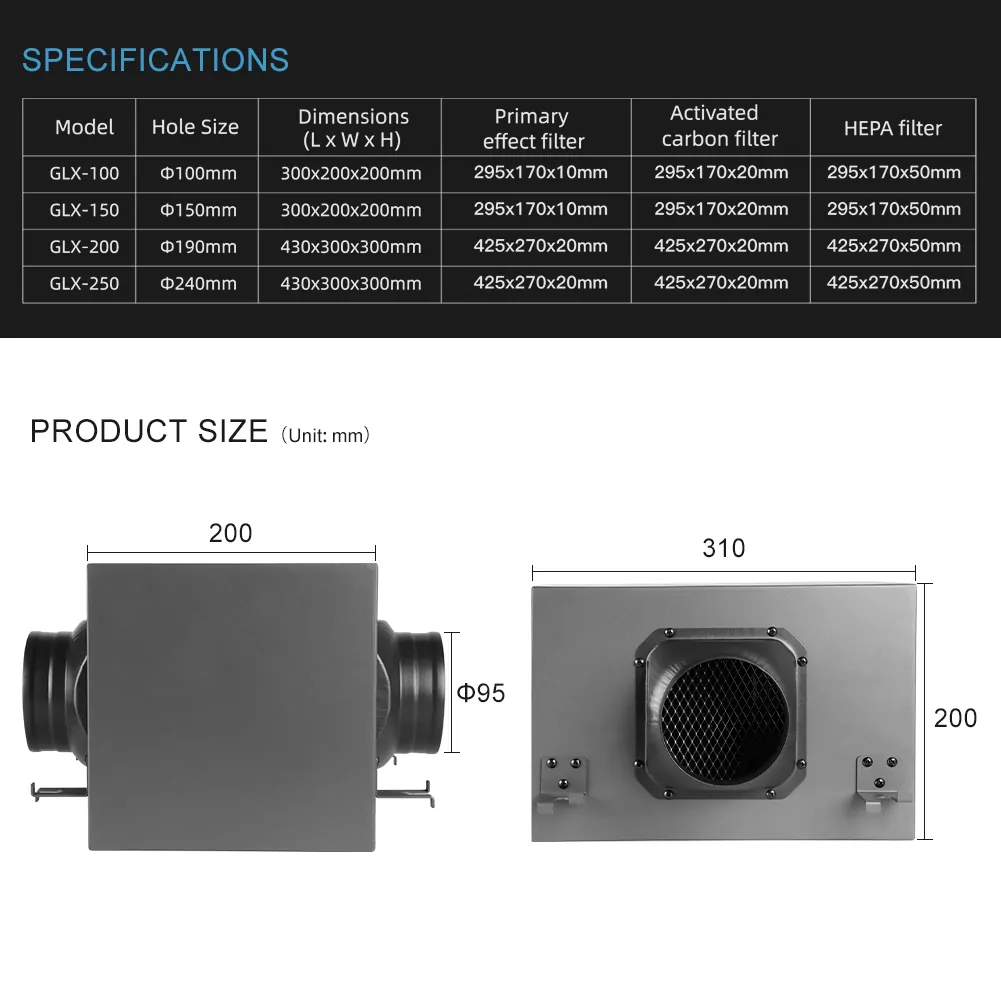
Match the duct and airflow. The filter box opening must match your duct size (e.g., 100 mm, 125 mm, 150 mm, 200 mm) and the fan’s airflow. A filter box rated for lower airflow than your fan adds excessive resistance.
Check pressure drop. Every filter stage adds static pressure. Use the filter’s pressure-drop data at your operating flow, and choose a fan with enough pressure capacity.
Choose the filter stages you need. Particles only → pre-filter + HEPA. Particles + odors → add the carbon stage. Don’t pay for stages you don’t need.
Check the seal. A filter box only works if the filter is sealed inside it. Look for a proper frame or gasket that prevents bypass airflow.
Confirm maintenance access. The box must open easily for filter changes — a filter you can’t reach is a filter that never gets changed.
Verify against the product datasheet. Use only verified specifications (airflow, filter class, pressure drop, dimensions) from the current product data.
Filter box selection checklist
[ ] Duct size and connection match the fan and ducting.
[ ] Airflow at operating static pressure is sufficient for the space.
[ ] Filter stages cover the actual contaminants (particles, odors, or both).
[ ] Filter media and replacement parts are available and affordable.
[ ] The housing seals correctly and allows easy access for maintenance.
[ ] Pressure drop at your airflow is within the fan’s capability.
Обслуживание фильтр-бокса
A filter box only performs at its rated level if the filters are replaced on time:
Pre-filter: inspect monthly; replace when visibly loaded (commonly 1–3 months, longer in clean environments).
HEPA/fine filter: replace per manufacturer (commonly 6–12 months). Never wash a HEPA filter.
Activated carbon: replace when odor breaks through (commonly 6–12 months). Washing does not restore adsorption.
Housing and seal: check the gasket and frame annually; a worn seal allows bypass.
Record service dates in a log so you can see the real replacement pattern for your environment.
Q: Does a filter box improve indoor air quality? A: A filter box removes particles (and, with a carbon stage, some gases and odors) from the air that passes through it. It is one part of indoor air quality — ventilation, source control, and humidity control also matter.
Q: What is the difference between a filter box and an air purifier? A: A filter box is a component of an HVAC or ventilation system, installed in the duct or intake to clean air as it flows. An air purifier is a standalone device that recirculates and cleans room air. Many buildings use both.
Q: Do I need a HEPA filter or an activated carbon filter? A: It depends on the contaminants. HEPA removes particles; carbon removes gases and odors. If you have both concerns (for example, dust plus cooking or plant odors), use both in a multi-stage filter box.
Q: How often should I change the filter in a filter box? A: Pre-filters commonly every 1–3 months, fine/HEPA filters every 6–12 months, and carbon when odor breaks through. The right interval depends on the environment — inspect and follow the manufacturer’s instructions.
Q: Can a filter box replace ventilation? A: No. A filter box cleans air that passes through it; it does not supply fresh outdoor air or remove stale air. Ventilation and filtration are complementary, not substitutes.
Q: Does a filter box protect HVAC equipment? A: Yes. By capturing dust and debris before they reach coils, fans, and heat exchangers, filtration reduces coil fouling, maintains heat transfer, and extends equipment life.
Inline Duct Fan — the airflow partner for a ducted filter box
Need a filter box for your HVAC or ventilation project? KCvents manufactures filter boxes, duct fans, and fresh air systems for wholesale, OEM, and private-label buyers. Request a quote with your airflow, duct size, and filtration requirements.
Обновления рассылки
Подпишитесь на нашу рассылку, введя свой адрес электропочты