Мы используем файлы cookie, чтобы обеспечить максимальное удобство использования нашего веб-сайта.
Stay Updated with KCVENTS Ventilation & HVAC Solutions
Subscribe to our newsletter for the latest airflow engineering insights, energy-efficient ERV/HRV system updates, and eco-friendly HVAC solutions.
Be the first to receive exclusive technical guides, custom OEM/ODM capabilities, and global exhibition news directly from KCVENTS.
Single-Room HRV in 2026: Why the VT501-Wifi Works for Bedrooms, Apartments and Renovations
Руководство на 2026 год: почему децентрализованный рекуператор тепла, такой как KCVENTS VT501-Wifi, необходим в спальнях и квартирах — рекуперация тепла 90%, уровень шума менее 30 дБ, HEPA- и угольная фильтрация, управление по Wi-Fi.
Single-Room HRV in 2026: Why the VT501-Wifi Works for Bedrooms, Apartments and Renovations
К 2026 году три фактора существенно изменили подход к вентиляции жилых помещений: рост цен на энергоносители, ужесточение норм энергоэффективности зданий, и ухудшение качества наружного воздуха в сезоны лесных пожаров и пыления растений. Современные дома строятся более герметичными, чем когда-либо, превращая механическую вентиляцию из дополнительной опции в необходимость, при этом у большинства домовладельцев по-прежнему нет места, бюджета или разрешений на установку полноценной канальной системы.
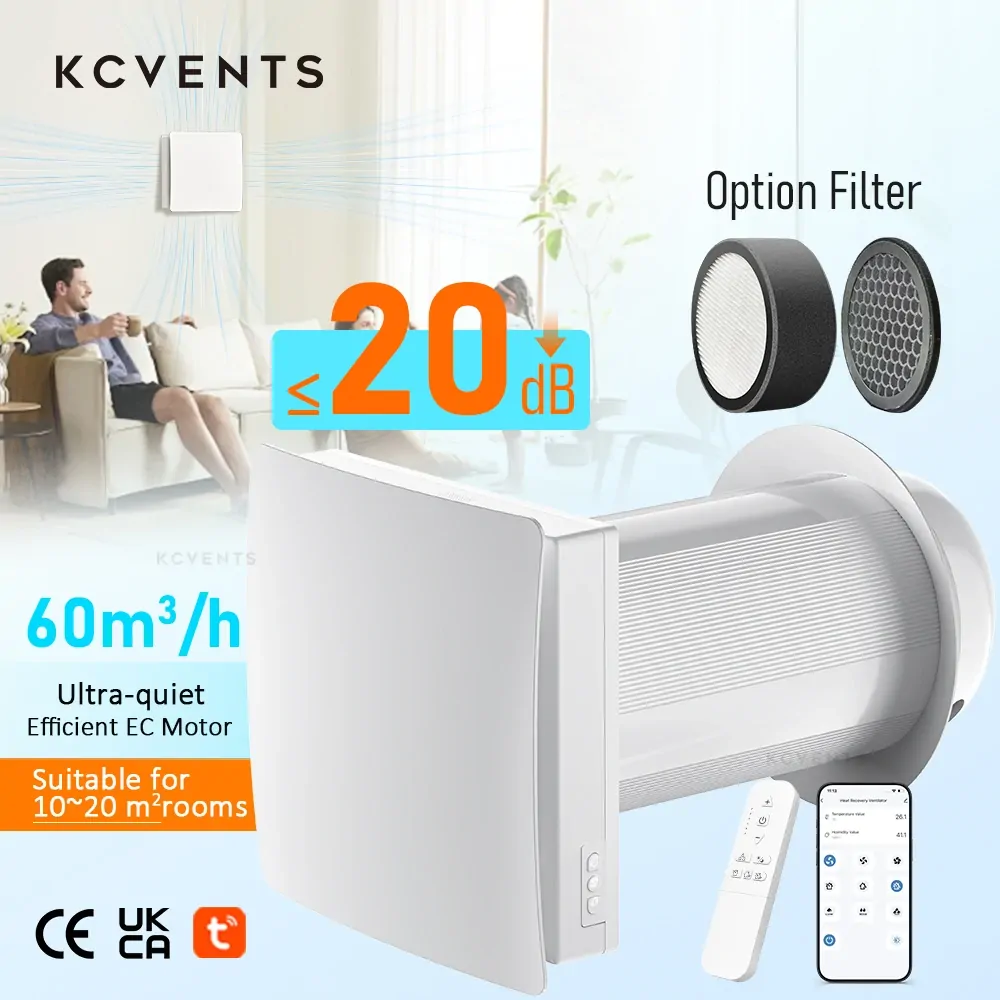
Эту нишу как раз и занимают децентрализованные рекуператоры тепла (HRV). Модель KCVENTS VT501-Wifi возвращает до 90% тепла из вытяжного воздуха, работает с уровнем шума менее 30 дБ, фильтрует приточный воздух с помощью HEPA и активированного угля и монтируется в одно сквозное отверстие в стене без каких-либо воздуховодов. Ниже мы рассмотрим тренды 2026 года, преимущества устройства перед открытым окном или вытяжным вентилятором, а также реальный опыт его ежедневной эксплуатации.
VT501-Wifi монтируется через одно отверстие в наружной стене: комнатная панель соединяется с телескопическим воздуховодом и наружной решеткой без необходимости прокладки централизованных воздуховодов.
Три вызова в области вентиляции, определяющие 2026 год
Счета за электроэнергию и ужесточение норм энергоэффективности
ЕС, Великобритания и страны Северной Америки ужесточают требования к энергоэффективности зданий к 2026 году, и проекты реновации все чаще требуют модернизации систем вентиляции. В то же время расходы на энергоносители остаются одной из главных статей затрат для населения.
Расчет прост: за каждый кубический метр теплого (или охлажденного) воздуха, удаленного без рекуперации, приходится платить дважды — сначала за его нагрев или охлаждение, а затем снова за подготовку замещающего воздуха. Рекуператор тепла улавливает эту энергию до ее выброса наружу. Керамический теплообменник VT501-Wifi рассчитан на эффективность до 90%, а в ночном режиме (Sleep) вся установка потребляет всего 5 W — меньше, чем ночник.
Дым, пыльца и загрязнение наружного воздуха
Дым от лесных пожаров перестал быть редкостью — во многих регионах это сезонная реальность, ощутимая порой за тысячи километров от самого очага возгорания. Сезоны пыления начинаются раньше и длятся дольше. В обоих случаях привычка “открыть окно для проветривания” часто лишь ухудшает качество воздуха в помещении.
Сбалансированная система HRV обеспечивает воздухообмен без необходимости открывать окна, поскольку приточный воздух предварительно проходит фильтрацию. Модель VT501-Wifi комплектуется комплектом двойной фильтрации: HEPA + активированный уголь — который задерживает пыльцу, пыль, мелкодисперсные частицы и большинство наружных запахов до их попадания в комнату. Это надежная защита как во время задымления, так и в сезон аллергий.
Герметичные спальни с высоким уровнем CO₂
Качественные окна и теплоизоляция сохраняют тепло, но в то же время удерживают CO₂, влагу и загрязняющие вещества. Повышенный уровень CO₂ в спальне напрямую ведет к ухудшению качества сна, утренним головным болям и чувству разбитости днем. Вытяжные вентиляторы удаляют лишь часть воздуха, но при этом вытягивают тепло и шумят всю ночь, а открытое окно зимой или летом нарушает комфорт и увеличивает расходы на отопление или кондиционирование.
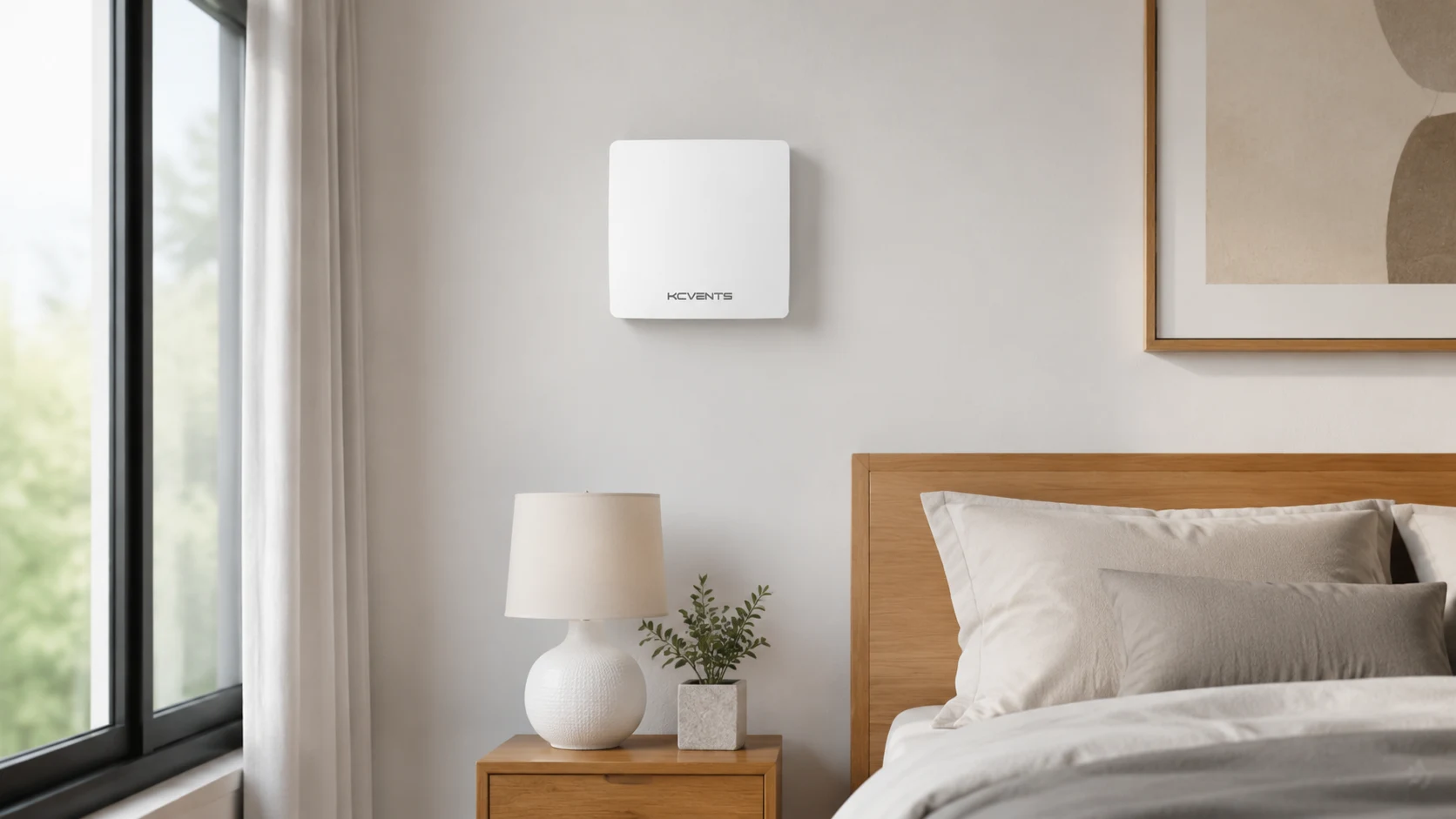
Бесшумный, сбалансированный децентрализованный рекуператор (HRV) — это практичное решение: непрерывный приток свежего воздуха с минимальными потерями тепла и настолько тихий, что спать можно прямо рядом с ним.
Почему децентрализованный HRV превосходит альтернативные решения
Вариант
Преимущества
Ограничения
Открытое окно
Бесплатно, без оборудования
Теплопотери, шум, нефильтрованный наружный воздух (дым, пыльца, пыль), уязвимость безопасности и погодные факторы
Только вытяжной вентилятор
Простота, низкая стоимость
Без рекуперации тепла, без фильтрации приточного воздуха, высокий уровень шума, создание отрицательного давления и сквозняков
Централизованный канальный HRV/ERV
Эффективность для всего дома
Высокая стоимость, необходимость проектирования и монтажа воздуховодов, сложность реализации в квартирах, на арендованных объектах и при реновации
Портативный очиститель воздуха
Фильтрует рециркуляционный воздух
Не обеспечивает приток свежего воздуха и удаление CO₂, отсутствует рекуперация тепла
Децентрализованный рекуператор HRV (VT501-Wifi)
Эффективность рекуперации тепла до 90%, HEPA- и угольная фильтрация, уровень шума менее 30 дБ, управление по Wi-Fi, монтаж через одно отверстие
Обслуживает одно помещение (возможно масштабирование по схеме «ведущий/ведомый»)
Для спален, домашних кабинетов, квартир и проектов реконструкции децентрализованный HRV обычно является оптимальным компромиссом между производительностью, уровнем шума, трудоемкостью монтажа и затратами.
Краткий обзор VT501-Wifi
Рекуперация тепла до 90% — керамический теплообменник возвращает тепло из вытяжного воздуха как в отопительный сезон, так и в сезон охлаждения
Низкий уровень шума — менее 30 дБ — бесколлекторный двигатель постоянного тока (BLDC) в шумоизолированном корпусе, идеально подходящий для спален, детских комнат и домашних кабинетов
Двойная фильтрация — HEPA-фильтр и угольный фильтр для защиты от пыльцы, пыли, взвешенных частиц и запахов с улицы
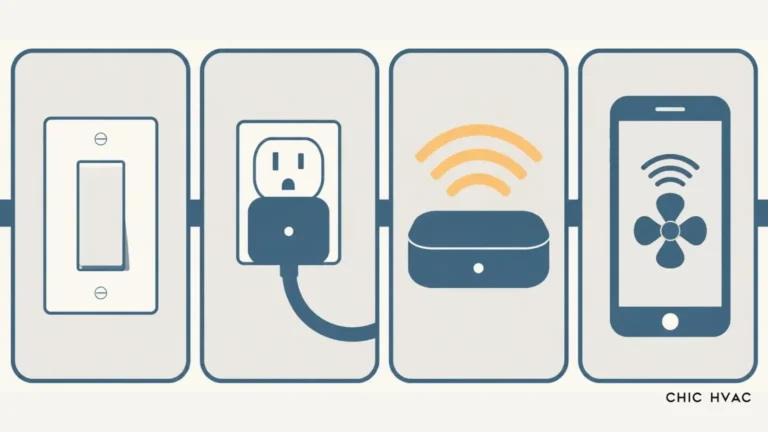
Интеллектуальное управление по Wi-Fi — приложение на базе Tuya для выбора режимов, настройки расписаний и сценариев автоматизации
Монтаж в одно отверстие в стене — телескопический воздуховод через наружную стену без необходимости прокладки сети воздуховодов
Три режима работы — «Приток» (Fresh Air), «Вытяжка» (Exhaust) и 65-секундный циклический режим (Cycle)
Широкий диапазон напряжения и рабочих температур — 12 В пост. тока или 100–240 В, 50/60 Гц; диапазон рабочих температур от -20°C до +50°C
Performance Parameters
Скорость
Airflow (m³/h)
Общая мощность (Вт)
Ток (А)
Скорость вращения двигателя (об/мин)
Ночной режим
20
2.5
0.025
630
I
48
3.0
0.030
1,100
II
54
4.5
0.045
1,600
III
60
8.5
0.070
2,200
Даже на максимальной скорости установка потребляет всего 8,5 Вт — целый год работы в ночном режиме обходится всего в несколько долларов затрат на электроэнергию, при этом сэкономленное тепло окупает расходы на отопление и охлаждение многократно.
Как уровень шума воспринимается ночью на самом деле
“Менее 30 дБ” — это показатель из спецификации; важно то, как прибор звучит в абсолютно тихой спальне. По результатам наших испытаний при монтаже на типовой стене из гипсокартона:, в режиме Sleep уровень шума составляет около 20–23 дБ and на скорости I — около 24–26 дБ — сопоставимо с тишиной в библиотеке; звук слышен, только если специально прислушиваться. На скорости II шум становится различимым в тихой комнате, а на скорости III (60 м³/ч) работа двигателя отчетливо слышна, что ближе к звуку небольшого настольного вентилятора на средней мощности. Главное — это тембр звука: мягкий низкочастотный гул без высокочастотного свиста, который обычно и мешает сну.
Фактические значения могут отличаться на несколько дБ в зависимости от толщины стен и акустики помещения, поэтому данные цифры являются ориентировочными. Практическая рекомендация для людей с чутким сном: включайте установку на ночь в режиме Fresh Air на скорости Sleep или I. 65-секундный циклический режим — единственный, при котором заметно реверсивное переключение двигателя примерно каждую минуту: он отлично подходит для быстрого проветривания, но не для сна.
Три режима для повседневного использования
Режим «Приток» (Fresh Air) — непрерывная сбалансированная подача очищенного свежего воздуха для регулярной вентиляции.
Режим «Вытяжка» (Exhaust) — быстрое удаление отработанного воздуха, запахов готовки или избыточной влажности.
65-секундный циклический режим (Cycle) — попеременная работа на приток и вытяжку для быстрого обновления воздуха, например, после ухода гостей или перед сном.
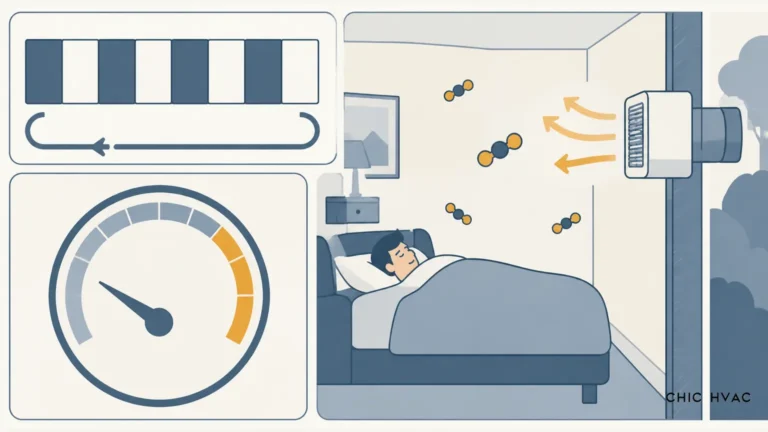
Как работает 65-секундный цикл: керамический теплообменник накапливает тепло. Вентилятор выводит вытяжной воздух через теплообменник, нагревая его по мере выхода воздуха; затем направление вращения меняется, и вентилятор подает свежий воздух через тот же нагретый теплообменник, который предварительно подогревает входящий поток (а летом — мягко охлаждает его). VT501 меняет направление каждые 65 секунд, обеспечивая эффективную рекуперацию тепла в компактном корпусе для одного отверстия без громоздкого пластинчатого рекуператора. В повседневном использовании циклический режим служит кнопкой быстрого проветривания, тогда как режим Fresh Air предназначен для постоянной фоновой работы.
Интеллектуальное управление через приложение Tuya/Wi-Fi
Вентиляция приносит реальную пользу только при постоянной работе, а рекуператор с Wi-Fi избавляет от сложностей с ручной настройкой. С помощью приложения на базе Tuya вы можете переключать режимы, регулировать скорость и настраивать расписание со своего телефона: включить режим вытяжки перед приготовлением пищи, установить ночную скорость на ночь или усилить приток свежего воздуха перед возвращением домой. Устройство также легко интегрируется в стандартные сценарии умного дома без дополнительных шлюзов.
Практический совет из опыта монтажа и эксплуатации: VT501 подключается по Wi-Fi 2,4 ГГц, как и большинство устройств Tuya. Если процесс сопряжения прерывается, переключите телефон на диапазон 2,4 ГГц (или временно отключите на роутере функцию “band steering” / Smart Connect) и повторите попытку — это решает подавляющее большинство проблем с подключением.
Монтаж: что необходимо проверить перед сверлением
VT501-Wifi разработан для удобной установки в рамках модернизации существующих помещений:
Через наружная стена с одним отверстием и телескопический воздуховод
Без центральных воздуховодов — идеально для квартир, арендаторов и проектов реконструкции
Длина воздуховода: 250–500 мм, подрезается под толщину стены (диаметр отверстия 160 мм Ø)
Лицевая панель со стороны помещения: 242 × 242 мм, компактный размер для большинства помещений
Перед бурением обратите внимание на четыре ключевых момента — именно с них начинается большинство проблем при монтаже:
Разрешение, если вы арендуете жилье. Отверстие диаметром 160 мм является постоянным изменением ограждающей конструкции здания. Перед бурением проверьте договор аренды и согласуйте работы с собственником или управляющей компанией. На практике многие владельцы дают согласие, убедившись, что отверстие можно надежно герметизировать и заделать при выезде.
Скрытые коммуникации внутри стены. Убедитесь, что по траектории бурения отсутствуют кабели, трубы или арматура. Для бетонных и кирпичных стен наиболее качественную и чистую работу выполнит специалист с установкой алмазного бурения — это займет около часа.
Толщина стены и длина воздуховода. Измерьте толщину стены перед заказом: телескопический воздуховод перекрывает диапазон 250–500 мм, причем стены с воздушным зазором или слоем теплоизоляции обычно требуют максимальной длины. Слишком короткий воздуховод — самая распространенная ошибка при монтаже.
Наружная сторона. Наружную решетку следует устанавливать с небольшим уклоном вниз для отвода косого дождя, а также вдали от мест скопления листвы, гнездования птиц и зон воздействия сильного встречного ветра. Тщательно загерметизируйте зазор между воздуховодом и стеной — именно герметик обеспечивает гидроизоляцию.
Этот монтаж вполне под силу выполнить самостоятельно при наличии необходимых навыков; в остальных случаях монтажник систем ОВК или мастер с установкой алмазного бурения справится за один-два часа — и качественно герметизированный результат того стоит.
Кому подходит VT501-Wifi — и его реальные ограничения
Спальни и детские комнаты — тихий, фильтрованный свежий воздух каждую ночь с уровнем шума менее 30 дБ
Квартиры и реконструируемые объекты — вентиляция с рекуперацией тепла для одного помещения без прокладки центральной системы воздуховодов
Домашние кабинеты и небольшие комнаты — более свежий воздух, отсутствие духоты и неприятных запахов, оптимальный уровень влажности во время работы
Всем, кто устал от холодных зимних сквозняков — сбалансированная вентиляция с эффективностью рекуперации тепла до 90% вместо потерь тепла через открытое окно
А кому этот прибор может не подойти? Один VT501 рассчитан примерно на помещение площадью 15–20 м² (около 160–215 кв. футов). Если вам требуется воздухообмен для всего дома, одного прибора будет недостаточно — практическим решением станет либо совместная работа нескольких установок (конфигурация master/slave позволяет второму устройству синхронизироваться с первым), либо централизованная система. А если бурение наружной стены невозможно в принципе, данная категория оборудования вам не подойдет.
Краткие ответы: часто задаваемые вопросы по VT501-Wifi
Как работает 65-секундный цикл с керамическим регенератором?
Керамический теплообменный блок аккумулирует тепло. В течение первой части каждого цикла вытяжной воздух проходит через блок и нагревает его при удалении наружу; затем вентилятор переключается на реверс, и приточный воздух затягивается обратно через тот же нагретый теплообменник, забирая накопленное тепло (а летом — мягко предварительно охлаждаясь). VT501 меняет направление потока каждые 65 секунд, благодаря чему компактная моноблочная установка обеспечивает рекуперацию тепла до 90% без применения крупногабаритного перекрестноточного теплообменника.
Достаточно ли тихо работает VT501-Wifi для людей с чутким сном?
Ночью используйте режим Fresh Air на скорости Sleep или I: на практике уровень шума находится в диапазоне 20–25 дБ (как в тихой библиотеке), и для большинства людей он становится незаметным уже через одну-две ночи. Звук двигателя представляет собой мягкий низкий гул, а не визг. Одно важное предупреждение: в 65-секундном циклическом режиме вы будете слышать реверс двигателя примерно каждую минуту, поэтому людям с чутким сном не рекомендуется включать этот режим на ночь.
Могут ли две установки VT501 работать вместе в режиме приточно-вытяжной вентиляции (push-pull)?
Да: VT501 поддерживает конфигурацию ведущий/ведомый (master/slave), при которой вторая установка синхронизирует режим работы с первой, обеспечивая вентиляцию двух помещений по схеме push-pull (например, спальни и гостиной). Именно это позволяет масштабировать децентрализованные рекуператоры (HRV) более чем на одну комнату. Схема подключения и настройки зависят от конкретной конфигурации, поэтому перед заказом нескольких установок уточните детали у вашего дилера или в KCVENTS.
Какое отверстие требуется для установки — и можно ли монтировать установку в арендованной квартире?
Отверстие в стене составляет Ø 160 мм, а телескопический воздуховод рассчитан на толщину стены 250–500 мм; лицевая комнатная панель имеет размеры 242 × 242 мм. При аренде жилья практический совет — сначала согласовать монтаж. Отверстие диаметром 160 мм является постоянным конструктивным изменением, поэтому проверьте договор аренды и получите письменное согласие арендодателя — многие соглашаются, если объяснить технологию монтажа и возможность заделки отверстия при выезде.
Почему устройство не подключается к Wi-Fi?
VT501 подключается по сети Wi-Fi 2,4 ГГц, что является стандартом для устройств на базе Tuya. Если ваш роутер вещает совмещенную сеть 5 ГГц / 2,4 ГГц, телефон и установка могут оказаться в разных диапазонах. Решение: подключите телефон к сети 2,4 ГГц на время сопряжения или временно отключите функцию Band Steering (Smart Connect) в роутере, после чего повторите сопряжение.
Какую площадь фактически обслуживает одна установка?
Практически одна установка VT501-Wifi рассчитана на помещение площадью 15–20 м² — стандартную спальню, детскую или домашний кабинет. Сама по себе она не предназначена для вентиляции всего дома или квартиры; для нескольких комнат рассмотрите схему «ведущий/ведомый» (master/slave) для синхронной работы нескольких устройств либо централизованную канальную систему.
Как решается вопрос конденсата или обмерзания в холодные зимы?
VT501 рассчитан на работу в диапазоне температур от -20°C до +50°C. На практике в периоды сильных морозов рекомендуется поддерживать непрерывную работу установки на низкой скорости, чтобы керамический регенератор оставался теплым, и использовать 65-секундный циклический режим при необходимости интенсивного воздухообмена — периодическая смена направления потока также способствует оттаиванию инея на теплообменнике. Стандартное правило для HRV с керамическим регенератором: регулярная непрерывная работа эффективнее длительных простоев.
Выбирайте тихую и энергоэффективную вентиляцию в 2026 году
С учетом цен на энергоносители, сезонов смога и пыльцы, а также научных данных о пользе свежего воздуха для здорового сна, децентрализованные рекуператоры (HRV) в 2026 году перешли из нишевого сегмента в категорию базовых решений. Модель VT501-Wifi объединяет в себе три ключевых требования для спальни или квартиры: реальная рекуперация тепла (до 90%), действительно тихая работа (уровень шума менее 30 дБ) и фильтрация, защищающая от наружного загрязнения — и все это при монтаже через одно отверстие без прокладки центральных воздуховодов. Для отдельной комнаты это надежное и практичное решение; для помещений большей площади систему можно масштабировать с помощью конфигурации ведущий/ведомый (master/slave) или канальной системы.
Хотите узнать больше? Ознакомьтесь со страницей продукта VT501-Wifi, , разделом часто задаваемых вопросов (FAQ) по серии VT501, или свяжитесь с KCVENTS для поддержки OEM/ODM. Каждая партия проходит заводские испытания перед отгрузкой (соответствие требованиям CE, RoHS и ISO9001), а для B2B-проектов доступны индивидуальная настройка расхода воздуха и интеграция систем «умного» управления.
Обновления рассылки
Подпишитесь на нашу рассылку, введя свой адрес электропочты