Single-Room HRV in 2026: Why the VT501-Wifi Works for Bedrooms, Apartments and Renovations
2026年までに、住宅の換気方法を静かに変化させた3つの要因があります: エネルギー価格の高騰, 建築物の省エネルギー基準の厳格化, 、そして 山火事や花粉の季節における外気環境の悪化. 。現代の新築住宅はこれまで以上に気密性が高くなっており、機械換気は「あると便利」なものから「必須」のものへと変化しています。一方で、多くの家庭では全面的なダクト式システムを導入するためのスペース、予算、または改修許可がありません。.
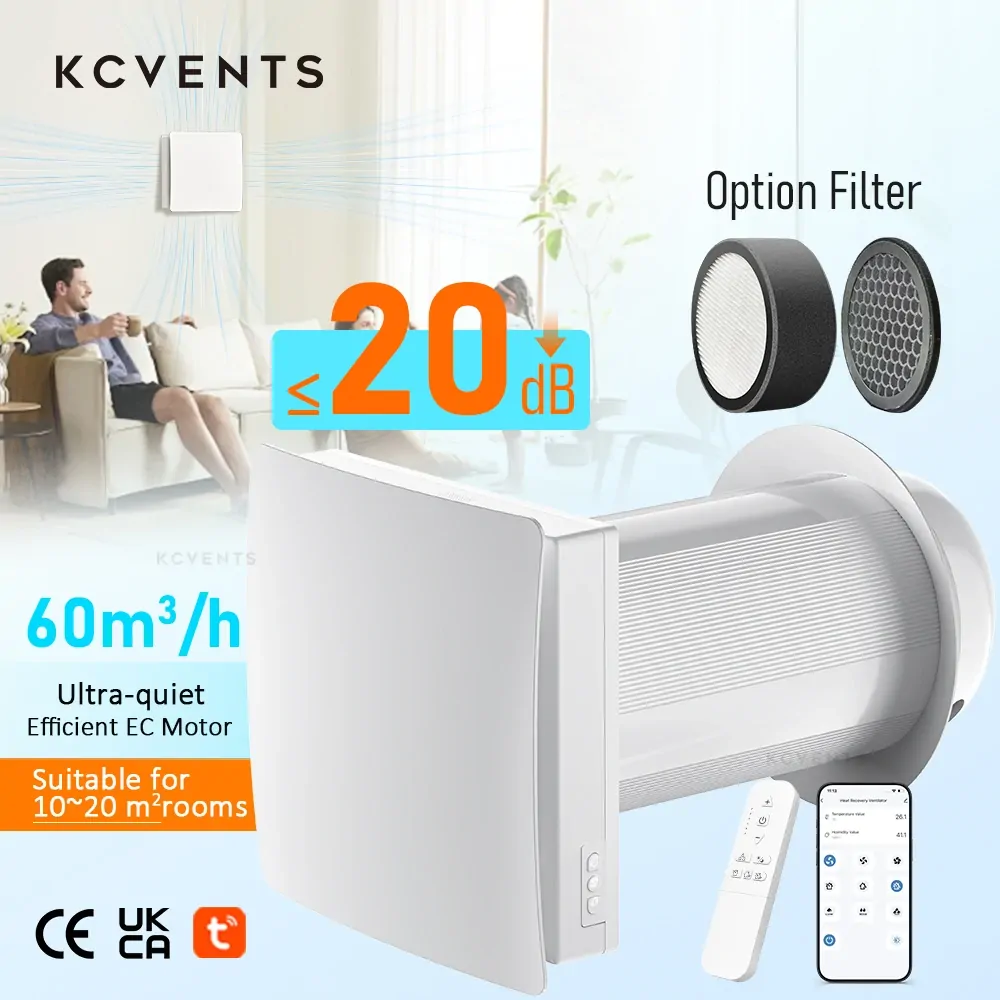
そのギャップをまさに埋めるのが、単室用熱回収換気装置(HRV)です。 KCVENTS VT501-Wifi は、排気中の熱を最大90%回収し、30 dB未満の静音で作動し、HEPAおよび活性炭フィルターで給気をろ過。ダクト配管は一切不要で、壁の1つの開口部のみで設置可能です。以下では、本製品の背景にある2026年のトレンド、窓開け換気や排気ファンに対する優位性、そして日々の実際の使用感について解説します。.
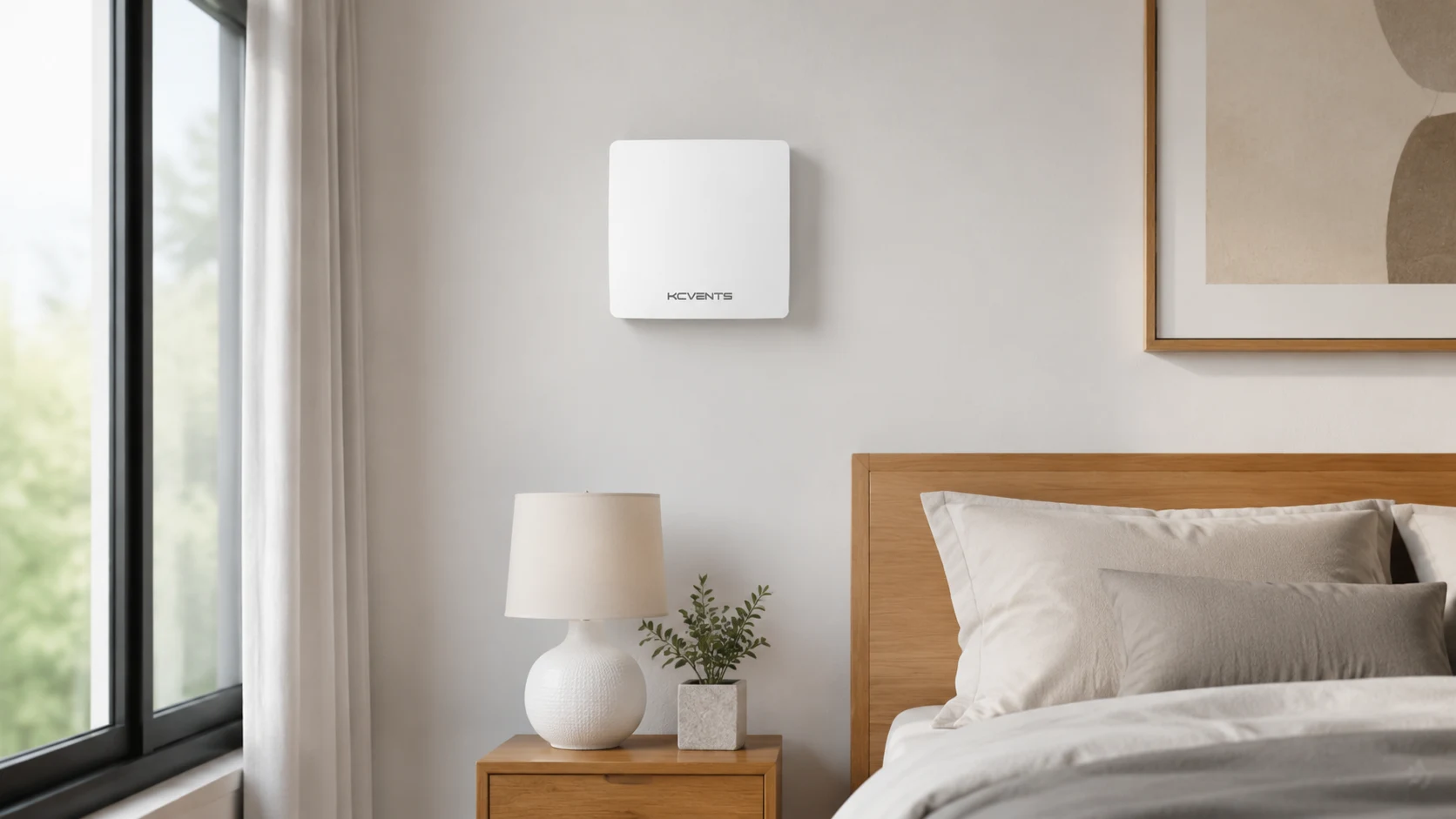 VT501-Wifiは外壁の開口部1箇所で設置可能です。室内側パネルが伸縮ダクトおよび屋外フード(グリル)と接続され、セントラルダクト配管は不要です。.
2026年の換気環境を左右する3つの課題
光熱費と厳格化する省エネ基準
EU、英国、北米ではいずれも2026年に向けて建物のエネルギー性能要件を厳格化しており、改修工事においても換気システムのアップグレードが不可欠になりつつあります。一方で、家庭の光熱費は家計において引き続き大きな懸念事項となっています。.
計算はシンプルです。熱回収を行わずに排出される暖かい(または冷たい)空気1立方メートルごとに、費用が2重に発生します。一度は空気を暖房・冷房するために、そしてもう一度は入れ替えた外気を空調するためです。 熱回収換気装置(HRV) は、エネルギーが排出される前にそれを回収します。VT501-Wifiのセラミック蓄熱コアは 最大90%の効率, を誇り、スリープ設定時の消費電力はユニット全体でわずか 5 W — 常夜灯よりも少ない電力です。.
煙、花粉、および屋外汚染物質
山火事の煙はもはや珍しい現象ではなく、多くの地域で季節性の現実となっており、火災現場から数千キロメートル離れた場所にまで影響が及ぶこともあります。花粉の飛散時期も早期化・長期化しています。いずれの場合も、「新鮮な空気のために窓を開ける」という判断が、室内空気を改善するどころか悪化させることが多々あります。.
給排気のバランスが取れたHRVなら、窓を開けることなく空気を循環させ、給気はまずフィルターを通過します。VT501-Wifiには HEPA+活性炭のデュアルフィルターセット が標準装備されており、花粉、ホコリ、微粒子、屋外のさまざまな臭気が室内に侵入するのを確実に抑制します。これは煙害の発生時やアレルギーシーズンの双方において極めて実用的な対策となります。.
高気密化による寝室のCO₂濃度上昇
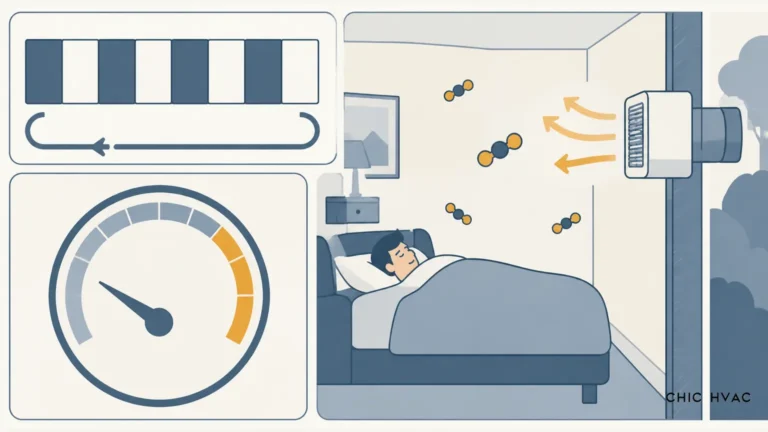
高性能な窓や断熱材は室内の熱を逃がさない一方で、CO₂、湿気、汚染物質も閉じ込めてしまいます。寝室のCO₂濃度の上昇は、睡眠の質の低下、朝の頭痛、翌日の倦怠感と直結していることが指摘されています。排気ファンはある程度これを排出しますが、熱を逃がしてしまい、夜通し作動音が発生します。また、冬季や夏季に窓を開けると、快適性が損なわれ光熱費も跳ね上がります。.
静音設計のバランス型シングルルームHRVは、まさに実用的な解決策です。熱損失を最小限に抑えながら連続的に新鮮な空気の換気を行い、すぐ隣で眠れるほどの静かさを実現します。.
シングルルームHRVが他の選択肢より優れている理由
| 選択肢 | 長所 | 短所 |
|---|
| 窓の開放 | 無料、設備不要 | 熱損失、騒音、外気の未ろ過(煙、花粉、粉塵)、防犯性および天候への曝露 |
| 換気扇のみ | シンプル、低コスト | 熱回収なし、給気ろ過なし、騒音、負圧やすきま風の発生 |
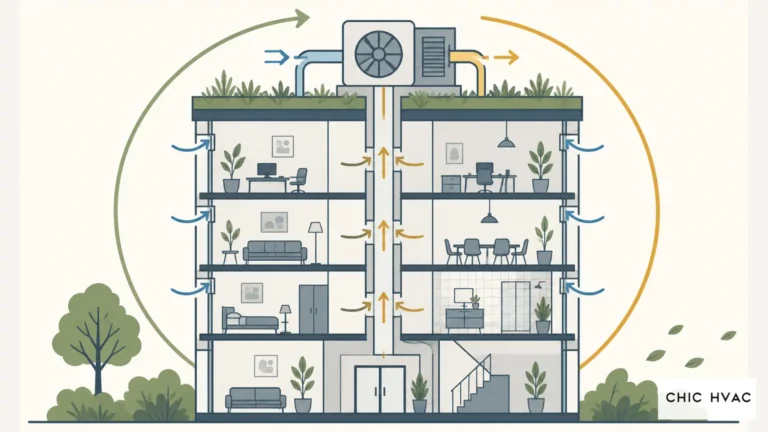
| 集中ダクト式HRV/ERV | 家全体の換気性能 | 高額、ダクト設計が必要、マンションや賃貸住宅、リフォームへの導入が困難 |
| ポータブル空気清浄機 | 循環空気をろ過 | 新鮮な外気の導入やCO₂の除去は不可、熱回収なし |
| シングルルームHRV(VT501-Wifi) | 最大90%の熱回収率、HEPA+活性炭フィルター、30dB未満、Wi-Fi制御、1つの穴開け工事のみで設置可能 | 対象は1部屋ごと(マスター/スレーブ構成で拡張可能) |
寝室、ホームオフィス、アパート、リノベーションプロジェクトにおいて、シングルルームHRVは通常、性能、静音性、施工性、コストのバランスが最も取れた選択肢となります。.
VT501-Wifiの概要
- 最大90%の熱回収率 — セラミックコアが暖房期・冷房期の双方で排気から熱を回収
- 30 dB未満の静音設計 — 防音ハウジングに収められたブラシレスDCモーターを採用し、寝室、子供部屋、ホームオフィスに最適
- デュアルろ過システム — 花粉、ホコリ、微粒子、屋外の臭気対策としてのHEPAおよび活性炭フィルター
- Wi-Fiスマートコントロール — 運転モード、スケジュール設定、自動化ルーチンに対応したTuyaベースのアプリ
- 壁面1穴設置 — 外壁を貫通する伸縮式ダクトにより、集中ダクト配管工事が不要
- Three operating modes — 給気(Fresh Air)モード、排気(Exhaust)モード、65秒サイクル(Cycle)モード
- 幅広い対応電圧および動作環境温度 — 12 VDCまたは100–240 V、50/60 Hz対応。-20°C~+50°Cの環境で作動
| Speed | Airflow (m³/h) | 総消費電力 (W) | Current (A) | モーター回転数 (RPM) |
|---|
| スリープ | 20 | 2.5 | 0.025 | 630 |
| I | 48 | 3.0 | 0.030 | 1,100 |
| II | 54 | 4.5 | 0.045 | 1,600 |
| III | 60 | 8.5 | 0.070 | 2,200 |
最大風量時でも消費電力はわずか 5 W — 毎晩1年間運転しても電気代はわずかで済み、熱回収機能によって冷暖房費をその何倍も削減できます。.
夜間における実際の騒音レベルの体感
“「30 dB未満」というのは仕様上の数値に過ぎません。重要なのは静寂な寝室で実際にどのように聞こえるかです。一般的な石膏ボード壁面での当社実測設置例では、, スリープ運転時は20 dB台前半、 and 風量 I では20 dB台半ば — 静かな図書館とほぼ同等で、意識して聴かないと聞こえないレベルです。風量 II では 静かな室内で認識できる程度となり、風量 III(60 m³/h)ではモーター音がはっきりと聞こえます, 。これは小型の卓上扇風機を「中」で回した音に近く、重要なのは音質です。眠りを妨げる甲高い高音ではなく、柔らかく低いハミング音となっています。.
実際の騒音値は壁の厚みや室内の音響環境によって数dB変動するため、これらは目安としてお考えください。眠りの浅い方への実用的なアドバイスとして、夜間は本ユニットを 給気(Fresh Air)モードのスリープまたは風量 I で運転することをお勧めします. 。65秒サイクルモードでは約1分ごとにモーターの回転が反転するため音が変化しやすくなります。このモードは短時間の急速換気に適しており、睡眠時には向いていません。.
日常の空気管理に適した3つの運転モード
- 給気モード(Fresh Air) — フィルターで浄化された外気を連続して供給し、日常的な計画換気を行います。.
- 排気モード(Exhaust) — 滞留した空気、調理時の臭気、急激な湿気の上昇をすばやく排出します。.
- 65秒サイクルモード(Cycle) — 給気と排気を交互に行い、来客後や就寝前など、部屋の空気を迅速にリフレッシュしたい場合に適しています。.
65秒サイクルの仕組み: セラミックコアが熱を蓄熱します。ファンが排気をコアを通して吸引し、空気が排出される際にコアを温めます。その後ファンが逆回転し、その温まったコアを通して給気を取り込むことで、導入空気を予熱します(夏季には予冷されます)。VT501は65秒ごとに給排気の向きを切り替えるため、かさばる直交流(クロスフロー)コアを使用せずに、コンパクトな単一壁穴ユニットで高効率な熱回収を実現します。日常的な運用においては、サイクルモードを「急速換気機能」、給気モードを「常時連続運転用」として使い分けるのが最適です。.
Tuya / Wi-Fiアプリによるスマートコントロール
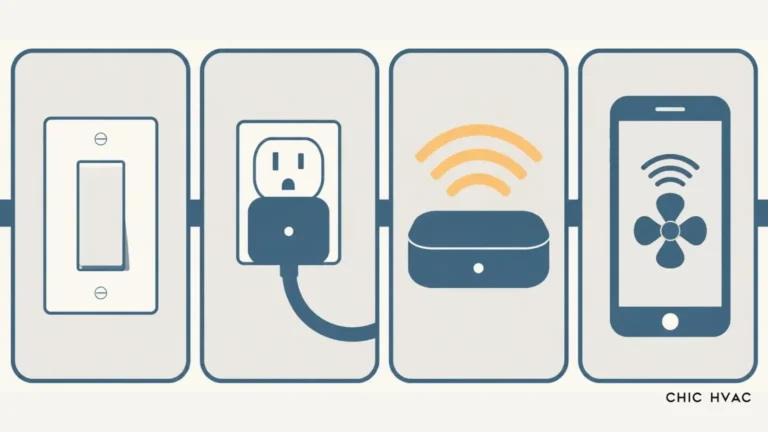
換気装置は実際に稼働してこそ真価を発揮します。Wi-Fi対応のHRVなら、手動設定の煩わしさを解消します。 Tuyaベースのアプリを使用すれば、 スマートフォンからモードの切り替え、風量調整、スケジュール設定が可能です。調理前に排気(Exhaust)モードを開始したり、夜間はスリープ(Sleep)風量で運転したり、帰宅前に外気導入(Fresh Air)をブーストしたりできます。また、追加のゲートウェイなしで一般的なスマートホームのルーティンにも容易に組み込めます。.
現場の経験から得られた実践的なポイント:VT501の接続には 4 GHz Wi-Fi, が使用されます(多くのTuya対応機器と同様)。ペアリングが進まない場合は、スマートフォンを2.4 GHz帯に接続するか(またはルーターの「バンドステアリング」/スマートコネクト機能を一時的に無効化する)、再度お試しください。これにより、お問い合わせいただくペアリングトラブルの大部分が解決します。.
設置:削孔(コア抜き)前の確認事項
VT501-Wifiは、既存建物への後付け(レトロフィット)が容易な設計になっています:
- ~を通して 単一の貫通穴を設けた外壁 および伸縮ダクト
- セントラルダクト工事不要 — アパート、賃貸物件、リノベーションプロジェクトに最適
- ダクト長: 250~500 mm, 、壁厚に合わせて切断可能(開口寸法 Ø160 mm)
- 室内側カバーパネル: 242 × 242 mm, 、ほとんどの部屋に適したコンパクトな設置サイズ
穴あけ工事の前に、設置トラブルの主な原因となる以下の4点をご確認ください:
- 賃貸の場合の工事許可。. 160 mmの穴あけは建物の外皮に対する恒久的な変更となります。工事前に賃貸契約書を確認し、家主または管理会社にご相談ください。実際には、退去時に適切に密閉・補修できることが確認できれば、承認されるケースが多くあります。.
- 壁の内部構造。. 穿孔ルート内に電気配線、配管、鉄筋がないことを確認してください。コンクリート壁やレンガ壁の場合、コアドリルを持つ専門業者に依頼すれば最も綺麗に仕上がり、作業時間も約1時間で完了します。.
- 壁の厚さとダクト長。. ご注文前に壁厚を測定してください。伸縮ダクトの対応範囲は250~500 mmですが、中空壁や断熱壁では長めの寸法が必要になることが一般的です。ダクト長が足りないトラブルは設置時によく見られます。.
- 屋外側の状態。. 屋外グリルは、吹き込む雨を排出できるようわずかに下り勾配をつけて設置し、落ち葉や鳥、強風による吹き込みを受けやすい場所を避けて取り付けてください。ダクトと壁の隙間は適切にコーキングしてください。防水性はシーリング材によって確保されます。.
DIYに慣れている方であればご自身で施工可能な範囲ですが、それ以外の場合でも、コアドリルを扱える空調設備業者や作業員に依頼すれば1~2時間で完了し、確実に密閉された美しい仕上がりが得られます。.
VT501-Wifiが適している環境と、その制約事項
- 寝室および子供部屋 — 30 dB未満の静音性で、毎晩フィルターを通した新鮮な外気を供給
- アパートおよびリノベーション物件 — セントラルダクトシステムを施工することなく、1部屋単位で熱回収換気(HRV)を導入可能
- ホームオフィスおよび小部屋 — 作業中の空気を清浄に保ち、息苦しさや臭いを低減し、適切な湿度を維持
- 冬場の冷たい隙間風を解消したい方に — 窓を開けて暖気を逃がす代わりに、最大90%の熱回収率によるバランス換気を実現
導入を見送るべきケース:VT501 1台の対応面積は約 15~20 m² (約160~215 sq ft)です。家全体の換気が必要な場合、単一ユニットでは対応しきれません。現実的な方法としては、複数台を連動運転させるか(マスター/スレーブ設定により2台目を連動制御)、セントラル換気システムを採用することです。また、外壁への穴あけ工事が一切行えない場合は、本製品カテゴリー自体が適していません。.
クイック回答:VT501-Wifi よくあるご質問
65秒のセラミックサイクルはどのように機能しますか?
セラミック蓄熱エレメント(コア)が熱を蓄えます。各サイクルの前半では、排気がコアを通過して排出される際にコアを温めます。その後ファンが逆回転し、外気(給気)が同じ温まったコアを通って室内に引き込まれることで蓄えられた熱を回収します(夏場は緩やかに予冷されます)。VT501は65秒ごとに給排気方向を切り替えることで、大型の直交熱交換素子を使わずに、単一穴のコンパクトなユニットで最大90%の熱回収率を達成します。.
VT501-Wifiは眠りの浅い方にも十分な静音性がありますか?
夜間は、外気導入(Fresh Air)モードを「Sleep」または「I」で運転してください。実際の騒音値は20 dB台前半〜半ば(静かな図書館と同等)であり、大抵の方は1〜2夜で気にならなくなります。モーター音は高周波のうなり音ではなく、静かで低いハミング音です。ただし一点留意点として、65秒サイクル(Cycle)モードでは約1分ごとにモーターの回転が反転する音が聞こえるため、音に敏感な方は夜間にこのモードで運転しないことをお勧めします。.
2台のVT501を連動させてプッシュプル換気を行うことはできますか?
はい、一定の構成下で可能です。VT501はマスター/スレーブ設定に対応しており、2台目のユニットが1台目の運転モードに連動することで、2部屋(例えば寝室とリビング)をプッシュプル方式で換気できます。これにより、単室用熱交換換気扇(HRV)を1部屋以上の空間へと拡張可能です。配線および設定の詳細は設置環境によって異なるため、複数台のご発注前に販売代理店またはKCVENTSにご確認ください。.
必要な開口径はどのくらいですか?また、賃貸住宅にも設置できますか?
壁面の開口径はΦ160 mmで、伸縮ダクトは壁厚250〜500 mmに対応します。室内側パネルの寸法は242 × 242 mmです。賃貸住宅の場合、事前の確認が必須となります。Φ160 mmの貫通穴は躯体加工となるため、賃貸借契約内容を確認し、オーナー様や管理会社から書面での承諾を得てください。設置内容や退去時の原状回復方法を説明することで、承諾を得られるケースも多くあります。.
Wi-Fiに接続できないのはなぜですか?
VT501はTuyaベースの機器で標準的な2.4 GHz Wi-Fiを介して接続します。ルーターが5 GHzと2.4 GHzの帯域を統合して発信している場合、スマートフォンと本機が異なる帯域に接続されてしまうことがあります。対処法:ペアリング時はスマートフォンを2.4 GHzネットワークに接続するか、ルーターのバンドステアリング(スマートコネクト)機能を一時的に無効にしてから再度ペアリングを行ってください。.
1台で実際にどのくらいの広さをカバーできますか?
現実的な能力として、単体のVT501-Wifiは15〜20 m²程度の部屋(一般的な寝室、子供部屋、書斎など)に適しています。単体で住宅全体やマンション全体の換気を賄うものではありません。複数の部屋を換気する場合は、マスター/スレーブ設定による複数台の連動運転、またはセントラルダクト方式をご検討ください。.
寒冷期の結露や凍結(フロスト)対策はどうなっていますか?
VT501の使用周囲温度定格は-20°C〜+50°Cです。極端な寒波の際は、セラミック蓄熱体を暖かく保つために低速で連続運転を続け、必要に応じて65秒サイクル(Cycle)モードを使用することをお勧めします。周期的な反転運転により、蓄熱コアの着霜を低減する効果もあります。セラミックコアHRVの標準的な運用として、長期間の停止を避け、継続的に微風運転を行うことが推奨されます。.
2026年、静音で高効率な換気設備を選択する
エネルギー価格の高騰、煙害や花粉シーズンの影響、そして快適な寝室環境が睡眠に与える科学的効果への意識の高まりにより、単室用HRV(熱交換換気)は2026年においてニッチな製品から主流のソリューションへと移行しました。 VT501-Wifi 寝室やアパートメントに求められる3つの要素を網羅: 本格的な熱回収(最大90%)、真の静音運転(定格30 dB未満)、そして屋外の汚染物質を遮断するフィルター機能 ——これらすべてを、セントラルダクト工事を必要としない単一貫通孔の設置で実現します。個室には極めて実用的なソリューションであり、より広い空間にはマスター/スレーブユニット構成やダクト式システムによる拡張が可能です。.
詳細情報については、以下をご覧ください: VT501-Wifi製品ページ, 、 VT501シリーズFAQ, 、またはOEM/ODMサポートについてKCVENTSまでお問い合わせください。すべての製造ロットは出荷前に工場テスト済み(CE、RoHS、ISO9001準拠)であり、B2Bプロジェクト向けのカスタム風量設計やスマート制御の統合にも対応しています。.