Utilizziamo i cookie per assicurarti di offrirti la migliore esperienza sul nostro sito web.
Stay Updated with KCVENTS Ventilation & HVAC Solutions
Subscribe to our newsletter for the latest airflow engineering insights, energy-efficient ERV/HRV system updates, and eco-friendly HVAC solutions.
Be the first to receive exclusive technical guides, custom OEM/ODM capabilities, and global exhibition news directly from KCVENTS.
Single-Room HRV in 2026: Why the VT501-Wifi Works for Bedrooms, Apartments and Renovations
Guida 2026: perché un recuperatore di calore per singolo ambiente come il KCVENTS VT501-Wifi è ideale per camere da letto e appartamenti — recupero termico fino a 90%, meno di 30 dB, filtrazione HEPA + carboni attivi, controllo Wi-Fi.
Single-Room HRV in 2026: Why the VT501-Wifi Works for Bedrooms, Apartments and Renovations
Entro il 2026, tre fattori hanno trasformato silenziosamente le modalità di ventilazione delle abitazioni: aumento dei costi energetici, normative più stringenti sull'efficienza energetica degli edifici, e peggiore qualità dell'aria esterna durante le stagioni degli incendi e dei pollini. Le nuove abitazioni sono costruite con un livello di ermeticità mai visto prima, trasformando la ventilazione meccanica da semplice opzione a vera necessità — sebbene la maggior parte delle famiglie non disponga dello spazio, del budget o delle autorizzazioni per un impianto canalizzato completo.
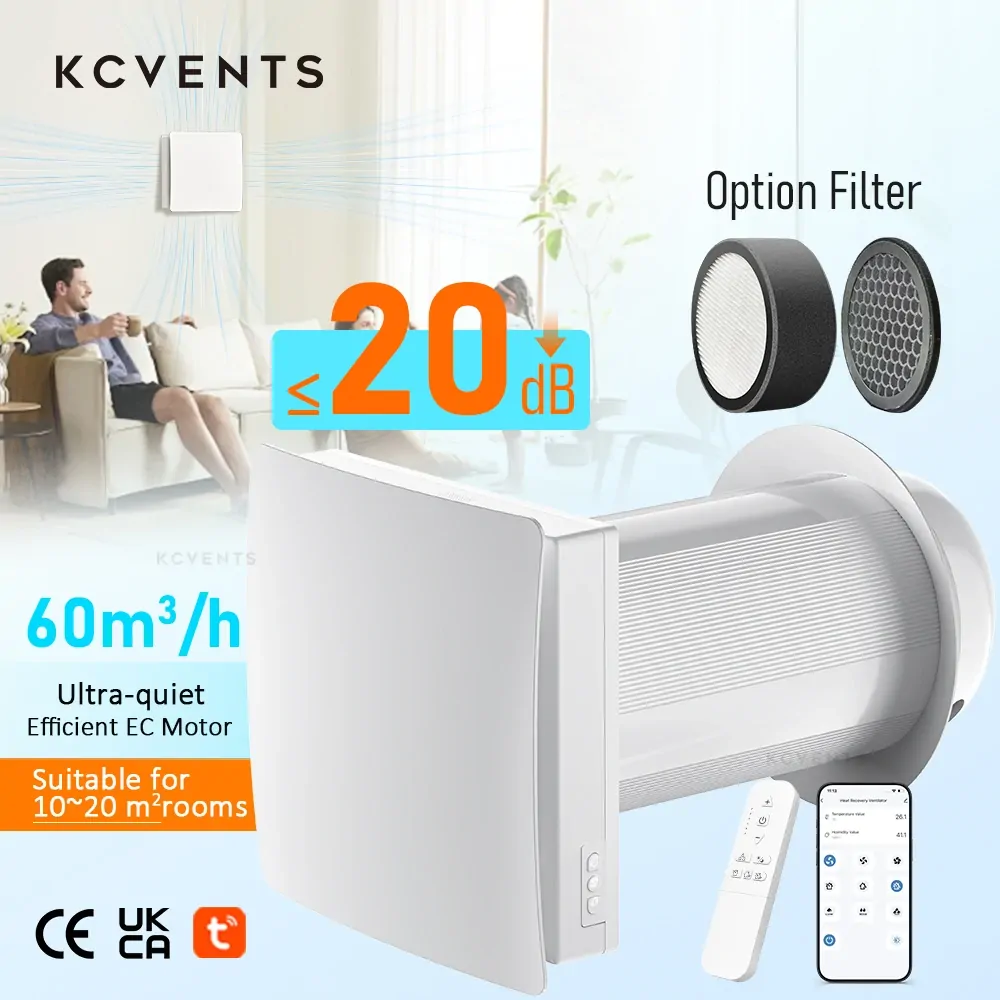
I recuperatori di calore puntuali (HRV) colmano esattamente questa esigenza. Il KCVENTS VT501-Wifi recupera fino al 90% del calore dell'aria espulsa, funziona al di sotto dei 30 dB, filtra l'aria immessa con HEPA e carboni attivi e si installa tramite un unico foro a parete — senza alcuna canalizzazione. Di seguito analizziamo i trend del 2026 alla base di questo prodotto, i suoi vantaggi rispetto a una finestra aperta o a un estrattore d'aria e i reali benefici nell'uso quotidiano.
VT501-Wifi si installa attraverso un'unica apertura nella parete perimetrale: il pannello lato ambiente si collega a un condotto telescopico e a una griglia esterna, senza necessità di canalizzazioni centralizzate.
Tre sfide di ventilazione che caratterizzano il 2026
Bollette energetiche e requisiti di efficienza sempre più stringenti
UE, Regno Unito e Nord America stanno inasprendo i requisiti di prestazione energetica per gli edifici fino al 2026, e gli interventi di ristrutturazione devono sempre più spesso includere un adeguamento dell'impianto di ventilazione. Nel frattempo, i costi energetici domestici rimangono tra le principali preoccupazioni di spesa.
Il calcolo è semplice: ogni metro cubo di aria calda (o fresca) espulsa senza recupero termico viene pagato due volte — la prima per riscaldarlo o raffrescarlo, la seconda per sostituirlo. Un recuperatore di calore recupera tale energia prima che fuoriesca. Il nucleo ceramico del VT501-Wifi è certificato per un'efficienza fino al 90%, e in modalità Sleep l'intera unità assorbe appena 5 W — meno di una luce notturna.
Fumo, pollini e inquinamento atmosferico
Il fumo degli incendi boschivi non è più un evento raro: in molte regioni rappresenta una realtà stagionale, a volte a migliaia di chilometri dal rogo stesso. Le stagioni dei pollini iniziano prima e durano più a lungo. In entrambi i casi, l'istinto di “aprire una finestra per cambiare aria” spesso peggiora la qualità dell'aria interna anziché migliorarla.
Un sistema HRV bilanciato garantisce il ricambio d'aria senza dover aprire le finestre, poiché l'aria di mandata viene preventivamente filtrata. Il VT501-Wifi include un set a doppio filtro — HEPA e carboni attivi — in grado di abbattere pollini, polvere, particolato e molti odori esterni prima che raggiungano l'ambiente. Una protezione efficace sia in presenza di fumo che durante la stagione delle allergie.
Camere da letto sigillate e con elevata concentrazione di CO₂
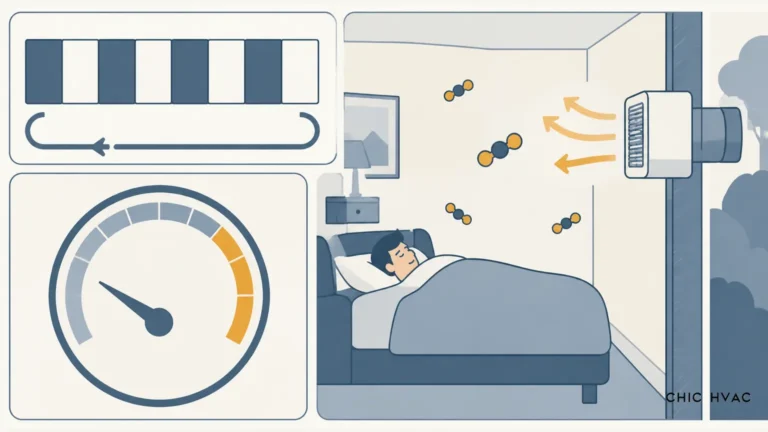
Infissi performanti e un buon isolamento trattengono il calore — ma intrappolano anche CO₂, umidità e inquinanti. Concentrazioni elevate di CO₂ nelle camere da letto sono costantemente associate a una peggiore qualità del sonno, mal di testa mattutini e sonnolenza durante il giorno. Gli estrattori d'aria ne eliminano una parte, ma disperdono calore e generano rumore continuo per tutta la notte; d'altro canto, una finestra aperta in inverno o in estate vanifica sia il comfort sia il risparmio energetico.
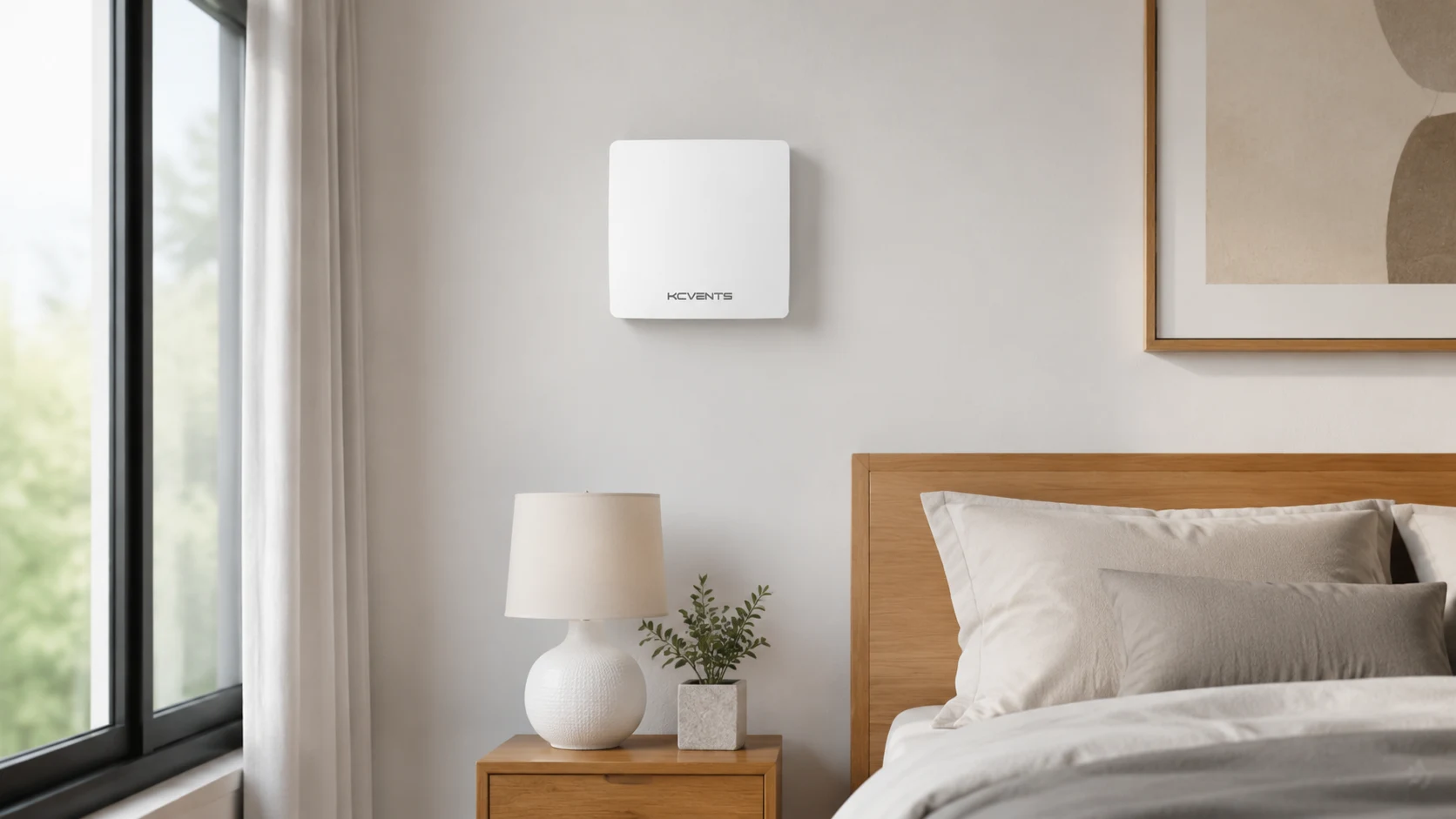
Un HRV monostanza silenzioso e bilanciato rappresenta la soluzione ideale: ricambio continuo di aria di rinnovo con minime dispersioni termiche, sufficientemente silenzioso da consentire il riposo nelle immediate vicinanze.
Perché l'HRV monostanza supera le alternative
Opzione
Punti di forza
Limiti
Finestra aperta
Gratuito, nessun impianto necessario
Dispersione termica, rumore, aria esterna non filtrata (fumo, polline, polvere), problemi di sicurezza ed esposizione alle intemperie
Solo estrattore d'aria
Semplice, economico
Nessun recupero di calore, nessuna filtrazione dell'aria di immissione, rumoroso, crea depressione e correnti d'aria
HRV/ERV centralizzato canalizzato
Rendimento sull'intera abitazione
Costoso, richiede la progettazione dei condotti, complesso per appartamenti, inquilini e riqualificazioni (retrofit)
Purificatore d'aria portatile
Filtra l'aria di ricircolo
Non immette aria di rinnovo né rimuove la CO₂, nessun recupero termico
HRV monostanza (VT501-Wifi)
Recupero termico fino a 90%, filtrazione HEPA + carboni attivi, inferiore a 30 dB, controllo Wi-Fi, installazione a singolo foro
Serve un locale alla volta (estendibile con configurazione master/slave)
Per camere da letto, uffici domestici, appartamenti e progetti di ristrutturazione, l'HRV monostanza rappresenta generalmente il miglior compromesso tra prestazioni, livello sonoro, facilità di installazione e costi.
Panoramica di VT501-Wifi
Recupero termico fino al 90% — lo scambiatore ceramico recupera il calore dall'aria espulsa sia nella stagione di riscaldamento che in quella di raffrescamento
Silenzioso, con livello sonoro inferiore a 30 dB — motore brushless DC in un alloggiamento fonoassorbente, specificamente progettato per camere da letto, camerette e studi domestici
Doppia filtrazione — HEPA e carboni attivi contro pollini, polvere, particolato e odori esterni
Controllo intelligente Wi-Fi — app basata su Tuya per la gestione di modalità, programmazioni orarie e routine di automazione
Installazione a parete con singolo foro — condotto telescopico attraverso parete perimetrale, senza canalizzazioni centralizzate
Tre modalità di funzionamento — Fresh Air (Aria di rinnovo), Exhaust (Espulsione) e modalità Ciclica da 65 secondi
Ampia gamma di tensione e temperature d'esercizio — 12 VDC o 100–240 V, 50/60 Hz; operativo da -20°C a +50°C
Performance Parameters
Speed
Airflow (m³/h)
Potenza totale (W)
Current (A)
Velocità motore (RPM)
Dormire
20
2.5
0.025
630
I
48
3.0
0.030
1,100
II
54
4.5
0.045
1,600
III
60
8.5
0.070
2,200
Anche alla massima velocità l'unità assorbe appena 5 W — un intero anno di funzionamento notturno costa solo pochi dollari di elettricità, mentre il calore recuperato consente di risparmiare un valore nettamente superiore sulle spese di riscaldamento e raffrescamento.
Qual è la reale percezione dei livelli di rumorosità durante la notte
“Inferiore a 30 dB” è un dato di specifica; ciò che conta davvero è la percezione acustica in una camera da letto silenziosa. Nelle nostre installazioni su una tipica parete in cartongesso, la modalità Sleep si attesta sui 20 dB bassi and la velocità I si colloca intorno ai 25 dB — paragonabile a una biblioteca silenziosa; udibile solo prestandovi particolare attenzione. Alla velocità II diventa percettibile in una stanza silenziosa, mentre alla velocità III (60 m³/h) il motore è chiaramente udibile, simile a un piccolo ventilatore da tavolo a velocità media. L'aspetto fondamentale è il timbro: si tratta di un ronzio basso e morbido piuttosto che di un sibilo ad alta frequenza, che è ciò che realmente disturba il sonno.
I valori effettivi possono variare di qualche dB in base allo spessore della parete e all'acustica dell'ambiente, pertanto vanno considerati come indicativi. Un consiglio trasparente per chi ha il sonno leggero: impostare l'unità in modalità Fresh Air su Sleep o velocità I durante la notte. La modalità Cycle da 65 secondi è l'unica in cui si avverte l'inversione di rotazione del motore circa ogni minuto — ideale per un ricambio rapido, non per il riposo notturno.
Tre modalità per il controllo quotidiano
Modalità Fresh Air — immissione continua e bilanciata di aria esterna filtrata per la ventilazione quotidiana.
Modalità Exhaust — rapida espulsione di aria viziata, odori di cottura o picchi di umidità.
Modalità Cycle da 65 secondi — alterna immissione ed estrazione per rinfrescare rapidamente l'ambiente quando necessario, ad esempio dopo la presenza di ospiti o prima di coricarsi.
Come funziona il ciclo da 65 secondi: lo scambiatore ceramico accumula calore. La ventola estrae l'aria viziata facendola passare attraverso il pacco ceramico, riscaldandolo durante l'espulsione; successivamente inverte la rotazione immettendo aria esterna attraverso lo stesso elemento riscaldato, preriscaldando l'aria in entrata (e preraffrescandola leggermente in estate). Il modello VT501 inverte la direzione ogni 65 secondi, consentendo a un'unità compatta monoforo di garantire un effettivo recupero termico senza la necessità di un ingombrante scambiatore a flussi incrociati. Per l'uso quotidiano, la modalità Cycle funge da ricambio rapido, mentre la modalità Fresh Air è concepita per il funzionamento continuo.
Controllo intelligente con app Tuya/Wi-Fi
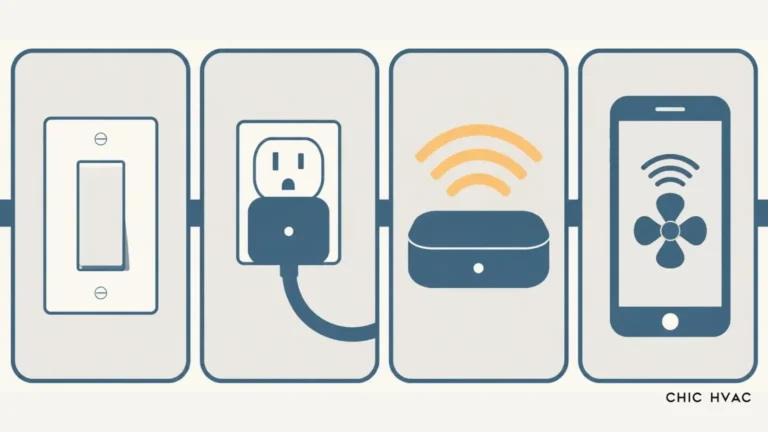
La ventilazione è efficace solo se l'impianto è in funzione, e un recuperatore HRV dotato di Wi-Fi elimina ogni difficoltà di gestione. Grazie all“ app basata su Tuya è possibile cambiare modalità, regolare la velocità e impostare programmazioni dallo smartphone: avviare la modalità Exhaust prima di cucinare, impostare la velocità Sleep durante la notte o potenziare l'immissione di Fresh Air prima di rientrare a casa. Si integra inoltre nelle comuni routine smart home senza necessità di gateway aggiuntivi.
Un consiglio pratico dettato dall'esperienza sul campo: il VT501 si connette tramite Wi-Fi a 2,4 GHz, come la maggior parte dei dispositivi Tuya. Se l'associazione si blocca, connetti lo smartphone alla banda a 2,4 GHz (o disabilita temporaneamente la funzione di “band steering” / smart connect del router) e riprova: questo risolve la maggior parte dei problemi di associazione riscontrati.
Installazione: cosa verificare prima di forare
Il VT501-Wifi è progettato per un'installazione ideale anche in caso di retrofit:
Attraverso una parete esterna con un singolo foro e un condotto telescopico
Nessuna canalizzazione centralizzata — ideale per appartamenti, inquilini e progetti di ristrutturazione
Lunghezza del condotto: 250–500 mm, tagliabile in base allo spessore della parete (diametro del foro Ø 160 mm)
Pannello di copertura lato ambiente: 242 × 242 mm, un ingombro compatto per la maggior parte degli ambienti
Prima di forare, verifica questi quattro aspetti: sono la causa della maggior parte dei problemi di installazione:
Autorizzazione, in caso di affitto. Un foro da 160 mm rappresenta una modifica permanente all'involucro edilizio. Verifica il contratto di locazione e consulta il proprietario o l'amministratore dell'immobile prima di forare. Nella pratica, molti proprietari acconsentono quando capiscono che il foro può essere sigillato e ripristinato correttamente in caso di trasloco.
Cosa c'è all'interno della parete. Verifica che non vi siano cavi, tubazioni o ferri di armatura nella traiettoria di perforazione. Per pareti in calcestruzzo o mattoni, un installatore dotato di carotatrice eseguirà il lavoro più pulito, impiegando circa un'ora.
Spessore della parete e lunghezza del condotto. Misura la parete prima di ordinare: il condotto telescopico copre 250–500 mm, e le pareti a cassa vuota o con isolamento si collocano solitamente sulla fascia superiore. Un condotto troppo corto è l'errore di installazione più comune.
Il lato esterno. La griglia esterna deve essere montata con una leggera pendenza verso il basso per favorire il deflusso della pioggia battente, e lontano da punti soggetti all'accumulo di foglie, alla presenza di volatili o a forti correnti d'aria dovute al vento. Sigilla adeguatamente l'intercapedine tra condotto e parete: è il sigillante a garantire la tenuta all'acqua.
L'intervento è perfettamente alla portata del fai-da-te per utenti esperti; in tutti gli altri casi, un tecnico HVAC o un manutentore dotato di carotatrice completa il lavoro in una o due ore, garantendo un risultato sigillato a regola d'arte.
A chi è consigliato il VT501-Wifi e i suoi limiti oggettivi
Camere da letto e camerette — aria fresca, filtrata e silenziosa ogni notte, con rumorosità certificata inferiore a 30 dB
Appartamenti e ristrutturazioni — ventilazione con recupero di calore per un singolo ambiente senza installare un impianto centralizzato canalizzato
Studi domestici e piccoli ambienti — aria più fresca, meno viziata, riduzione degli odori e livello di umidità ottimale durante il lavoro
Chiunque sia stanco degli spifferi freddi invernali — ventilazione bilanciata con un recupero termico fino al 90% invece di disperdere calore aprendo le finestre
E a chi invece potrebbe non essere adatto? Un singolo VT501 copre approssimativamente una stanza di 15–20 m² (circa 160–215 sq ft). Se è necessario il ricambio d'aria per l'intera abitazione, una singola unità non sarà sufficiente: la soluzione realistica consiste nell'utilizzare più unità coordinate (la configurazione master/slave consente a una seconda unità di sincronizzarsi con la prima) oppure un impianto centralizzato. Inoltre, se non è assolutamente possibile forare una parete esterna, questa categoria di prodotti non è adatta alla tua situazione.
Risposte rapide: Domande frequenti su VT501-Wifi
Come funziona il ciclo ceramico da 65 secondi?
Lo scambiatore ceramico accumula calore. Durante una fase del ciclo, l'aria di estrazione viene aspirata attraverso il nucleo riscaldandolo durante l'uscita; successivamente la ventola inverte il senso di rotazione e l'aria di immissione viene aspirata attraverso lo stesso nucleo caldo, recuperando il calore accumulato (e venendo leggermente preraffrescata in estate). Il VT501 inverte la direzione ogni 65 secondi, consentendo a un'unità compatta a singolo foro di raggiungere fino al 90% di recupero termico senza la necessità di un voluminoso scambiatore a flussi incrociati.
Il VT501-Wifi è sufficientemente silenzioso per chi ha il sonno leggero?
Di notte, impostare la modalità Fresh Air su Sleep o I: in pratica il livello sonoro si attesta sui 20–25 dB, paragonabile a una biblioteca silenziosa — per la maggior parte delle persone svanisce nel giro di una o due notti. Il tono del motore è un ronzio lieve e basso, non un fischio. Un avvertimento doveroso: nella modalità Cycle a 65 secondi si avverte l'inversione del motore all'incirca ogni minuto, pertanto chi ha il sonno leggero non dovrebbe utilizzare questa modalità durante la notte.
È possibile far funzionare due unità VT501 insieme per una ventilazione push-pull?
Sì, entro certi limiti: il VT501 supporta una configurazione master/slave, nella quale una seconda unità segue la modalità della prima per ventilare due ambienti con una disposizione push-pull (ad esempio, una camera da letto e un soggiorno). Questo è uno dei motivi per cui un sistema HRV puntuale può essere esteso oltre un singolo locale. I dettagli relativi a cablaggio e configurazione dipendono dall'installazione; si consiglia pertanto di verificare le specifiche con il proprio rivenditore o con KCVENTS prima di ordinare più unità.
Qual è il diametro del foro necessario — ed è possibile installarlo in un appartamento in affitto?
Il foro a parete ha un diametro di 160 mm Ø e il condotto telescopico copre uno spessore murario compreso tra 250 e 500 mm; il pannello lato ambiente misura 242 × 242 mm. In caso di locazione, la risposta pratica è: richiedere prima l'autorizzazione. Un foro da 160 mm costituisce una modifica permanente; verificare quindi il contratto di locazione e ottenere l'approvazione scritta del proprietario — molti acconsentono una volta chiarite le modalità di installazione e la possibilità di ripristinare il foro a fine locazione.
Perché non si connette alla rete Wi-Fi?
Il VT501 si connette tramite Wi-Fi a 2,4 GHz, lo standard per i dispositivi basati su Tuya. Se il router trasmette una rete combinata a 5 GHz / 2,4 GHz, lo smartphone e l'unità potrebbero trovarsi su bande diverse. Soluzione: collegare lo smartphone alla rete a 2,4 GHz durante l'accoppiamento oppure disattivare temporaneamente l'impostazione di band steering (smart connect) del router, quindi procedere nuovamente all'accoppiamento.
Quale superficie copre effettivamente una singola unità?
In termini pratici, un singolo VT501-Wifi è indicato per un ambiente di 15–20 m² — una tipica camera da letto, cameretta o studio. Non rappresenta da solo una soluzione per l'intera abitazione o l'intero appartamento; per più ambienti, valutare la configurazione master/slave per sincronizzare le unità, oppure un sistema canalizzato centralizzato.
Come viene gestita la condensa o il gelo negli inverni rigidi?
Il VT501 è certificato per funzionare da -20°C a +50°C. In condizioni pratiche, durante le ondate di freddo intenso, è consigliabile mantenere l'unità in funzione continua a bassa velocità per mantenere caldo il pacco ceramico, e utilizzare la modalità Cycle a 65 secondi in caso di necessità di ricambio rapido — l'inversione periodica consente inoltre al pacco di eliminare la brina. Pratica standard per gli HRV a pacco ceramico: un utilizzo costante e regolare è preferibile a lunghi periodi di inattività.
Scegliere una ventilazione silenziosa ed efficiente nel 2026
Tra i costi energetici, le stagioni caratterizzate da fumo e pollini e le evidenze scientifiche sui benefici dell'aria fresca per la qualità del sonno, nel 2026 la VMC puntuale con recupero di calore (HRV) è passata dall'essere una soluzione di nicchia a una scelta diffusa. Il VT501-Wifi soddisfa i tre requisiti fondamentali per una camera da letto o un appartamento: un reale recupero di calore (fino a 90%), un funzionamento realmente silenzioso (nominale inferiore a 30 dB) e una filtrazione che blocca l'inquinamento esterno — il tutto tramite un'installazione a foro singolo senza canalizzazioni centralizzate. Per un singolo ambiente rappresenta la soluzione più pratica ed efficace; per spazi più ampi, è possibile scalarlo con unità master/slave o con un sistema canalizzato.
Vuoi saperne di più? Consulta la pagina prodotto VT501-Wifi, le FAQ della serie VT501, oppure contatta KCVENTS per supporto OEM/ODM. Ogni lotto viene collaudato in fabbrica prima della spedizione (conforme a CE, RoHS e ISO9001); per i progetti B2B sono inoltre disponibili la progettazione personalizzata della portata d'aria e l'integrazione di controlli smart.
Aggiornamenti Newsletter
Inserisci il tuo indirizzo email qui sotto e iscriviti alla nostra newsletter