Single-Room HRV in 2026: Why the VT501-Wifi Works for Bedrooms, Apartments and Renovations
ภายในปี 2026 ปัจจัยขับเคลื่อน 3 ประการได้เปลี่ยนแปลงรูปแบบการระบายอากาศในที่อยู่อาศัยไปอย่างเงียบๆ: ราคาพลังงานที่สูงขึ้น, กฎระเบียบด้านประสิทธิภาพพลังงานของอาคารที่เข้มงวดยิ่งขึ้น, และ คุณภาพอากาศภายนอกอาคารที่แย่ลงในช่วงฤดูไฟป่าและละอองเกสรดอกไม้. บ้านสร้างใหม่มีโครงสร้างที่มิดชิดกว่าที่เคย ส่งผลให้ระบบระบายอากาศเชิงกลเปลี่ยนจากตัวเลือกเสริมกลายเป็นสิ่งจำเป็น — ในขณะที่ครัวเรือนส่วนใหญ่ยังคงไม่มีพื้นที่ งบประมาณ หรือการอนุญาตสำหรับการติดตั้งระบบท่อลมแบบเต็มรูปแบบ.
ช่องว่างดังกล่าวคือสิ่งที่เครื่องระบายอากาศพร้อมระบบกู้คืนความร้อน (HRV) แบบห้องเดี่ยวเข้ามาตอบโจทย์ได้อย่างสมบูรณ์แบบ โดย KCVENTS VT501-Wifi สามารถกู้คืนความร้อนในอากาศที่ระบายออกได้สูงสุดถึง 90% ทำงานเงียบต่ำกว่า 30 dB กรองอากาศบริสุทธิ์ที่เข้ามาด้วยแผ่นกรอง HEPA และคาร์บอนกัมมันต์ พร้อมติดตั้งผ่านช่องผนังเพียงช่องเดียว โดยไม่ต้องเดินท่อลมใดๆ ทั้งสิ้น ด้านล่างนี้ เราจะพาไปดูแนวโน้มปี 2026 เบื้องหลังผลิตภัณฑ์นี้ จุดเด่นที่เหนือกว่าการเปิดหน้าต่างหรือพัดลมดูดอากาศ และประสบการณ์การใช้งานจริงในชีวิตประจำวัน.
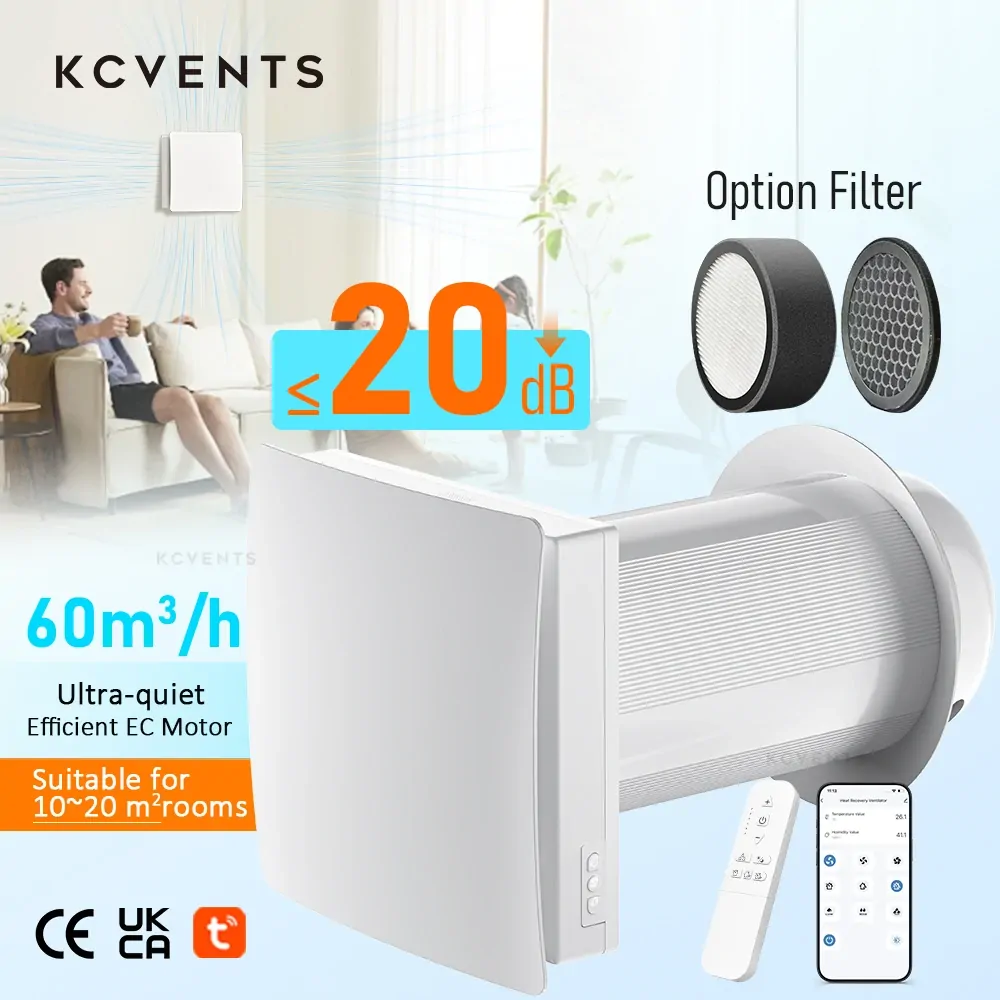
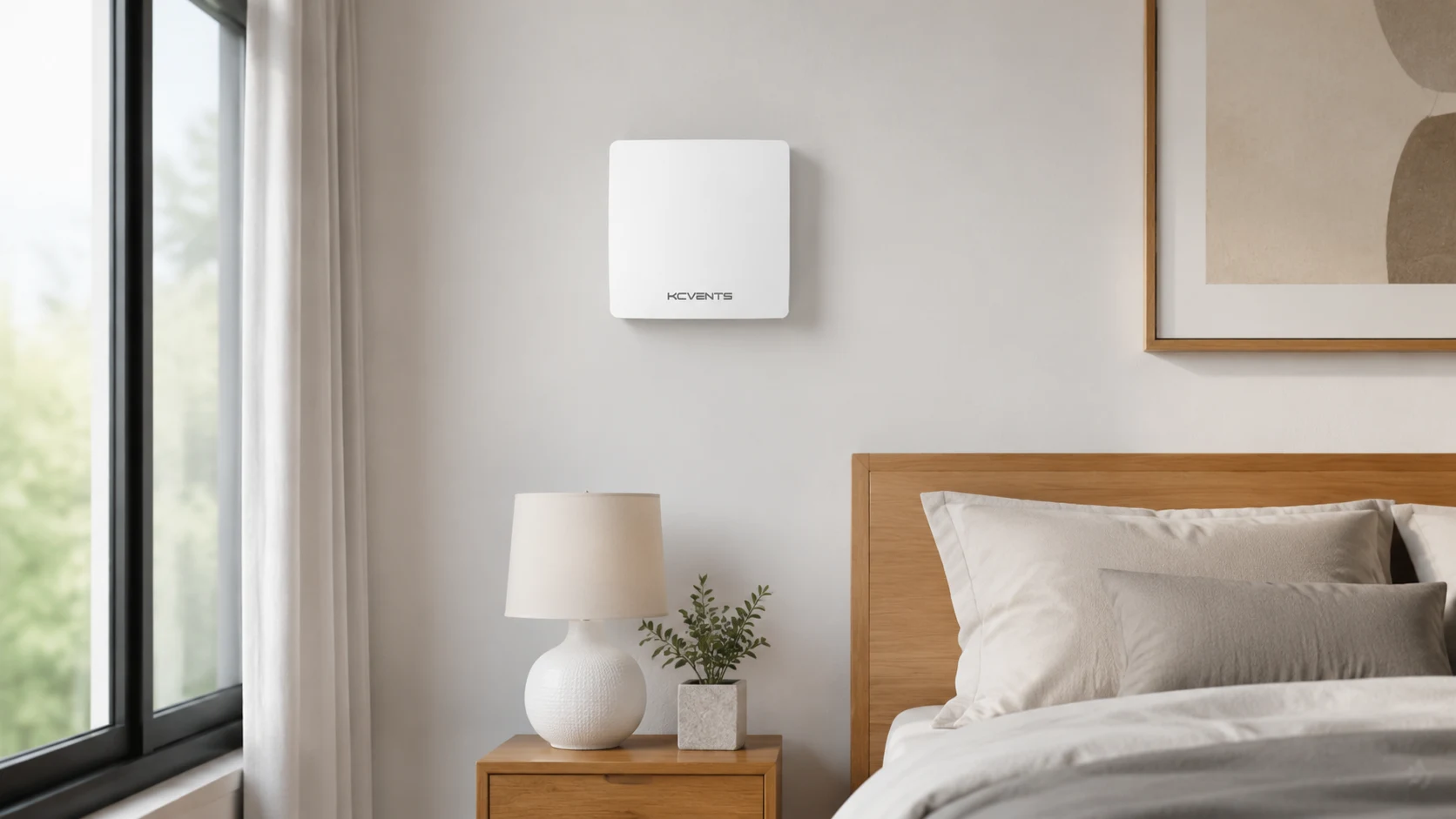 VT501-Wifi ติดตั้งผ่านช่องเปิดผนังภายนอกเพียงช่องเดียว: แผงควบคุมด้านในห้องเชื่อมต่อกับท่อยืดหดได้และหน้ากากระบายอากาศภายนอก โดยไม่ต้องใช้ระบบท่อลมส่วนกลาง.
3 ความท้าทายด้านการระบายอากาศที่กำหนดทิศทางในปี 2026
ค่าพลังงานและข้อกำหนดด้านประสิทธิภาพที่เข้มงวดยิ่งขึ้น
สหภาพยุโรป สหราชอาณาจักร และอเมริกาเหนือ ต่างเข้มงวดกับข้อกำหนดด้านประสิทธิภาพพลังงานของอาคารตลอดปี 2026 และงานรีโนเวทจำเป็นต้องรวมการอัปเกรดระบบระบายอากาศมากขึ้นเรื่อยๆ ในขณะเดียวกัน ค่าพลังงานของภาคครัวเรือนยังคงเป็นภาระค่าใช้จ่ายอันดับต้นๆ ของทุกคน.
หลักการคิดง่ายมาก: ทุกๆ ลูกบาศก์เมตรของอากาศอุ่น (หรือเย็น) ที่คุณระบายออกไปโดยไม่มีการกู้คืนความร้อนจะต้องจ่ายเงินสองต่อ — ครั้งแรกสำหรับการทำความร้อนหรือความเย็น และอีกครั้งสำหรับปรับอุณหภูมิอากาศที่เข้ามาแทนที่ โดย เครื่องระบายอากาศพร้อมระบบกู้คืนความร้อน จะดักจับพลังงานนั้นไว้ก่อนที่จะถูกระบายออกไป แกนเซรามิกของ VT501-Wifi มีอัตราประสิทธิภาพ สูงสุดถึง 90%, และเมื่อตั้งค่าโหมด Sleep ทั้งตัวเครื่องจะใช้พลังงานเพียง 5 W — น้อยกว่าไฟหรี่หัวเตียงเสียอีก.
ควัน เกสรดอกไม้ และมลพิษภายนอกอาคาร
ควันไฟป่าไม่ได้เป็นเหตุการณ์ที่เกิดขึ้นไม่บ่อยนักอีกต่อไป — ในหลายภูมิภาค ปัญหานี้กลายเป็นเรื่องที่เกิดขึ้นตามฤดูกาล และบางครั้งส่งผลกระทบไกลหลายพันกิโลเมตรจากจุดเกิดไฟป่า ฤดูละอองเกสรดอกไม้ก็เริ่มต้นเร็วขึ้นและยาวนานขึ้น ในทั้งสองกรณี สัญชาตญาณในการ “เปิดหน้าต่างเพื่อรับอากาศบริสุทธิ์” มักทำให้อากาศภายในอาคารแย่ลงแทนที่จะดีขึ้น.
เครื่อง HRV ที่สมดุลจะช่วยให้อากาศถ่ายเทได้โดยไม่ต้องเปิดหน้าต่าง เนื่องจากอากาศเติมจะผ่านการกรองก่อนเสมอ โดย VT501-Wifi มาพร้อมกับ ชุดแผ่นกรองคู่ — HEPA พร้อมคาร์บอนกัมมันต์ — ซึ่งช่วยดักจับเกสรดอกไม้ ฝุ่น ละอองอนุภาค และกลิ่นภายนอกอาคารมากมายก่อนที่จะเข้าสู่ตัวห้อง นี่คือการปกป้องที่เห็นผลจริงทั้งในช่วงเหตุการณ์ควันไฟและตลอดช่วงฤดูภูมิแพ้.
ห้องนอนที่ปิดมิดชิดและมีการสะสมของ CO₂ สูง
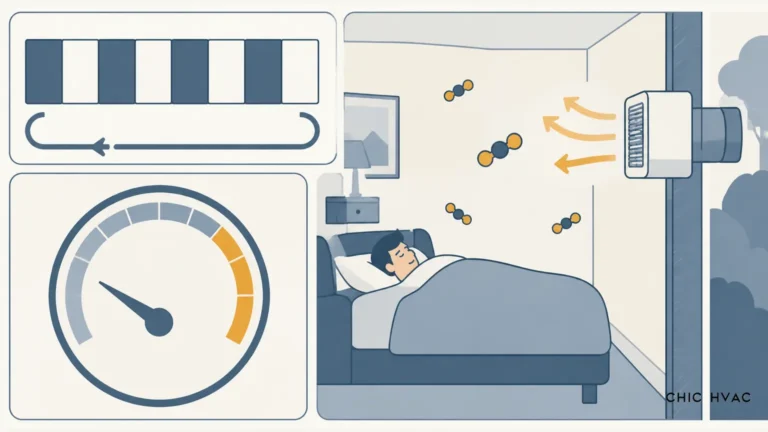
หน้าต่างและฉนวนกันความร้อนที่ดีช่วยกักเก็บอุณหภูมิไว้ — แต่ก็กักเก็บ CO₂, ความชื้น และสารมลพิษไว้ด้วยเช่นกัน ระดับ CO₂ ที่เพิ่มสูงขึ้นในห้องนอนมีความเชื่อมโยงอย่างชัดเจนกับคุณภาพการนอนหลับที่แย่ลง อาการปวดหัวในตอนเช้า และความเฉื่อยชาในวันถัดไป พัดลมดูดอากาศช่วยระบายได้บางส่วน แต่ก็สูญเสียความร้อนและส่งเสียงหึ่งตลอดทั้งคืน ส่วนการเปิดหน้าต่างในฤดูหนาวหรือฤดูร้อนก็ทำลายทั้งความสบายและเปลืองค่าพลังงาน.
เครื่อง HRV แบบเฉพาะห้องที่ทำงานเงียบและมีความสมดุล คือทางออกที่ตอบโจทย์การใช้งานจริง: แลกเปลี่ยนอากาศบริสุทธิ์ได้อย่างต่อเนื่องโดยสูญเสียความร้อนน้อยที่สุด และเงียบพอที่จะนอนหลับใกล้ๆ ได้.
ทำไม HRV แบบเฉพาะห้องจึงเหนือกว่าทางเลือกอื่น
| ทางเลือก | จุดเด่น | ข้อจำกัด |
|---|
| การเปิดหน้าต่าง | ไม่มีค่าใช้จ่าย ไม่ต้องใช้อุปกรณ์ | สูญเสียความร้อน มีเสียงรบกวน อากาศภายนอกไม่ผ่านการกรอง (ควัน ละอองเกสร ฝุ่น) มีปัญหาด้านความปลอดภัยและสภาพอากาศภายนอก |
| พัดลมระบายอากาศเพียงอย่างเดียว | ติดตั้งง่าย ต้นทุนต่ำ | ไม่มีการนำความร้อนกลับมาใช้ใหม่ ไม่มีการกรองอากาศเติม เสียงดัง ทำให้เกิดแรงดันลบและลมโกรก |
| ระบบ HRV/ERV แบบต่อท่อลมส่วนกลาง | ครอบคลุมการทำงานทั่วทั้งบ้าน | ราคาสูง ต้องออกแบบระบบท่อลม ติดตั้งยากสำหรับอพาร์ตเมนต์ ผู้เช่า และงานรีโนเวท |
| เครื่องฟอกอากาศแบบเคลื่อนย้ายได้ | กรองอากาศหมุนเวียนภายในห้อง | ไม่ได้เติมอากาศบริสุทธิ์หรือลด CO₂ และไม่มีการนำความร้อนกลับมาใช้ใหม่ |
| HRV แบบเฉพาะห้อง (VT501-Wifi) | นำความร้อนกลับมาใช้ใหม่ได้สูงสุด 90%, ระบบกรอง HEPA + Carbon, เสียงเงียบต่ำกว่า 30 dB, ควบคุมผ่าน Wi-Fi, ติดตั้งผ่านรูเจาะเพียงรูเดียว | รองรับการทำงานทีละห้อง (สามารถขยายระบบด้วยการตั้งค่าแบบ Master/Slave) |
สำหรับห้องนอน โฮมออฟฟิศ อพาร์ตเมนต์ และโครงการรีโนเวท HRV แบบเฉพาะห้องมักเป็นตัวเลือกที่ลงตัวที่สุด ทั้งในด้านประสิทธิภาพ ระดับเสียง ความสะดวกในการติดตั้ง และความคุ้มค่า.
ภาพรวมของ VT501-Wifi
- ประสิทธิภาพการกู้คืนความร้อนสูงถึง 90% — แกนเซรามิกกักเก็บและถ่ายเทความร้อนจากลมปล่อยทิ้งได้ทั้งในฤดูทำความร้อนและฤดูทำความเย็น
- ทำงานเงียบ ระดับเสียงต่ำกว่า 30 dB — มอเตอร์ Brushless DC ในโครงสร้างซับเสียง ออกแบบมาโดยเฉพาะสำหรับห้องนอน ห้องเด็ก และห้องทำงานที่บ้าน
- ระบบกรองอากาศสองชั้น (Dual filtration) — แผ่นกรอง HEPA และ Activated Carbon ป้องกันละอองเกสร ฝุ่น ละอองอนุภาค และกลิ่นไม่พึงประสงค์จากภายนอก
- ควบคุมอัจฉริยะผ่าน Wi-Fi — ควบคุมโหมดการทำงาน ตั้งเวลา และสร้างระบบอัตโนมัติผ่านแอปพลิเคชันบนแพลตฟอร์ม Tuya
- ติดตั้งผ่านผนังด้วยการเจาะรูเพียงรูเดียว — ท่อลมแบบยืดหดได้ (Telescopic duct) ผ่านผนังภายนอก โดยไม่ต้องเดินระบบท่อลมส่วนกลาง
- โหมดการทำงาน 3 โหมด — โหมด Fresh Air, โหมด Exhaust และโหมดสลับการทำงาน 65 วินาที (Cycle mode)
- รองรับแรงดันไฟฟ้าและสภาพภูมิอากาศที่หลากหลาย — 12 VDC หรือ 100–240 V, 50/60 Hz รองรับการทำงานที่อุณหภูมิ -20°C ถึง +50°C
| Speed | Airflow (m³/h) | กำลังไฟฟ้าทั้งหมด (W) | Current (A) | ความเร็วรอบมอเตอร์ (RPM) |
|---|
| Sleep | 20 | 2.5 | 0.025 | 630 |
| I | 48 | 3.0 | 0.030 | 1,100 |
| II | 54 | 4.5 | 0.045 | 1,600 |
| III | 60 | 8.5 | 0.070 | 2,200 |
แม้ทำงานที่ความเร็วสูงสุด ตัวเครื่องใช้ไฟเพียง 5 W — การเปิดใช้งานตลอดทั้งคืนเป็นเวลาหนึ่งปีเต็มมีค่าไฟเพียงไม่กี่ดอลลาร์ ในขณะที่ความร้อนที่กู้คืนได้ช่วยประหยัดค่าไฟของระบบทำความร้อนและความเย็นได้มากกว่าหลายเท่า.
ระดับเสียงในการใช้งานจริงในเวลากลางคืนเป็นอย่างไร
“ต่ำกว่า 30 dB” เป็นเพียงตัวเลขตามสเปก แต่สิ่งสำคัญคือระดับเสียงที่ได้ยินจริงในห้องนอนอันเงียบสงบ จากการทดสอบติดตั้งจริงบนผนังยิปซัมมาตรฐาน, โหมด Sleep ให้ระดับเสียงเพียง 20 ต้นๆ (dB) and ระดับ I อยู่ที่ประมาณ 20 กลางๆ — เทียบเท่ากับห้องสมุดที่เงียบสงบ แทบไม่ได้ยินเสียงหากไม่ตั้งใจฟัง ที่ ระดับ II จะเริ่มสังเกตเห็นเสียงได้ ในห้องที่เงียบสนิท และที่ ระดับ III (60 m³/h) จะได้ยินเสียงมอเตอร์ชัดเจนขึ้น, ใกล้เคียงกับพัดลมตั้งโต๊ะขนาดเล็กที่เปิดความเร็วปานกลาง สิ่งสำคัญคือลักษณะของเสียง: เป็นเสียงฮัมเบาๆ ในโทนต่ำ ไม่ใช่เสียงหวีดแหลมความถี่สูงที่มักรบกวนการนอนหลับ.
ตัวเลขจริงอาจคลาดเคลื่อนไป 2-3 dB ขึ้นอยู่กับความหนาของผนังและระบบเสียงภายในห้อง จึงควรใช้อ้างอิงเป็นค่าประมาณ คำแนะนำสำหรับผู้ที่ตื่นง่าย: ควรเปิดเครื่องใน โหมด Fresh Air ที่ระดับ Sleep หรือ I ตลอดคืน. เนื่องจากโหมดสลับการทำงาน 65 วินาที (Cycle mode) มอเตอร์จะกลับทิศทางการหมุนทุกๆ ประมาณหนึ่งนาที ซึ่งสังเกตเสียงได้ง่าย เหมาะสำหรับการระบายอากาศอย่างรวดเร็วมากกว่าการเปิดขณะนอนหลับ.
3 โหมดสำหรับการควบคุมการใช้งานในชีวิตประจำวัน
- โหมด Fresh Air — จ่ายอากาศบริสุทธิ์ที่ผ่านการกรองจากภายนอกอย่างต่อเนื่องและสมดุล เพื่อการระบายอากาศในชีวิตประจำวัน.
- โหมด Exhaust — กำจัดอากาศอับชื้น กลิ่นจากการทำอาหาร หรือความชื้นสะสมที่พุ่งสูงขึ้นได้อย่างรวดเร็ว.
- โหมดสลับการทำงาน 65 วินาที (Cycle Mode) — สลับระหว่างการดูดเข้าและระบายออกเพื่อเติมความสดชื่นให้ห้องอย่างรวดเร็วเมื่อจำเป็น เช่น หลังจากมีแขกกลับ หรือก่อนเข้านอน.
การทำงานของรอบการสลับ 65 วินาที: แกนเซรามิกจะทำหน้าที่กักเก็บความร้อน พัดลมจะดูดอากาศเสียออกผ่านแกนเซรามิก ทำให้อุณหภูมิถูกถ่ายเทสะสมไว้ในแกนขณะปล่อยอากาศทิ้ง จากนั้นพัดลมจะกลับทิศทางการหมุนเพื่อดูดอากาศบริสุทธิ์จากภายนอกผ่านแกนที่มีความร้อนสะสมอยู่ ซึ่งจะช่วยอุ่นอากาศขาเข้าล่วงหน้า (และช่วยลดอุณหภูมิลงล่วงหน้าในฤดูร้อน) รุ่น VT501 จะสลับทิศทางทุกๆ 65 วินาที ทำให้เครื่องขนาดกะทัดรัดที่เจาะผนังเพียงรูเดียวสามารถกู้คืนความร้อนได้อย่างมีประสิทธิภาพจริงโดยไม่ต้องใช้แกนแลกเปลี่ยนความร้อนแบบ Cross-flow ขนาดใหญ่ สำหรับการใช้งานประจำวัน ให้มองว่า Cycle mode เป็นปุ่มระบายอากาศเร่งด่วน ส่วนโหมด Fresh Air คือโหมดหลักที่เปิดใช้งานต่อเนื่อง.
ควบคุมอัจฉริยะผ่านแอปพลิเคชัน Tuya/Wi-Fi
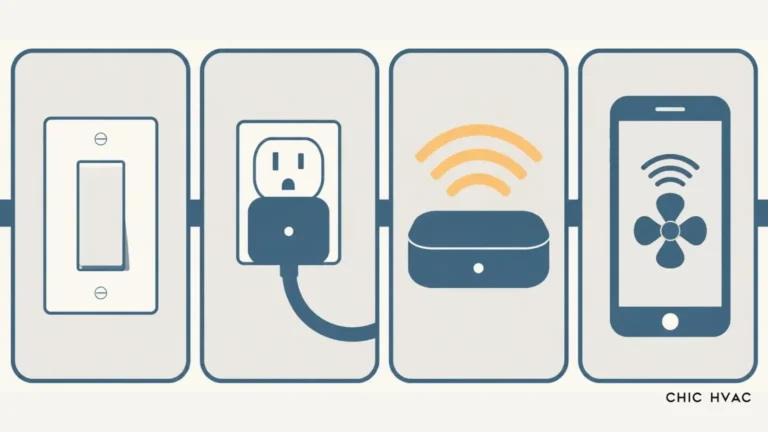
การระบายอากาศจะได้ผลก็ต่อเมื่อระบบทำงานจริง และเครื่อง HRV ที่รองรับ Wi-Fi ช่วยแก้ปัญหาความยุ่งยากในการตั้งค่า ด้วย แอปพลิเคชันบนแพลตฟอร์ม Tuya คุณสามารถสลับโหมด ปรับความเร็ว และตั้งเวลาการทำงานได้จากโทรศัพท์ของคุณ: เปิดโหมด Exhaust ก่อนเริ่มทำอาหาร, เปิดความเร็วระดับ Sleep ตลอดคืน หรือเร่งการเติม Fresh Air ก่อนคุณถึงบ้าน อีกทั้งยังเชื่อมต่อเข้ากับระบบสมาร์ตโฮมทั่วไปได้โดยไม่ต้องใช้เกตเวย์เพิ่มเติม.
เคล็ดลับที่มีประโยชน์จากประสบการณ์หน้างาน: VT501 เชื่อมต่อผ่าน Wi-Fi 2.4 GHz, เช่นเดียวกับอุปกรณ์ Tuya ส่วนใหญ่ หากการจับคู่ค้างหรือไม่สำเร็จ ให้เปลี่ยนโทรศัพท์ของคุณไปใช้คลื่น 2.4 GHz (หรือปิดฟีเจอร์ “band steering” / smart connect ของเราเตอร์ชั่วคราว) แล้วลองใหม่อีกครั้ง — ซึ่งช่วยแก้ปัญหาส่วนใหญ่ของการจับคู่อุปกรณ์ได้.
การติดตั้ง: สิ่งที่ต้องตรวจสอบก่อนเริ่มเจาะผนัง
VT501-Wifi ได้รับการออกแบบมาเพื่อการติดตั้งแบบปรับปรุงอาคารเดิม (Retrofit) ได้ง่าย:
- ผ่านทาง ผนังภายนอกที่มีการเจาะรูเพียงรูเดียว และท่อลมปรับยืดหดได้
- No central ductwork — เหมาะอย่างยิ่งสำหรับอพาร์ตเมนต์ ผู้เช่า และโครงการรีโนเวท
- ความยาวท่อลม: 250–500 มม., สามารถตัดให้พอดีกับความหนาของผนัง (ขนาดรูเจาะ Ø 160 มม.)
- หน้ากากครอบฝั่งในห้อง: 242 × 242 มม., ขนาดกะทัดรัด เหมาะสำหรับห้องส่วนใหญ่
ก่อนทำการเจาะ กรุณาตรวจสอบ 4 สิ่งนี้ — ซึ่งเป็นจุดเริ่มต้นของปัญหาส่วนใหญ่ในการติดตั้ง:
- การขออนุญาต (กรณีเช่าพักอาศัย). รูเจาะขนาด 160 มม. ถือเป็นการดัดแปลงโครงสร้างภายนอกอาคารถาวร ควรตรวจสอบสัญญาเช่าและปรึกษาเจ้าของสถานที่หรือนิติบุคคลก่อนทำการเจาะ ในทางปฏิบัติ เจ้าของสถานที่หลายรายมักอนุญาตเมื่อทราบว่าสามารถปิดผนึกและซ่อมแซมคืนสภาพได้อย่างเรียบร้อยเมื่อย้ายออก.
- สิ่งกีดขวางภายในผนัง. ตรวจสอบให้แน่ใจว่าไม่มีสายไฟ ท่อ หรือเหล็กเส้นในแนวที่จะเจาะ สำหรับผนังคอนกรีตหรือผนังอิฐ ช่างผู้รับเหมาที่มีเครื่องเจาะคอริ่งจะทำงานได้เรียบร้อยที่สุด — และใช้เวลาเพียงประมาณหนึ่งชั่วโมงเท่านั้น.
- ความหนาของผนังและความยาวท่อลม. วัดความหนาของผนังก่อนสั่งซื้อ: ท่อลมแบบยืดหดได้ครอบคลุมระยะ 250–500 มม. โดยผนังแบบมีช่องว่างหรือผนังบุฉนวนมักจะมีความหนาแตะช่วงปลายของระยะนี้ ท่อลมที่สั้นเกินไปถือเป็นข้อผิดพลาดในการติดตั้งที่พบบ่อยที่สุด.
- ฝั่งภายนอกอาคาร. หน้ากากระบายอากาศภายนอกควรติดตั้งให้เอียงลงเล็กน้อยเพื่อระบายน้ำฝน และหลีกเลี่ยงตำแหน่งที่มีเศษใบไม้ นก หรือลมกรรโชกแรงพัดเข้าใส่โดยตรง ปิดผนึกช่องว่างระหว่างท่อลมกับผนังให้แน่นหนา — เพราะการยาแนวคือหัวใจสำคัญในการกันน้ำซึม.
งานนี้สามารถทำแบบ DIY ได้สำหรับเจ้าของบ้านที่มีทักษะ สำหรับท่านอื่น ๆ ช่างเทคนิคระบบปรับอากาศหรือช่างทั่วไปที่มีเครื่องเจาะคอริ่งสามารถติดตั้งเสร็จได้ภายในหนึ่งหรือสองชั่วโมง — และผลงานที่ปิดผนึกอย่างเรียบร้อยสมบูรณ์นั้นถือว่าคุ้มค่าอย่างยิ่ง.
ใครที่เหมาะกับ VT501-Wifi — และข้อจำกัดตามความเป็นจริง
- ห้องนอนและห้องเด็กอ่อน — อากาศบริสุทธิ์ผ่านการกรอง เงียบสงบทุกค่ำคืน ด้วยระดับเสียงต่ำกว่า 30 dB
- อพาร์ตเมนต์และงานรีโนเวท — ระบบระบายอากาศพร้อมแลกเปลี่ยนความร้อนสำหรับห้องเดี่ยว โดยไม่ต้องติดตั้งระบบท่อลมส่วนกลาง
- โฮมออฟฟิศและห้องขนาดเล็ก — อากาศสดชื่นขึ้น ลดความอับและกลิ่นไม่พึงประสงค์ ควบคุมความชื้นให้อยู่ในเกณฑ์เหมาะสมขณะทำงาน
- ผู้ที่ต้องการหลีกเลี่ยงลมหนาวจากภายนอก — การระบายอากาศที่สมดุลพร้อมการแลกเปลี่ยนความร้อนคืนสภาพสูงสุดถึง 90% แทนที่จะสูญเสียความอบอุ่นจากการเปิดหน้าต่าง
และใครที่อาจยังไม่เหมาะกับรุ่นนี้? VT501 หนึ่งเครื่องรองรับพื้นที่ประมาณ ห้องขนาด 15–20 ตร.ม. (ประมาณ 160–215 ตารางฟุต) หากต้องการระบายอากาศทั่วทั้งบ้าน เครื่องเดียวจะไม่ครอบคลุม — ทางเลือกที่เหมาะสมคือการใช้หลายเครื่องทำงานร่วมกัน (การตั้งค่า Master/Slave ช่วยให้อีกเครื่องทำงานตามเครื่องหลัก) หรือใช้ระบบท่อลมส่วนกลาง และหากคุณไม่สามารถเจาะผนังภายนอกได้เลย สินค้าหมวดนี้ก็จะไม่เหมาะกับลักษณะการใช้งานของคุณ.
คำตอบด่วน: คำถามที่พบบ่อยเกี่ยวกับ VT501-Wifi
วงจรเซรามิก 65 วินาทีทำงานอย่างไร?
แกนเซรามิกทำหน้าที่กักเก็บความร้อน ในช่วงหนึ่งของแต่ละรอบ อากาศเสียจะถูกดูดผ่านแกนเซรามิกและถ่ายเทความร้อนไว้ก่อนระบายออก จากนั้นพัดลมจะกลับทิศทางการหมุนเพื่อดูดอากาศบริสุทธิ์เข้ามาผ่านแกนเซรามิกเดิม ทำให้อากาศได้รับความร้อนที่กักเก็บไว้ — และช่วยลดอุณหภูมิอากาศภายนอกเบื้องต้นในฤดูร้อน VT501 จะสลับทิศทางลมทุก ๆ 65 วินาที ซึ่งทำให้เครื่องขนาดกะทัดรัดแบบเจาะรูเดียวนี้สามารถแลกเปลี่ยนความร้อนคืนสภาพได้สูงสุดถึง 90% โดยไม่ต้องใช้แกนแลกเปลี่ยนความร้อนแบบ Cross-flow ขนาดใหญ่.
VT501-Wifi เงียบพอสำหรับผู้ที่ตื่นง่ายหรือไม่?
ในตอนกลางคืน แนะนำให้เปิดโหมด Fresh Air ที่ระดับ Sleep หรือระดับ I ในการใช้งานจริงระดับเสียงจะอยู่ที่ประมาณ 20 ต้นๆ ถึงกลางๆ (dB) ซึ่งเทียบเท่ากับความเงียบในห้องสมุด สำหรับคนส่วนใหญ่แล้วเสียงนี้จะไม่รบกวนหลังจากผ่านไปหนึ่งหรือสองคืน เสียงการทำงานของมอเตอร์จะเป็นเสียงหึ่งเบาๆ นุ่มนวล ไม่ใช่เสียงหวีดแหลม ข้อควรระวังตามจริง: ในโหมด Cycle 65 วินาที คุณจะได้ยินเสียงมอเตอร์สลับทิศทางหมุนทุกๆ ประมาณหนึ่งนาที ดังนั้นผู้ที่นอนหลับยากหรือไวต่อเสียงจึงไม่ควรเปิดใช้งานโหมดนี้ข้ามคืน.
สามารถใช้งานเครื่อง VT501 สองเครื่องร่วมกันสำหรับการระบายอากาศแบบ Push-Pull ได้หรือไม่?
ได้ในระดับหนึ่ง: VT501 รองรับการตั้งค่าแบบ Master/Slave โดยตัวเครื่องตัวที่สองจะทำงานตามโหมดของเครื่องแรก เพื่อให้สามารถระบายอากาศในสองห้องได้ในรูปแบบ Push-Pull สลับการดูดเข้า-เป่าออก (เช่น ห้องนอนและห้องนั่งเล่น) ซึ่งเป็นจุดเด่นที่ทำให้ระบบ Single-room HRV สามารถขยายการใช้งานได้มากกว่าหนึ่งห้อง รายละเอียดการเดินสายไฟและการกำหนดค่าจะขึ้นอยู่กับรูปแบบการติดตั้ง ดังนั้นโปรดยืนยันรายละเอียดทางเทคนิคกับตัวแทนจำหน่ายของคุณหรือกับ KCVENTS ก่อนสั่งซื้ออุปกรณ์หลายเครื่อง.
ต้องเจาะรูขนาดเท่าใด — และสามารถติดตั้งในอพาร์ตเมนต์ให้เช่าได้หรือไม่?
ช่องเปิดที่ผนังมีขนาด Ø 160 มม. และท่อ Telescopic Duct รองรับความหนาของผนังได้ตั้งแต่ 250–500 มม. โดยหน้ากากฝั่งภายในห้องมีขนาด 242 × 242 มม. สำหรับห้องเช่า คำตอบในทางปฏิบัติคือ: ควรสอบถามก่อน การเจาะรูขนาด 160 มม. ถือเป็นการดัดแปลงโครงสร้างถาวร ดังนั้นโปรดตรวจสอบสัญญาเช่าและขอความยินยอมเป็นลายลักษณ์อักษรจากผู้ให้เช่า ซึ่งผู้ให้เช่าจำนวนมากอนุญาตเมื่อได้รับคำอธิบายเกี่ยวกับการติดตั้งและสามารถซ่อมแซมปิดรูเจาะได้เมื่อย้ายออก.
ทำไมอุปกรณ์ถึงไม่เชื่อมต่อกับ Wi-Fi?
VT501 เชื่อมต่อผ่านเครือข่าย Wi-Fi ความถี่ 2.4 GHz ซึ่งเป็นมาตรฐานสำหรับอุปกรณ์ที่ใช้ระบบ Tuya หากเราเตอร์ของคุณปล่อยสัญญาณความถี่ 5 GHz และ 2.4 GHz รวมกัน โทรศัพท์และตัวเครื่องอาจไปจับสัญญาณคนละย่านความถี่ วิธีแก้ไข: ให้เชื่อมต่อโทรศัพท์ของคุณเข้ากับเครือข่าย 2.4 GHz ระหว่างการจับคู่ หรือปิดฟังก์ชัน Band Steering (Smart Connect) ของเราเตอร์ชั่วคราว แล้วดำเนินการจับคู่อีกครั้ง.
ตัวเครื่องหนึ่งเครื่องครอบคลุมพื้นที่การใช้งานจริงได้เท่าใด?
ตามความเป็นจริงแล้ว VT501-Wifi เพียงเครื่องเดียวเหมาะสำหรับห้องขนาด 15–20 ตร.ม. เช่น ห้องนอนทั่วไป ห้องเด็ก หรือห้องทำงานในบ้าน อุปกรณ์นี้ไม่ได้ออกแบบมาให้เป็นระบบสำหรับทั้งบ้านหรือทั้งอพาร์ตเมนต์ในเครื่องเดียว สำหรับการใช้งานหลายห้อง แนะนำให้พิจารณาการตั้งค่าแบบ Master/Slave เพื่อให้แต่ละเครื่องทำงานสอดประสานกัน หรือเลือกใช้ระบบท่อลมส่วนกลาง (Central Ducted System).
แล้วปัญหาเรื่องการเกิดหยดน้ำ (Condensation) หรือน้ำค้างแข็งในฤดูหนาวที่อากาศเย็นจัดล่ะ?
VT501 ได้รับการออกแบบให้ทำงานได้ในช่วงอุณหภูมิตั้งแต่ -20°C ถึง +50°C ในทางปฏิบัติ เมื่อมีสภาพอากาศหนาวจัด การเปิดเครื่องทำงานอย่างต่อเนื่องที่ความเร็วต่ำจะช่วยให้แกนเซรามิก (Ceramic Core) อุ่นอยู่เสมอ และสามารถใช้โหมด Cycle 65 วินาทีเมื่อต้องการระบายอากาศแบบเร่งด่วน โดยการสลับทิศทางลมเป็นระยะจะช่วยละลายน้ำค้างแข็งที่เกาะบนแกนได้ แนวทางปฏิบัติมาตรฐานสำหรับ HRV แบบแกนเซรามิกคือ: การเปิดใช้งานอย่างสม่ำเสมอในระดับต่ำจะให้ผลดีกว่าการปล่อยให้เครื่องหยุดทำงานเป็นเวลานาน.
เลือกระบบระบายอากาศที่เงียบและมีประสิทธิภาพสูงในปี 2026
ท่ามกลางต้นทุนพลังงาน ฤดูกาลที่มีควันและละอองเกสร รวมถึงหลักวิทยาศาสตร์การนอนหลับที่ให้ความสำคัญกับอากาศบริสุทธิ์ในห้องนอน ระบบ Single-room HRV ได้ก้าวจากตลาดเฉพาะกลุ่มมาสู่ตลาดกระแสหลักในปี 2026 โดย VT501-Wifi ตอบโจทย์ความต้องการหลัก 3 ประการสำหรับห้องนอนหรืออพาร์ตเมนต์: การถ่ายเทความร้อนจริง (สูงสุด 90%), การทำงานที่เงียบเป็นพิเศษ (ระดับเสียงต่ำกว่า 30 dB) และระบบกรองอากาศที่ช่วยป้องกันมลพิษจากภายนอก — ทั้งหมดนี้มาพร้อมการติดตั้งแบบเจาะรูเดียวโดยไม่ต้องเดินท่อลมส่วนกลาง สำหรับห้องเดี่ยว นี่คือคำตอบที่ตรงจุดและใช้งานได้จริง สำหรับพื้นที่ขนาดใหญ่ขึ้น สามารถขยายระบบได้ด้วยยูนิตแบบ Master/Slave หรือระบบท่อลม.
ต้องการศึกษาข้อมูลเพิ่มเติมหรือไม่? อ่าน หน้ารายละเอียดผลิตภัณฑ์ VT501-Wifi, , คำถามที่พบบ่อย (FAQ) ซีรีส์ VT501, หรือติดต่อ KCVENTS เพื่อขอรับบริการ OEM/ODM สินค้าทุกชุดผ่านการทดสอบจากโรงงานก่อนส่งมอบ (เป็นไปตามมาตรฐาน CE, RoHS และ ISO9001) พร้อมบริการออกแบบปริมาณลมเฉพาะและการผสานรวมระบบควบคุมอัจฉริยะสำหรับโครงการ B2B.