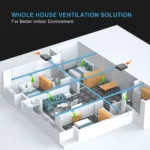
How HRV and Ventilation Products Improve Indoor Air Quality
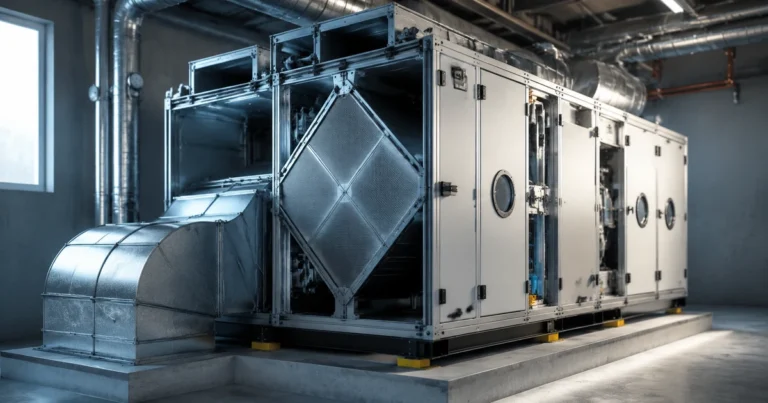
เครื่องระบายอากาศแบบนำความร้อนกลับมาใช้ใหม่ (HRV) และผลิตภัณฑ์ระบายอากาศอื่นๆ ช่วยปรับปรุงคุณภาพอากาศภายในอาคาร โดยการระบายอากาศเสียภายในอาคารออกอย่างต่อเนื่องและเติมอากาศบริสุทธิ์จากภายนอกที่ผ่านการกรองเข้ามา ขณะเดียวกัน HRV ยังช่วยนำความร้อนกลับมาใช้ใหม่เพื่อไม่ให้การแลกเปลี่ยนอากาศนี้สูญเสียพลังงาน คู่มือนี้จะอธิบายอย่างละเอียดว่า HRV และผลิตภัณฑ์ระบายอากาศช่วยได้อย่างไร สิ่งที่อุปกรณ์เหล่านี้ทำได้และทำไม่ได้ รวมถึงวิธีเลือกผลิตภัณฑ์ที่เหมาะสมสำหรับพื้นที่ของคุณ.
In This Guide
ผลิตภัณฑ์ระบายอากาศช่วยปรับปรุงคุณภาพอากาศภายในอาคารอย่างไร
คุณภาพอากาศภายในอาคาร (IAQ) จะลดลงเมื่อมลพิษสะสมเร็วกว่าที่อากาศบริสุทธิ์จะเจือจางได้ จากข้อมูลของ U.S. EPA ชาวอเมริกันใช้เวลาประมาณ 90% อยู่ภายในอาคาร และความเข้มข้นของมลพิษภายในอาคารบางชนิดอาจสูงกว่าระดับภายนอกอาคาร 2 ถึง 5 เท่า. ที่มา: U.S. EPA, The Inside Story: A Guide to Indoor Air Quality . เหตุผลง่ายๆ คือ: หากไม่มีอากาศบริสุทธิ์เพียงพอ มลพิษจากการทำอาหาร การทำความสะอาด วัสดุก่อสร้าง และผู้คนจะเกิดการสะสม.
ผลิตภัณฑ์ระบายอากาศช่วยแก้ไขปัญหานี้ได้ 4 วิธี:
เติมอากาศบริสุทธิ์จากภายนอก — ลดความเข้มข้นของมลพิษภายในอาคารโดยการเจือจาง.ระบายอากาศเสียและความชื้นออก — ขจัด CO₂, กลิ่นไม่พึงประสงค์ และความชื้นออกจากห้องครัว ห้องน้ำ และห้องที่มีการใช้งาน.กรองอากาศที่เติมเข้ามา — ดักจับฝุ่น ละอองเกสร และ PM2.5 ก่อนเข้าสู่พื้นที่.นำพลังงานกลับมาใช้ใหม่ (HRV/ERV) — เพื่อไม่ให้การแลกเปลี่ยนอากาศบริสุทธิ์เพิ่มภาระค่าไฟของระบบทำความร้อนหรือระบบปรับอากาศ.ส่งผลให้พื้นที่ดังกล่าวมีระดับมลพิษที่ต่ำลง ความชื้นได้รับการควบคุม และผู้อยู่อาศัยรู้สึกสบายยิ่งขึ้น.
อะไรที่ทำให้ HRV แตกต่าง
เครื่องระบายอากาศแบบนำความร้อนกลับมาใช้ใหม่ (HRV) คือระบบระบายอากาศแบบสมดุล (balanced ventilation): ซึ่งจะเติมอากาศบริสุทธิ์และระบายอากาศเสียออกในอัตราที่เท่ากัน พร้อมทั้งส่งกระแสลมทั้งสองผ่านแกนแลกเปลี่ยนความร้อน (heat-exchange core) ในฤดูหนาว ลมร้อนที่ถูกระบายออกจะช่วยอุ่นลมเย็นที่เข้ามาล่วงหน้า ส่วนในฤดูร้อนจะทำงานในทางกลับกัน ทั้งนี้ ERV (energy recovery ventilator) ยังสามารถถ่ายเทความชื้นได้อีกด้วย.
HRV: ถ่ายเทความร้อน เหมาะที่สุดสำหรับสภาพอากาศหนาวเย็นและแห้ง.ERV: ถ่ายเททั้งความร้อนและความชื้น เหมาะที่สุดสำหรับสภาพอากาศอบอุ่นชื้น หรืออาคารที่มีภาระความชื้นสูง.จากข้อมูลของ U.S. Department of Energy ระบุว่า หลังจากที่คุณปิดผนึกกันการรั่วซึมของอากาศในบ้านแล้ว คุณอาจจำเป็นต้องมีการระบายอากาศแบบควบคุมเพื่อป้องกันการสะสมของอากาศเสียและมลพิษภายในอาคาร — ซึ่งเครื่องแลกเปลี่ยนความร้อนระหว่างอากาศกับอากาศชนิดพิเศษ หรือเครื่องระบายอากาศแบบนำความร้อนกลับมาใช้ใหม่ (HRV) สามารถตอบโจทย์นี้ได้. แหล่งที่มา: U.S. DOE, Guide to Home Ventilation . นั่นคือบทบาทหน้าที่ที่แท้จริงของ HRV: เติมอากาศบริสุทธิ์โดยไม่สูญเสียพลังงาน.
HRV เทียบกับ เครื่องฟอกอากาศ เทียบกับ พัดลมระบายอากาศ
คุณสมบัติ HRV/ERV พัดลมระบายอากาศ เครื่องฟอกอากาศ เติมอากาศบริสุทธิ์จากภายนอก Yes ใช่ (เติมอากาศเข้า) No ระบายอากาศเสีย/ความชื้นออก Yes ใช่ (ระบายอากาศออก) No กรองอนุภาคฝุ่น ใช่ (กรองอากาศที่เติมเข้า) บางรุ่น Yes Recovers heat Yes No No ลด CO₂ ใช่ (โดยการเจือจาง) ใช่ (โดยการเจือจาง) No
ประเด็นสำคัญคือ: เครื่องฟอกอากาศทำหน้าที่กรองอากาศที่หมุนเวียนอยู่ภายในห้องเดิมเท่านั้น แต่ไม่สามารถนำอากาศบริสุทธิ์เข้ามาหรือลดระดับ CO₂ ได้ ส่วนระบบระบายอากาศ — ไม่ว่าจะเป็น HRV หรือพัดลมระบายอากาศ — คือสิ่งที่ทำหน้าที่แลกเปลี่ยนอากาศ หลายๆ อาคารและที่พักอาศัยจึงเลือกใช้ทั้งสองอย่างควบคู่กัน: ใช้ระบบระบายอากาศเพื่อการแลกเปลี่ยนอากาศ และใช้เครื่องฟอกอากาศเพื่อเพิ่มประสิทธิภาพในการกรองอนุภาคฝุ่น.
แต่ละพื้นที่จำเป็นต้องใช้อุปกรณ์ใด
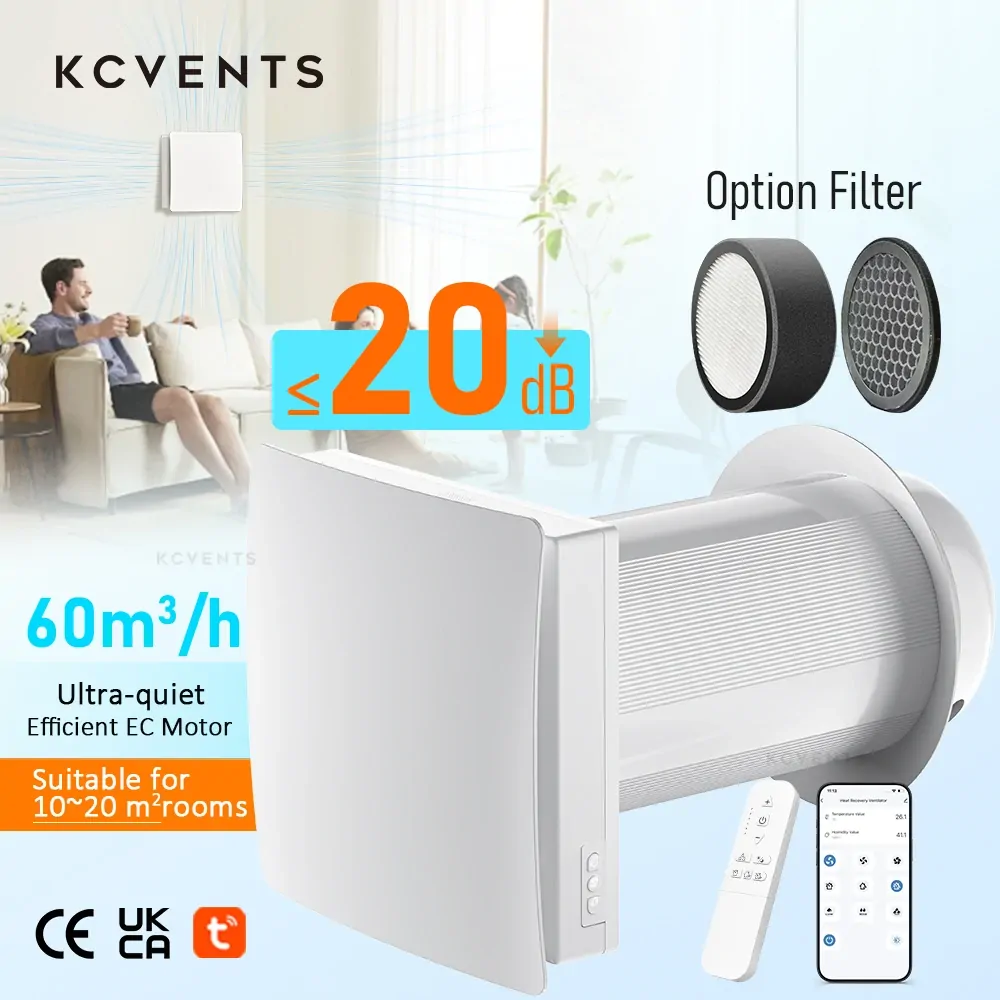
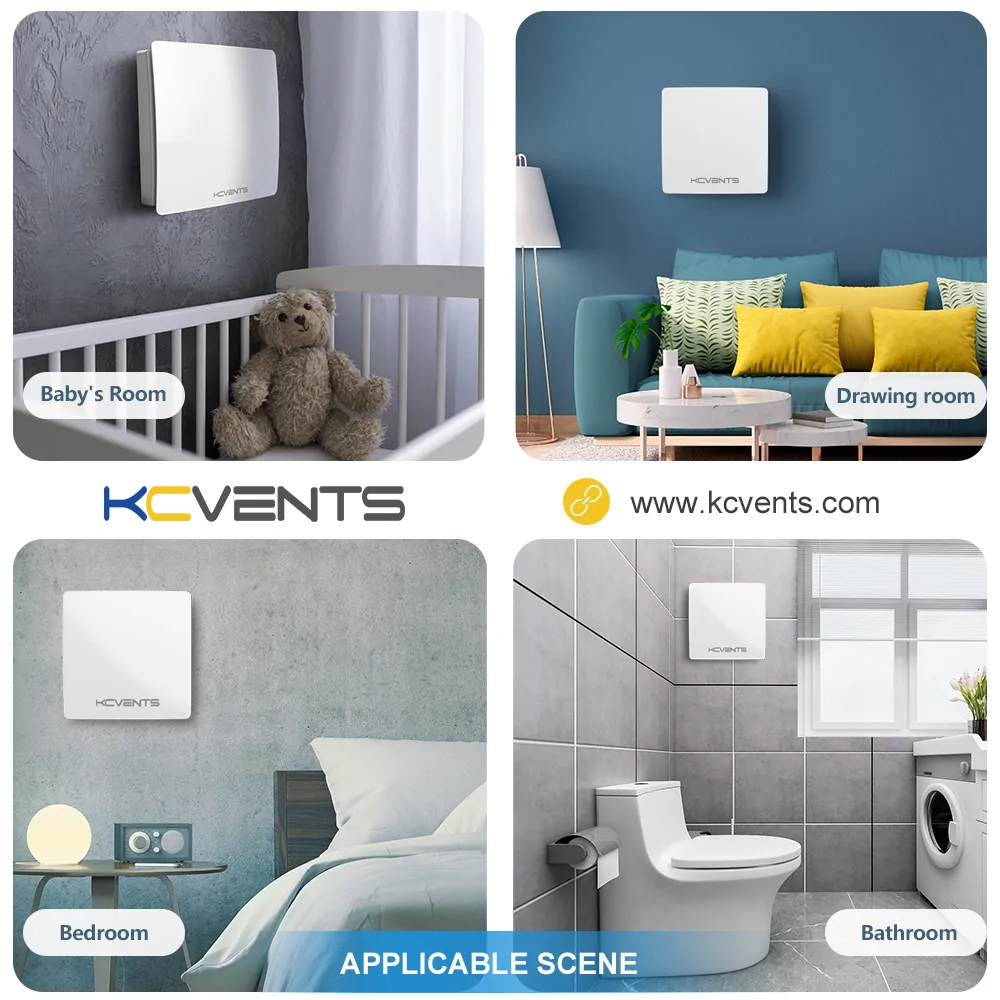
พื้นที่ ปัญหาที่พบบ่อย ผลิตภัณฑ์ที่แนะนำ ห้องนอน / ห้องเดี่ยว อากาศอับชื้น, CO₂ สะสมในเวลากลางคืน, การควบแน่นเป็นหยดน้ำในฤดูหนาว HRV สำหรับห้องเดี่ยว (VT501) ทั้งบ้าน / บ้านระบบปิดมิดชิด (Airtight house) การสะสมของมลพิษ, ความชื้น, ค่าพลังงานสูง ทั้งบ้าน HRV/ERV เช่น KCQR ห้องเรียน / สำนักงาน CO₂, ฝุ่น, เสียงรบกวน HRV พร้อมพัดลมทำงานเงียบและระบบกรองอากาศ Bathroom / kitchen ความชื้น, กลิ่นไม่พึงประสงค์ พัดลมดูดอากาศ หรือระบบดูดระบายอากาศของ HRV
Frequently Asked Questions
Q: เครื่อง HRV ช่วยปรับปรุงคุณภาพอากาศภายในอาคารได้จริงหรือไม่? A: จริง — ด้วยการเติมอากาศบริสุทธิ์ที่ผ่านการกรองอย่างต่อเนื่องและดูดระบายอากาศเสียออก เครื่อง HRV จึงช่วยลดความเข้มข้นของสารมลพิษและ CO₂ ได้ เป็นหนึ่งในตัวเลือกระบบระบายอากาศที่มีประสิทธิภาพสูงสุดสำหรับพื้นที่ปิดมิดชิด.
Q: การใช้เครื่อง HRV ดีกว่าการเปิดหน้าต่างหรือไม่? A: ในสภาพอากาศหนาวหรือร้อน เครื่อง HRV จะเติมอากาศบริสุทธิ์พร้อมกับแลกเปลี่ยนความร้อนกลับคืน ทำให้คุณสามารถระบายอากาศได้โดยไม่สูญเสียพลังงานเหมือนการเปิดหน้าต่าง ทั้งยังช่วยกรองอากาศที่ไหลเข้ามา ซึ่งการเปิดหน้าต่างทำไม่ได้.
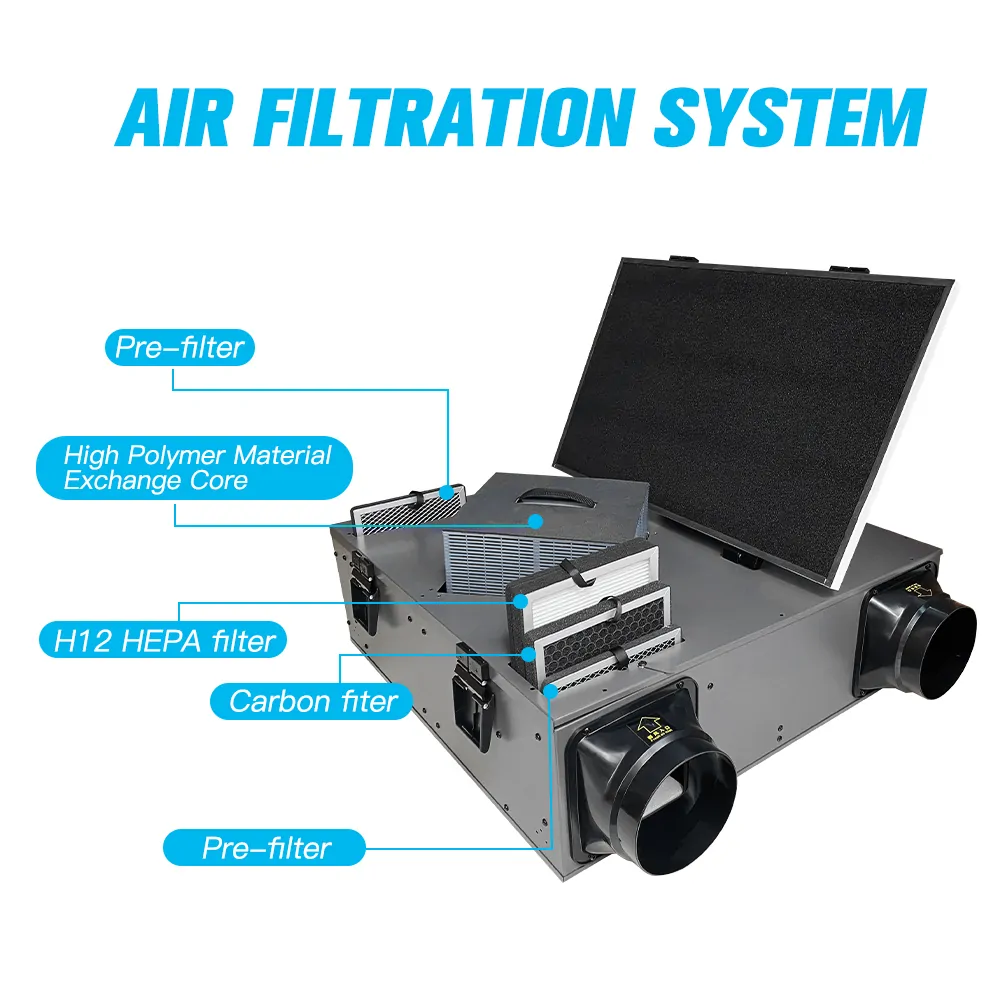
Q: เครื่อง HRV สามารถกำจัดกลิ่นได้หรือไม่? A: เครื่อง HRV จะดูดระบายอากาศเสีย (รวมถึงกลิ่น) ออกไป และเติมอากาศบริสุทธิ์เข้ามา สำหรับแหล่งกำเนิดกลิ่นที่รุนแรง สามารถติดตั้งแผ่นกรอง Activated Carbon เพิ่มเติมได้ — ดูข้อมูลได้ที่ คู่มือฟิลเตอร์คาร์บอน .
Q: เครื่อง HRV ช่วยบรรเทาอาการภูมิแพ้ได้หรือไม่? A: ด้วยการกรองอากาศที่นำเข้ามา เครื่อง HRV จึงช่วยลดละอองเกสรและฝุ่นที่เข้ามาจากภายนอก แต่จะไม่สามารถขจัดอนุภาคที่อยู่ในห้องอยู่แล้วได้ เว้นแต่ตัวเครื่องจะกรองกระแสลมหมุนเวียนภายในห้องด้วย.
Q: ต้องใช้เครื่อง HRV ขนาดเท่าใด? A: กำหนดขนาดปริมาณลมตามปริมาตรพื้นที่และจำนวนผู้อยู่อาศัย สำหรับห้องเดี่ยวสามารถเลือกใช้รุ่นกะทัดรัดอย่าง VT501 ส่วนบ้านทั้งหลังควรใช้ HRV/ERV ขนาดใหญ่ขึ้น ดูข้อมูลได้ที่ HRV vs ERV guide สำหรับรายละเอียดการเลือกใช้งาน.
Q: ผลิตภัณฑ์ระบายอากาศสามารถป้องกันเชื้อราได้หรือไม่? A: ช่วยได้ เนื่องจากอุปกรณ์จะขจัดความชื้นซึ่งเป็นสาเหตุของการเกิดเชื้อรา การระบายอากาศอย่างต่อเนื่องในพื้นที่ที่มีความชื้นสูงจะช่วยลดการควบแน่นของไอน้ำและความเสี่ยงต่อการเกิดเชื้อราได้อย่างมีนัยสำคัญ เมื่อควบคู่ไปกับการแก้ไขจุดรั่วซึมและแหล่งกำเนิดความชื้น.
ต้องการปรับปรุงคุณภาพอากาศภายในบ้านหรืออาคารของคุณใช่หรือไม่? KCvents ผลิตเครื่อง HRV/ERV ทั้งแบบห้องเดี่ยวและทั้งอาคาร พัดลมระบายอากาศ และระบบเติมอากาศบริสุทธิ์ สำหรับงานขายส่ง, OEM และโครงการ Private-label. Request a quote พร้อมระบุขนาดพื้นที่และความต้องการปริมาณลมของคุณ.