Eco-Friendly Ventilation: Options for Sustainable Living
Eco-friendly ventilation means bringing in fresh air with the least energy and environmental impact possible — through natural ventilation where the climate allows, and highly efficient mechanical ventilation (EC fans, heat recovery) where it does not. This guide lays out the realistic options, from free natural ventilation to heat-recovery systems, and how to combine them.
Ventilation is necessary, but it can waste energy: every cubic meter of conditioned air that leaves the building carries heat or coolness with it. An eco-friendly approach minimizes that waste while still keeping indoor air healthy.
Two principles define it:
Only move the air you need. Use demand control — humidity, CO₂, occupancy — so fans run at the lowest effective speed.
Recover what you can. Heat recovery captures energy from the exhaust air before it leaves.
According to the European Commission, around 40% of energy consumed in the EU is used in buildings, and around 80% of energy used in EU homes is for heating, cooling and hot water. Source: European Commission, Energy Performance of Buildings Directive. Ventilation that wastes this energy is a real cost, not a detail.
Natural Ventilation
Natural ventilation uses wind and the stack effect to move air, with essentially zero operating energy.
Best in mild climates, cool nights, and spaces with good cross-ventilation.
Limits: unpredictable, unfiltered (pollen, dust, PM2.5), noisy, and in winter it throws heat away.
Best used as a supplement, not the sole strategy where climate is extreme or outdoor air is polluted.
Energy-Efficient Mechanical Ventilation
Where natural ventilation is not enough, the eco-friendly choice is efficient mechanical ventilation:
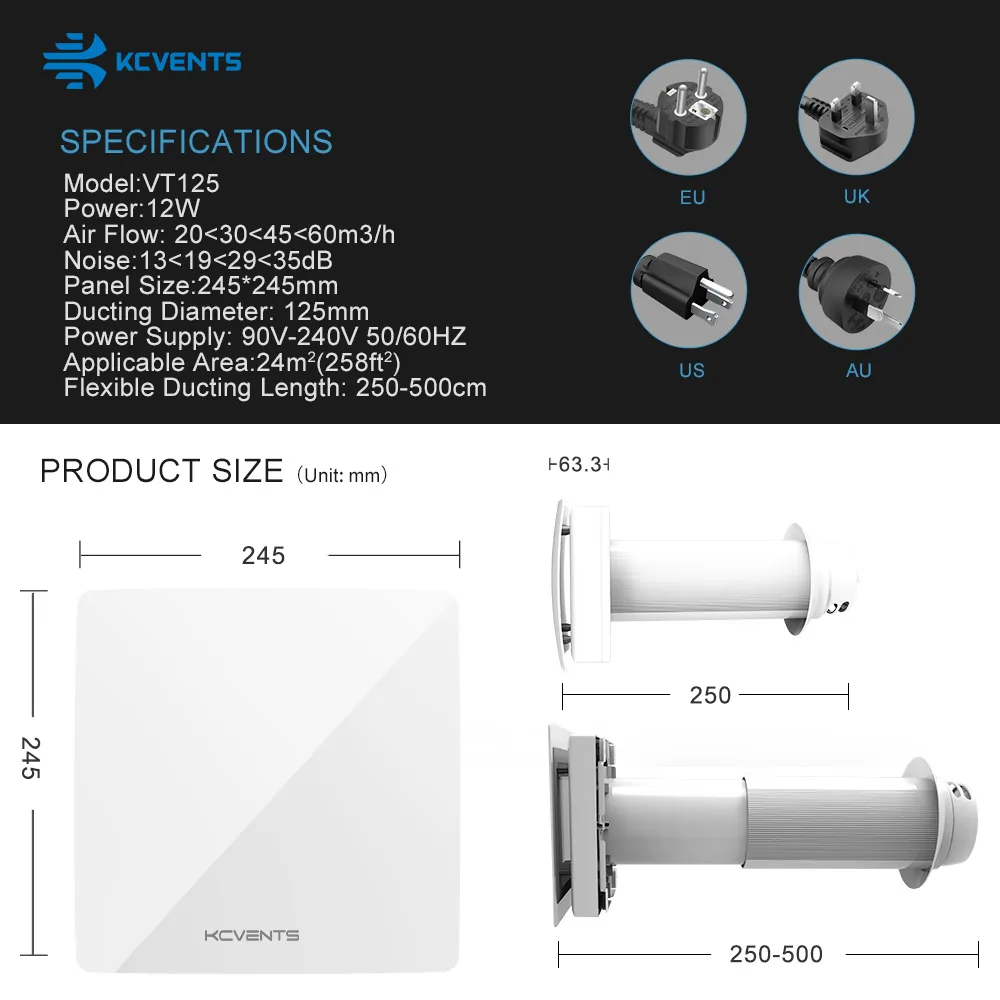
EC motor fans — variable speed that tracks demand, lower energy at partial load. See our EC motor guide.
Demand control — humidity and CO₂ sensors ramp the fan up only when needed.
Low-SFP design — selecting fans with low specific fan power so moving a given airflow costs less energy.
Heat Recovery
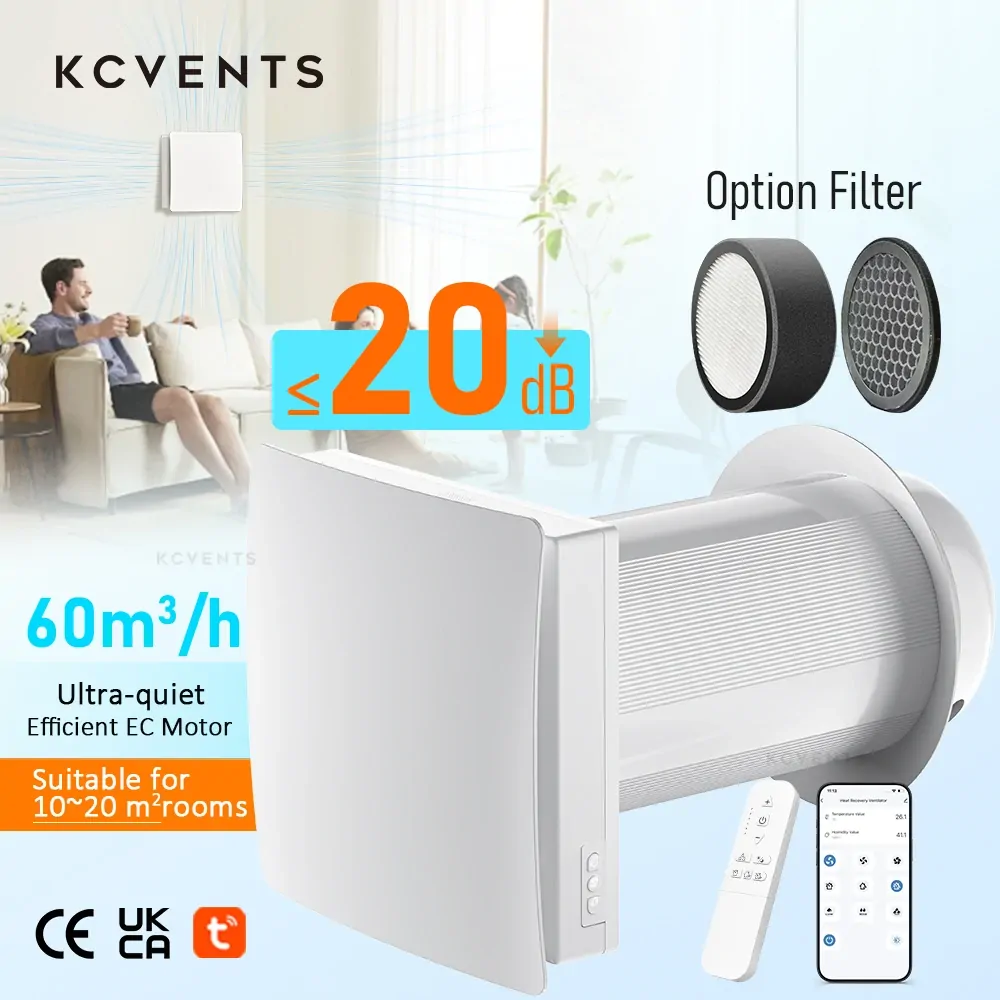
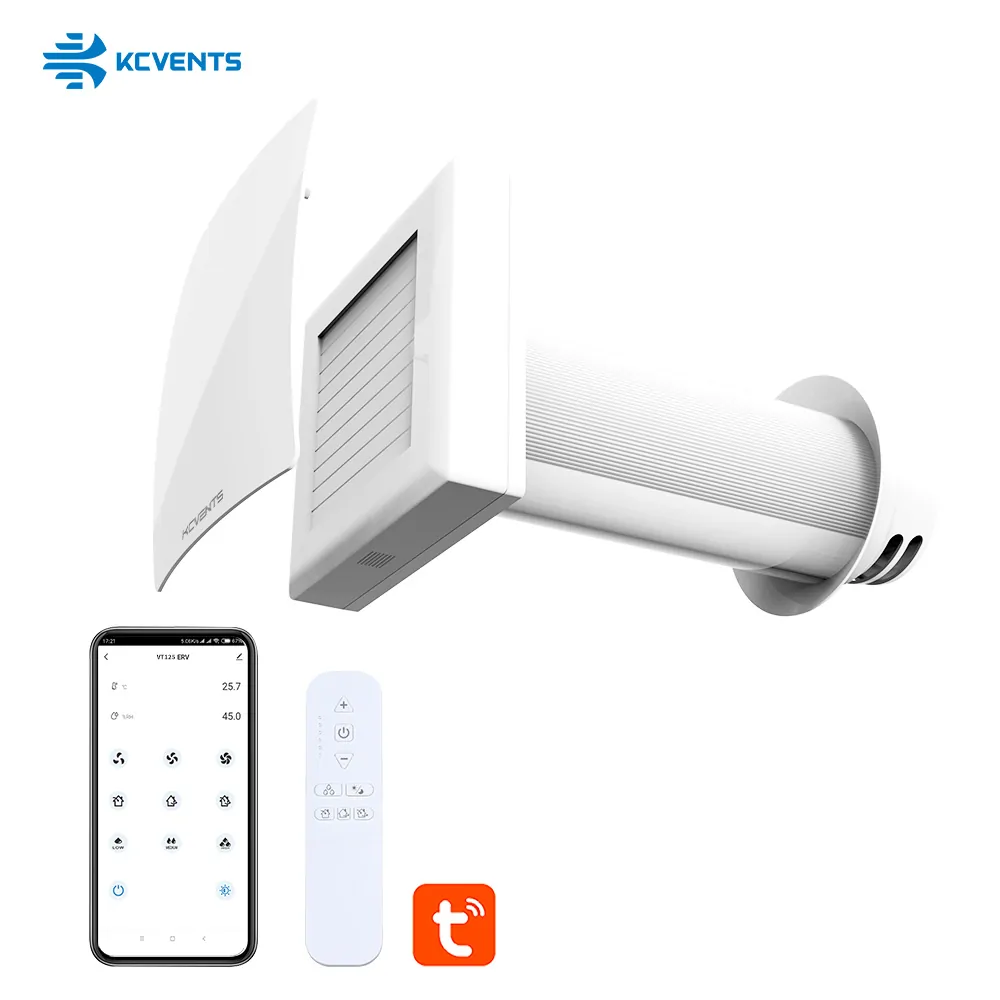
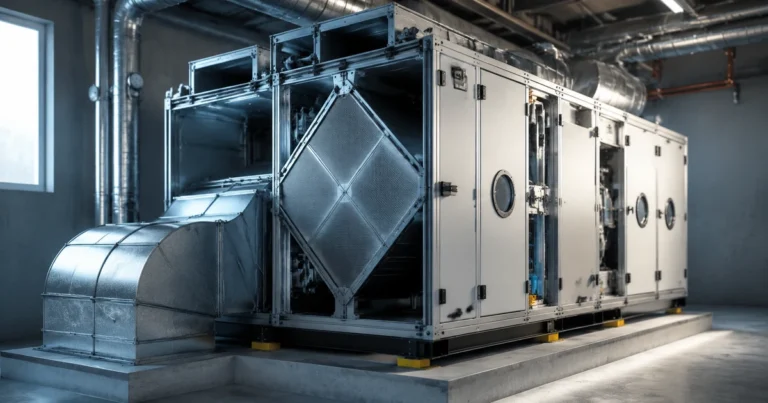
Heat recovery is the biggest lever for eco-friendly ventilation in conditioned buildings. A heat recovery ventilator (HRV) or energy recovery ventilator (ERV) transfers heat (and, for ERV, moisture) between exhaust and supply air.
In winter, outgoing warm air preheats the cold incoming air.
In summer, air-conditioned exhaust air pre-cools the hot incoming air.
An ERV also reduces the humidity that enters with fresh air in humid climates.
Heat recovery systems typically recover 60%–95% of the heat from exhaust air, according to technical industry references; the Passive House standard calls for at least 75% dry heat recovery efficiency. See our HRV vs ERV guide for how to pick.
How to Combine the Options
Season / condition
Recommended approach
Mild, cool weather
Natural ventilation (windows), mechanical off or low
Cold winter
Mechanical HRV/ERV, windows closed
Hot, humid summer
Mechanical HRV/ERV (ERV preferred), windows closed
High outdoor pollution
Mechanical with filtration, windows closed
Night cooling (mild/dry)
Natural purge, mechanical off
This mixed-mode approach is what sustainable building design actually looks like in practice: use free fresh air when it is genuinely free, and efficient mechanical systems when it is not.