Does a HEPA Air Purifier Help? What It Can and Cannot Do
HEPA hava temizleyici partikül filtrasyonunda yardımcı olur: toz, polen, evcil hayvan kepeği ve PM2.5 gibi havada asılı partikülleri yakalar ve bir odada bunları belirgin şekilde azaltabilir. Ancak bir HEPA hava temizleyici taze hava sağlamaz, gazları veya kokuları gidermez (karbon aşaması olmadığı sürece) ve herhangi bir hastalığa karşı bir tedavi ya da koruma garantisi değildir. Bu kılavuz, bir HEPA hava temizleyicinin gerçekte ne yaptığını, nerede fayda sağladığını ve nerede havalandırmaya ihtiyaç duyulduğunu açıklamaktadır.
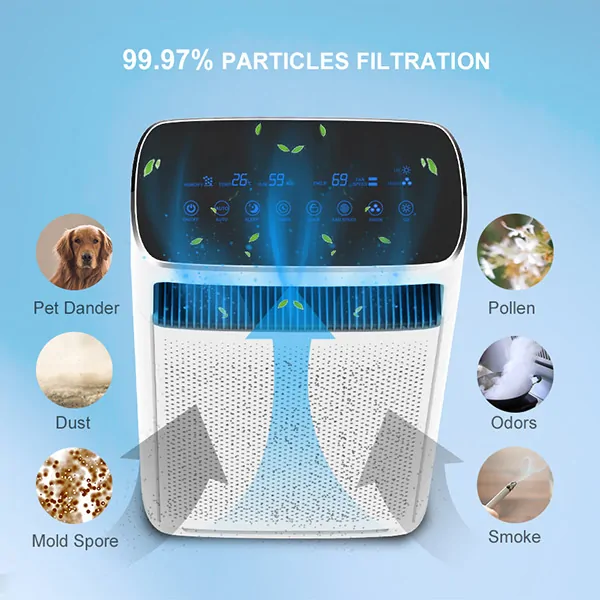
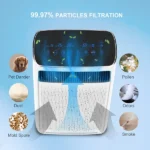
HEPA (Yüksek Verimli Partikül Havası), elektrostatik yük veya kimyasal reaksiyonla değil; tutma, çarpma ve difüzyon mekanizmalarıyla partikülleri yakalayan mekanik filtre ortamı standardıdır. Gerçek bir HEPA filtre, en yüksek nüfuz edici partikül boyutunda (0,3 mikron) partiküllerin 99.97%'sini yakalayacak şekilde sınıflandırılmıştır ve aşağıdakileri etkili bir şekilde filtreler:
Toz ve toz akarları
Polen
Evcil hayvan kepeği
Küf sporları (havada asılı olanlar)
PM2.5 ve ince duman/kurum partikülleri
Bazı virüs taşıyan aerosoller (partikül olarak; aşağıdaki sınırlamalara bakınız)
Bir HEPA filtre partikülleri. yakalar. Tüm görevi bundan ibarettir. Kendi başına gazları, buharları veya kokuları yakalayamaz.
HEPA Hava Temizleyicinin Faydalı Olduğu Durumlar
Bir HEPA hava temizleyici, sorun kapalı bir mekandaki havanın içerdiği partiküller olduğunda son derece faydalıdır:
Alerji mevsimi — iç mekandaki polen ve toz.
Evcil hayvan bulunan yaşam alanları — kepek.
Dumanlı veya puslu günler — dış ortamdan ince partikül sızıntısı.
Havada asılı partiküllere karşı hassas bireylerin bulunduğu odalar.
Hava kirliliğinin yüksek olduğu günlerde havalandırmaya takviye olarak.
Bir hava temizleyicinin tüm odaya fayda sağlaması için, cihazın temiz hava dağıtım oranının (CADR) oda hacmine uygun olması ve sürekli çalıştırılması gerekir — günde sadece bir odayı temizleyen küçük bir cihaz yetersiz kalacaktır.
HEPA Hava Temizleyicinin Yapamayacakları
Sınırları konusunda net olunmalıdır:
Taze hava sağlamaz. Hava temizleyici, hâlihazırda odada bulunan havayı sirküle eder ve filtreler. CO₂ seviyesini düşürmez veya bayat havayı tazelemez.
Gazları veya kokuları gidermez (aktif karbon aşamasına sahip olmadığı sürece). Yemek kokuları, VOC'ler (uçucu organik bileşikler) ve kimyasal buharlar karbon filtreleme veya havalandırma gerektirir.
Nemi veya küf oluşumunu kontrol etmez. Havada asılı sporları yakalayabilir ancak küfün büyümesine zemin hazırlayan nemi ortadan kaldırmaz.
Tıbbi bir cihaz değildir ve hastalıkları önlemez. Partikülleri filtrelemek havadaki partikül yükünü azaltabilir ancak hiçbir hava temizleyici virüslere veya hastalıklara karşı tam koruma garantisi vermez. Sağlık vaatlerinden kaçınılmalıdır.
Bir hava temizleyici, partikül filtrasyon aracıdır, ; bir havalandırma veya sağlık çözümü değildir.
HEPA Hava Temizleyici ile Havalandırmanın Karşılaştırması
İhtiyaç
HEPA hava temizleyici
Havalandırma
Partikülleri giderme (toz, polen, PM2.5)
Evet
Kısmen (besleme havası filtreli ise)
Taze dış hava sağlama
No
Evet
CO₂ seviyesini düşürme
No
Evet
Nem/rutubeti giderme
No
Evet
Gazları ve kokuları giderme
Hayır (karbon gerektirir)
Evet (seyreltme/egzoz tahliyesi ile)
Pratik cevap: çoğu odada her ikisine de ihtiyaç vardır. Havalandırma (taze hava girişi, kirli hava tahliyesi) sağlıklı havanın temelidir; HEPA hava temizleyici ise hâlihazırda içeride bulunan hava için partikül filtrasyonu sağlar. Pencerelerin açılmaması gereken yüksek kirlilik günlerinde, filtrelemeli bir havalandırma sistemiyle birlikte çalışan bir hava temizleyici en güçlü kombinasyondur — bkz. konut tipi taze hava havalandırma kılavuzu.
HEPA Hava Temizleyici Nasıl Seçilir?
CADR değerini oda boyutuna göre eşleştirin. Genel bir kural olarak, oda havasını saatte birkaç kez sirküle etmeye yetecek kadar yüksek bir CADR değeri arayın. Üreticinin oda boyutu kılavuzu iyi bir başlangıç noktasıdır.
Filtre tipini kontrol edin. Partiküller için True HEPA; kokular/gazlar önemliyse karbon filtre ekleyin. “HEPA tipi” veya yıkanabilir filtre medyası, True HEPA ile aynı değildir.
Gürültü seviyesini ve işletme maliyetini göz önünde bulundurun. Bir hava temizleyici yalnızca çalıştığı sürece etkilidir; uygun hızda çalışan sessiz ve düşük güç tüketimli bir ünite pratikte daha kullanışlıdır.
Filtreleri zamanında değiştirin. Tıkanmış bir filtre hava debisini ve performansı düşürür — üreticinin belirttiği değişim aralıklarına uyun.
Frequently Asked Questions
S: HEPA hava temizleyici gerçekten işe yarar mı? C: Partiküller için evet. Oda için yeterli CADR değerine sahip bir True HEPA hava temizleyici, havadaki partikülleri ölçülebilir şekilde azaltacaktır. Ancak havalandırmanın veya karbon filtrelerin işlevini yerine getiremez.
S: HEPA hava temizleyici kokuları giderebilir mi? C: Tek başına hayır — HEPA gazları değil, partikülleri yakalar. Yalnızca aktif karbon aşamasına sahip bir temizleyici (veya filtre) kokuları ve VOC'leri giderir.
S: HEPA hava temizleyici alerjilere iyi gelir mi? C: Polen, toz akarları ve evcil hayvan kepeği gibi havadaki alerjenlerin oda havasındaki yoğunluğunu azaltarak alerjilere yardımcı olabilir.
S: Hava temizleyici COVID-19 veya gribi önler mi? C: Hiçbir hava temizleyici herhangi bir hastalığın önlenmesini garanti edemez. Havadaki partikül yükünü azaltmak korumanın bir katmanıdır; ancak havalandırma, hijyen ve sağlık önlemleri asıl kontrol mekanizmalarıdır.
S: HEPA hava temizleyici havalandırma ile aynı şey midir? C: Hayır. Hava temizleyici odada mevcut olan havayı filtreler; havalandırma ise iç ve dış havayı sirküle ederek yeniler. Farklı işlevlere sahiptirler ve en iyi sonucu birlikte çalıştıklarında verirler.
S: Yatak odası için ne kadar büyüklükte bir hava temizleyiciye ihtiyacım var? C: CADR değerini oda boyutuna göre eşleştirin ve verimli, sessiz bir hızda çalıştırabileceğiniz bir ünite tercih edin. Partiküller için üreticinin oda boyutu kılavuzunu kontrol edin.
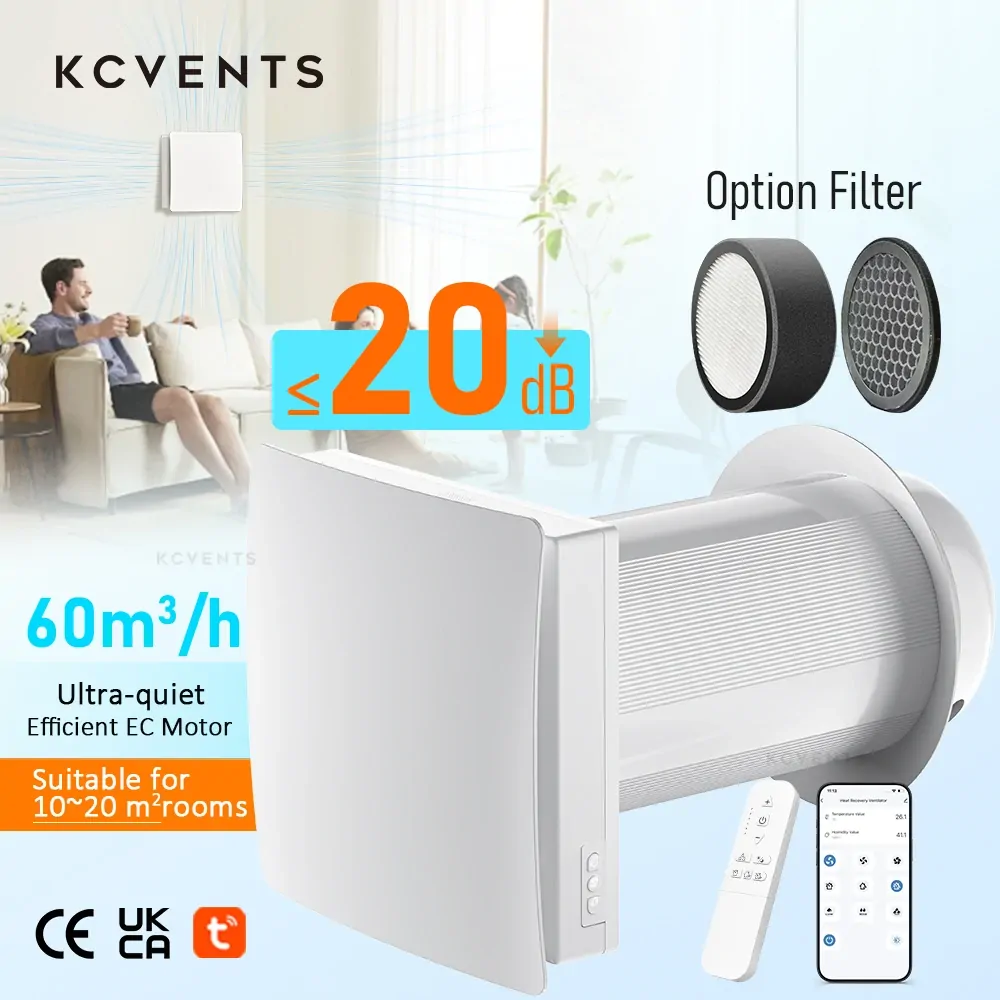
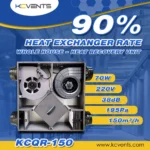
Mekânınızdaki havayı temizlemek mi istiyorsunuz? KCvents; toptan satış, OEM ve özel markalı (private label) projeler için filtrasyonu taze hava beslemesiyle birleştiren duvara monte HEPA havalandırma fanları, taze hava üniteleri ve havalandırma sistemleri üretmektedir. Teklif isteyin oda boyutunuz ve hava kalitesi hedefinizle.
Newsletter Updates
Enter your email address below and subscribe to our newsletter