In This Guide
“`html
Gestión de temperatura y humedad en la agricultura en ambiente controlado
Optimización climática para la agricultura en ambiente controlado: gestión de temperatura y humedad
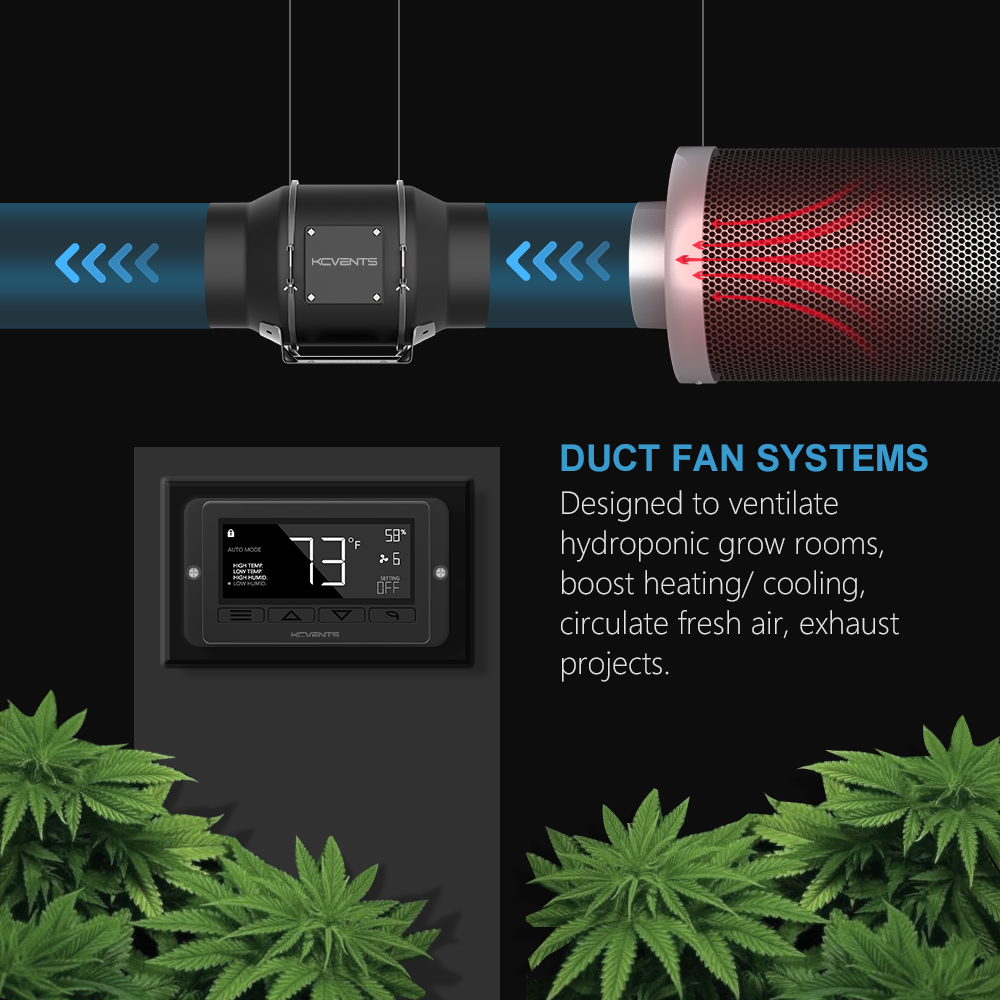
La agricultura en ambiente controlado (CEA) representa un enfoque sofisticado de cultivo en interiores que exige una gestión precisa de los parámetros ambientales. Entre los factores más críticos para el éxito del cultivo se encuentran el control de la temperatura y de la humedad. A diferencia de la agricultura tradicional al aire libre, las instalaciones de CEA permiten a los cultivadores mantener condiciones constantes durante todo el año, lo que incide directamente en la calidad del rendimiento, la eficiencia de producción y la rentabilidad. Esta guía integral examina los rangos óptimos de temperatura y humedad para operaciones hortícolas y ofrece recomendaciones basadas en evidencia para administradores de instalaciones e ingenieros agrícolas.
La importancia del control climático en la agricultura de interior
Las operaciones de invernadero modernas y las instalaciones de CEA dependen del mantenimiento de condiciones ambientales precisas para maximizar la productividad de los cultivos. Los parámetros ambientales —en particular la temperatura y la humedad— influyen de forma directa en las tasas de fotosíntesis, la absorción de nutrientes, la eficiencia de transpiración y el metabolismo de las plantas. Las instalaciones que no logran mantener condiciones óptimas experimentan rendimientos reducidos, una calidad comprometida del producto y una mayor vulnerabilidad ante plagas y presión patógena.
La correlación entre las condiciones ambientales y el confort del operador proporciona una referencia práctica: si las condiciones ambientales resultan incómodas para el personal de la instalación, es probable que requieran ajustes para una producción hortícola óptima. Sin embargo, las operaciones profesionales de CEA deben ir más allá de la gestión intuitiva hacia protocolos de control climático basados en datos y respaldados por sistemas de monitorización automatizada y HVAC.
Principio clave: El control climático de precisión es la base de una producción constante y de alta calidad en la agricultura en ambiente controlado. Incluso pequeñas desviaciones de los parámetros óptimos pueden provocar pérdidas significativas de rendimiento y degradación de la calidad.
Gestión óptima de la temperatura para operaciones de CEA
Rangos de temperatura objetivo
La temperatura de funcionamiento ideal para la mayoría de las operaciones hortícolas comerciales oscila entre 68-77 °F (20-25 °C). Este rango representa un equilibrio entre la eficiencia metabólica, la capacidad fotosintética y la rentabilidad operativa. El control de la temperatura dentro de esta zona garantiza un desarrollo vegetal óptimo sin un gasto energético excesivo para la climatización.
| Etapa de crecimiento |
Rango de temperatura (°F) |
Rango de temperatura (°C) |
Consideraciones clave |
| Fase vegetativa |
70–85°F |
21–29°C |
Las condiciones más cálidas promueven el desarrollo foliar y la acumulación de biomasa |
| Fase de floración/fructificación |
65–80°F |
18–26°C |
Las condiciones ligeramente más frescas mejoran el desarrollo del color, los atributos de calidad y la producción de compuestos aromáticos |
| Rango óptimo (general) |
68–77°F |
20–25°C |
Equilibrio entre la eficiencia de crecimiento y la calidad fisiológica |
Temperatura y actividad fotosintética
La gestión de la temperatura durante el fotoperiodo (ciclo de luz) es particularmente crítica, ya que este periodo influye directamente en las tasas fotosintéticas y en el potencial de crecimiento de las plantas. Durante la exposición activa a la luz, las temperaturas deben permanecer estables y dentro del rango óptimo. Las fluctuaciones térmicas significativas entre los ciclos diurnos y nocturnos pueden estresar a las plantas y reducir la productividad general.
Para obtener el máximo rendimiento hortícola, mantenga un diferencial de temperatura entre el día y la noche de no más de 5–10°F (3–6°C). Esta modesta variación imita los patrones diurnos naturales mientras previene alteraciones metabólicas inducidas por el estrés.
Efectos de las temperaturas subóptimas
Condiciones de baja temperatura
Cuando las temperaturas ambientales caen por debajo de 60°F (15°C), el metabolismo de las plantas se ralentiza significativamente, lo que da lugar a:
- Tasas de crecimiento reducidas y ciclos de producción prolongados
- Retraso en la maduración del cultivo y aplazamiento de la cosecha
- Mayor susceptibilidad a patógenos fúngicos, particularmente Botrytis y oídio, especialmente en condiciones de alta humedad
- Función radicular y eficiencia de absorción de nutrientes comprometidas
- Capacidad fotosintética deficiente a pesar de una disponibilidad de luz adecuada
Las temperaturas de congelación (por debajo de 32°F o 0°C) pueden causar daños celulares irreversibles y pérdidas en los cultivos. Las operaciones de cultivo interior mantienen una ventaja significativa sobre la agricultura de campo al eliminar este riesgo por completo mediante sistemas de climatización controlada.
Nota operativa: Los cultivos desarrollados en condiciones frías subóptimas pueden sobrevivir, pero nunca alcanzarán la velocidad de crecimiento ni los niveles de calidad posibles bajo una gestión óptima de la temperatura.
Condiciones de alta temperatura
El calor excesivo por encima de 77 °F (25 °C) acelera el metabolismo de las plantas, generando una demanda en cascada de recursos suplementarios:
- Mayores requerimientos de luz: Tasas metabólicas más altas exigen un mayor aporte fotosintético
- Mayor demanda de agua: Tasas de transpiración elevadas incrementan la frecuencia de riego y el consumo de agua
- Mayor aporte suplementario de CO₂: El metabolismo acelerado requiere niveles más altos de dióxido de carbono para mantener la fotosíntesis
- Mayores necesidades de fertilizantes: Una absorción más rápida de nutrientes requiere un manejo ajustado de la solución nutritiva
Durante la fase de floración o fructificación, las temperaturas que superan los 80 °F (26 °C) producen efectos especialmente perjudiciales:
- Reducción de la calidad de frutos/flores y del potencial de rendimiento
- Menor concentración de compuestos aromáticos (los terpenos volátiles se degradan a temperaturas elevadas)
- Disminución de la pigmentación y de las características de calidad visual
- Mayor susceptibilidad a la araña roja, pudrición de la raíz y trastornos nutricionales
- Transpiración acelerada que provoca estrés hídrico a pesar de un riego adecuado
- Hipoxia en la zona radicular (agotamiento del oxígeno) debido al aumento de la respiración
Sistemas automatizados de gestión de temperatura
Las operaciones profesionales de CEA requieren infraestructura automatizada de climatización en lugar de intervención manual. Los sistemas recomendados incluyen:
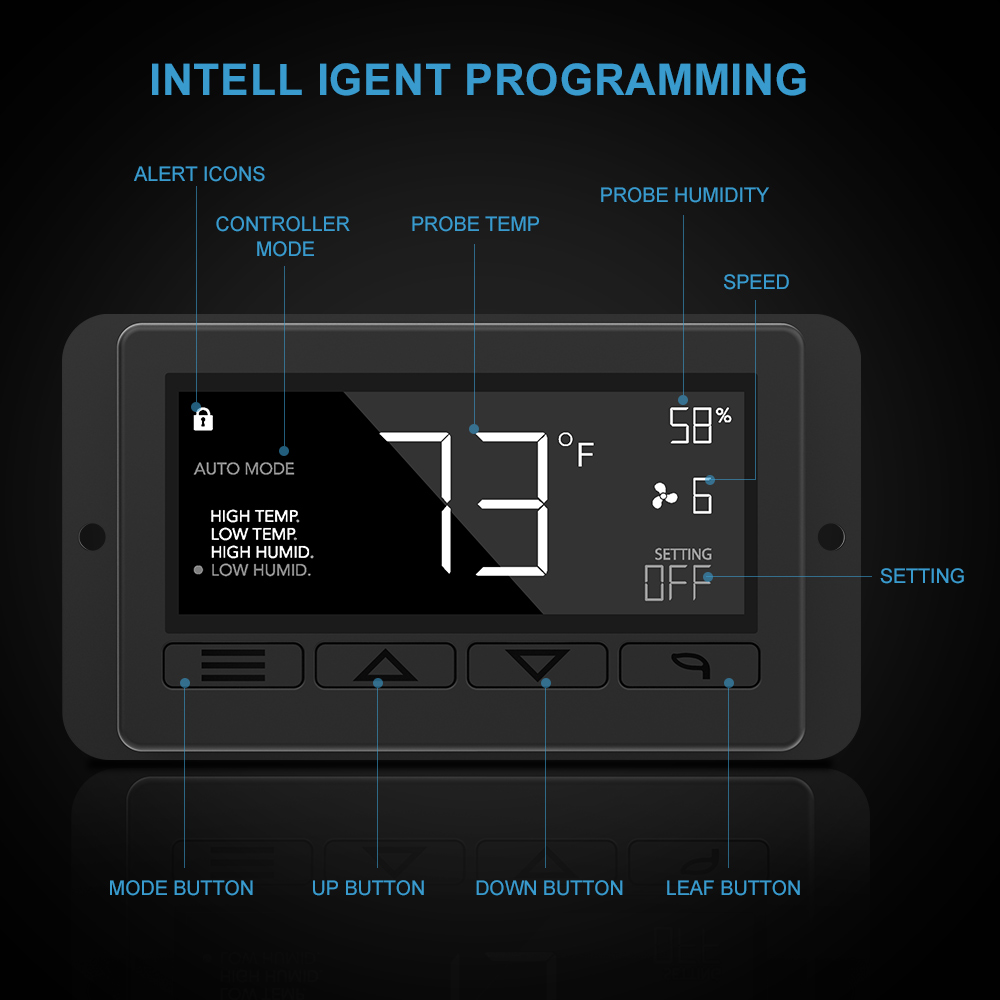
- Termostatos digitales con sensores de precisión: Precisión de ±0.5°F para una monitorización fiable
- Sistemas HVAC integrados: Calefacción, refrigeración y ventilación coordinadas para una regulación fluida de la temperatura
- Redes de sensores distribuidos: Múltiples puntos de monitorización en toda la instalación para detectar gradientes de temperatura
- Controles de ventilación automatizados: Ventiladores que ajustan la admisión y extracción según datos de temperatura en tiempo real
- Sistemas de calefacción: Calentadores unitarios o sistemas radiantes para el funcionamiento en periodos fríos
- Sistemas de enfriamiento evaporativo o enfriadoras (chillers): Para la gestión de la temperatura en periodos cálidos
Estos sistemas proporcionan un control superior en comparación con la gestión manual y aportan importantes ventajas operativas: rendimientos uniformes, menor desperdicio energético, mejor calidad del producto y menores costes de mano de obra.
Estándar de la industria: Los sistemas automatizados de control de clima suelen reducir los costes energéticos entre un 20–30% al tiempo que mejoran la uniformidad del rendimiento y la calidad del producto.
Gestión de la humedad en ambientes controlados
Rangos óptimos de humedad
La la humedad relativa (HR) ideal para la mayoría de las operaciones hortícolas oscila entre el 40 y el 70%, según la etapa de crecimiento y el tipo de cultivo. Mantener este rango previene tanto el estrés por desecación como la presión de patógenos fúngicos.
| Nivel de humedad |
Rango de humedad relativa |
Estado |
Principales problemas |
| Baja humedad |
Por debajo del 40% de HR |
Subóptimo |
Transpiración acelerada; posible estrés hídrico |
| Rango óptimo |
40–70% de HR |
Objetivo |
Transpiración equilibrada; mínima presión patógena |
| Alta humedad |
Por encima del 70% de HR |
Excesivo |
Proliferación de patógenos fúngicos; desarrollo de moho |
Equipos de monitorización de humedad
La medición precisa de la humedad requiere instrumentación de nivel profesional. Higrómetros electrónicos con funciones integradas de registro de datos proporcionan una monitorización óptima para operaciones comerciales. Las características clave incluyen:
- Pantalla digital con lectura del porcentaje de HR en tiempo real
- Registro de datos y conectividad en la nube para monitorización remota
- Umbrales de alarma para alertas automáticas cuando los parámetros se desvían de los rangos objetivo
- Integración con sistemas de gestión de edificios (BMS) para un control climático coordinado
- Ubicación de múltiples sensores en toda la instalación para identificar microclimas

Condiciones de baja humedad (por debajo del 40% de HR)
Cuando la humedad ambiental desciende por debajo del 40% de humedad relativa, las plantas experimentan tasas de transpiración aceleradas. Las consecuencias incluyen:
- Mayor consumo de agua y demanda de riego
- Mayores requerimientos de suministro de agua para prevenir el estrés de las plantas
- Posibles desequilibrios nutricionales si los sistemas de riego no pueden mantener niveles constantes de humedad
- Impacto marginal en la viabilidad del cultivo si se mantienen disponibles reservas de agua adecuadas
Si bien la baja humedad no suele provocar la pérdida inmediata de las cosechas, exige una gestión de riego reactiva y puede aumentar los costes de producción debido al elevado consumo de agua.
Condiciones de alta humedad (por encima del 70% de HR)
El exceso de humedad representa una preocupación operativa más grave. Cuando la humedad relativa supera de forma constante el 70%, especialmente durante la fase de floración o fructificación, surgen múltiples complicaciones:
- Proliferación de patógenos fúngicos: Botrytis cinerea (moho gris), el oídio y otros patógenos fúngicos proliferan en entornos de alta humedad
- Rápido desarrollo de moho: Crecimiento visible de moho en los tejidos vegetales y en las superficies de las instalaciones
- Riesgo de pérdida de cultivos: Las infecciones fúngicas graves pueden provocar pérdidas significativas de rendimiento o la pérdida total de la cosecha
- Tiempo prolongado de subsanación: Los problemas fúngicos requieren intervención inmediata y monitorización continua
Alerta crítica: La alta humedad combinada con una mala circulación del aire crea condiciones ideales para enfermedades fúngicas destructivas. Se requieren ajustes inmediatos de deshumidificación y ventilación para prevenir la pérdida de cultivos.
Manejo de la humedad según la etapa de crecimiento
| Etapa de crecimiento |
Rango óptimo de HR |
Justificación |
| Fase vegetativa |
50–70% HR |
Una mayor humedad favorece la expansión foliar y el desarrollo de biomasa; menor riesgo de presión patogénica durante el crecimiento rápido |
| Fase de transición |
45–65% HR |
La reducción gradual de la humedad prepara a las plantas para la fase reproductiva |
| Fase de floración/fructificación |
40–60% HR |
Una menor humedad reduce el riesgo de enfermedades fúngicas al tiempo que mejora los atributos de calidad; crucial para productos de primera calidad |
| Cosecha/Poscosecha |
50–60% HR |
Mantiene la calidad del producto durante la maduración final y las operaciones de cosecha |
Sistemas integrados de control climático y soluciones de HVAC
Requisitos del sistema de ventilación
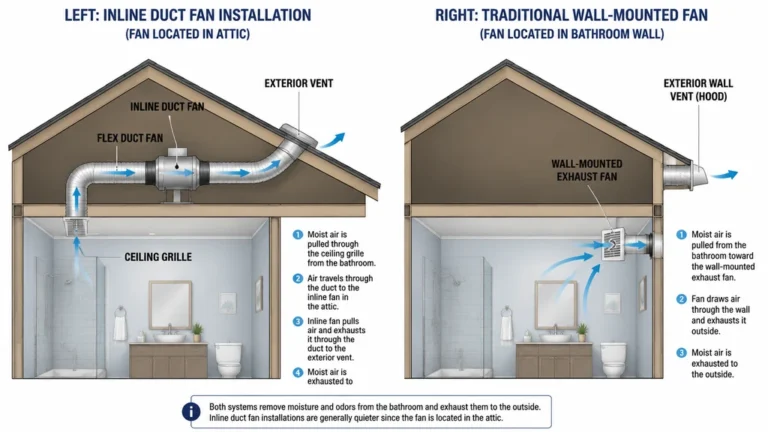
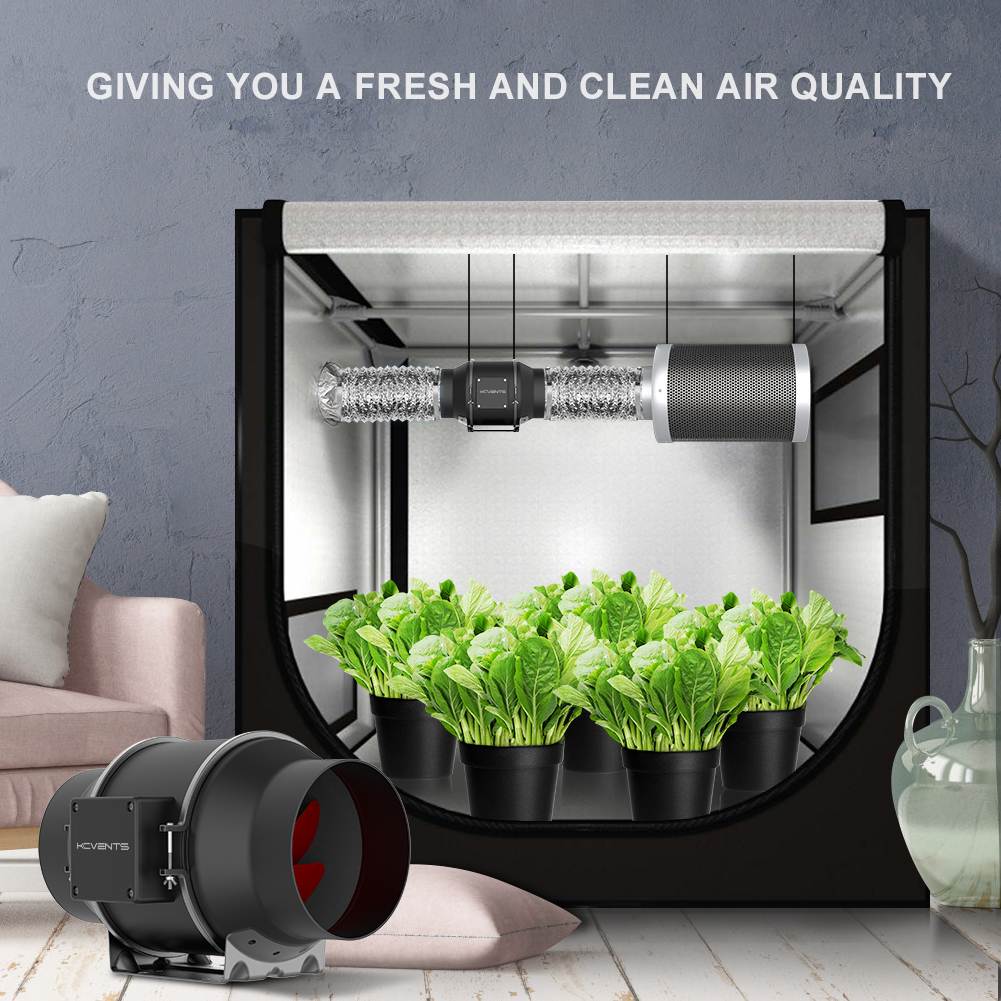
Profesional sistemas de ventilación constituyen la base de una gestión eficaz de la humedad y la temperatura. Las instalaciones de CEA de alto rendimiento incorporan:
- Ventiladores de ventilación en línea de flujo mixto: Diseñados para funcionamiento continuo con perfiles de bajo nivel de ruido adecuados para instalaciones ocupadas
- Sistemas de admisión de aire fresco: Suministran aire exterior rico en CO₂ mientras mantienen los objetivos de temperatura y humedad
- Sistemas de extracción: Eliminan el exceso de humedad, calor y aire viciado para mantener condiciones óptimas en las instalaciones
- Suplementación con dióxido de carbono: Previene la deficiencia de CO₂ mientras mantiene un intercambio adecuado de aire fresco
- Gestión de la presión estática: Los conductos y ventiladores del tamaño adecuado mantienen un flujo de aire eficaz incluso en condiciones difíciles
Los sistemas de ventilación deben ser capaces de mantener condiciones estables ante condiciones ambientales externas variables, respaldando al mismo tiempo parámetros internos constantes.

Tecnologías de deshumidificación
Cuando la ventilación natural resulta insuficiente para el control de la humedad, la deshumidificación mecánica se vuelve necesaria:
- Deshumidificadores por refrigerante: Rentables para una reducción moderada de la humedad; adecuados para la mayoría de las aplicaciones de CEA
- Deshumidificadores desecantes: Eficaces a bajas temperaturas; proporcionan un control superior de la humedad en ambientes frescos
- Sistemas híbridos: Combinan tecnologías de refrigerante y desecante para un rendimiento superior en diversas condiciones
- Soluciones integradas de HVAC: Deshumidificación coordinada con los sistemas de calefacción y refrigeración para una eficiencia óptima
Integración de calefacción y refrigeración
Una gestión eficaz de la temperatura requiere capacidades coordinadas de calefacción y refrigeración:
- Sistemas de calefacción: Calefactores unitarios, paneles radiantes o circuitos de agua caliente para el mantenimiento de la temperatura en la temporada fría
- Sistemas de refrigeración: Enfriadores evaporativos, unidades enfriadoras (chillers) o sistemas de panel y extractor para la disipación de calor en la temporada cálida
- Controles de punto de consigna: Controladores proporcionales que ajustan automáticamente la potencia de calefacción/refrigeración en función de la temperatura de las instalaciones
- Opciones de reducción nocturna: Operación energéticamente eficiente que mantiene temperaturas nocturnas adecuadas mientras reduce la demanda de calefacción
Parámetros ambientales y fisiología vegetal
Fluctuaciones de temperatura y respuesta al estrés
Grandes oscilaciones térmicas entre el día y la noche (una diferencia superior a 10 °F o 6 °C) desencadenan respuestas de estrés vegetal que comprometen la productividad:
- Crecimiento vegetativo excesivo con hojas agrandadas que reducen la eficiencia fotosintética
- Integridad estructural comprometida y riesgo de acame
- Mayor demanda de transpiración y estrés hídrico a pesar de un riego adecuado
- Rendimiento reproductivo reducido durante las fases de floración
Mantener temperaturas estables dentro de una franja estrecha (variación de ±3–5°F) previene estas respuestas de estrés y optimiza el rendimiento fisiológico.
Consideraciones sobre el déficit de presión de vapor (VPD)
Los operadores avanzados de CEA monitorean Déficit de Presión de Vapor (VPD)—la diferencia entre la presión de vapor real y la saturada en el aire. El VPD influye en las tasas de transpiración y en el transporte de nutrientes:
- VPD bajo (humedad alta): Transpiración reducida; potencial presión patógena; movimiento limitado de nutrientes hacia las hojas
- VPD óptimo: Transpiración equilibrada; aporte eficiente de nutrientes; mínima presión de enfermedades
- VPD alto (humedad baja): Transpiración excesiva; potencial estrés hídrico; posibles desequilibrios nutricionales
Los rangos objetivo de VPD suelen situarse entre 0.45–0.85 kPa según la etapa de crecimiento y el tipo de cultivo. Los sistemas modernos de gestión de instalaciones calculan y muestran el VPD en tiempo real, lo que permite realizar ajustes climáticos basados en datos.

Eficiencia energética y gestión de costos operativos
Optimización de la eficiencia del control climático
Las operaciones profesionales de CEA equilibran la precisión climática con los costes energéticos. Las estrategias de eficiencia incluyen:
- Aprovechamiento de la masa térmica: Sistemas de almacenamiento de agua o térmico que amortiguan las fluctuaciones de temperatura y reducen los ciclos de HVAC
- Optimización del enfriamiento nocturno: Uso del aire exterior nocturno más fresco cuando esté disponible para reducir la carga de refrigeración activa
- Optimización de consignas: Operar en los rangos mínimos aceptables de temperatura/humedad en lugar de márgenes excesivos
- Calibración de sensores: La validación periódica garantiza lecturas precisas y evita ciclos innecesarios de los equipos
- Mantenimiento preventivo: Filtros limpios, sistemas debidamente ajustados y equipos con un buen mantenimiento funcionan con la máxima eficiencia
Objetivo de eficiencia: Los sistemas de control climático optimizados deben alcanzar los objetivos de producción manteniendo el consumo energético dentro de los parámetros de referencia de la industria (normalmente de 8–12 kWh por metro cuadrado al año para operaciones de cultivo vertical).
Resolución de problemas climáticos comunes
Problema: Condensación y alta humedad
Síntomas: Humedad visible en hojas y superficies de la instalación; lecturas elevadas de humedad por encima de 70% RH.
Soluciones:
- Aumentar la velocidad del ventilador de ventilación para mejorar la circulación del aire y eliminar el exceso de humedad
- Activar los sistemas de deshumidificación si se dispone de dispositivos mecánicos
- Reducir los puntos de consigna de temperatura nocturna para disminuir la presión de vapor de saturación
- Mejorar la circulación del aire con ventiladores suplementarios para evitar zonas muertas
- Monitorear el desarrollo de patógenos fúngicos y aplicar medidas preventivas
Problema: Condiciones excesivamente secas
Síntomas: Humedad persistentemente por debajo de 40% RH; marchitamiento foliar visible a pesar de un riego adecuado; bordes foliares amarronados.
Soluciones:
- Reducir la velocidad del ventilador de ventilación para retener la humedad dentro de la instalación
- Aumentar la frecuencia de riego para responder a la mayor demanda de transpiración
- Instalar equipos de humidificación (sistemas de nebulización, humidificadores ultrasónicos) si están disponibles
- Verificar que las compuertas de toma de aire exterior no estén introduciendo un exceso de aire exterior seco
- Revisar el sistema de riego para asegurar un suministro de agua adecuado
Problema: Inestabilidad de la temperatura
Síntomas: Fluctuaciones de temperatura superiores a ±5 °F; oscilaciones día-noche que superan los 10 °F; distribución desigual de la temperatura entre las distintas zonas de la instalación.
Soluciones:
- Verificar la calibración del termostato y la ubicación de los sensores lejos de corrientes de aire o fuentes de calor
- Ajustar los parámetros del controlador proporcional de HVAC para reducir el sobreimpulso y la oscilación del sistema (hunting)
- Garantizar una circulación de aire adecuada para evitar zonas muertas o estratificación
- Inspeccionar la integridad del aislamiento; corregir fugas de aire o puentes térmicos
- Considerar la adición de masa térmica para amortiguar las fluctuaciones de temperatura
Mejores prácticas para la gestión climática en CEA
- Implementar monitorización automatizada: Desplegar redes de sensores con registro de datos en tiempo real y funciones de alerta
- Establecer protocolos de consigna: Documentar los parámetros objetivo para cada etapa de crecimiento; capacitar al personal en los procedimientos operativos estandarizados
- Realizar calibraciones periódicas: Verificación trimestral de todos los equipos de monitorización conforme a estándares certificados
- Mantener cronogramas de mantenimiento: Intervalos de servicio preventivo de HVAC para garantizar un funcionamiento fiable
- Revisar tendencias de datos: Análisis mensual de los datos climáticos para identificar patrones y oportunidades de optimización
- Planificar la redundancia: Sistemas de respaldo para funciones críticas de control climático para prevenir la pérdida de cultivos por fallos en los equipos
- Invertir en formación profesional del personal: Operadores con experiencia certificada en sistemas de climatización para CEA
- Realizar auditorías periódicas del sistema: Auditorías energéticas anuales y evaluaciones de rendimiento realizadas por profesionales cualificados
Principio fundamental: El control climático de precisión no es un centro de costes: es la inversión fundamental en infraestructura que permite una producción hortícola constante y rentable en entornos controlados.
Conclusión
La gestión de la temperatura y la humedad representa la base crítica para el éxito de las operaciones de agricultura en ambiente controlado. Mantener los parámetros óptimos —68–77 °F (20–25 °C) de temperatura y 40–70% de humedad relativa— requiere sistemas de monitorización de calidad profesional, infraestructura HVAC automatizada y una supervisión operativa cualificada.
Las instalaciones que invierten en sistemas integrados de control climático obtienen beneficios medibles: rendimientos de cultivo constantes, calidad superior del producto, menor presión de plagas y patógenos, y una mayor eficiencia energética. Las operaciones modernas de CEA compiten con éxito frente a la agricultura de campo tradicional mediante un control ambiental preciso que maximiza la productividad al tiempo que minimiza el desperdicio de recursos.
El éxito exige un compromiso con la gestión basada en datos, la disciplina en el mantenimiento de los equipos y la optimización continua de los parámetros climáticos a lo largo de todo el ciclo de cultivo. Los directores de instalaciones y los ingenieros que priorizan la excelencia en los sistemas de climatización establecen la base operativa para empresas agrícolas de interior sostenibles y rentables.

“