Wall mold is nearly always a moisture problem: mold spores are everywhere, and a wall becomes a home for them when it stays damp. The way to prevent wall mold is to remove the moisture — by ventilating wet rooms, fixing leaks, keeping humidity under control, and stopping condensation on cold walls. This guide explains why mold appears on walls and exactly what to do about it, including what ventilation can and cannot fix.
Mold needs three conditions: moisture, warmth, and organic material. Walls provide warmth and organic material (paint, gypsum, wallpaper, dust), so the deciding factor is almost always moisture.
Moisture reaches a wall in two ways:
Condensation — humid indoor air meets a cold wall or window and the water vapor condenses into liquid water. This is the most common cause, especially on outer walls, behind furniture, and in corners.
Penetrating or rising damp — leaks from pipes, roofs, or windows, or ground moisture soaking up a wall.
In a poorly ventilated home, the humidity that causes condensation builds up quickly from showers, cooking, drying clothes, and breathing.
Signs of a Mold Problem
Dark spots on walls, ceilings, or window frames (often in corners or behind furniture).
Musty, earthy smell in a room.
Peeling or bubbling paint — a sign of moisture behind the surface.
Black staining on silicone sealant around baths and showers.
Condensation running down windows or walls in the morning.
The earlier you find it, the easier it is to treat. Mold that has soaked into drywall or wood usually needs professional removal.
The Role of Ventilation in Wall Mold Prevention
Ventilation is the first and most effective control for the most common cause — condensation from indoor humidity.
Remove humid air at the source. Exhaust fans in bathrooms and kitchens pull out steam before it spreads and condenses on walls.
Dilute indoor humidity. Continuous fresh-air exchange keeps relative humidity below the level where walls stay damp.
Keep air moving. Ventilation and circulation prevent the still, humid microclimate behind furniture and in corners where mold starts.
In practice:
Run the bathroom fan during and after showers.
Ventilate the kitchen while cooking and boiling.
Dry clothes where the moisture can escape, or use a vented dryer.
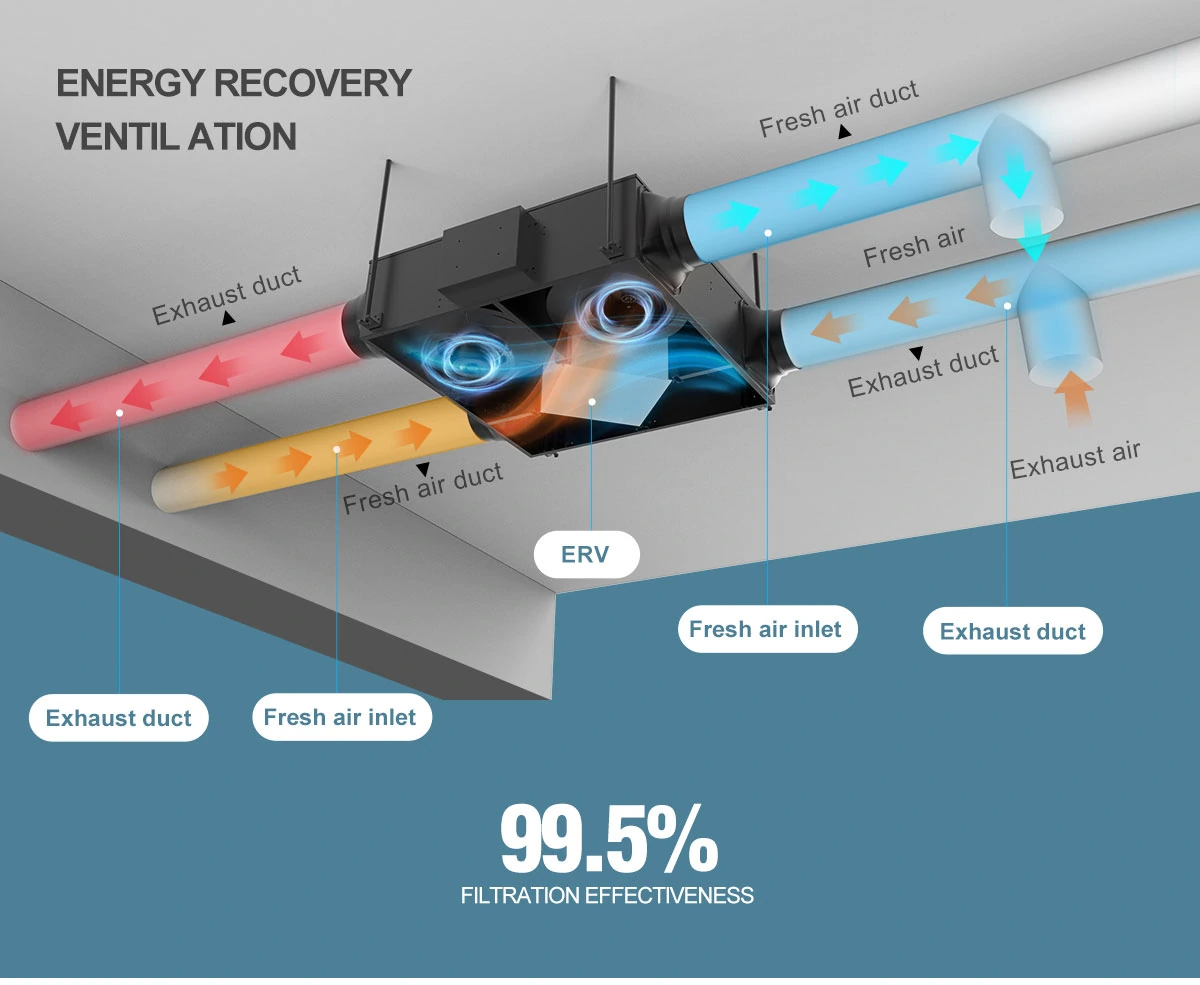
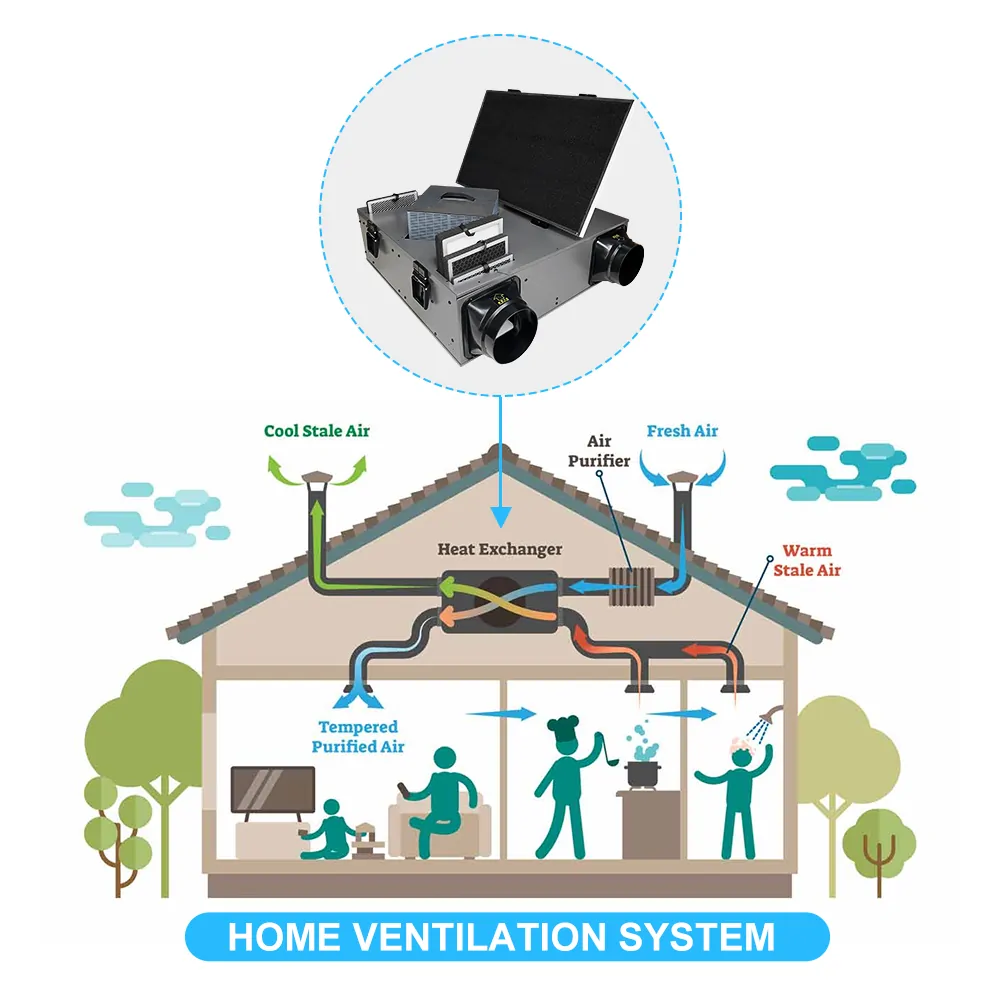
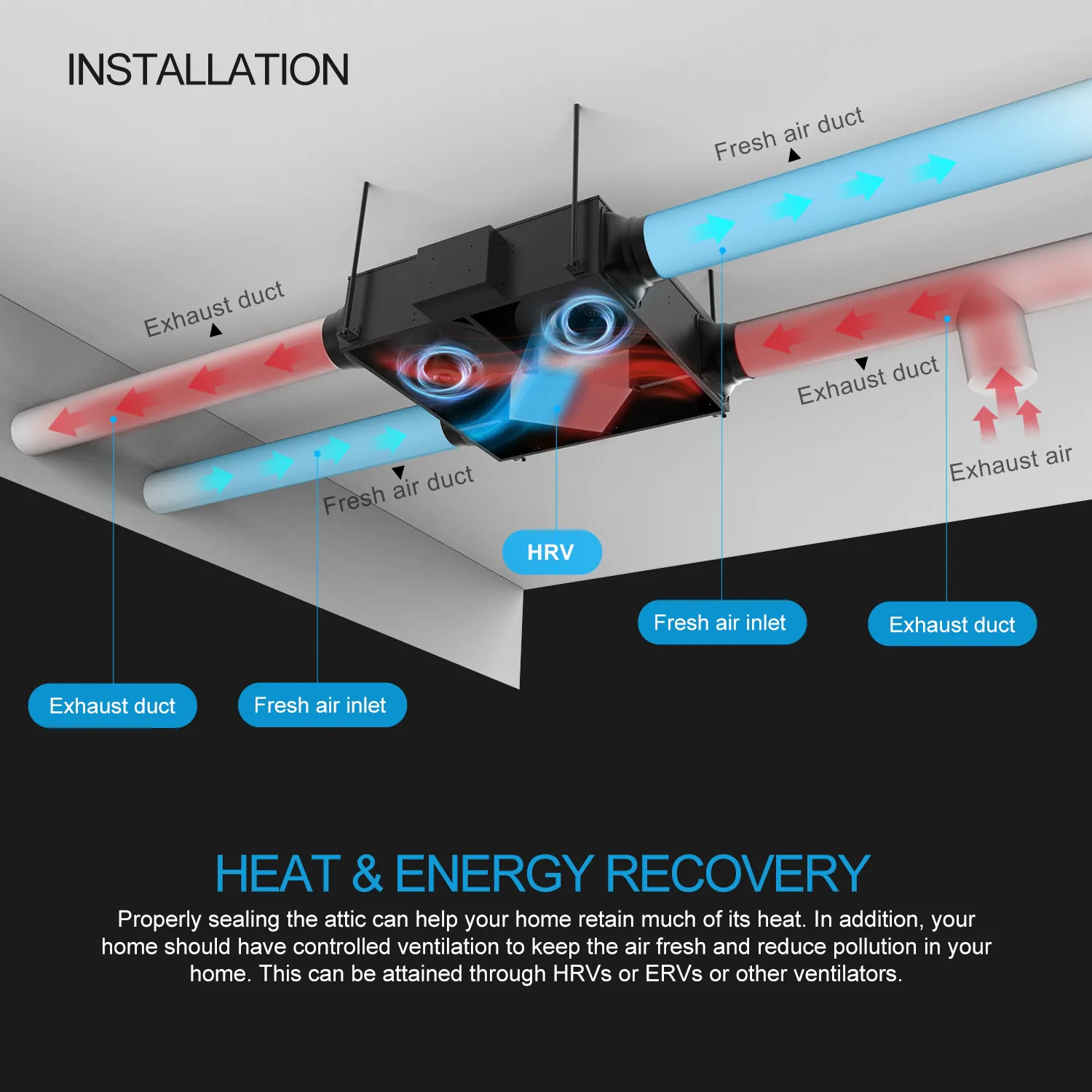
In an airtight home, use a balanced ventilation system or HRV/ERV to exchange air all year without wasting heat — see our HRV vs ERV guide.
Open the room so air moves; closed bedroom doors trap the moisture from sleep.
Other Causes to Fix Alongside Ventilation
Ventilation alone will not stop mold caused by:
Leaks — a dripping roof, pipe, or window will keep a wall wet no matter how well you ventilate. Fix the leak first.
Rising damp — ground moisture wicking up a wall needs a damp-proof course / membrane, not just air.
High outdoor humidity — in very humid climates, a dehumidifier helps pull moisture out of the air alongside ventilation.
Blocked cavity or failed flashing — structural moisture paths need inspection.
If mold keeps returning in the same spot after you fix ventilation and humidity, have the wall inspected for a hidden leak or damp problem.
Frequently Asked Questions
Q: What humidity level prevents wall mold? A: Keep indoor relative humidity below about 60%, ideally 30–50%. A hygrometer helps you track it; high readings point to a ventilation or moisture problem.
Q: Can opening a window prevent wall mold? A: It can help by reducing humidity, but it is unreliable in cold or polluted weather and does not work in rooms with no airflow. A mechanical exhaust or ventilation system is more consistent.
Q: Is wall mold dangerous? A: Mold can irritate airways and cause allergic reactions in sensitive people. If the affected area is large, or the mold is inside wall cavities, professional remediation is recommended.
Q: How do I remove wall mold safely? A: For small patches on hard surfaces, clean with detergent and water (or a mold-specific cleaner), dry thoroughly, and fix the moisture source. Do not paint over mold — the moisture will push through again.
Q: Can ventilation remove existing mold? A: Ventilation removes the moisture that lets mold spread; it does not remove mold that is already growing. Clean the mold, fix the moisture source, and ventilate to prevent a return.
Q: Does an HRV help with wall mold? A: Yes. An HRV/ERV continuously replaces humid indoor air with drier fresh air and recovers heat, so you can ventilate all year — the most reliable way to keep a wall from staying damp.
Preventing moisture and mold in your home or project? KCvents manufactures bathroom exhaust fans, single-room HRVs, and whole-home ventilation systems for wholesale, OEM, and private-label projects. Request a quote with your rooms and humidity issues.
Actualizaciones del boletín
Introduce tu dirección de correo electrónico para suscribirte a nuestro boletín