Utilizziamo i cookie per assicurarti di offrirti la migliore esperienza sul nostro sito web.
Stay Updated with KCVENTS Ventilation & HVAC Solutions
Subscribe to our newsletter for the latest airflow engineering insights, energy-efficient ERV/HRV system updates, and eco-friendly HVAC solutions.
Be the first to receive exclusive technical guides, custom OEM/ODM capabilities, and global exhibition news directly from KCVENTS.
Filter Box for HVAC Air Filtration: Applications, Selection, and Maintenance
How a filter box works, the three filter stages (pre-filter, HEPA, activated carbon), where it fits in an HVAC or ventilation system, how to select one, and how to maintain it.
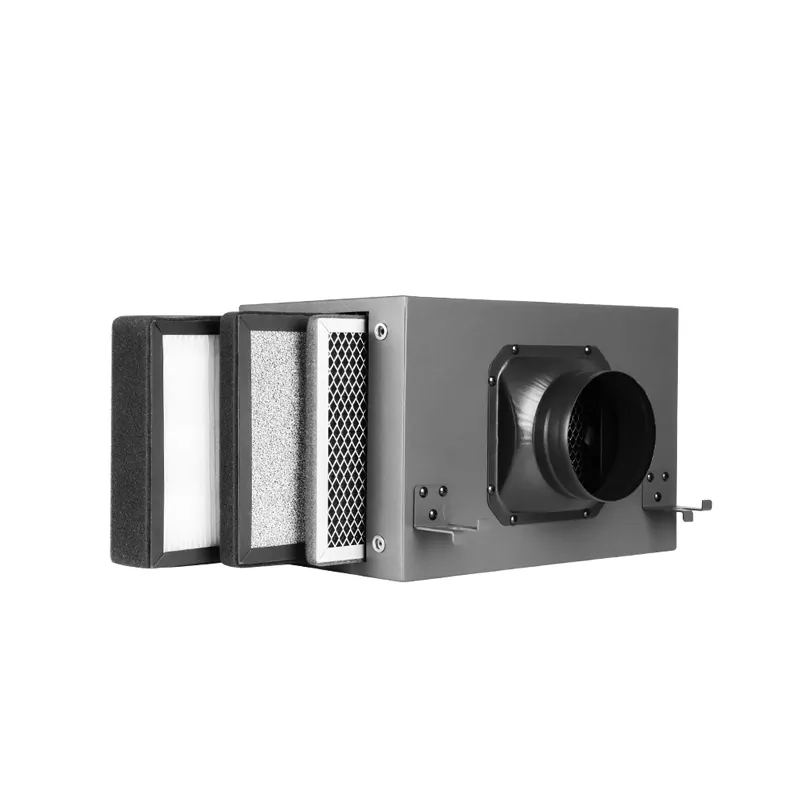
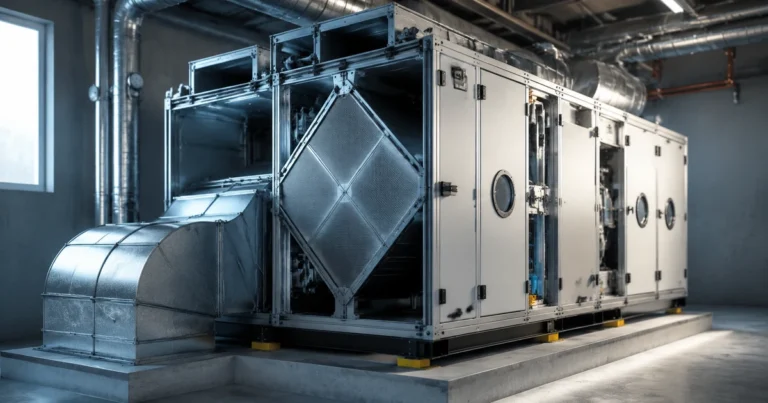
Un box filtrante è un alloggiamento che ospita un filtro dell'aria in un sistema HVAC o di ventilazione, consentendo di purificare l'aria di passaggio prima che raggiunga l'ambiente o le apparecchiature sensibili. Un tipico box filtrante combina un prefiltro, un filtro fine (come l'HEPA) e talvolta uno stadio a carboni attivi, permettendo di trattare sia il particolato che gli odori. Questa guida illustra come funziona un box filtrante, come si integra nell'impianto, come sceglierlo e come effettuarne la manutenzione.
Perché un box filtrante è fondamentale negli impianti HVAC e di ventilazione
La funzione principale di un box filtrante è fornire al filtro un alloggiamento a tenuta e opportunamente dimensionato all'interno del flusso d'aria. Senza un involucro adeguato, si verificano trafilamenti d'aria attorno al filtro, l'aria non filtrata bypassa il setto filtrante e il filtro non raggiunge le prestazioni nominali.
Secondo l'EPA statunitense, le persone trascorrono circa il 90% del loro tempo in ambienti interni e le concentrazioni di alcuni inquinanti indoor possono essere da due a cinque volte superiori rispetto ai livelli esterni. Fonte: U.S. EPA, The Inside Story: A Guide to Indoor Air Quality. La ventilazione immette aria esterna, ma l'aria necessita comunque di filtrazione prima di entrare negli spazi occupati: è qui che interviene un box filtrante dotato dei corretti media filtranti.
Un box filtrante svolge tre funzioni fondamentali in un sistema HVAC:
Migliora la qualità dell'aria interna. Cattura le particelle aerodisperse come polvere, polline e allergeni durante il passaggio dell'aria attraverso il sistema.
Protegge le apparecchiature. Senza filtrazione, polvere e detriti si accumulano su batterie, ventilatori e scambiatori di calore, riducendo lo scambio termico e accorciando la vita utile dei componenti.
Mantiene l'efficienza del sistema. Un filtro pulito e correttamente alloggiato mantiene la portata d'aria nominale; un filtro intasato o soggetto a bypass incrementa le perdite di carico e il consumo energetico.
Un limite fondamentale: un box filtrante purifica solo l'aria che lo attraversa. Non sostituisce il controllo delle emissioni alla fonte né la ventilazione con aria di rinnovo esterna, e non elimina qualsiasi tipo di inquinante. Deve essere integrato in una progettazione aeraulica completa, non concepito come una soluzione a sé stante.
Come funziona un box filtrante: i tre stadi di filtrazione
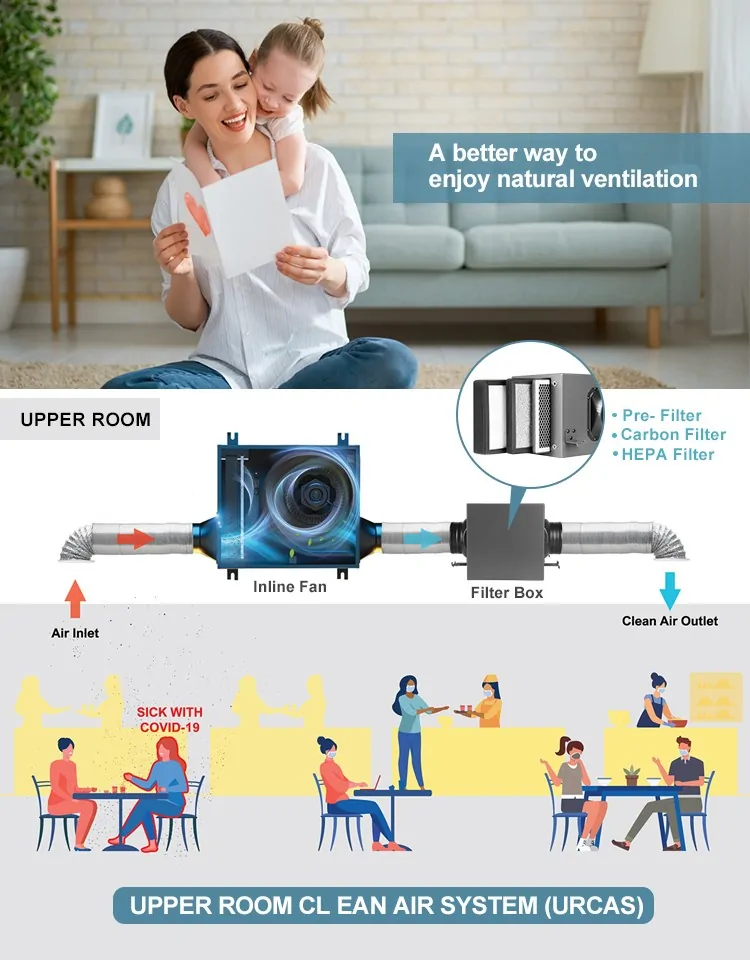
Molti box filtranti sono strutturati come un sistema di filtrazione a 3 stadi, in cui ciascun livello svolge una funzione specifica:
Stadio
Elementi rimossi
Media tipico
Sostituzione
Prefiltro
Particelle grossolane: polvere, capelli, lanugine
Media sintetico per polveri grossolane o rete metallica
Ogni 1–3 mesi, o quando visibilmente intasato
Filtro fine (HEPA)
Particolato fine: PM2,5, polline, allergeni
HEPA o media plissettato per filtrazione fine
Ogni 6–12 mesi, secondo le indicazioni del costruttore
Carboni attivi
Gas e odori: COV, odori di cottura e di origine vegetale
Letto di carboni attivi
Ogni 6–12 mesi, al manifestarsi del passaggio degli odori
Prefiltro rappresenta la prima linea di difesa. Protegge gli stadi di filtrazione più fine a valle, prolungando la durata dei più costosi media HEPA e a carboni attivi.
Filtro HEPA cattura il particolato fine. Si noti che l'HEPA trattiene le particelle, non i gas — consultare la sezione sottostante per il confronto tra carboni attivi ed HEPA.
Carboni attivi adsorbe gas e odori. Non trattiene il particolato e non può essere lavato o riutilizzato una volta saturo.
Poiché i tre stadi svolgono funzioni diverse, un box filtrante che li dispone in serie garantisce una copertura più ampia rispetto a qualsiasi filtro singolo.
Carboni attivi vs HEPA in un box filtrante
Un equivoco comune consiste nel pensare che “più filtri ci sono, meglio è”, senza sapere cosa faccia ciascun filtro.
Capacità
Carboni attivi
HEPA
Rimuove le particelle (polvere, PM2.5, pollini)
No
Yes
Rimuove gas e odori
Sì (molti VOC e odori)
No
Meccanismo
Adsorbimento sulla superficie del carbone
Intercettazione meccanica
Lavabile e riutilizzabile
No
No (solo sostituzione)
Resistenza al flusso d'aria
Moderata, aumenta con la saturazione
Elevata, aumenta con l'intasamento
Per la maggior parte degli ambienti sono necessari entrambi: un prefiltro e un filtro HEPA per il particolato, più i carboni attivi in presenza di odori o gas (cucine, animali domestici, grow room, stoccaggio di prodotti chimici). Un box filtrante a 3 stadi li integra in un unico alloggiamento. Consulta la nostra activated carbon filter guide per scoprire come funziona l'adsorbimento a carbone attivo e quando sostituire lo stadio a carboni.
Dove posizionare un box filtrante in un sistema di ventilazione
Un box filtrante può essere installato in diverse posizioni, a seconda dell'obiettivo:
Sulla presa d'aria esterna — filtra l'aria esterna prima che entri nell'ambiente; la configurazione più comune per i sistemi di ventilazione.
Nel condotto di mandata — purifica l'aria prima dell'immissione tramite la griglia di mandata.
A monte di apparecchiature sensibili — protegge batterie, ventilatori e recuperatori di calore da polvere e detriti.
Sul condotto di espulsione — con uno stadio a carboni attivi, abbatte gli odori prima che l'aria venga espulsa all'esterno (es. grow room, cucine).
Applicazioni tipiche per un box filtrante:
Sistemi di ventilazione con aria di rinnovo per abitazioni, uffici e aule scolastiche.
Sistemi HVAC in cui l'intasamento delle batterie è un fattore critico.
Cucine e aree di preparazione alimentare dove gli odori di cottura richiedono uno stadio a carboni attivi.
Grow room e agricoltura in ambiente controllato (CEA) per il controllo combinato di particolato e odori.
Qualsiasi ambiente in cui la qualità dell'aria esterna è compromessa (PM2.5, pollini, fumi).
Come scegliere un box filtrante
La selezione consiste nell'adattare il box filtrante alla portata d'aria, alle condotte e al tipo di contaminanti:
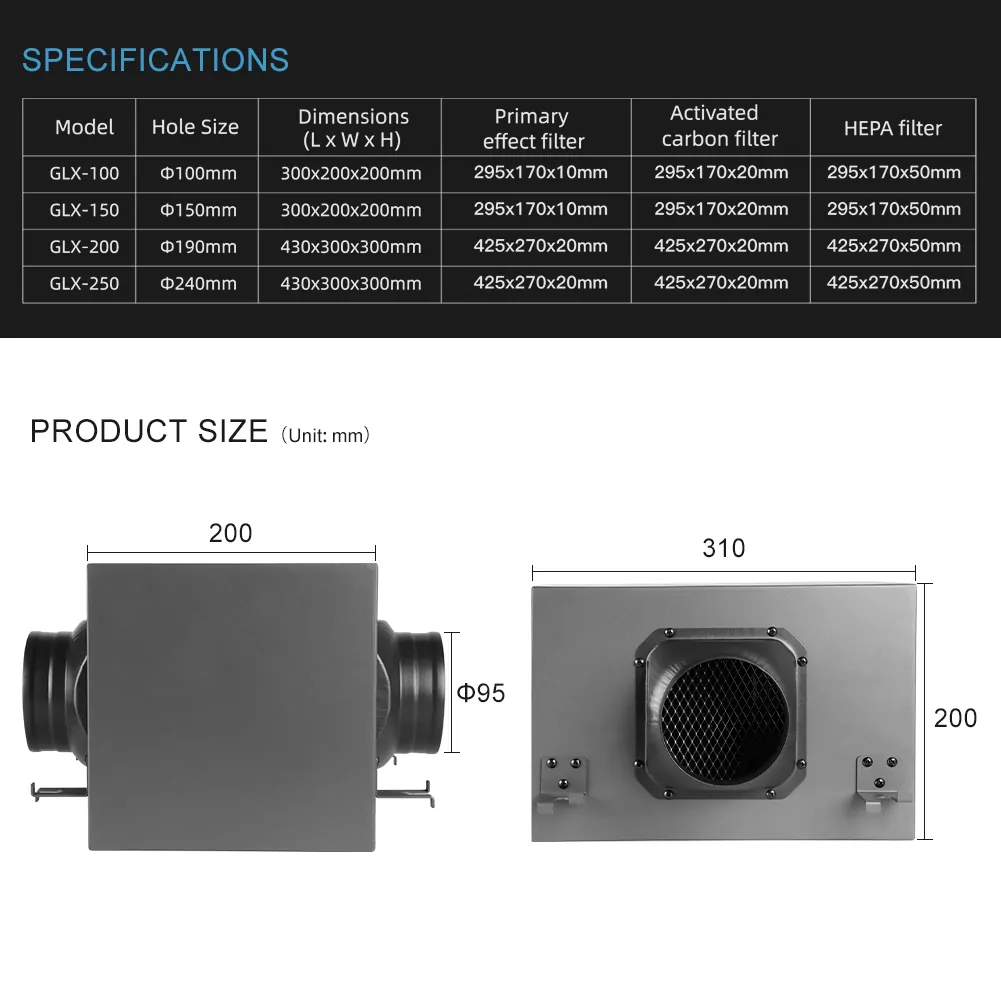
Dimensionamento in base a condotto e portata d'aria. Le connessioni del box filtrante devono corrispondere al diametro del condotto (es. 100 mm, 125 mm, 150 mm, 200 mm) e alla portata d'aria del ventilatore. Un box filtrante dimensionato per una portata inferiore genera perdite di carico eccessive.
Verificare la perdita di carico. Ogni stadio di filtrazione incrementa la pressione statica. Verificare i dati di perdita di carico del filtro alla portata d'esercizio e selezionare un ventilatore con prevalenza adeguata.
Scelta degli stadi di filtrazione necessari. Solo particolato → prefiltro + HEPA. Particolato + odori → aggiungere lo stadio a carboni attivi. Evitare stadi non necessari per ottimizzare i costi.
Verifica della tenuta. Un box filtrante è efficace solo se il filtro è perfettamente sigillato all'interno. Assicurarsi della presenza di un telaio o di una guarnizione idonea per prevenire trafilamenti d'aria (by-pass).
Verifica dell'accessibilità per la manutenzione. Il box deve aprirsi agevolmente per la sostituzione dei filtri: un filtro inaccessibile è un filtro che non viene mai sostituito.
Verifica con la scheda tecnica del prodotto. Fare riferimento esclusivamente alle specifiche verificate (portata d'aria, classe di filtrazione, perdita di carico, dimensioni) riportate nella documentazione tecnica aggiornata.
Checklist per la selezione del box filtrante
[ ] Diametro del condotto e connessioni conformi al ventilatore e alla canalizzazione.
[ ] Portata d'aria sufficiente per l'ambiente alla pressione statica di esercizio.
[ ] Stadi di filtrazione idonei ai contaminanti presenti (particolato, odori o entrambi).
[ ] Media filtranti e ricambi disponibili ed economicamente sostenibili.
[ ] L'alloggiamento garantisce una tenuta corretta e un accesso agevole per la manutenzione.
[ ] La perdita di carico alla portata di progetto rientra nella capacità del ventilatore.
Manutenzione del box filtrante
Un box filtrante garantisce le prestazioni nominali solo se i filtri vengono sostituiti regolarmente:
Prefiltro: ispezionare mensilmente; sostituire quando visibilmente intasato (generalmente ogni 1–3 mesi, intervalli più lunghi in ambienti puliti).
Filtro HEPA / per polveri fini: sostituire secondo le indicazioni del costruttore (generalmente ogni 6–12 mesi). Non lavare mai un filtro HEPA.
Carboni attivi: sostituire quando gli odori oltrepassano il filtro (comunemente ogni 6–12 mesi). Il lavaggio non ripristina l'adsorbimento.
Housing e guarnizione: controllare la guarnizione e il telaio annualmente; una tenuta usurata consente il bypass dell'aria.
Registrare le date di manutenzione in un registro in modo da poter verificare l'effettiva frequenza di sostituzione per il proprio ambiente.
D: Un box filtrante migliora la qualità dell'aria interna? R: Un box filtrante rimuove il particolato (e, con uno stadio a carboni attivi, determinati gas e odori) dall'aria che lo attraversa. Rappresenta solo una parte della qualità dell'aria interna: anche la ventilazione, il controllo delle fonti inquinanti e la regolazione dell'umidità sono fondamentali.
D: Qual è la differenza tra un box filtrante e un purificatore d'aria? R: Un box filtrante è un componente di un impianto HVAC o di ventilazione, installato nel canale o nella presa d'aria per purificare il flusso d'aria. Un purificatore d'aria è un'unità indipendente che ricircola e purifica l'aria ambiente. Molti edifici integrano entrambe le soluzioni.
D: È necessario un filtro HEPA o un filtro a carboni attivi? R: Dipende dai contaminanti presenti. L'HEPA rimuove il particolato; i carboni attivi rimuovono gas e odori. Se sussistono entrambe le necessità (ad esempio polvere combinata a odori di cucina o di coltivazione), si raccomanda l'uso congiunto in un box filtrante multistadio.
D: Con quale frequenza occorre sostituire il filtro in un box filtrante? R: Prefiltri solitamente ogni 1–3 mesi, filtri fini/HEPA ogni 6–12 mesi e carboni attivi in presenza di saturazione e passaggio degli odori. L'intervallo effettivo dipende dall'ambiente di esercizio: ispezionare regolarmente e seguire le istruzioni del costruttore.
D: Un box filtrante può sostituire la ventilazione? R: No. Un box filtrante depura l'aria che lo attraversa; non immette aria fresca esterna né espelle l'aria viziata. Ventilazione e filtrazione sono processi complementari, non alternativi.
D: Un box filtrante protegge le apparecchiature HVAC? R: Sì. Trattenendo polvere e impurità prima che raggiungano batterie di scambio, ventilatori e recuperatori di calore, la filtrazione previene l'intasamento delle batterie, mantiene efficiente lo scambio termico e prolunga la vita utile dei componenti.
Inline Duct Fan — la soluzione di ventilazione ideale per un box filtrante canalizzato
Avete bisogno di un box filtrante per il vostro progetto HVAC o di ventilazione? KCvents produce box filtranti, ventilatori da condotto e sistemi di rinnovo dell'aria per distributori all'ingrosso, costruttori OEM e marchi private-label. Richiedi un preventivo con le vostre esigenze di portata d'aria, dimensioni del canale e requisiti di filtrazione.
Aggiornamenti Newsletter
Inserisci il tuo indirizzo email qui sotto e iscriviti alla nostra newsletter