EC排気ファン vs AC排気ファン:高効率なのはどちらか?
EC(電子整流)排気ファンは、ACファンが稼働時にほぼフル電力を消費するのに対し、必要な風量に応じて出力を調整できるため、AC排気ファンよりも高効率です。湿度センサー連動の浴室、厨房、植物育成室(グロールーム)、インラインダクトシステムなど、連続運転や風量変動が求められる排気用途では、ECファンを導入することで初期費用の差額を十分に回収できる省エネ効果が得られます。本ガイドでは、効率、制御性、騒音、コストの観点から両者を比較し、最適な選択をサポートします。.
In This Guide
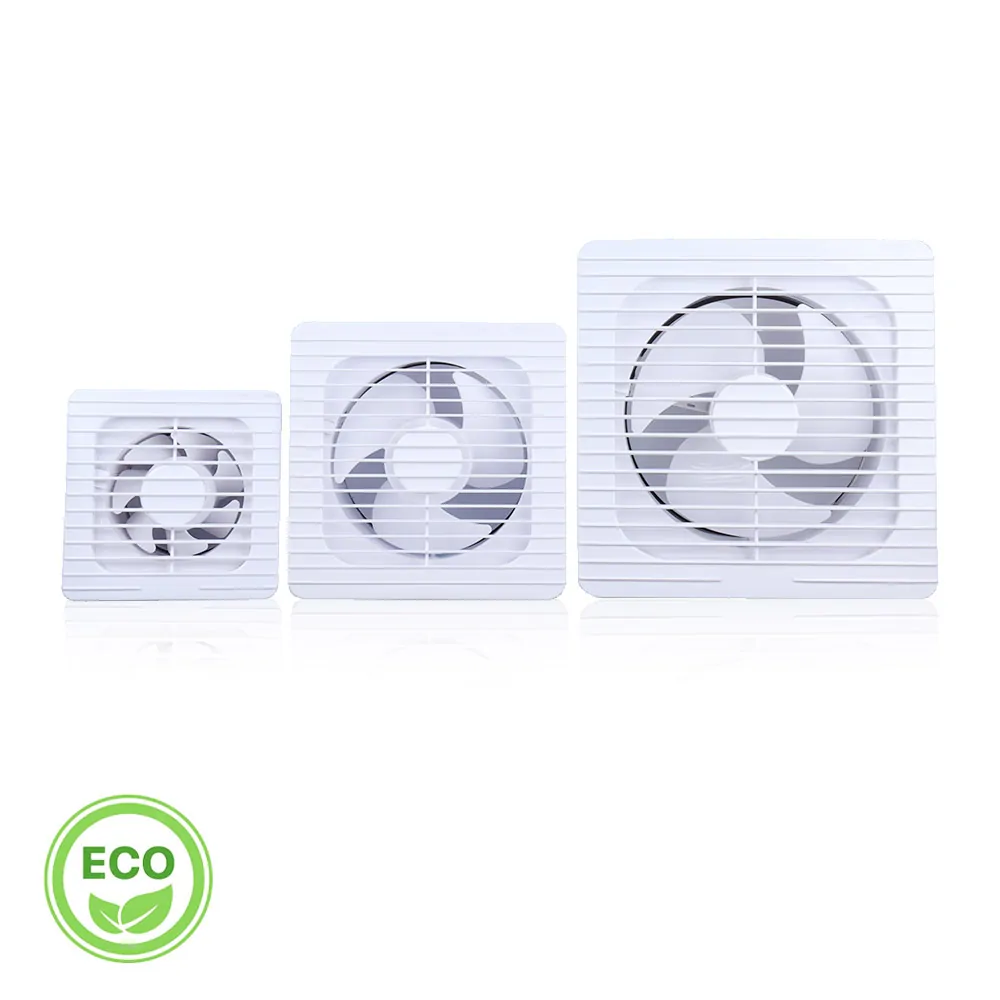
ECファンとACファンで効率が異なる理由
排気ファンの役割は空気を移動させることです。消費エネルギーは本来、その瞬間に移動させる必要のある換気量によって決まりますが、ほとんどのACファンは出力を絞ることができません。部屋が無人であっても蒸気で満ちていても、常に一定の速度で稼働し、ほぼ同等の電力を消費します。.
対照的に、ECファンは電子コントローラーを内蔵しており、必要に応じた回転数でモーターを駆動します。換気要求が低いときは消費電力を最小限に抑え、要求が高まった際(湿度、CO₂濃度の上昇、手動ブースト時)には出力を上げます。その結果、単なる「ON/OFF」ではなく、必要性に応じた精密なエネルギー消費が可能になります。“
これは、長時間または連続して運転する排気用途で最も重要となります。湿度センサーによって1日8時間稼働する浴室用ファンはその典型例であり、大半の時間は低速で稼働し、シャワー使用時のみ一時的に風量を最大化できます。.
EC排気ファン vs AC排気ファンの比較
| 特徴 | EC排気ファン | AC排気ファン |
|---|
| 部分負荷時の効率 | High | Low |
| 回転数制御 | 電子式・可変(無段階) | 固定 / 限定的 |
| ソフトスタート/ストップ | はい | いいえ |
| 通常使用時の騒音 | 低騒音(低速回転時) | フルスピード |
| 寿命 | 長寿命(ブラシレス構造) | 標準 |
| 初期費用 | 高め | 低め |
その実質的な違いは、瞬時の測定値ではなく、数か月にわたる電気料金や騒音レベルに顕著に表れます。.
EC排気ファンの省エネ効果が最も発揮される用途
- 湿度センサー連動の浴室 — 通常は低速で稼働し、蒸気が発生したときのみ出力を上げます。.
- 厨房・キッチン排気 — 常にフル稼働するのではなく、調理状況に応じて出力を調整します。.
- 植物育成室(グロールーム)および温室 — 変動する換気需要を伴う長時間の連続運転に対応します。.
- インラインダクト排気 — 風量調整が必要な連続運転用途。.
- CO₂濃度または在室センサー連動の換気システム — 要求に応じて出力を最適化します。.
いずれの用途においても、ECファンは稼働時間の大半を省電力な低出力で過ごすため、ACファンに対する優位性が最大限に発揮されます。.
ACファンが依然として適しているケース
AC排気ファンが依然として適切な選択肢となるケース:
- ファンの稼働頻度が極めて低い場合(例:1日あたり数分しか使用しないユーティリティ排気)。.
- 常に全速運転が必要で、風量変動の要求がない場合。.
- 初期費用が最大の制約条件であり、電気料金が安価な場合。.
- 制御配線を伴わない、既存のACファンの単純な交換。.
長時間運転する場合や需要に応じた風量調整を行う場合、ECファンは消費電力の低減により、通常短期間で投資を回収できます。.
Frequently Asked Questions
Q: ECファンはACファンと比べてどのくらい効率的ですか? A: デューティサイクル(稼働パターン)によって異なります。部分負荷運転時、ECファンの消費電力はACファンのごく一部に抑えられます。連続運転や可変風量運転を行う場合、省エネ効果は通常非常に顕著です。具体的な削減量は、稼働時間と風量プロファイルによって決まります。.
Q: EC排気ファンはより静かですか? A: 一般的にはより静音性に優れています。必要な風量が少ない場合に低速運転できるためです。フルスピード時の騒音レベルは両方の技術で同等です。.
Q: EC排気ファンを湿度センサーに接続することはできますか? A: はい。これは最も一般的で有用な活用例の一つです。湿度が上昇するとファンの回転速度が上がり、室内の空気が改善されると元の回転数に戻ります。.
Q: ECファンはメンテナンスコストが高くなりますか? A: いいえ。摩耗するブラシがないため、ECモーターは一般的に耐用年数が長く、メンテナンスの手間も少なくなります。.
Q: どのEC排気ファンを選ぶべきですか? A: ダクトや設置空間に合わせてファンの風量と静圧を選定してください。詳細は当社の インラインダクトファン選定ガイド and ECモーターガイド をご参照ください。.
省エネ性能に優れた排気ファンへのアップグレードをご検討中ですか? KCventsは、浴室、厨房、グロールーム、商業施設換気用のEC排気ファンおよびECインラインダクトファンを製造しています。. お見積りを依頼する 必要な風量および稼働要件をお知らせください。.