What Is an EC Motor and Why Choose EC Ventilation Fans?
An EC (electronically commutated) motor is a brushless DC motor with built-in electronics that control its speed and efficiency, and it is the main reason modern ventilation fans can run quietly, adjust airflow on demand, and consume far less energy than conventional AC fans. This guide explains what an EC motor is, how it works, what benefits it brings to ventilation, and when it is worth the higher upfront cost.
An EC motor is an electronically commutated motor. It is essentially a brushless DC motor with a built-in electronic controller. The motor uses electronic switching (commutation) instead of brushes to keep the rotor turning, and the controller manages speed precisely.
Traditional AC fans run at a fixed speed set by the mains frequency.
EC fans run on DC power converted from the mains, with speed controlled electronically.
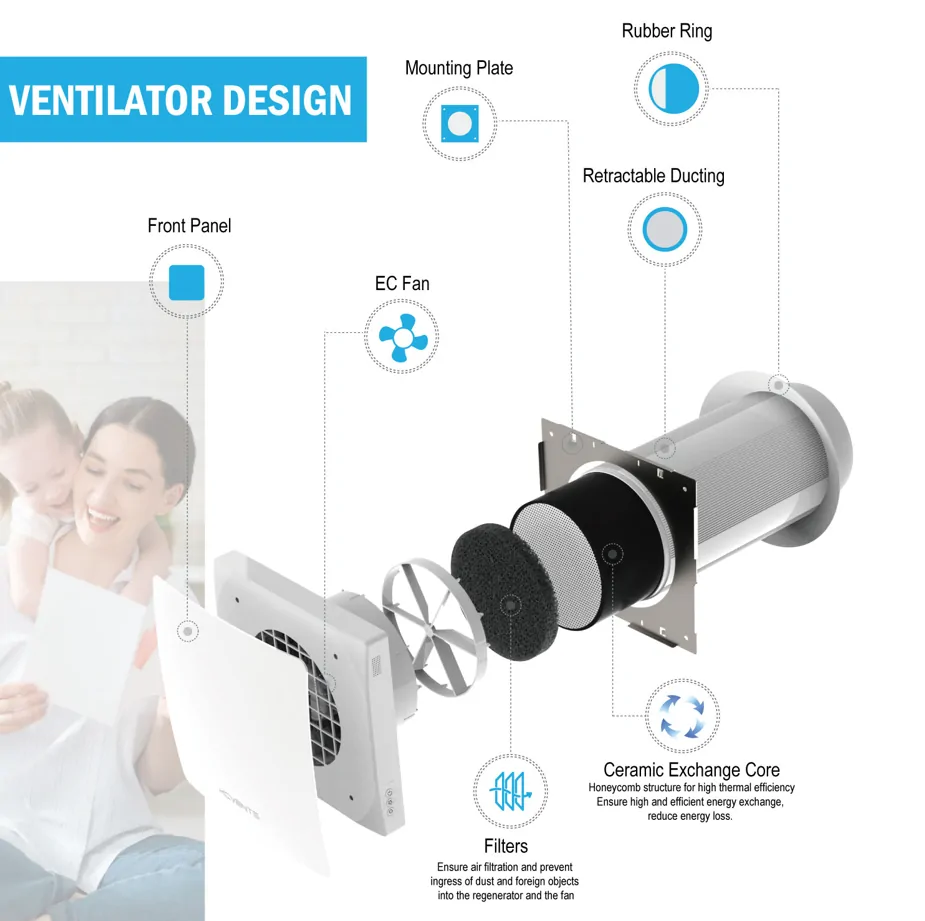
Because the electronics are built into the motor, an EC fan can be controlled with a simple 0–10 V signal, PWM, or a digital controller — no external variable-frequency drive needed for many models.
How an EC Motor Works
AC mains power is converted to DC inside the motor’s controller.
A microprocessor controls commutation — it switches the motor’s coils electronically, in step with the rotor position.
Speed and torque are controlled precisely by adjusting the voltage/current to the motor.
This is the same technology family used in computer fans, e-bikes, and electric cars — reliable, efficient, and controllable. In a ventilation fan, it means the fan can run at exactly the airflow you need instead of always full speed.
EC Motor vs AC Motor in Ventilation Fans
特徴
EC motor fan
AC motor fan
Speed control
Precise, electronic, variable
Fixed or limited tap speeds
Efficiency at partial load
High (uses only what’s needed)
Low (fixed power)
Heat/energy loss
Low
Higher
Noise
Quieter, especially at low speed
Full-speed noise
Soft start/stop
Yes (no inrush shock)
いいえ
Controller needed
Built-in (many models)
External (for VFD)
Upfront cost
Higher
Lower
The efficiency difference is most visible at partial load: an AC fan that is on-but-not-needed still consumes close to its full power, while an EC fan drops its consumption with the airflow.
Benefits of EC Ventilation Fans
Energy efficiency. EC fans use only the power needed for the airflow. In systems that run continuously or at varying demand, this can be a large share of the fan’s energy cost.
Variable speed control. Airflow can be tuned to demand, CO₂, humidity, or a schedule — ideal for ventilation systems that need to change output.
Soft start and stop. No high inrush current, which reduces stress on the motor and the electrical supply.
Quieter operation. Running at lower speeds when full airflow is not needed reduces noise.
Longer life. No brushes to wear out, and cooler operation reduces component stress.
When an EC Fan Is Worth the Cost
An EC fan costs more upfront than an AC fan, so it pays off where the fan runs long or at varying loads:
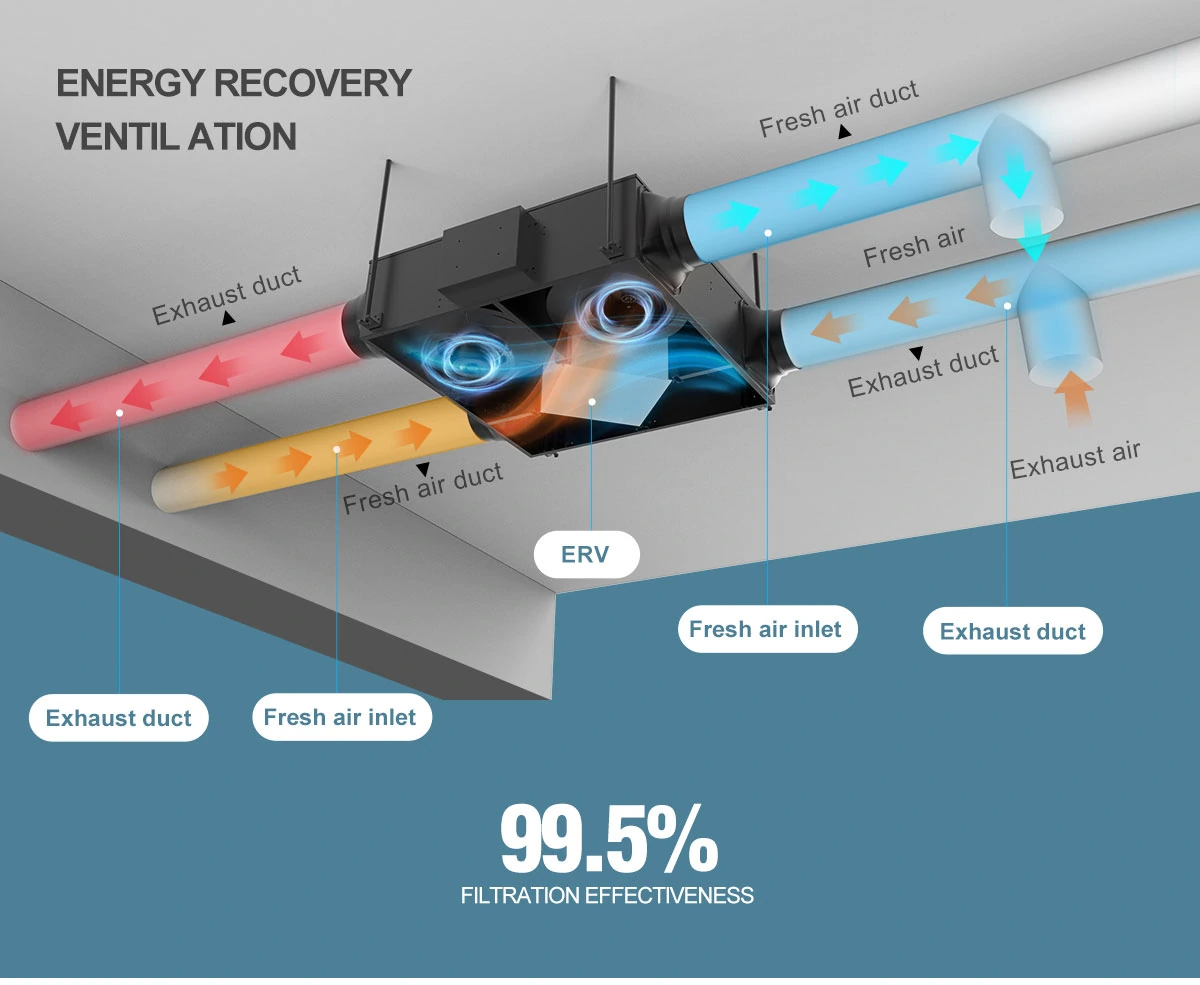
Continuous ventilation systems (HRV, ERV, fresh air) that run 24/7.
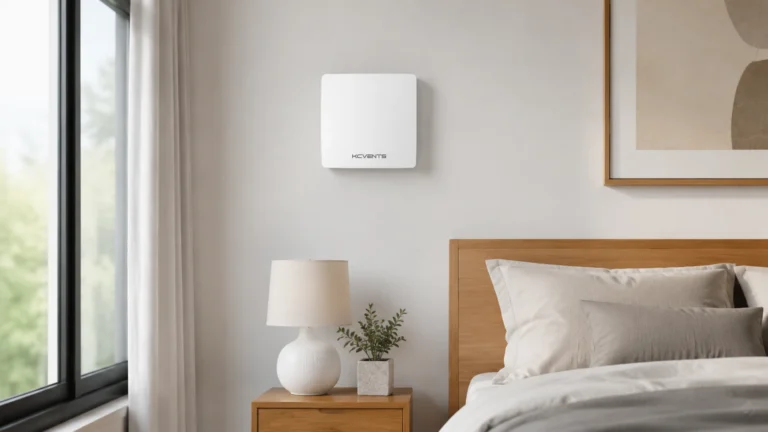
Bathroom and kitchen ventilation on humidity sensors — the fan ramps up only when needed.
Grow rooms and greenhouses that need adjustable airflow and low electricity use over long seasons.
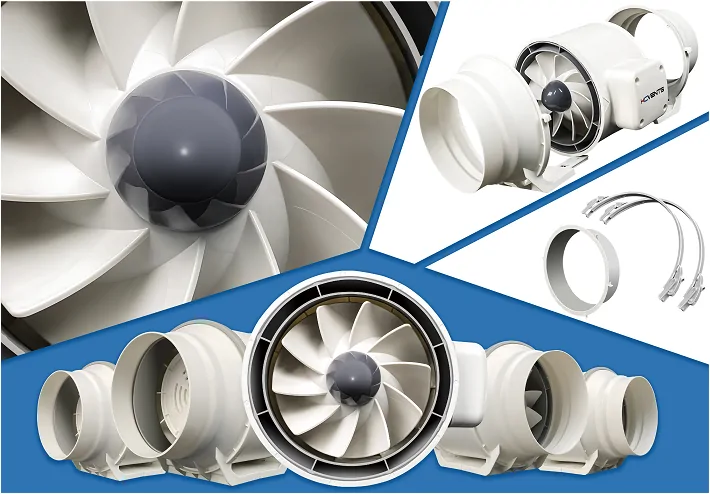
Inline duct systems where noise and speed control matter.
Commercial ventilation where energy cost and demand control are priorities.
If a fan runs rarely or always at full blast with no need for control, an AC fan may be the cheaper choice. If it runs continuously or needs variable airflow, the EC motor typically pays back.
Frequently Asked Questions
Q: Is an EC motor better than an AC motor? A: For ventilation, EC motors are generally more efficient, quieter, and easier to control. They cost more upfront but save energy where the fan runs often or at varying load.
Q: Do EC fans use less electricity? A: Yes, especially at partial load. An EC fan adjusts its power to the airflow demand, while an AC fan consumes near full power whenever it is on.
Q: Can I control the speed of an EC fan? A: Yes. Many EC fans accept a 0–10 V signal, PWM, or a digital controller, letting you set or automate the airflow.
Q: Are EC fans quieter than AC fans? A: Generally, yes — particularly at low speeds, because the fan runs slower when full airflow is not needed.
Q: Where can I use an EC motor ventilation fan? A: In bathroom, kitchen, grow-room, greenhouse, inline duct, and HRV/ERV applications. See our inline duct fan guide for sizing and installation details.
Looking for energy-efficient EC ventilation? KCvents manufactures EC inline duct fans, EC exhaust fans, and controlled-speed ventilation products for wholesale, OEM, and private-label projects. Request a quote with your airflow and application.