Why You Need a Ventilation Fan to Keep Indoor Air Balanced
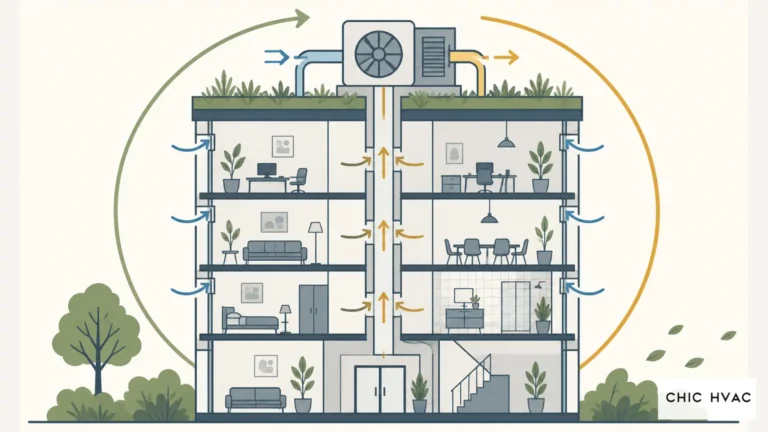
Um ventilador de renovação de ar mantém o ar interior equilibrado ao remover continuamente o ar viciado, húmido e poluído e admitir ar exterior fresco, evitando a acumulação de humidade, CO₂, odores e poluentes. Sem este sistema, uma habitação ou casa de banho hermética retém a humidade e os contaminantes, provocando condensação, bolor e uma má qualidade do ar. Este guia explica o significado de “equilíbrio do ar”, a importância dos ventiladores e onde utilizá-los.
O que Significa o “Equilíbrio do Ar” numa Habitação?
O ar interior é constantemente alterado pelos seus ocupantes. A respiração liberta CO₂ e humidade. Cozinhar, tomar banho e lavar roupa aumentam a humidade. Produtos de limpeza e mobiliário libertam compostos gasosos. Sem uma renovação de ar contínua, estes elementos acumulam-se mais rapidamente do que o esperado.
De acordo com a U.S. EPA, os americanos passam cerca de 90% de seu tempo em ambientes internos, e as concentrações de alguns poluentes internos podem ser de duas a cinco vezes maiores do que os níveis externos. Fonte: U.S. EPA, The Inside Story: A Guide to Indoor Air Quality. Um espaço desequilibrado e com ventilação insuficiente tende para níveis elevados de humidade e alta concentração de poluentes.
“Um ambiente interior ”equilibrado" significa que o ar é renovado com frequência suficiente para que a humidade, o CO₂ e os poluentes permaneçam em níveis confortáveis e seguros — não que os caudais de insuflação e extração sejam rigorosamente iguais em todas as divisões.
O que Faz Realmente um Ventilador de Renovação de Ar
Um ventilador de renovação de ar desempenha quatro funções essenciais:
Remove o ar viciado, poluentes e odores — fumos de confeção, químicos de limpeza e odores são expelidos para o exterior em vez de permanecerem no espaço.
Controla a humidade — a função mais importante em casas de banho e cozinhas. A remoção do ar húmido previne a condensação nas janelas e a formação de bolor nas paredes.
Melhora a qualidade do ar interior — a renovação contínua reduz a concentração de poluentes suspensos no ar e de CO₂.
Previne a condensação e o bolor — ao limitar a humidade, a ventilação elimina as condições que favorecem o crescimento de bolor e danos estruturais.
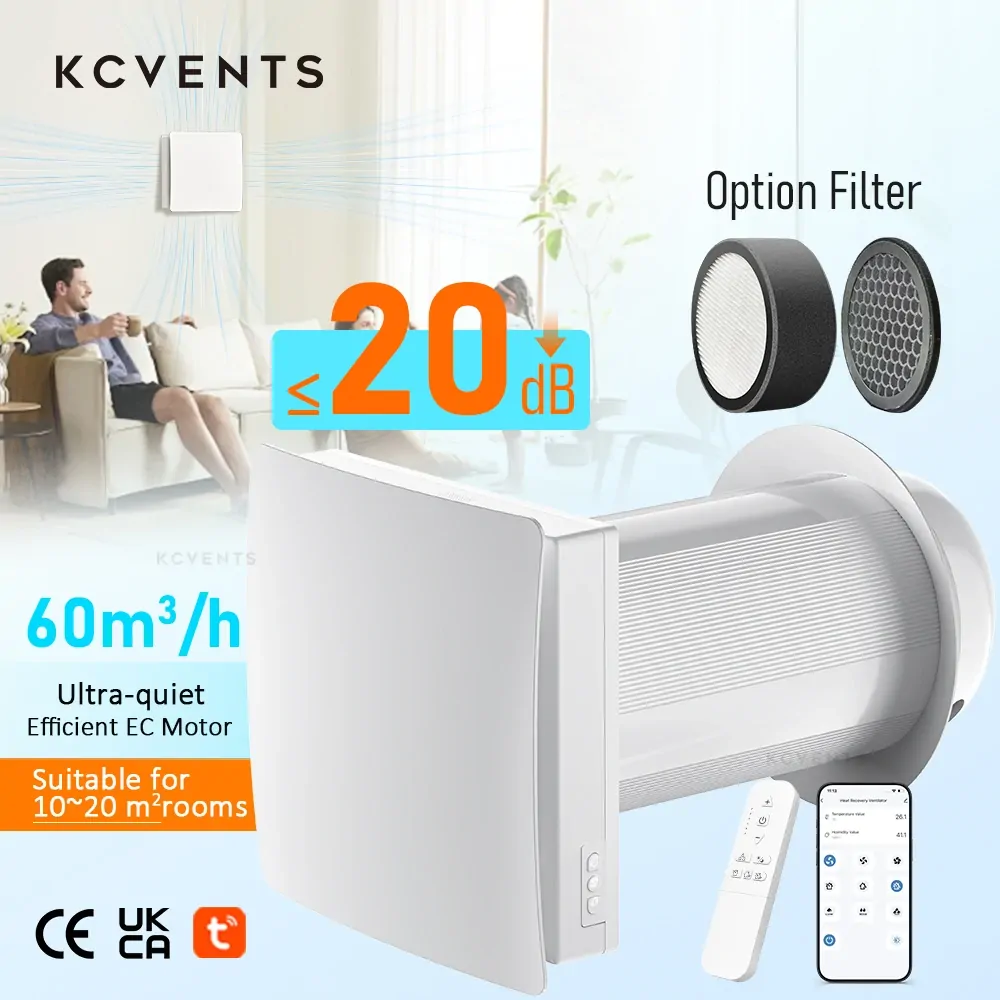
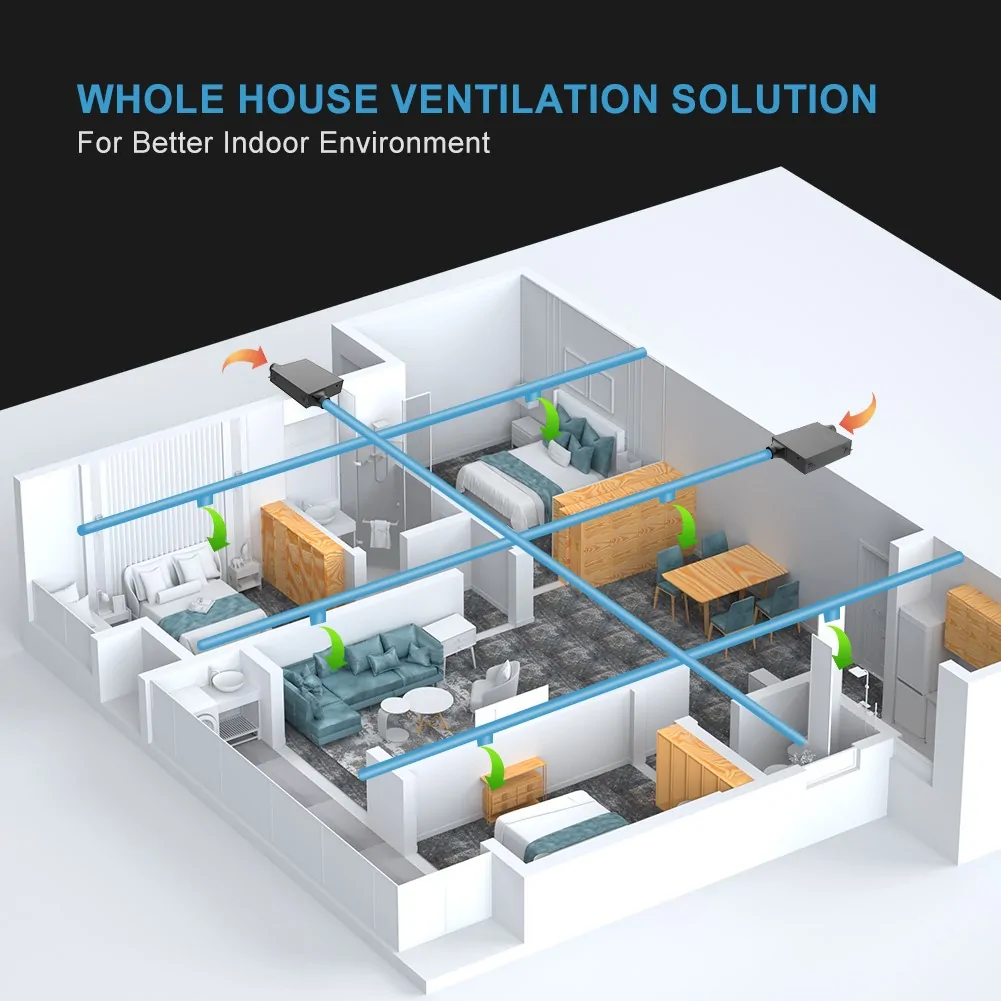
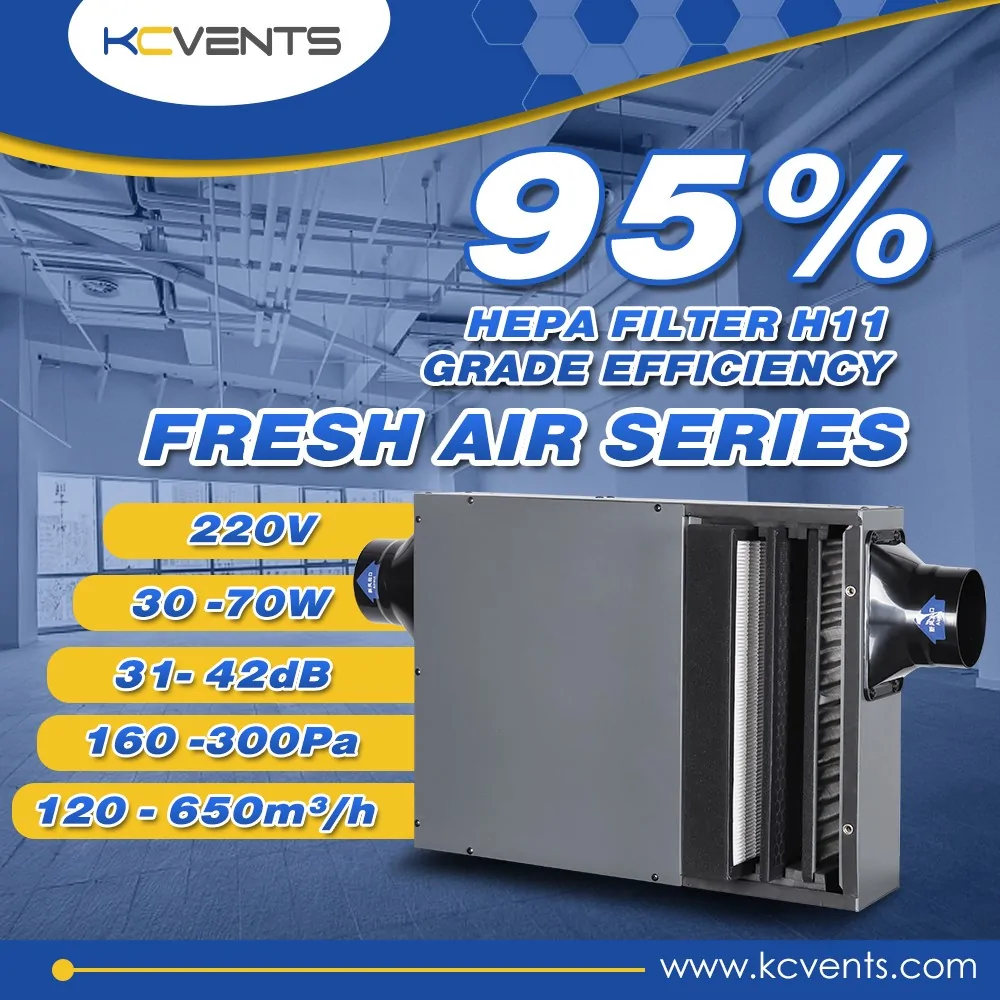
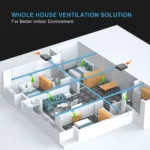
Um extrator básico (por exemplo, um ventilador de casa de banho) remove o ar de uma divisão húmida. Um sistema equilibrado com ventiladores de insuflação e extração, ou um recuperador de calor (HRV), faz a gestão de toda a habitação.
Onde os Ventiladores de Renovação de Ar São Mais Críticos
Espaço
Problema principal
Solução recomendada
Casa de banho
Humidade elevada, condensação, bolor
Extrator de ar (idealmente com sensor de humidade)
Cozinha
Odores de confeção, gordura, humidade
Extrator de cozinha ou exaustor
Lavandaria
Humidade proveniente da secagem de roupa
Extrator de ar ou secador com conduta de exaustão
Quarto
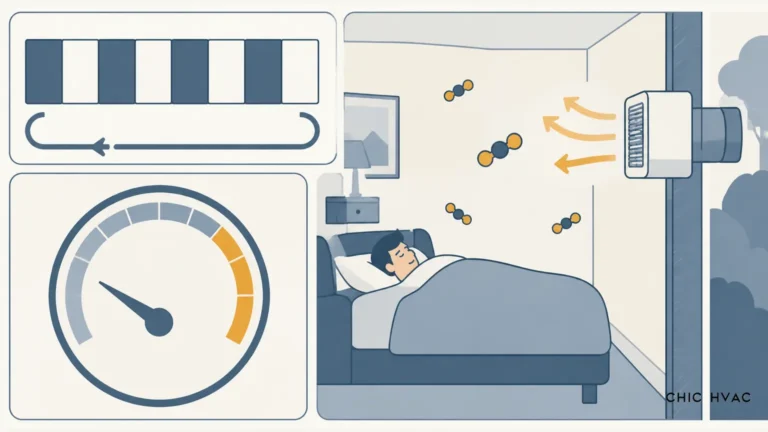
CO₂ e ar viciado durante a noite
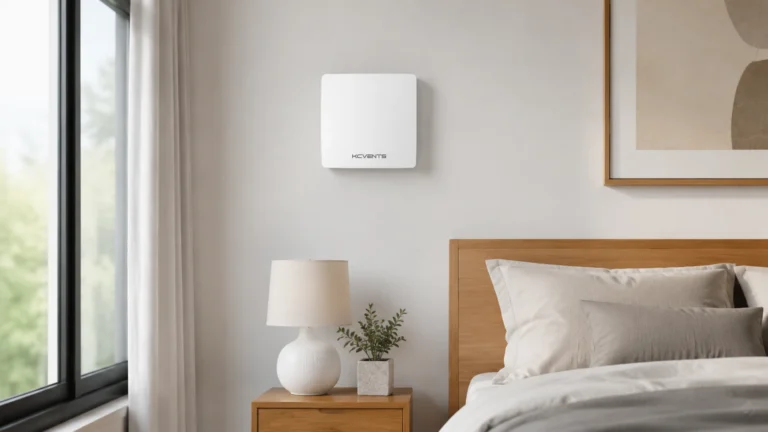
Ventilador de insuflação ou HRV de divisão individual
Toda a habitação
Acumulação de poluentes, distribuição desigual do ar
Ventilador de Renovação de Ar vs. Purificador de Ar
Um ventilador de renovação de ar renova o ar interior com ar exterior — dilui poluentes e remove a humidade. Um purificador de ar filtra o ar já presente na divisão — retém partículas em suspensão, mas não introduz ar fresco nem remove o CO₂.
Para um ar interior verdadeiramente equilibrado, é indispensável ventilação (admissão de ar fresco, extração de ar viciado). Um purificador de ar é um complemento útil para a filtragem de partículas, mas não substitui a renovação de ar.
Frequently Asked Questions
P: É necessário instalar um ventilador de renovação de ar em todas as divisões? R: Não necessariamente. Priorize áreas húmidas (casa de banho, cozinha, lavandaria) e espaços ocupados (quartos). Um sistema para toda a casa cobre todas as divisões através de condutas ou unidades descentralizadas.
P: Como sei se a minha casa precisa de mais ventilação? R: Os sinais incluem condensação nas janelas, odores a mofo, espelhos embaciados que demoram a desembaçar e divisões com sensação de ar abafado. Um monitor de CO₂ ou um medidor de humidade podem confirmar.
P: Qual é a diferença entre ventilação de exaustão e de insuflamento? R: Os exaustores extraem o ar viciado; os ventiladores de insuflamento introduzem ar fresco filtrado. Os sistemas balanceados fazem ambos. Consulte o nosso guia sobre como funciona a ventilação.
P: Um ventilador de ventilação pode reduzir o mofo? R: Sim. Ao remover o ar úmido de banheiros e cozinhas, a ventilação elimina uma das três condições de que o mofo precisa. Consulte o nosso guia de prevenção de mofo.
P: Um ventilador de ventilação desperdiça energia? R: Um exaustor convencional perde calor com o ar que remove. Um ventilador com recuperação de calor (HRV/ERV) recupera esse calor, reduzindo significativamente os custos de ventilação — consulte o nosso guia HRV vs ERV.
Precisa de ajuda para balancear o ar interior? A KCvents fabrica ventiladores de ventilação, HRVs para divisão individual e unidades de recuperação de energia para toda a casa para projetos de distribuição, OEM e private-label. Solicite um orçamento com os seus ambientes, problemas de umidade e necessidades de fluxo de ar.
Atualizações da newsletter
Enter your email address below and subscribe to our newsletter