How Ventilation Stops House Mold Growth Before It Starts
ระบบระบายอากาศช่วยยับยั้งการเจริญเติบโตของเชื้อราในบ้านโดยการกำจัดความชื้นที่เชื้อราต้องใช้ในการดำรงชีวิต เชื้อราต้องการปัจจัย 3 ประการ ได้แก่ ความชื้น ความอบอุ่น และสารอินทรีย์ ซึ่งในบ้านมักมีปัจจัยสองอย่างหลังอยู่เสมอ ดังนั้นวิธีควบคุมที่ได้ผลจริงเพียงวิธีเดียวคือการควบคุมความชื้น การระบายอากาศอย่างต่อเนื่องในห้องน้ำ ห้องครัว และห้องซักรีด จะช่วยกำจัดอากาศชื้นก่อนที่จะกลั่นตัวเป็นหยดน้ำบนผนังและหน้าต่าง นี่จึงเป็นเหตุผลว่าทำไมการระบายอากาศจึงเป็นปราการด่านแรกในการป้องกันเชื้อรา.
In This Guide
ทำไมเชื้อราจึงเติบโตในบ้าน
สปอร์ของเชื้อรามีอยู่ทุกที่ และจะเติบโตเมื่อตกลงบนพื้นผิวที่อบอุ่น ชื้น และมีสารอินทรีย์ บ้านเต็มไปด้วยพื้นผิวอินทรีย์ที่อบอุ่น เช่น ผนัง ไม้ ผนังยิปซัม และพรม ดังนั้นปัจจัยชี้ขาดจึงเกือบจะเป็น ความชื้น .
แหล่งกำเนิดความชื้นหลักภายในบ้าน:
การอาบน้ำและการแช่น้ำ (จุดที่ทำให้ความชื้นพุ่งสูงที่สุดในห้องน้ำ) การทำอาหารและการต้มน้ำ การตากผ้าในร่ม งานซักรีด การซักล้าง และไอน้ำ ช่องใต้ถุนและห้องใต้ดินที่มีการระบายอากาศไม่ดี การรั่วซึมจากท่อ หลังคา หรือหน้าต่าง เมื่อความชื้นนี้ไม่มีทางระบายออก จะส่งผลให้ความชื้นสัมพัทธ์สูงขึ้น เกิดการควบแน่นเป็นหยดน้ำบนพื้นผิวที่เย็น (หน้าต่าง ผนังด้านนอก) และซึมเข้าสู่วัสดุต่างๆ ซึ่งเป็นช่วงเวลาที่เชื้อราจะเริ่มเจริญเติบโต.
การระบายอากาศช่วยป้องกันเชื้อราได้อย่างไร
การระบายอากาศช่วยควบคุมความชื้นตั้งแต่ต้นทาง:
พัดลมดูดอากาศระบายอากาศชื้นออกโดยตรง ณ จุดที่เกิดความชื้น ทำให้ไอน้ำจากการอาบน้ำไม่มีโอกาสแพร่กระจายไปทั่วบ้าน.การแลกเปลี่ยนอากาศบริสุทธิ์อย่างต่อเนื่องช่วยลดความชื้นโดยรวม , จึงไม่เกิดการสะสมของความชื้นข้ามคืนหรือสะสมเป็นเวลาหลายวัน.ระบบระบายอากาศจะแทนที่อากาศชื้นด้วยอากาศภายนอกที่แห้งกว่า (ในสภาพภูมิอากาศส่วนใหญ่) ซึ่งช่วยป้องกันไม่ให้พื้นผิวคงความเปียกชื้น.การเจือจางความชื้นช่วยป้องกันวงจรการควบแน่น — ทำให้ระดับความชื้นอยู่ต่ำกว่าจุดที่จะทำให้เกิดหยดน้ำเกาะตามผนังและหน้าต่าง.จากข้อมูลของ U.S. EPA พบว่าผู้คนใช้เวลาประมาณ 90% อยู่ภายในอาคาร และความเข้มข้นของมลพิษภายในอาคารบางชนิดอาจสูงกว่าระดับภายนอกอาคารถึง 2 ถึง 5 เท่า. ที่มา: U.S. EPA, The Inside Story: A Guide to Indoor Air Quality . การควบคุมความชื้นด้วยระบบระบายอากาศเป็นหนึ่งในวิธีที่ได้ผลดีที่สุดในการรักษาสภาพแวดล้อมภายในอาคารให้ถูกสุขลักษณะและรักษาโครงสร้างอาคารให้สมบูรณ์.
จุดที่มักพบเชื้อราได้บ่อยที่สุด
สถานที่จัดงาน ทำไมเชื้อราจึงเติบโตที่นั่น วิธีแก้ไขด้วยการระบายอากาศ ห้องน้ำ ไอน้ำจากการอาบน้ำ การระบายอากาศไม่เพียงพอ พัดลมดูดอากาศตรวจจับความชื้น เปิดทำงานต่อเนื่องหลังอาบน้ำ ห้องครัว ไอน้ำจากการปรุงอาหาร การต้ม พัดลมดูดอากาศในครัวหรือเครื่องดูดควัน ห้องซักรีด การตากผ้าในร่ม พัดลมดูดอากาศหรือเครื่องอบผ้าแบบต่อท่อระบายลม ห้องนอน (ผนังด้านนอก) อากาศไหลเวียนได้ไม่ดี การควบแน่นบนผนังที่เย็น เติมอากาศบริสุทธิ์ รักษาให้อากาศมีการไหลเวียน ห้องใต้ดิน / ช่องใต้ถุน การไหลเวียนอากาศต่ำ ความชื้นจากพื้นดิน การระบายอากาศด้วยระบบกลไก + การลดความชื้น ด้านหลังเฟอร์นิเจอร์ การไหลเวียนอากาศถูกปิดกั้น ผนังมีความชื้น เว้นระยะห่าง เพิ่มการไหลเวียนของอากาศ
กลยุทธ์การระบายอากาศแยกตามแต่ละห้อง
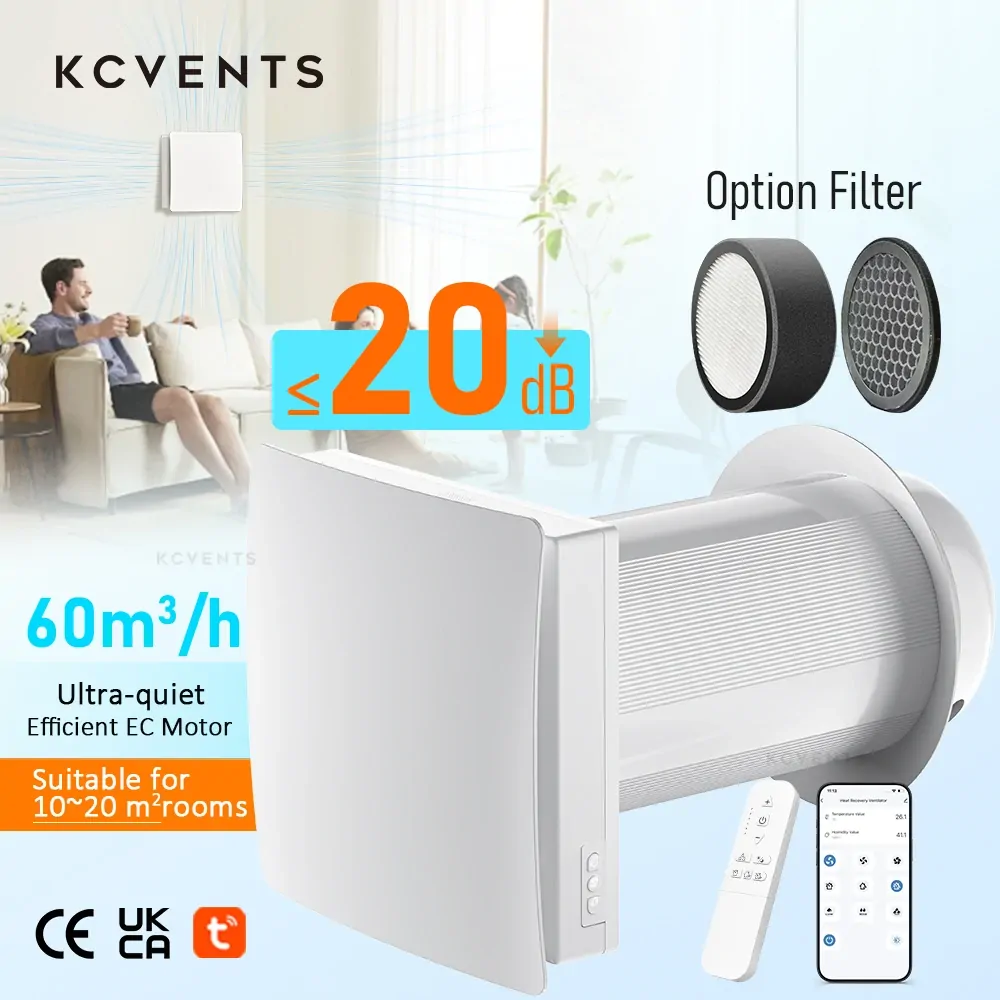
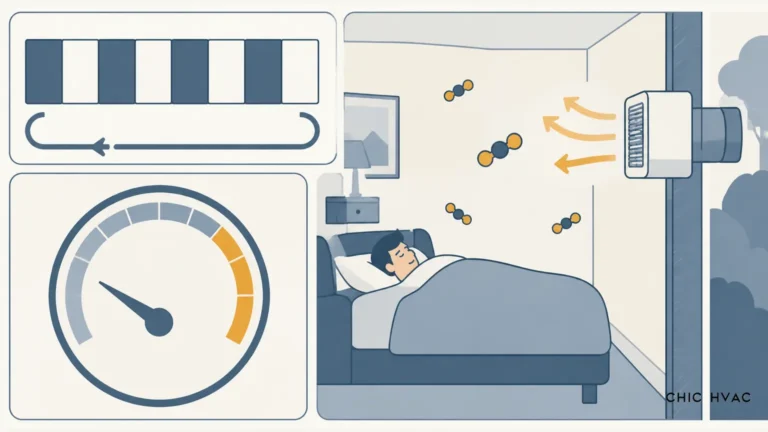
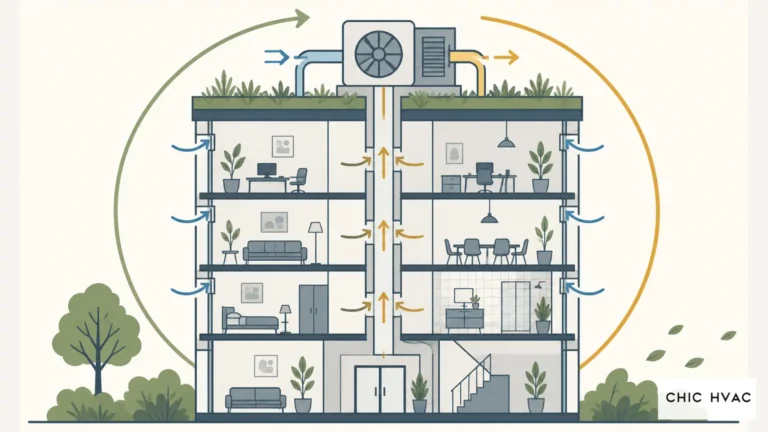
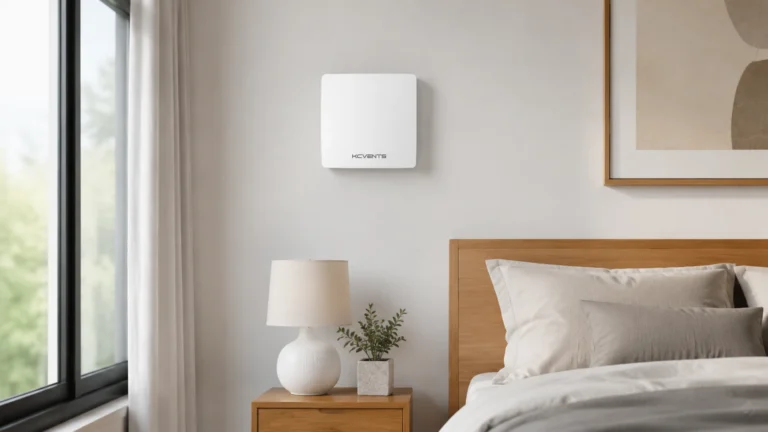
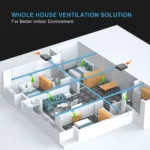
ห้องน้ำ: เปิดพัดลมดูดอากาศระหว่างอาบน้ำและเปิดทิ้งไว้ 15–20 นาทีหลังอาบน้ำเสร็จ พัดลมดูดอากาศแบบตรวจจับความชื้นจะช่วยควบคุมการทำงานนี้แบบอัตโนมัติ.ห้องครัว: ระบายอากาศขณะทำอาหารและต้มน้ำ โดยใช้เครื่องดูดควันหรือพัดลมดูดอากาศ.ห้องซักรีด: ระบายอากาศจากเครื่องอบผ้าออกสู่ภายนอก และระบายอากาศในห้องเมื่อตากผ้าในร่ม.ห้องนอน: ตรวจสอบให้แน่ใจว่ามีการเติมอากาศบริสุทธิ์ในเวลากลางคืน โดย single-room HRV ช่วยนำอากาศบริสุทธิ์เข้ามาโดยไม่สูญเสียความร้อน.ทั้งบ้าน: ระบบระบายอากาศแบบสมดุล หรือ HRV/ERV ช่วยเจือจางความชื้นอย่างต่อเนื่องในบ้านที่มีการปิดทึบสูง.กิจวัตรสำคัญ: ระบายอากาศระหว่างและหลังทำกิจกรรมที่ก่อให้เกิดความชื้น , ไม่ใช่เพียง “บางครั้ง” เชื้อราเป็นปัญหาความชื้นที่ สะสมต่อเนื่อง ยิ่งความชื้นสูงเป็นเวลานานเท่าใด โอกาสที่เชื้อราจะเติบโตก็ยิ่งมากขึ้นเท่านั้น.
สิ่งอื่นที่ช่วยเสริมการทำงานร่วมกับระบบระบายอากาศ
การระบายอากาศเป็นเครื่องมือหลัก แต่จะได้ผลดีที่สุดเมื่อทำร่วมกับ:
การซ่อมแซมจุดรั่วซึม — ระบบระบายอากาศไม่สามารถทำให้ท่อน้ำหรือหลังคาที่รั่วซึมแห้งได้.การควบคุมความชื้นภายในอาคาร — ใช้เครื่องลดความชื้นในห้องใต้ดินที่ชื้นและในสภาพอากาศที่มีความชื้นสูงมาก.การรักษาพื้นผิวให้อุ่นเพียงพอ — การติดตั้งฉนวนกันความร้อนและการลดสะพานความร้อนช่วยป้องกันการเกิดหยดน้ำ.การบำรุงรักษาระบบระบายอากาศ — ทำความสะอาดแผ่นกรองและหน้ากากช่องลม ระบบที่อุดตันจะไม่สามารถระบายความชื้นได้ โปรดดู คู่มือการบำรุงรักษา .การตรวจหาเชื้อราตั้งแต่เนิ่นๆ — จัดการจุดที่พบเชื้อราก่อนที่จะลุกลาม.Frequently Asked Questions
ถาม: การระบายอากาศเพียงอย่างเดียวสามารถป้องกันเชื้อราได้หรือไม่? ตอบ: ในกรณีส่วนใหญ่ สามารถป้องกันได้สำหรับเชื้อราที่เกิดจากความชื้นในการอยู่อาศัยทั่วไป หากระบบระบายอากาศได้รับการคำนวณขนาด เปิดใช้งาน และบำรุงรักษาอย่างถูกต้อง แต่จุดรั่วซึมเชิงโครงสร้างยังคงจำเป็นต้องได้รับการซ่อมแซม.
ถาม: ระดับความชื้นเท่าใดจึงจะป้องกันเชื้อราได้? ตอบ: การรักษาความชื้นสัมพัทธ์ภายในอาคารให้อยู่ต่ำกว่าประมาณ 60% (เหมาะสมที่สุดคือ 30–50%) จะช่วยลดความเสี่ยงในการเกิดเชื้อราได้อย่างมาก เครื่องวัดความชื้นจะช่วยให้คุณติดตามค่านี้ได้.
ถาม: ควรเปิดพัดลมดูดอากาศในห้องน้ำทิ้งไว้หลังอาบน้ำหรือไม่? ตอบ: ควรเปิด — ให้เปิดทำงานต่ออีก 15–20 นาทีหลังอาบน้ำ เพื่อระบายไอน้ำที่ลอยค้างอยู่ในอากาศ.
ถาม: ระบบ HRV สามารถช่วยเรื่องเชื้อราได้หรือไม่? ตอบ: ได้ ระบบ HRV/ERV จะแลกเปลี่ยนอากาศชื้นภายในอาคารกับอากาศบริสุทธิ์ที่แห้งกว่าอย่างต่อเนื่องพร้อมทั้งนำความร้อนกลับคืน คุณจึงสามารถระบายอากาศได้ตลอดทั้งปีโดยไม่สิ้นเปลืองพลังงาน.
ถาม: ควรทำความสะอาดหน้ากากช่องลมและแผ่นกรองอากาศบ่อยแค่ไหน? ตอบ: ควรตรวจสอบทุกเดือนและทำความสะอาดตามความจำเป็น เปลี่ยนแผ่นกรองตามรอบที่ผู้ผลิตกำหนด ดูรายละเอียดได้ใน ventilation maintenance guide .
ถาม: เชื้อราบนผนังเกิดจากการระบายอากาศไม่ดีเสมอไปหรือไม่? ตอบ: ไม่เสมอไป — จุดรั่วซึมและการเกิดหยดน้ำจากพื้นผิวที่เย็นก็เป็นสาเหตุได้เช่นกัน แต่ในบ้านส่วนใหญ่ การระบายอากาศที่ไม่เพียงพอคือสาเหตุหลัก ดูเพิ่มเติมที่ คู่มือการจัดการเชื้อราบนผนัง สำหรับแนวทางจัดการปัญหาเฉพาะของผนัง.
กำลังรับมือกับปัญหาความชื้นและเชื้อราในบ้านหรือโครงการของคุณอยู่หรือไม่? KCvents ผลิตพัดลมดูดอากาศในห้องน้ำ, เครื่อง HRV แบบห้องเดี่ยว และระบบระบายอากาศ HRV/ERV ทั้งบ้าน สำหรับงานขายส่ง, OEM และโครงการ Private Label. Request a quote พร้อมข้อมูลห้องและปัญหาความชื้นของคุณ.