In This Guide
“`html
Temperature and Humidity Management in Controlled Environment Agriculture
การเพิ่มประสิทธิภาพสภาพอากาศสำหรับเกษตรกรรมในสภาพแวดล้อมที่มีการควบคุม: การจัดการอุณหภูมิและความชื้น
เกษตรกรรมในสภาพแวดล้อมที่มีการควบคุม (CEA) ถือเป็นแนวทางการทำฟาร์มในร่มขั้นสูงที่ต้องอาศัยการจัดการพารามิเตอร์ด้านสิ่งแวดล้อมอย่างแม่นยำ ปัจจัยที่สำคัญที่สุดประการหนึ่งต่อความสำเร็จของพืชผลคือการควบคุมอุณหภูมิและความชื้น ซึ่งแตกต่างจากการเกษตรกลางแจ้งแบบดั้งเดิม โรงเรือน CEA ช่วยให้ผู้ปลูกสามารถรักษาเสถียรภาพของสภาวะแวดล้อมได้ตลอดทั้งปี ส่งผลโดยตรงต่อคุณภาพของผลผลิต ประสิทธิภาพการผลิต และความสามารถในการทำกำไร คู่มือฉบับสมบูรณ์นี้จะตรวจสอบช่วงอุณหภูมิและความชื้นที่เหมาะสมที่สุดสำหรับการดำเนินงานด้านพืชสวน พร้อมทั้งให้คำแนะนำตามหลักฐานเชิงประจักษ์สำหรับผู้จัดการโรงเรือนและวิศวกรการเกษตร.
ความสำคัญของการควบคุมสภาพอากาศในการทำฟาร์มในร่ม
การดำเนินงานโรงเรือนสมัยใหม่และโรงเรือน CEA ต้องพึ่งพาการรักษาสภาวะแวดล้อมที่แม่นยำเพื่อเพิ่มผลผลิตพืชให้ได้สูงสุด พารามิเตอร์ด้านสิ่งแวดล้อม โดยเฉพาะอย่างยิ่งอุณหภูมิและความชื้น มีอิทธิพลโดยตรงต่ออัตราการสังเคราะห์ด้วยแสง การดูดซึมสารอาหาร ประสิทธิภาพการคายน้ำ และกระบวนการเผาผลาญของพืช โรงเรือนที่ไม่สามารถรักษาสภาวะที่เหมาะสมได้จะประสบปัญหาผลผลิตลดลง คุณภาพผลผลิตด้อยลง และมีความเสี่ยงต่อแรงกดดันจากศัตรูพืชและเชื้อโรคเพิ่มขึ้น.
ความสัมพันธ์ระหว่างสภาวะแวดล้อมและความสบายของผู้ปฏิบัติงานเป็นเกณฑ์พื้นฐานที่นำไปใช้ได้จริง กล่าวคือ หากสภาวะแวดล้อมทำให้เจ้าหน้าที่ในโรงเรือนรู้สึกไม่สบายตัว ก็มีแนวโน้มว่าจะต้องปรับสภาวะดังกล่าวเพื่อให้เหมาะสมที่สุดสำหรับการผลิตพืชสวน อย่างไรก็ตาม การดำเนินงาน CEA ระดับมืออาชีพต้องก้าวข้ามการจัดการตามความรู้สึก ไปสู่ระเบียบปฏิบัติด้านการควบคุมสภาพอากาศที่ขับเคลื่อนด้วยข้อมูล โดยได้รับการสนับสนุนจากระบบตรวจสอบอัตโนมัติและระบบ HVAC.
หลักการสำคัญ: การควบคุมสภาพอากาศอย่างแม่นยำคือรากฐานของการผลิตที่สม่ำเสมอและมีคุณภาพสูงในเกษตรกรรมแบบสภาพแวดล้อมที่มีการควบคุม แม้แต่ความคลาดเคลื่อนเพียงเล็กน้อยจากพารามิเตอร์ที่เหมาะสมที่สุด ก็อาจส่งผลให้ผลผลิตสูญเสียไปอย่างมากและคุณภาพลดลงได้.
การจัดการอุณหภูมิที่เหมาะสมที่สุดสำหรับการปฏิบัติงาน CEA
ช่วงอุณหภูมิเป้าหมาย
The อุณหภูมิการทำงานที่เหมาะสมที่สุด สำหรับการดำเนินงานด้านพืชสวนเชิงพาณิชย์ส่วนใหญ่อยู่ระหว่าง 68–77°F (20–25°C). ช่วงนี้แสดงถึงความสมดุลระหว่างประสิทธิภาพการเผาผลาญ ความสามารถในการสังเคราะห์ด้วยแสง และความคุ้มทุนในการดำเนินงาน การควบคุมอุณหภูมิให้อยู่ในโซนนี้จะช่วยให้พืชเจริญเติบโตได้อย่างเหมาะสมที่สุด โดยไม่สิ้นเปลืองพลังงานในการจัดการสภาพอากาศมากเกินไป.
| ระยะการเจริญเติบโต |
ช่วงอุณหภูมิ (°F) |
ช่วงอุณหภูมิ (°C) |
ข้อควรพิจารณาสำคัญ |
| ระยะการเจริญเติบโตทางลำต้นและใบ (Vegetative Phase) |
70–85°F |
21–29°C |
สภาพอากาศที่อุ่นกว่าจะส่งเสริมการพัฒนาของใบและการสะสมชีวมวล |
| ระยะออกดอก/ติดผล (Flowering/Fruiting Phase) |
65–80°F |
18–26°C |
สภาพอากาศที่เย็นกว่าเล็กน้อยจะช่วยส่งเสริมการพัฒนาของสี คุณลักษณะด้านคุณภาพ และการผลิตสารประกอบกลิ่นหอม |
| ช่วงที่เหมาะสมที่สุด (โดยรวม) |
68–77°F |
20–25°C |
ความสมดุลระหว่างประสิทธิภาพการเจริญเติบโตและคุณภาพทางสรีรวิทยา |
อุณหภูมิและกิจกรรมการสังเคราะห์ด้วยแสง
การจัดการอุณหภูมิในระหว่าง ช่วงระยะเวลาที่มีแสง (photoperiod) (รอบแสง) มีความสำคัญอย่างยิ่ง เนื่องจากช่วงเวลานี้ส่งผลโดยตรงต่ออัตราการสังเคราะห์ด้วยแสงและศักยภาพในการเจริญเติบโตของพืช ในระหว่างที่มีการรับแสงอย่างต่อเนื่อง ควรควบคุมอุณหภูมิให้คงที่และอยู่ในช่วงที่เหมาะสมที่สุด การเปลี่ยนแปลงของอุณหภูมิที่ผันผวนอย่างมากระหว่างรอบกลางวันและกลางคืนอาจทำให้พืชเกิดความเครียดและลดผลผลิตโดยรวมลง.
เพื่อประสิทธิภาพสูงสุดในการเพาะปลูกพืชสวน ควรควบคุม ความแตกต่างของอุณหภูมิระหว่างกลางวันและกลางคืนไม่ให้เกิน 5–10°F (3–6°C). การเปลี่ยนแปลงที่จำกัดนี้จะช่วยเลียนแบบรูปแบบตามธรรมชาติในรอบวัน พร้อมทั้งป้องกันการหยุดชะงักของระบบเมแทบอลิซึมที่เกิดจากความเครียด.
ผลกระทบของอุณหภูมิที่ไม่เหมาะสม
สภาวะอุณหภูมิต่ำ
เมื่ออุณหภูมิแวดล้อมลดลง ต่ำกว่า 60°F (15°C), กระบวนการเมแทบอลิซึมของพืชจะชะลอตัวลงอย่างมีนัยสำคัญ ส่งผลให้:
- อัตราการเจริญเติบโตลดลงและรอบระยะเวลาการผลิตยาวนานขึ้น
- การเจริญเติบโตเต็มที่ของพืชล่าช้าและต้องเลื่อนระยะเวลาการเก็บเกี่ยวออกไป
- ความไวต่อการเกิดเชื้อโรคจากเชื้อราเพิ่มสูงขึ้น โดยเฉพาะอย่างยิ่ง โบทริทิส และโรคราแป้ง โดยเฉพาะอย่างยิ่งในสภาวะที่มีความชื้นสูง
- ประสิทธิภาพการทำงานของรากและการดูดซึมสารอาหารลดลง
- ความสามารถในการสังเคราะห์ด้วยแสงต่ำแม้จะได้รับแสงอย่างเพียงพอ
อุณหภูมิเยือกแข็ง (ต่ำกว่า 32°F หรือ 0°C) สามารถสร้างความเสียหายต่อเซลล์พืชจนไม่สามารถฟื้นฟูได้และทำให้สูญเสียผลผลิต การทำฟาร์มในร่มมีความได้เปรียบอย่างมากเมื่อเทียบกับการเกษตรกลางแจ้ง เนื่องจากสามารถขจัดความเสี่ยงนี้ได้อย่างสมบูรณ์ผ่านระบบควบคุมสภาพอากาศ.
หมายเหตุการปฏิบัติงาน: พืชที่ปลูกในสภาวะอากาศเย็นที่ไม่เหมาะสมอาจรอดชีวิตได้ แต่จะไม่สามารถเติบโตได้อย่างรวดเร็วหรือให้ผลลัพธ์ด้านคุณภาพเทียบเท่ากับการจัดการอุณหภูมิที่เหมาะสม.
สภาวะอุณหภูมิสูง
ความร้อนที่สูงเกินกว่า 77°F (25°C) จะเร่งการเผาผลาญของพืช ส่งผลให้เกิดความต้องการทรัพยากรเสริมเพิ่มขึ้นเป็นลูกโซ่:
- ความต้องการแสงที่เพิ่มขึ้น: อัตราการเผาผลาญที่สูงขึ้นต้องการปัจจัยในการสังเคราะห์ด้วยแสงมากขึ้น
- ความต้องการน้ำที่เพิ่มขึ้น: อัตราการคายน้ำที่สูงขึ้นทำให้ต้องเพิ่มความถี่ในการให้น้ำและเพิ่มปริมาณการใช้น้ำ
- การเสริม CO₂ ที่มากขึ้น: การเผาผลาญที่เร็วขึ้นต้องการระดับคาร์บอนไดออกไซด์ที่สูงขึ้นเพื่อรักษาการสังเคราะห์ด้วยแสงอย่างต่อเนื่อง
- ความต้องการปุ๋ยที่สูงขึ้น: การดูดซึมสารอาหารที่เร็วขึ้นจำเป็นต้องปรับการจัดการสารละลายธาตุอาหาร
ในช่วง ระยะออกดอกหรือติดผล, อุณหภูมิที่เกินกว่า 80°F (26°C) จะส่งผลเสียอย่างรุนแรงเป็นพิเศษ:
- คุณภาพและศักยภาพผลผลิตของดอก/ผลลดลง
- ความเข้มข้นของสารประกอบอะโรมาติกลดลง (สารเทอร์ปีนที่ระเหยได้จะสลายตัวที่อุณหภูมิสูง)
- การสร้างเม็ดสีและลักษณะคุณภาพทางกายภาพลดลง
- มีความเสี่ยงสูงขึ้นต่อไรแดง โรครากเน่า และความผิดปกติทางโภชนาการ
- การคายน้ำที่เร่งตัวขึ้นส่งผลให้พืชขาดน้ำแม้จะมีการให้น้ำอย่างเพียงพอ
- ภาวะขาดออกซิเจนในบริเวณราก (Root zone hypoxia) เนื่องจากการหายใจของรากเพิ่มขึ้น
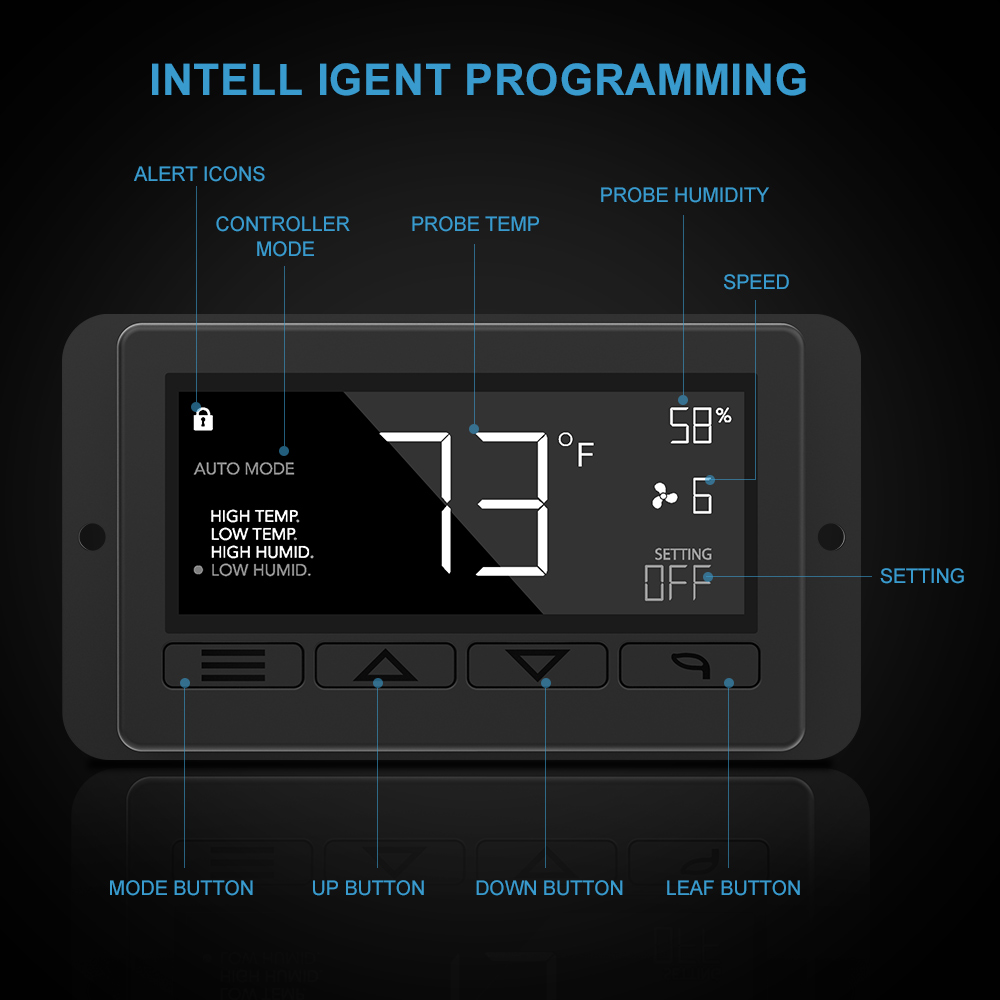
ระบบจัดการอุณหภูมิอัตโนมัติ
การดำเนินงาน CEA ระดับมืออาชีพจำเป็นต้องมี โครงสร้างพื้นฐานระบบควบคุมสภาพอากาศอัตโนมัติ มากกว่าการปรับตั้งค่าด้วยตนเอง ระบบที่แนะนำประกอบด้วย:
- ดิจิทัลเทอร์โมสตัทพร้อมเซนเซอร์ความแม่นยำสูง: ความแม่นยำ ±0.5°F เพื่อการตรวจวัดที่เชื่อถือได้
- ระบบ HVAC แบบบูรณาการ: การทำงานประสานกันของระบบทำความร้อน การทำความเย็น และการระบายอากาศ เพื่อการควบคุมอุณหภูมิที่ราบรื่น
- เครือข่ายเซนเซอร์แบบกระจายตัว: จุดตรวจวัดหลายจุดทั่วทั้งโรงเรือนเพื่อตรวจจับการเปลี่ยนแปลงของระดับอุณหภูมิ
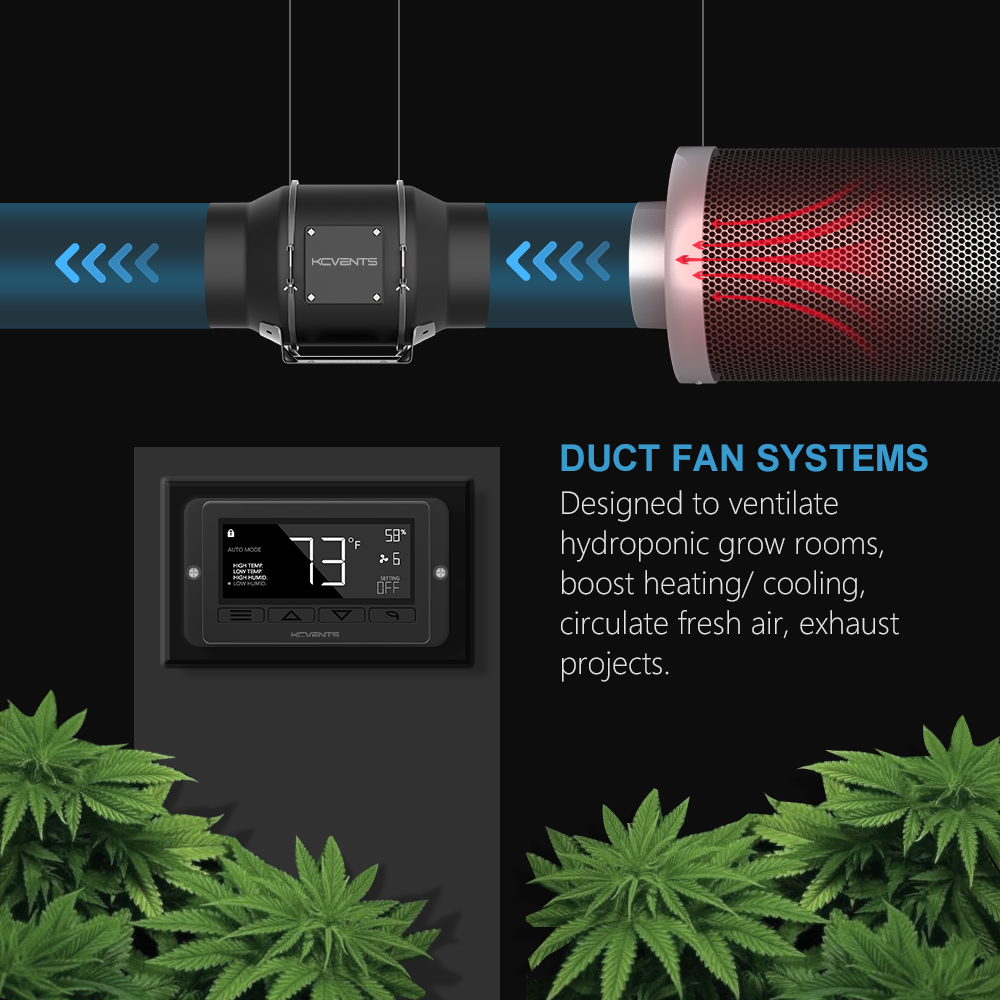
- ระบบควบคุมการระบายอากาศอัตโนมัติ: พัดลมที่ปรับการดูดอากาศเข้าและการระบายอากาศออกตามข้อมูลอุณหภูมิแบบเรียลไทม์
- ระบบทำความร้อน: เครื่องทำความร้อนแบบยูนิต (Unit heaters) หรือระบบแผ่รังสีความร้อนสำหรับการทำงานในฤดูหนาว
- ระบบทำความเย็นแบบระเหย (Evaporative cooling) หรือระบบชิลเลอร์: สำหรับการจัดการอุณหภูมิในฤดูร้อน
ระบบเหล่านี้ให้การควบคุมที่เหนือกว่าเมื่อเทียบกับการจัดการด้วยตนเอง และมอบคุณประโยชน์ในการดำเนินงานอย่างมาก: ผลผลิตที่สม่ำเสมอ ลดการสิ้นเปลืองพลังงาน ปรับปรุงคุณภาพผลผลิต และลดต้นทุนค่าแรง.
มาตรฐานอุตสาหกรรม: ระบบควบคุมสภาพอากาศอัตโนมัติมักช่วยลดต้นทุนพลังงานลง 20–30% พร้อมทั้งเพิ่มความสม่ำเสมอของผลผลิตและคุณภาพของผลิตภัณฑ์.
การจัดการความชื้นในสภาพแวดล้อมที่มีการควบคุม
ช่วงความชื้นที่เหมาะสม
The ความชื้นสัมพัทธ์ (RH) ที่เหมาะสมที่สุดสำหรับการเพาะปลูกพืชสวนส่วนใหญ่อยู่ที่ 40–70%, ขึ้นอยู่กับระยะการเจริญเติบโตและชนิดของพืช การควบคุมให้อยู่ในช่วงนี้จะช่วยป้องกันทั้งความเครียดจากการขาดน้ำและแรงกดดันจากเชื้อราก่อโรค.
| ระดับความชื้น |
ช่วงความชื้นสัมพัทธ์ |
สถานะ |
ข้อควรระวังหลัก |
| ความชื้นต่ำ |
ต่ำกว่า 40% RH |
ต่ำกว่าเกณฑ์เหมาะสม |
การคายน้ำเพิ่มขึ้นอย่างรวดเร็ว, มีความเสี่ยงต่อภาวะขาดน้ำ |
| ช่วงที่เหมาะสมที่สุด |
ความชื้นสัมพัทธ์ 40–70% |
เป้าหมาย |
การคายน้ำสมดุล, แรงกดดันจากเชื้อก่อโรคน้อยที่สุด |
| ความชื้นสูง |
สูงกว่า 70% RH |
สูงเกินไป |
การแพร่กระจายของเชื้อราก่อโรค, การเจริญเติบโตของเชื้อรา |
อุปกรณ์ตรวจสอบและตรวจวัดความชื้น
การวัดความชื้นที่แม่นยำจำเป็นต้องใช้เครื่องมือวัดระดับมืออาชีพ. ไฮโกรมิเตอร์อิเล็กทรอนิกส์ ที่มีระบบบันทึกข้อมูล (Data Logging) ในตัว ช่วยให้การตรวจสอบมีประสิทธิภาพสูงสุดสำหรับการดำเนินงานเชิงพาณิชย์ คุณสมบัติสำคัญประกอบด้วย:
- หน้าจอดิจิทัลแสดงค่าเปอร์เซ็นต์ RH แบบเรียลไทม์
- การบันทึกข้อมูลและการเชื่อมต่อคลาวด์เพื่อการตรวจสอบจากระยะไกล
- การตั้งค่าเกณฑ์เตือนภัยอัตโนมัติเมื่อพารามิเตอร์อยู่นอกช่วงเป้าหมาย
- การผสานการทำงานร่วมกับระบบบริหารจัดการอาคารเพื่อการควบคุมสภาพอากาศอย่างสอดประสานกัน
- การติดตั้งเซนเซอร์หลายจุดทั่วทั้งอาคารเพื่อตรวจจับสภาพภูมิอากาศจุลภาค

สภาวะความชื้นต่ำ (ต่ำกว่า 40% RH)
เมื่อความชื้นในสภาพแวดล้อมลดลงต่ำกว่า ความชื้นสัมพัทธ์ 40%, พืชจะมีอัตราการคายน้ำที่สูงขึ้น โดยส่งผลกระทบดังต่อไปนี้:
- การใช้น้ำและความต้องการในการรดน้ำเพิ่มขึ้น
- ความต้องการส่งจ่ายน้ำมากขึ้นเพื่อป้องกันความเครียดของพืช
- อาจเกิดความไม่สมดุลของธาตุอาหารหากระบบน้ำไม่สามารถรักษาความชื้นให้สม่ำเสมอได้
- ส่งผลกระทบเพียงเล็กน้อยต่อความอยู่รอดของพืชหากยังมีปริมาณน้ำสำรองเพียงพอ
แม้ว่าความชื้นต่ำมักไม่ทำให้ผลผลิตเสียหายในทันที แต่จำเป็นต้องมีการจัดการระบบน้ำที่ตอบสนองอย่างรวดเร็ว และอาจเพิ่มต้นทุนการผลิตเนื่องจากการใช้น้ำที่สูงขึ้น.
สภาวะความชื้นสูง (สูงกว่า 70% RH)
ความชื้นที่สูงเกินไปถือเป็นปัญหาในการดำเนินงานที่ร้ายแรงกว่า เมื่อความชื้นสัมพัทธ์สูงเกินกว่า 70%, โดยเฉพาะอย่างยิ่งในช่วง ระยะออกดอกหรือติดผล, จะทำให้เกิดปัญหาแทรกซ้อนหลายประการตามมา:
- การแพร่กระจายของเชื้อราก่อโรค: โบทริทิส ซิเนอเรีย (ราสีเทา), ราแป้ง และเชื้อราก่อโรคอื่น ๆ จะเจริญเติบโตได้ดีในสภาพแวดล้อมที่มีความชื้นสูง
- การก่อตัวของเชื้อราอย่างรวดเร็ว: มองเห็นการเจริญเติบโตของเชื้อราได้อย่างชัดเจนบนเนื้อเยื่อพืชและพื้นผิวของโรงเรือน
- ความเสี่ยงต่อการสูญเสียผลผลิต: การติดเชื้อราขั้นรุนแรงอาจทำให้ผลผลิตลดลงอย่างมากหรือเกิดความเสียหายต่อพืชผลทั้งหมด
- ระยะเวลาในการฟื้นฟูและแก้ไขที่ยาวนาน: ปัญหาเชื้อราจำเป็นต้องได้รับการแก้ไขในทันทีและต้องมีการตรวจสอบอย่างต่อเนื่อง
การแจ้งเตือนขั้นวิกฤต: ความชื้นสูงประกอบกับการไหลเวียนของอากาศที่ไม่ดีจะสร้างสภาวะที่เอื้อต่อการเกิดโรคเชื้อราที่สร้างความเสียหาย จำเป็นต้องลดความชื้นและปรับระบบระบายอากาศทันทีเพื่อป้องกันการสูญเสียผลผลิต.
การจัดการความชื้นตามระยะการเจริญเติบโต
| ระยะการเจริญเติบโต |
ช่วงความชื้นสัมพัทธ์ (RH) ที่เหมาะสม |
เหตุผลประกอบ |
| ระยะการเจริญเติบโตทางลำต้นและใบ (Vegetative Phase) |
50–70% RH |
ความชื้นที่สูงขึ้นช่วยส่งเสริมการขยายตัวของใบและการพัฒนามวลชีวภาพ อีกทั้งยังลดความเสี่ยงจากแรงกดดันของเชื้อก่อโรคในช่วงการเจริญเติบโตอย่างรวดเร็ว |
| ระยะเปลี่ยนผ่าน |
45–65% RH |
การค่อยๆ ปรับลดระดับความชื้นจะช่วยเตรียมความพร้อมของพืชสำหรับระยะสืบพันธุ์ |
| ระยะออกดอก/ติดผล (Flowering/Fruiting Phase) |
40–60% RH |
ความชื้นที่ต่ำลงช่วยลดความเสี่ยงของโรคเชื้อราพร้อมทั้งช่วยเสริมสร้างคุณภาพผลผลิต ซึ่งสำคัญอย่างยิ่งสำหรับผลผลิตเกรดพรีเมียม |
| ระยะเก็บเกี่ยว/หลังการเก็บเกี่ยว |
50–60% RH |
รักษาคุณภาพของผลผลิตในระหว่างระยะสุกแก่ขั้นสุดท้ายและกระบวนการเก็บเกี่ยว |
ระบบควบคุมสภาพอากาศแบบบูรณาการและโซลูชัน HVAC
ข้อกำหนดของระบบระบายอากาศ
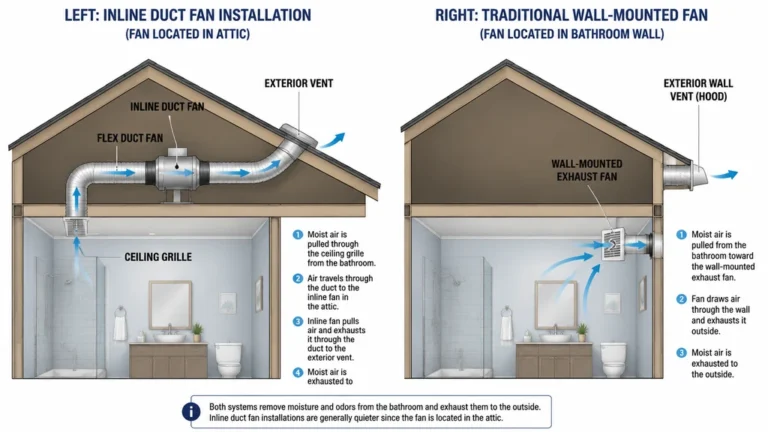
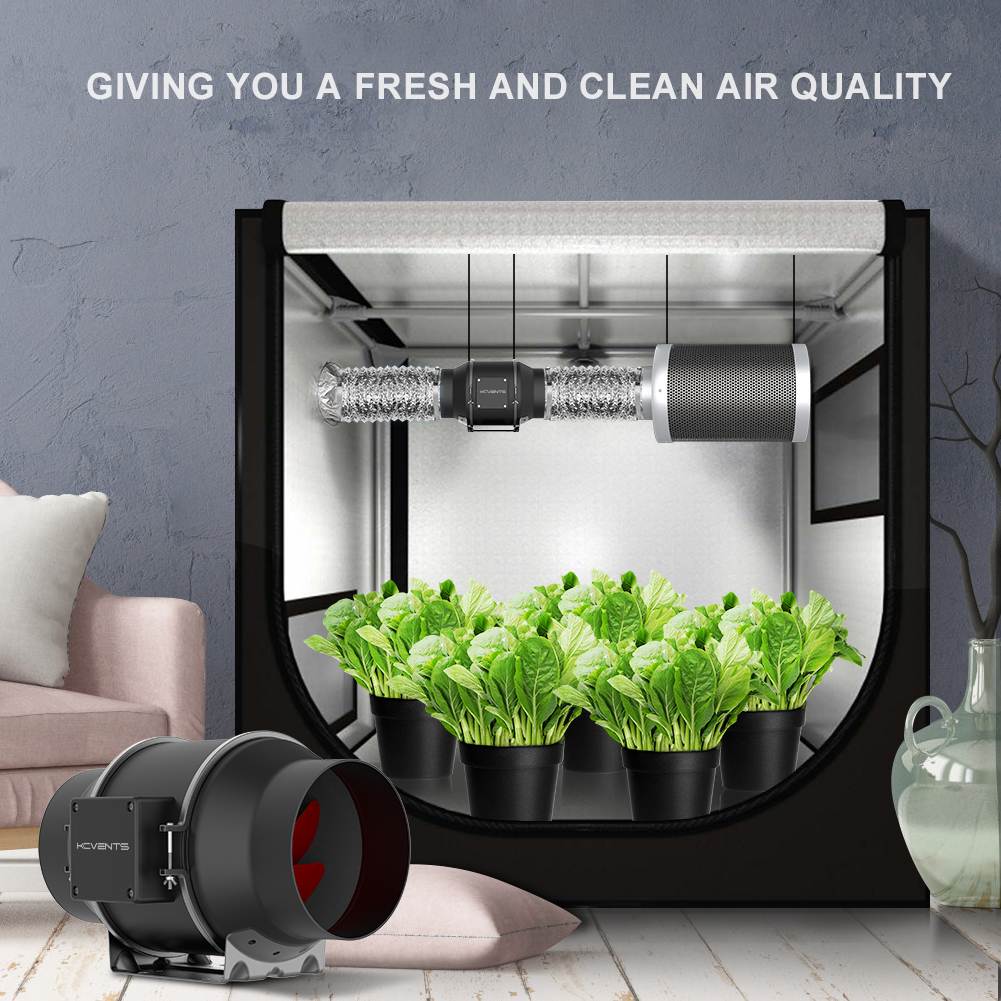
ระดับมืออาชีพ ระบบระบายอากาศ เป็นรากฐานสำคัญของการจัดการความชื้นและอุณหภูมิที่มีประสิทธิภาพ โดยโรงเรือนเพาะปลูกแบบควบคุมสภาพแวดล้อม (CEA) ประสิทธิภาพสูงประกอบด้วย:
- พัดลมระบายอากาศแบบต่อท่อชนิด Mixed-flow: ออกแบบมาสำหรับการทำงานต่อเนื่อง พร้อมระดับเสียงรบกวนต่ำ เหมาะสำหรับอาคารที่มีผู้ปฏิบัติงาน
- ระบบเติมอากาศบริสุทธิ์: จ่ายอากาศภายนอกที่มี CO₂ สูง พร้อมทั้งรักษาเป้าหมายอุณหภูมิและความชื้น
- ระบบระบายอากาศ: กำจัดความชื้นส่วนเกิน ความร้อน และอากาศเสีย เพื่อรักษาสภาพแวดล้อมภายในโรงเรือนให้อยู่ในระดับที่เหมาะสมที่สุด
- การเสริมก๊าซคาร์บอนไดออกไซด์: ป้องกันภาวะขาดแคลน CO₂ ในขณะที่ยังคงรักษาระดับการแลกเปลี่ยนอากาศบริสุทธิ์อย่างเพียงพอ
- การจัดการแรงดันสถิต: ท่อลมและพัดลมที่มีขนาดเหมาะสมช่วยรักษาการไหลเวียนของอากาศที่มีประสิทธิภาพได้ แม้ในสภาวะที่มีแรงต้านสูง
ระบบระบายอากาศควรสามารถรักษาสภาวะแวดล้อมให้คงที่ได้ท่ามกลางสภาพแวดล้อมภายนอกที่เปลี่ยนแปลง ควบคู่ไปกับการรักษาพารามิเตอร์ภายในให้สม่ำเสมอ.

เทคโนโลยีการลดความชื้น
เมื่อการระบายอากาศตามธรรมชาติไม่เพียงพอต่อการควบคุมความชื้น การลดความชื้นด้วยระบบกลไกจึงเป็นสิ่งจำเป็น:
- เครื่องลดความชื้นระบบสารทำความเย็น: คุ้มค่าสำหรับการลดความชื้นในระดับปานกลาง เหมาะสำหรับการใช้งานในโรงเรือน CEA ส่วนใหญ่
- เครื่องลดความชื้นแบบสารดูดความชื้น: มีประสิทธิภาพที่อุณหภูมิต่ำ ให้การควบคุมความชื้นที่เหนือกว่าในสภาพแวดล้อมที่เย็น
- ระบบไฮบริด: ผสานเทคโนโลยีสารทำความเย็นและสารดูดความชื้นเพื่อประสิทธิภาพที่เหนือกว่าในสภาวะที่หลากหลาย
- โซลูชันระบบ HVAC แบบครบวงจร: การลดความชื้นที่ทำงานประสานกับระบบทำความร้อนและทำความเย็นเพื่อประสิทธิภาพสูงสุด
การผสานระบบทำความร้อนและทำความเย็น
การจัดการอุณหภูมิที่มีประสิทธิภาพต้องอาศัยขีดความสามารถในการทำความร้อนและทำความเย็นที่ทำงานสอดประสานกัน:
- ระบบทำความร้อน: เครื่องทำความร้อนแบบยูนิต, แผงแผ่รังสีความร้อน หรือวงจรน้ำร้อน สำหรับการรักษาอุณหภูมิในช่วงฤดูหนาว
- ระบบทำความเย็น: เครื่องทำความเย็นแบบระเหย, ชิลเลอร์ หรือระบบแผงรังผึ้งและพัดลม (Pad-and-fan) สำหรับการระบายความร้อนในฤดูร้อน
- การควบคุมค่าเซ็ตพอยต์: ตัวควบคุมแบบสัดส่วนที่ปรับกำลังการทำความร้อน/ทำความเย็นโดยอัตโนมัติตามอุณหภูมิภายในโรงเรือน
- ฟังก์ชัน Night Setback: การทำงานแบบประหยัดพลังงานที่รักษาอุณหภูมิช่วงเวลากลางคืนอย่างเหมาะสม พร้อมทั้งลดความต้องการในการทำความร้อน
พารามิเตอร์ด้านสิ่งแวดล้อมและสรีรวิทยาของพืช
ความผันผวนของอุณหภูมิและการตอบสนองต่อความเครียดของพืช
ความผันผวนของอุณหภูมิที่ต่างกันมากระหว่างกลางวันและกลางคืน (ผลต่างมากกว่า 10°F หรือ 6°C) จะกระตุ้นการตอบสนองต่อความเครียดของพืช ซึ่งส่งผลกระทบต่อผลผลิต:
- การเจริญเติบโตทางลำต้นและใบมากเกินไปจนทำให้ใบมีขนาดใหญ่เกินไป ซึ่งลดประสิทธิภาพการสังเคราะห์ด้วยแสง
- ความสมบูรณ์ของโครงสร้างต้นลดลงและมีความเสี่ยงต่อการหักล้ม
- ความต้องการการคายน้ำเพิ่มสูงขึ้นและเกิดภาวะเครียดจากการขาดน้ำ แม้ว่าจะมีการให้น้ำอย่างเพียงพอก็ตาม
- ผลผลิตในระยะสืบพันธุ์ลดลงในช่วงระยะการออกดอก
การรักษาอุณหภูมิให้คงที่ในช่วงแคบ (ความแปรปรวน ±3–5°F) ช่วยป้องกันการตอบสนองต่อความเครียดเหล่านี้ และเพิ่มประสิทธิภาพการทำงานทางสรีรวิทยาของพืชให้สูงสุด.
ข้อพิจารณาเกี่ยวกับความต่างของความดันไอ (VPD)
ผู้ควบคุมระบบ CEA ขั้นสูงจะทำการตรวจสอบ ค่าผลต่างความดันไอ (Vapor Pressure Deficit: VPD)— ซึ่งคือผลต่างระหว่างความดันไอจริงและความดันไออิ่มตัวในอากาศ โดย VPD มีผลต่ออัตราการคายน้ำและการลำเลียงธาตุอาหาร:
- ค่า VPD ต่ำ (ความชื้นสูง): การคายน้ำลดลง มีโอกาสเกิดแรงกดดันจากเชื้อโรค และการลำเลียงธาตุอาหารไปยังใบลดลง
- ค่า VPD ที่เหมาะสม: การคายน้ำมีความสมดุล การส่งผ่านธาตุอาหารมีประสิทธิภาพ และลดความเสี่ยงต่อการเกิดโรค
- ค่า VPD สูง (ความชื้นต่ำ): การคายน้ำมากเกินไป มีโอกาสเกิดภาวะเครียดจากการขาดน้ำ และอาจเกิดความไม่สมดุลของธาตุอาหาร
ช่วงค่า VPD เป้าหมายโดยทั่วไปจะอยู่ระหว่าง 0.45–0.85 kPa ขึ้นอยู่กับระยะการเจริญเติบโตและชนิดของพืช ระบบการจัดการโรงเรือนสมัยใหม่สามารถคำนวณและแสดงค่า VPD แบบเรียลไทม์ ช่วยให้สามารถปรับสภาพอากาศได้อย่างแม่นยำตามข้อมูล.

ประสิทธิภาพการใช้พลังงานและการจัดการต้นทุนการดำเนินงาน
การเพิ่มประสิทธิภาพการควบคุมสภาพอากาศ
การดำเนินงาน CEA ระดับมืออาชีพต้องสร้างความสมดุลระหว่างความแม่นยำของสภาพอากาศกับต้นทุนพลังงาน กลยุทธ์ด้านประสิทธิภาพประกอบด้วย:
- การใช้ประโยชน์จากมวลสารกักเก็บความร้อน: ระบบกักเก็บน้ำหรือความร้อนที่ช่วยลดความผันผวนของอุณหภูมิ และลดความถี่ในการตัด-ต่อการทำงานของระบบ HVAC
- การเพิ่มประสิทธิภาพการระบายความร้อนในเวลากลางคืน: การนำอากาศภายนอกที่เย็นกว่าในเวลากลางคืนมาใช้ประโยชน์เมื่อทำได้ เพื่อลดภาระการทำความเย็นเชิงรุก
- การปรับตั้งค่าควบคุม (Setpoint) ให้เหมาะสมที่สุด: การเดินระบบที่ช่วงอุณหภูมิ/ความชื้นต่ำสุดที่ยอมรับได้ แทนที่จะตั้งค่าเผื่อไว้มากเกินไป
- การสอบเทียบเซนเซอร์: การตรวจสอบความถูกต้องอย่างสม่ำเสมอช่วยให้มั่นใจได้ถึงค่าที่อ่านได้ที่แม่นยำ และป้องกันไม่ให้อุปกรณ์ทำงานตัด-ต่อโดยไม่จำเป็น
- การบำรุงรักษาเชิงป้องกัน: แผ่นกรองที่สะอาด ระบบที่ได้รับการปรับจูนอย่างถูกต้อง และอุปกรณ์ที่ได้รับการบำรุงรักษาเป็นอย่างดีจะทำงานได้อย่างมีประสิทธิภาพสูงสุด
เป้าหมายด้านประสิทธิภาพ: ระบบควบคุมสภาพอากาศที่ได้รับการปรับให้เหมาะสมควรบรรลุเป้าหมายการผลิต ควบคู่ไปกับการรักษาการใช้พลังงานให้อยู่ในเกณฑ์มาตรฐานอุตสาหกรรม (โดยทั่วไปอยู่ที่ 8–12 kWh ต่อตารางเมตรต่อปี สำหรับการทำฟาร์มแนวตั้ง).
การแก้ไขปัญหาทั่วไปเกี่ยวกับสภาพอากาศ
ปัญหา: การเกิดหยดน้ำและความชื้นสูง
อาการ: มองเห็นความชื้นบนใบพืชและพื้นผิวของโรงเรือน; ค่าความชื้นที่อ่านได้สูงเกิน 70% RH.
แนวทางแก้ไข:
- เพิ่มความเร็วพัดลมระบายอากาศเพื่อเสริมการหมุนเวียนอากาศและกำจัดความชื้นส่วนเกิน
- เปิดใช้งานระบบลดความชื้นหากมีอุปกรณ์เชิงกลติดตั้งอยู่
- ลดค่าอุณหภูมิที่ตั้งไว้ (Setpoint) ในเวลากลางคืนเพื่อลดความดันไออิ่มตัว
- ปรับปรุงการหมุนเวียนอากาศด้วยพัดลมเสริมเพื่อป้องกันจุดอับลม
- เฝ้าระวังการเกิดเชื้อราก่อโรคและใช้มาตรการป้องกัน
ปัญหา: สภาพอากาศแห้งเกินไป
อาการ: ความชื้นต่ำกว่า 40% RH อย่างต่อเนื่อง; ใบพืชเหี่ยวเฉาอย่างเห็นได้ชัดแม้จะมีการให้น้ำอย่างเพียงพอ; ขอบใบเปลี่ยนเป็นสีน้ำตาล.
แนวทางแก้ไข:
- ลดความเร็วพัดลมระบายอากาศเพื่อรักษาความชื้นไว้ภายในโรงเรือน
- เพิ่มความถี่ในการให้น้ำเพื่อให้สอดคล้องกับความต้องการการคายน้ำที่สูงขึ้น
- ติดตั้งอุปกรณ์เพิ่มความชื้น (ระบบพ่นหมอก, เครื่องทำความชื้นแบบอัลตราโซนิก) หากมี
- ตรวจสอบว่าแดมเปอร์ดูดอากาศภายนอกไม่ได้ดึงอากาศแห้งจากภายนอกเข้ามามากเกินไป
- ตรวจสอบระบบให้น้ำว่ามีการจ่ายน้ำอย่างเพียงพอ
ปัญหา: ความไม่เสถียรของอุณหภูมิ
อาการ: อุณหภูมิผันผวนมากกว่า ±5°F ความผันผวนระหว่างกลางวันและกลางคืนเกิน 10°F การกระจายอุณหภูมิไม่สม่ำเสมอทั่วทุกโซนในพื้นที่.
แนวทางแก้ไข:
- ตรวจสอบการปรับเทียบเทอร์โมสตัทและตำแหน่งติดตั้งเซนเซอร์ให้อยู่ห่างจากลมโกรกหรือแหล่งกำเนิดความร้อน
- ปรับค่าพารามิเตอร์ของตัวควบคุมแบบสัดส่วน (Proportional Controller) ในระบบ HVAC เพื่อลดการโอเวอร์ชูต (Overshoot) และการแกว่งไปมาของระบบ (System Hunting)
- ดูแลให้มีการไหลเวียนอากาศอย่างเพียงพอเพื่อป้องกันจุดอับอากาศ (Dead Zones) หรือการแบ่งชั้นของอุณหภูมิ (Stratification)
- Inspect insulation integrity; address air leaks or thermal bridges
- Consider thermal mass additions to buffer temperature fluctuations
แนวทางปฏิบัติที่ดีที่สุดสำหรับการจัดการสภาพอากาศในระบบ CEA
- Implement automated monitoring: Deploy sensor networks with real-time data logging and alert capabilities
- Establish setpoint protocols: Document target parameters for each growth stage; train staff on standard operating procedures
- Perform regular calibration: Quarterly verification of all monitoring equipment against certified standards
- Maintain maintenance schedules: Preventive HVAC service intervals to ensure reliable operation
- Review data trends: Monthly analysis of climate data to identify patterns and optimization opportunities
- Plan for redundancy: Backup systems for critical climate control functions to prevent crop loss from equipment failure
- Invest in professional staff training: Operators with certified expertise in CEA climate systems
- Conduct regular system audits: Annual energy audits and performance evaluations by qualified professionals
Foundation Principle: Precision climate control is not a cost center—it is the core infrastructure investment that enables consistent, profitable horticultural production in controlled environments.
สรุป
Temperature and humidity management represent the critical foundation of successful controlled environment agriculture operations. Maintaining optimal parameters—68–77°F (20–25°C) for temperature and 40–70% relative humidity—requires professional-grade monitoring systems, automated HVAC infrastructure, and skilled operational oversight.
Facilities that invest in integrated climate control systems achieve measurable benefits: consistent crop yields, superior produce quality, reduced pest and pathogenic pressure, and improved energy efficiency. Modern CEA operations compete successfully against traditional field agriculture through precise environmental control that maximizes productivity while minimizing resource waste.
Success demands commitment to data-driven management, equipment maintenance discipline, and continuous optimization of climate parameters throughout the growing cycle. Facility managers and engineers who prioritize climate system excellence establish the operational foundation for sustainable, profitable indoor farming enterprises.

“`