In This Guide
“`html
Temperature and Humidity Management in Controlled Environment Agriculture
Kontrollü Çevre Tarımı için İklim Optimizasyonu: Sıcaklık ve Nem Yönetimi
Kontrollü çevre tarımı (CEA), çevresel parametrelerin hassas bir şekilde yönetilmesini gerektiren gelişmiş bir kapalı alan tarımı yaklaşımını temsil eder. Mahsul başarısı için en kritik faktörler arasında sıcaklık ve nem kontrolü yer alır. Geleneksel açık alan tarımının aksine CEA tesisleri, yetiştiricilere yıl boyunca tutarlı koşulları sürdürme olanağı sağlayarak verim kalitesini, üretim verimliliğini ve karlılığı doğrudan etkiler. Bu kapsamlı kılavuz, bahçecilik operasyonları için optimum sıcaklık ve nem aralıklarını incelerken, tesis yöneticileri ve ziraat mühendisleri için kanıta dayalı öneriler sunmaktadır.
Kapalı Alan Tarımında İklimlendirmenin Önemi
Modern sera işletmeleri ve CEA tesisleri, mahsul verimliliğini en üst düzeye çıkarmak için hassas çevresel koşulların korunmasına bağımlıdır. Çevresel parametreler (özellikle sıcaklık ve nem); fotosentez hızını, besin alımını, transpirasyon verimliliğini ve bitki metabolizmasını doğrudan etkiler. Optimum koşulları sağlayamayan tesislerde verim düşüşü, ürün kalitesinde bozulma ve zararlılar ile patojen baskısına karşı duyarlılıkta artış görülür.
Çevresel koşullar ile operatör konforu arasındaki korelasyon pratik bir temel sağlar: Çevresel koşullar tesis personeli için rahatsız ediciyse, optimum bahçecilik üretimi için muhtemelen ayarlanması gerekir. Bununla birlikte, profesyonel CEA operasyonları sezgisel yönetimin ötesine geçmeli; otomatik izleme ve HVAC sistemleriyle desteklenen veriye dayalı iklim kontrol protokollerine yönelmelidir.
Temel İlke: Hassas iklim kontrolü, kontrollü çevre tarımında tutarlı ve yüksek kaliteli üretimin temelidir. Optimum parametrelerden kaynaklanan küçük sapmalar dahi önemli verim kayıplarına ve kalite düşüşüne yol açabilir.
CEA Operasyonları için Optimum Sıcaklık Yönetimi
Hedef Sıcaklık Aralıkları
Genel olarak, ideal çalışma sıcaklığı çoğu ticari bahçecilik operasyonu için şu aralıktadır: 68–77°F (20–25°C). Bu aralık; metabolik verimlilik, fotosentetik kapasite ve işletme maliyeti etkinliği arasında bir dengeyi temsil eder. Bu bölgedeki sıcaklık kontrolü, iklim yönetimi için aşırı enerji sarfiyatı olmaksızın optimum bitki gelişimini güvence altına alır.
| Growth Stage |
Sıcaklık Aralığı (°F) |
Sıcaklık Aralığı (°C) |
Önemli Hususlar |
| Vejetatif Dönem |
70–85°F |
21–29°C |
Daha sıcak koşullar yaprak gelişimini ve biyokütle birikimini destekler |
| Çiçeklenme/Meyvelenme Dönemi |
65–80°F |
18–26°C |
Biraz daha serin koşullar renk gelişimini, kalite özelliklerini ve aromatik bileşik üretimini artırır |
| Optimum Aralık (Genel) |
68–77°F |
20–25°C |
Büyüme verimliliği ile fizyolojik kalite arasındaki denge |
Sıcaklık ve Fotosentetik Aktivite
Sıcaklık yönetimi özellikle fotoperiyot (ışık döngüsü) sırasında son derece kritiktir; çünkü bu dönem fotosentez hızlarını ve bitki büyüme potansiyelini doğrudan etkiler. Aktif ışık maruziyeti sırasında sıcaklıklar sabit ve optimum aralıkta kalmalıdır. Gündüz ve gece döngüleri arasındaki belirgin sıcaklık dalgalanmaları bitkileri strese sokabilir ve genel verimliliği düşürebilir.
Maksimum yetiştirme performansı için en fazla 5–10°F (3–6°C) gündüz-gece sıcaklık farkı. koruyun. Bu makul değişim, strese bağlı metabolik bozulmaları önlerken doğal günlük döngüleri taklit eder.
Effects of Suboptimal Temperatures
Düşük Sıcaklık Koşulları
Ortam sıcaklıkları 60°F (15°C) altına, düştüğünde, bitki metabolizması belirgin şekilde yavaşlar ve şunlara yol açar:
- Azalan büyüme hızları ve uzayan üretim döngüleri
- Geciken ürün olgunlaşması ve hasadın ertelenmesi
- Fungal patojenlere karşı artan hassasiyet, özellikle Botrytis ve özellikle yüksek nem koşullarında külleme
- Bozulmuş kök fonksiyonu ve besin alım verimliliği
- Yeterli ışık bulunmasına rağmen zayıf fotosentetik kapasite
Donma sıcaklıkları (32°F veya 0°C'nin altı) geri dönüşü olmayan hücresel hasara ve ürün kaybına neden olabilir. Kapalı alan tarım işletmeleri, kontrollü iklimlendirme sistemleri sayesinde bu riski tamamen ortadan kaldırarak açık alan tarımına kıyasla önemli bir avantaj sağlar.
Operational Note: Optimum altı soğuk koşullarda yetiştirilen ürünler hayatta kalabilir ancak optimum sıcaklık yönetimi altında mümkün olan büyüme hızına veya kalite sonuçlarına asla ulaşamaz.
Yüksek Sıcaklık Koşulları
Üzerindeki aşırı sıcaklık: 77°F (25°C) bitki metabolizmasını hızlandırarak ek kaynaklar için zincirleme talepler yaratır:
- Artan ışık gereksinimleri: Daha yüksek metabolizma hızları daha fazla fotosentetik girdi gerektirir
- Artan su talepleri: Yüksek terleme oranları, sulama sıklığını ve su tüketimini artırır
- Daha fazla CO₂ takviyesi: Hızlanan metabolizma, sürekli fotosentez için daha yüksek karbondioksit seviyeleri gerektirir
- Artan gübre ihtiyaçları: Daha hızlı besin alımı, ayarlanmış besin solüsyonu yönetimi gerektirir
Sırasında çiçeklenme veya meyve verme evresi, üzerindeki sıcaklıklar 80°F (26°C) özellikle zararlı etkiler yaratır:
- Düşen meyve/çiçek kalitesi ve verim potansiyeli
- Azalan aromatik bileşik konsantrasyonu (uçucu terpenler yüksek sıcaklıklarda bozulur)
- Azalan pigmentasyon ve görsel kalite özellikleri
- Kırmızı örümceklere, kök çürüklüğüne ve beslenme bozukluklarına karşı artan duyarlılık
- Yeterli sulamaya rağmen su stresine yol açan hızlanmış terleme
- Artan solunum nedeniyle kök bölgesi hipoksisi (oksijen tükenmesi)
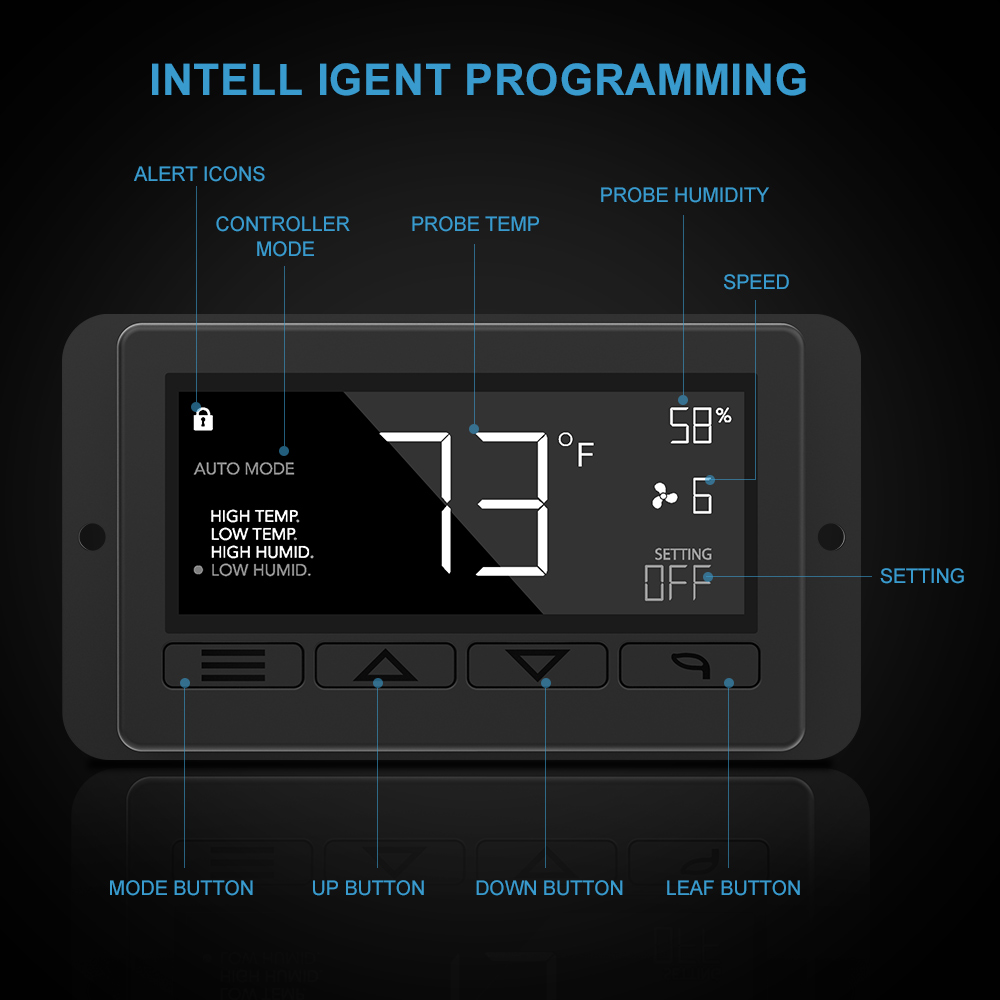
Otomatik Sıcaklık Yönetim Sistemleri
Profesyonel CEA işletmeleri gerektirir: otomatik iklim kontrol altyapısı manuel müdahale yerine. Önerilen sistemler şunları içerir:
- Hassas sensörlü dijital termostatlar: Güvenilir izleme için ±0,5°F doğruluk
- Entegre HVAC sistemleri: Kesintisiz sıcaklık regülasyonu için koordineli ısıtma, soğutma ve havalandırma
- Dağıtık sensör ağları: Sıcaklık gradyanlarını tespit etmek için tesis genelinde birden fazla izleme noktası
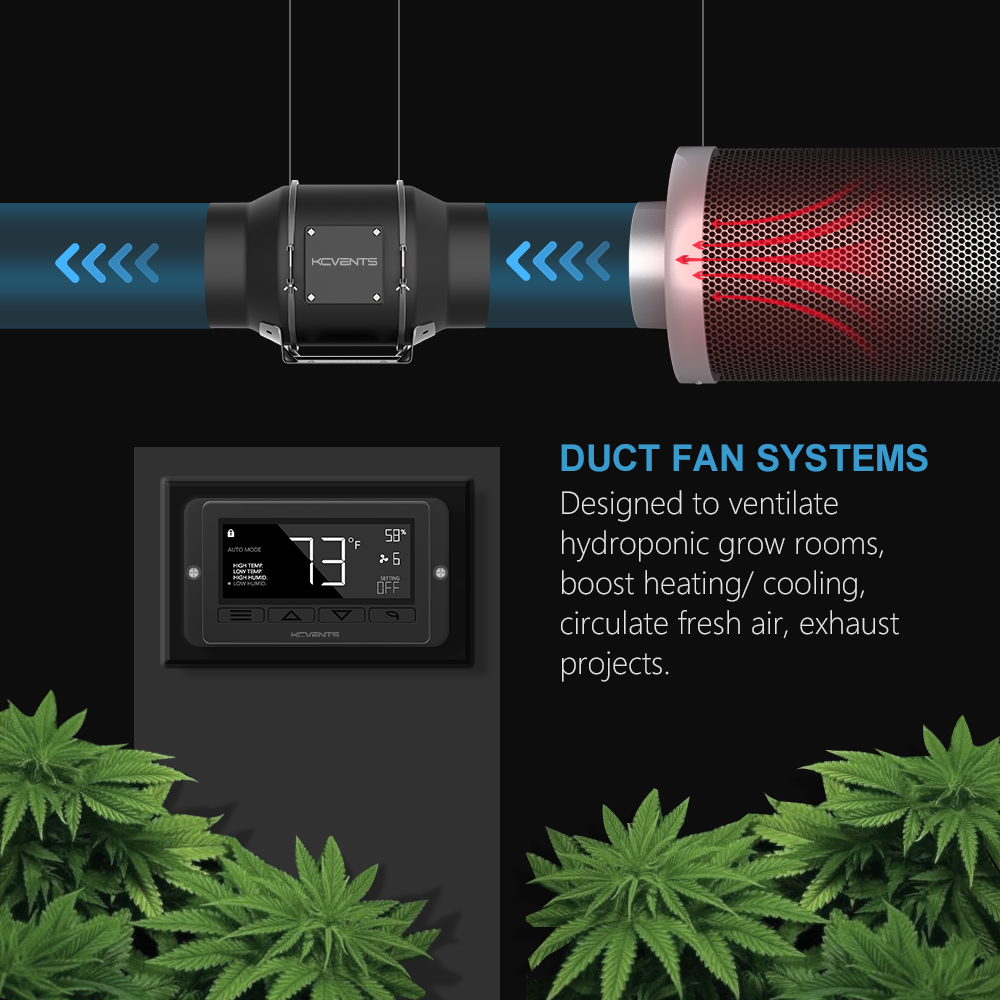
- Otomatik havalandırma kontrolleri: Gerçek zamanlı sıcaklık verilerine göre taze hava girişini ve egzozu ayarlayan fanlar
- Isıtma sistemleri: Soğuk mevsim işletimi için aparey ısıtıcılar veya radyant sistemler
- Evaporatif soğutma veya chiller sistemleri: Sıcak mevsim sıcaklık yönetimi için
Bu sistemler, manuel yönetime kıyasla üstün kontrol sağlar ve önemli operasyonel avantajlar sunar: tutarlı verim, azalan enerji israfı, artan ürün kalitesi ve daha düşük iş gücü maliyetleri.
Endüstri Standardı: Otomatik iklim kontrol sistemleri genellikle enerji maliyetlerini 20–30% oranında azaltırken verim tutarlılığını ve ürün kalitesini artırır.
Kontrollü Ortamlarda Nem Yönetimi
Optimal Humidity Ranges
Genel olarak, çoğu bahçecilik işletmesi için ideal bağıl nem (RH) 40–70% aralığındadır, büyüme aşamasına ve ürün türüne bağlı olarak değişir. Bu aralığın korunması hem kuruma stresini hem de fungal patojen baskısını önler.
| Nem Seviyesi |
Bağıl Nem Aralığı |
Durum |
Başlıca Riskler |
| Düşük Nem |
40% RH Altı |
Optimum Altı |
Hızlanan transpirasyon; potansiyel su stresi |
| Optimum Aralık |
–70 Bağıl Nem |
Hedef |
Dengeli transpirasyon; minimum patojen baskısı |
| Yüksek Nem |
70% RH Üzeri |
Aşırı |
Fungal patojen çoğalması; küf gelişimi |
Nem İzleme Ekipmanları
Hassas nem ölçümü, profesyonel kalitede enstrümantasyon gerektirir. Elektronik higrometreler entegre veri kaydı (data logging) özellikleriyle ticari operasyonlar için optimum izleme sağlar. Temel özellikler şunlardır:
- Gerçek zamanlı RH yüzdesi göstergeli dijital ekran
- Uzaktan izleme için veri kaydı ve bulut bağlantısı
- Parametreler hedef aralıkların dışına çıktığında otomatik bildirim sağlayan alarm eşikleri
- Koordineli iklimlendirme kontrolü için bina yönetim sistemleriyle entegrasyon
- Mikroklimaları tespit etmek amacıyla tesis genelinde çoklu sensör yerleşimi

Düşük Nem Koşulları (40% RH Altı)
Ortam nemi şu değerin altına düştüğünde: 40% bağıl nem, bitkilerde terleme oranı hızlanır. Bunun sonuçları şunlardır:
- Artan su tüketimi ve sulama ihtiyacı
- Bitki stresini önlemek için daha yüksek su temini gereksinimleri
- Sulama sistemlerinin tutarlı nem seviyelerini koruyamaması durumunda olası besin dengesizlikleri
- Yeterli su rezervi mevcut kaldığı sürece ürün verimliliği üzerinde sınırlı etki
Düşük nem genellikle ani mahsul kaybına yol açmasa da, hızlı yanıt veren bir sulama yönetimi gerektirir ve artan su tüketimi nedeniyle üretim maliyetlerini artırabilir.
Yüksek Nem Koşulları (70% RH Üzeri)
Aşırı nem, daha ciddi bir operasyonel risk teşkil eder. Bağıl nem sürekli olarak aşıldığında 70%, özellikle şu dönemde çiçeklenme veya meyve verme evresi, birçok komplikasyon ortaya çıkar:
- Fungal patojen çoğalması: Botrytis cinerea (kurşuni küf), külleme ve diğer fungal patojenler yüksek nemli ortamlarda hızla gelişir
- Hızlı küf gelişimi: Bitki dokularında ve tesis yüzeylerinde gözle görülür küf oluşumu
- Ürün kaybı riski: Şiddetli fungal enfeksiyonlar ciddi verim kayıplarına veya mahsulün tamamen kaybına yol açabilir
- Uzayan iyileştirme süresi: Fungal sorunlar anında müdahale ve sürekli izleme gerektirir
Kritik Uyarı: Zayıf hava sirkülasyonu ile birleşen yüksek nem, yıkıcı fungal hastalıklar için ideal koşullar yaratır. Ürün kaybını önlemek için derhal nem alma ve havalandırma ayarlamaları yapılmalıdır.
Büyüme Aşamasına Göre Nem Yönetimi
| Growth Stage |
Optimum RH Aralığı |
Rationale |
| Vejetatif Dönem |
50–70% RH |
Daha yüksek nem, yaprak genişlemesini ve biyokütle gelişimini destekler; hızlı büyüme sırasında patojenik baskı riski daha düşüktür |
| Geçiş Evresi |
45–65% RH |
Kademeli nem azaltımı, bitkileri üreme evresine hazırlar |
| Çiçeklenme/Meyvelenme Dönemi |
40–60% RH |
Düşük nem, kalite niteliklerini artırırken mantar hastalığı riskini azaltır; birinci sınıf ürünler için kritiktir |
| Hasat / Hasat Sonrası |
50–60% RH |
Son olgunlaşma ve hasat işlemleri sırasında ürün kalitesini korur |
Entegre İklimlendirme Sistemleri ve HVAC Çözümleri
Havalandırma Sistemi Gereksinimleri
Profesyonel havalandırma sistemleri etkili nem ve sıcaklık yönetiminin temelini oluşturur. Yüksek performanslı CEA tesisleri şunları içerir:
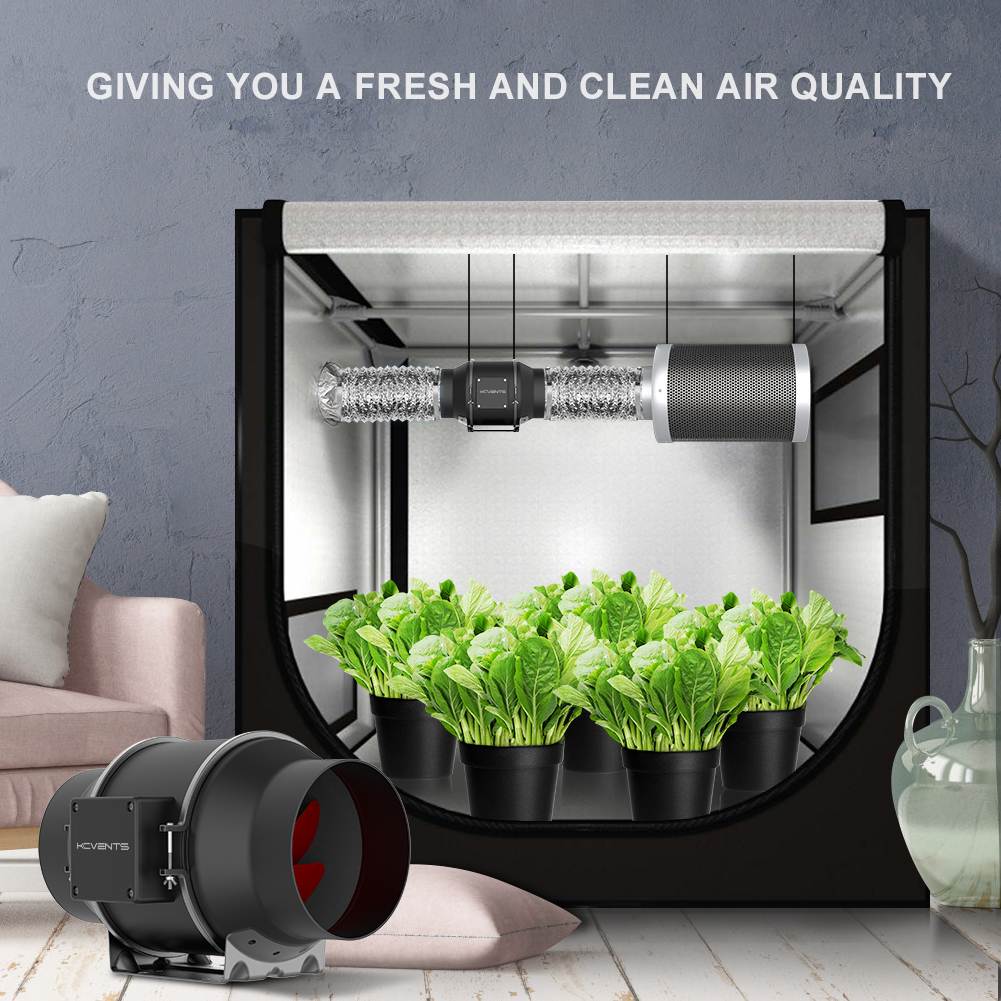
- Kanal tipi karma akışlı havalandırma fanları: Kullanılan tesisler için uygun, düşük gürültü profiline sahip ve sürekli çalışma için tasarlanmıştır
- Taze hava giriş sistemleri: Sıcaklık ve nem hedeflerini korurken harici CO₂ açısından zengin hava sağlar
- Egzoz sistemleri: Optimum tesis koşullarını sürdürmek için fazla nemi, ısıyı ve bayat havayı tahliye eder
- Karbondioksit takviyesi: Yeterli taze hava değişimini sağlarken CO₂ yetersizliğini önler
- Statik basınç yönetimi: Doğru boyutlandırılmış kanal tesisatı ve fanlar, zorlu koşullarda bile etkili hava akışını korur
Havalandırma sistemleri, tutarlı iç parametreleri desteklerken değişken dış çevre koşullarında kararlı koşulları koruma yeteneğine sahip olmalıdır.

Nem Alma Teknolojileri
Doğal havalandırmanın nem kontrolü için yetersiz kaldığı durumlarda mekanik nem alma gerekli hale gelir:
- Soğutucu akışkanlı nem alma cihazları: Orta düzeyde nem azaltımı için uygun maliyetlidir; çoğu CEA uygulaması için uygundur
- Desikant nem alma cihazları: Düşük sıcaklıklarda etkilidir; serin ortamlarda üstün nem kontrolü sağlar
- Hibrit sistemler: Farklı koşullarda üstün performans için soğutucu akışkanlı ve desikant teknolojilerini birleştirir
- Entegre HVAC çözümleri: Optimum verimlilik için ısıtma ve soğutma sistemleriyle koordine edilen nem alma
Isıtma ve Soğutma Entegrasyonu
Etkili sıcaklık yönetimi, koordineli ısıtma ve soğutma yetenekleri gerektirir:
- Isıtma sistemleri: Soğuk mevsimde sıcaklığın korunması için aparey ısıtıcılar, radyant paneller veya sıcak su döngüleri
- Soğutma sistemleri: Sıcak mevsimde ısı tahliyesi için evaporatif soğutucular, chiller üniteleri veya ped-fan sistemleri
- Set değeri kontrolleri: Tesis sıcaklığına bağlı olarak ısıtma/soğutma çıkışını otomatik olarak ayarlayan oransal kontrolörler
- Gece düşürme (setback) seçenekleri: Isıtma talebini azaltırken uygun gece sıcaklıklarını koruyan enerji tasarruflu çalışma
Çevresel Parametreler ve Bitki Fizyolojisi
Sıcaklık Dalgalanmaları ve Stres Tepkisi
Gündüzden geceye büyük sıcaklık dalgalanmaları (10°F veya 6°C'den büyük fark) verimliliği olumsuz etkileyen bitki stres tepkilerini tetikler:
- Fotosentez verimliliğini düşüren genişlemiş yapraklarla birlikte aşırı vejetatif büyüme
- Yapısal bütünlüğün zayıflaması ve yatma riski
- Yeterli sulamaya rağmen artan transpirasyon talebi ve su stresi
- Çiçeklenme evrelerinde azalan üreme verimi
Sıcaklığın dar bir bantta (±3–5°F dalgalanma) sabit tutulması, bu stres tepkilerini önler ve fizyolojik performansı optimize eder.
Buhar Basıncı Açığı (VPD) Değerlendirmeleri
Gelişmiş CEA operatörleri şunları izler: Vapor Pressure Deficit (VPD)—havadaki gerçek ve doymuş buhar basıncı arasındaki fark. VPD, transpirasyon oranlarını ve besin iletimini etkiler:
- Düşük VPD (yüksek nem): Azalan transpirasyon; patojen baskısı potansiyeli; yapraklara sınırlı besin hareketi
- Optimum VPD: Dengeli transpirasyon; verimli besin iletimi; minimum hastalık baskısı
- Yüksek VPD (düşük nem): Aşırı transpirasyon; potansiyel su stresi; olası besin dengesizlikleri
Hedef VPD aralıkları, büyüme evresine ve ürün türüne bağlı olarak tipik olarak 0.45–0.85 kPa arasındadır. Modern tesis yönetim sistemleri, veriye dayalı iklim ayarlamalarına olanak tanıyarak VPD'yi gerçek zamanlı olarak hesaplar ve görüntüler.

Enerji Verimliliği ve İşletme Maliyeti Yönetimi
İklim Kontrolü Verimliliğini Optimize Etme
Profesyonel CEA işletmeleri, iklim hassasiyeti ile enerji maliyetlerini dengeler. Verimlilik stratejileri şunları içerir:
- Termal kütle kullanımı: Sıcaklık dalgalanmalarını tamponlayan ve HVAC döngüsünü azaltan su veya termal depolama sistemleri
- Gece soğutması optimizasyonu: Aktif soğutma yükünü azaltmak için uygun olduğunda daha serin gece dış havasından yararlanılması
- Ayar noktası optimizasyonu: Aşırı toleranslar yerine kabul edilebilir minimum sıcaklık/nem aralıklarında çalışma
- Sensör kalibrasyonu: Düzenli doğrulama, doğru ölçüm değerleri sağlar ve gereksiz ekipman döngüsünü önler
- Önleyici bakım: Temiz filtreler, uygun şekilde ayarlanmış sistemler ve bakımı iyi yapılmış ekipmanlar maksimum verimlilikle çalışır
Verimlilik Hedefi: Optimize edilmiş iklim kontrol sistemleri, enerji tüketimini sektör kriterleri dahilinde (dikey tarım operasyonları için yıllık metrekare başına tipik olarak 8–12 kWh) tutarken üretim hedeflerine ulaşmalıdır.
Yaygın İklim Sorunlarının Giderilmesi
Sorun: Yoğuşma ve Yüksek Nem
Belirtiler: Yapraklarda ve tesis yüzeylerinde gözle görülür nem; 70% RH üzerinde yüksek nem değerleri.
Çözümler:
- Hava sirkülasyonunu artırmak ve fazla nemi uzaklaştırmak için havalandırma fanı hızını artırın
- Mekanik cihazlar mevcutsa nem alma sistemlerini etkinleştirin
- Doygunluk buhar basıncını düşürmek için gece sıcaklık ayar noktalarını düşürün
- Ölü noktaları önlemek için ilave fanlarla hava sirkülasyonunu iyileştirin
- Fungal patojen gelişimini izleyin ve önleyici tedbirler uygulayın
Sorun: Aşırı Kuru Koşullar
Belirtiler: Sürekli olarak 40% RH altında seyreden nem; yeterli sulamaya rağmen yapraklarda gözle görülür solma; kahverengileşen yaprak kenarları.
Çözümler:
- Tesis içindeki nemi tutmak için havalandırma fanı hızını düşürün
- Artan transpirasyon talebini karşılamak için sulama sıklığını artırın
- Varsa nemlendirme ekipmanı (sisleme sistemleri, ultrasonik nemlendiriciler) kurun
- Dış hava giriş damperlerinin içeriye aşırı kuru dış hava çekmediğini doğrulayın
- Sulama sistemini yeterli su iletimi açısından kontrol edin
Sorun: Sıcaklık Kararsızlığı
Belirtiler: ±5°F'den büyük sıcaklık dalgalanmaları; 10°F'yi aşan gece-gündüz sıcaklık farkları; tesis bölgeleri genelinde düzensiz sıcaklık dağılımı.
Çözümler:
- Termostat kalibrasyonunu ve sensörlerin hava akımlarından veya ısı kaynaklarından uzakta konumlandırıldığını doğrulayın
- Aşımı ve sistem salınımını azaltmak için HVAC oransal kontrolör parametrelerini ayarlayın
- Ölü bölgeleri veya katmanlaşmayı önlemek için yeterli hava sirkülasyonu sağlayın
- Inspect insulation integrity; address air leaks or thermal bridges
- Consider thermal mass additions to buffer temperature fluctuations
CEA İklim Yönetimi için En İyi Uygulamalar
- Implement automated monitoring: Deploy sensor networks with real-time data logging and alert capabilities
- Establish setpoint protocols: Document target parameters for each growth stage; train staff on standard operating procedures
- Perform regular calibration: Quarterly verification of all monitoring equipment against certified standards
- Maintain maintenance schedules: Preventive HVAC service intervals to ensure reliable operation
- Review data trends: Monthly analysis of climate data to identify patterns and optimization opportunities
- Plan for redundancy: Backup systems for critical climate control functions to prevent crop loss from equipment failure
- Invest in professional staff training: Operators with certified expertise in CEA climate systems
- Conduct regular system audits: Annual energy audits and performance evaluations by qualified professionals
Foundation Principle: Precision climate control is not a cost center—it is the core infrastructure investment that enables consistent, profitable horticultural production in controlled environments.
Sonuç
Temperature and humidity management represent the critical foundation of successful controlled environment agriculture operations. Maintaining optimal parameters—68–77°F (20–25°C) for temperature and 40–70% relative humidity—requires professional-grade monitoring systems, automated HVAC infrastructure, and skilled operational oversight.
Facilities that invest in integrated climate control systems achieve measurable benefits: consistent crop yields, superior produce quality, reduced pest and pathogenic pressure, and improved energy efficiency. Modern CEA operations compete successfully against traditional field agriculture through precise environmental control that maximizes productivity while minimizing resource waste.
Success demands commitment to data-driven management, equipment maintenance discipline, and continuous optimization of climate parameters throughout the growing cycle. Facility managers and engineers who prioritize climate system excellence establish the operational foundation for sustainable, profitable indoor farming enterprises.

“`