Filter Box for HVAC Air Filtration: Applications, Selection, and Maintenance
In This Guide
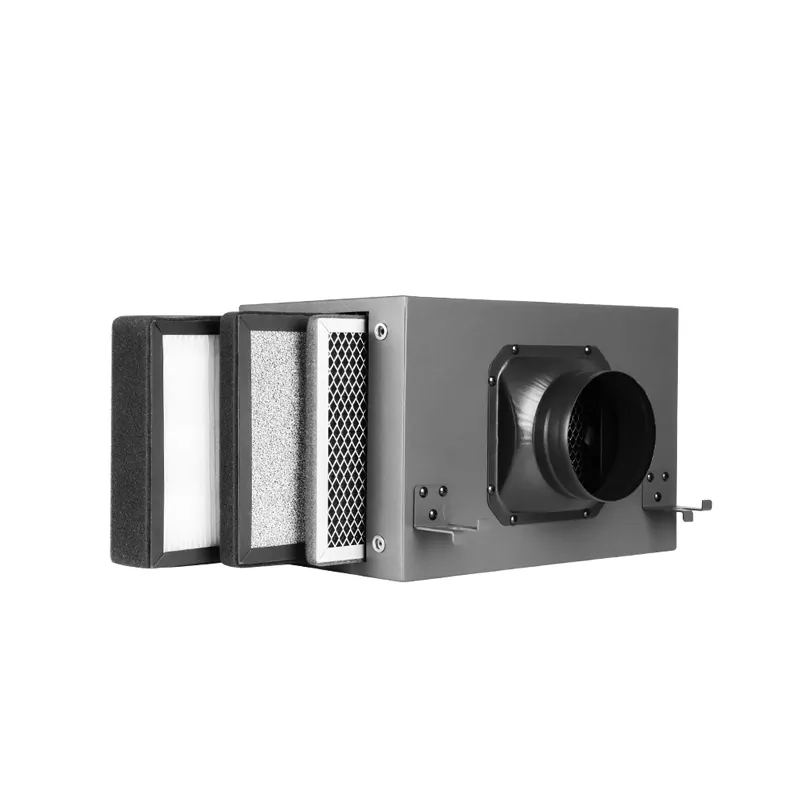
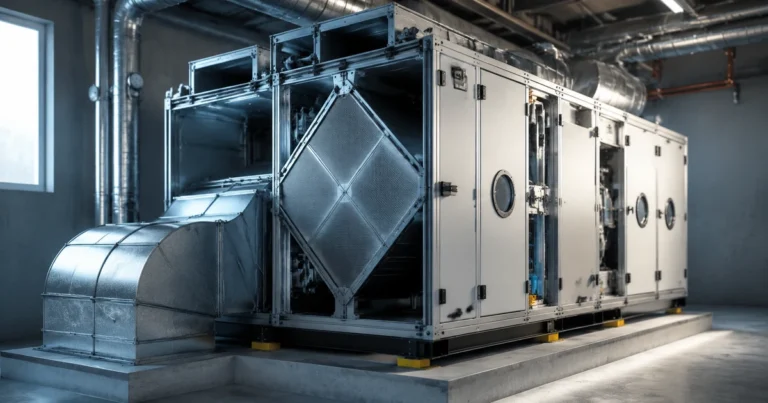
フィルターボックスとは、HVAC(空調)や換気システム内にエアフィルターを収容するためのケーシングであり、通過する空気を清浄化してから室内や精密機器へ送り込む役割を果たします。一般的なフィルターボックスは、プレフィルター、微粒子用フィルター(HEPAなど)、場合によっては活性炭ステージを組み合わせることで、浮遊粒子状物質と臭気の両方に対応します。本ガイドでは、フィルターボックスの仕組み、システム内での設置位置、選定方法、およびメンテナンスについて解説します。.
HVACおよび換気設備においてフィルターボックスが重要である理由
フィルターボックスの主な役割は、気流経路内でフィルターが密閉され、適切なサイズで収容される環境を提供することです。適切なハウジングがない場合、フィルター周囲から空気が漏れ、未処理の空気がろ材をバイパスしてしまい、フィルター本来の定格性能を発揮できなくなります。.
米国環境保護庁(U.S. EPA)によると、人は一日の約90%を室内で過ごしており、室内の特定汚染物質の濃度は屋外の2〜5倍に達することがあります。. 出典:U.S. EPA『The Inside Story: A Guide to Indoor Air Quality』 . 換気設備によって外気が供給されますが、人が居住する空間へ導入する前に空気をろ過する必要があります。これこそが、適切なろ材を備えたフィルターボックスが求められる理由です。.
フィルターボックスは、HVACシステムにおいて主に3つの役割を担います。
室内空気質(IAQ)の向上。. 空気がシステム内を通過する際、ホコリ、花粉、アレルゲンなどの空気中浮遊粒子を捕集します。.機器の保護。. ろ過を行わない場合、コイル、ファン、熱交換器にホコリや異物が堆積し、熱交換効率の低下や機器寿命の短縮を招きます。.システム効率の維持。. 清潔で適切に装着されたフィルターは風量を維持します。一方、目詰まりやバイパスが生じているフィルターは圧力損失を高め、エネルギー消費を増加させます。.重要な前提:フィルターボックスは通過する空気のみを清浄化します。発生源対策や外気換気そのものに代わるものではなく、あらゆる汚染物質を除去できるわけでもありません。単独の解決策としてではなく、換気設計全体の構成要素の一部として組み込む必要があります。.
フィルターボックスの仕組み:3段階のろ過ステージ
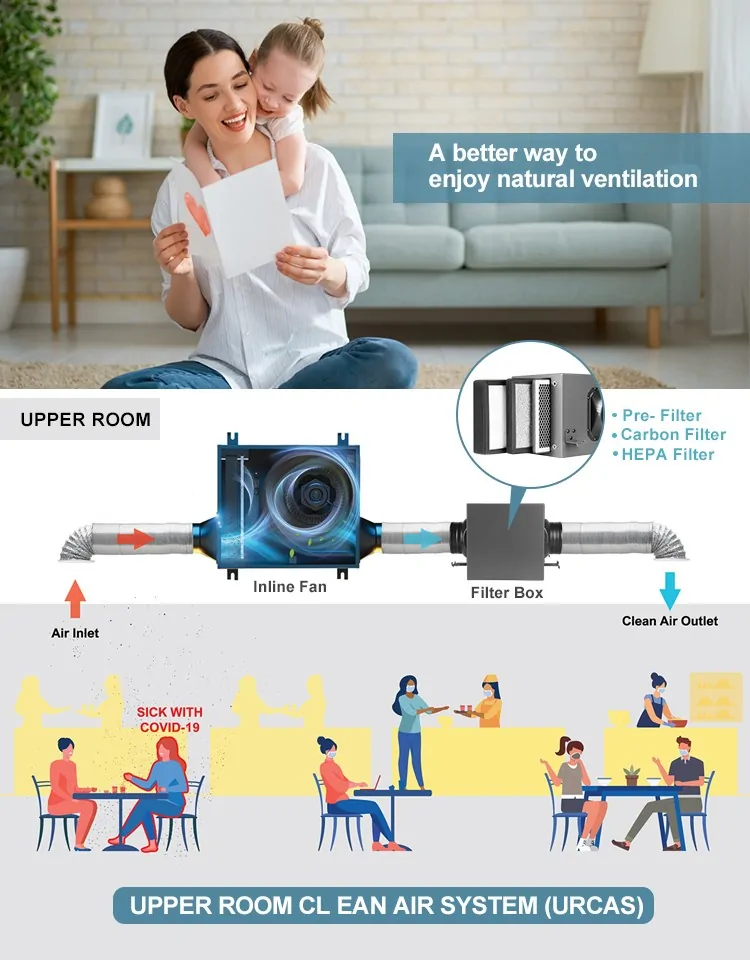
多くのフィルターボックスは3層ろ過システムとして設計されており、各ステージが異なる役割を担っています。
ステージ 除去対象 代表的なろ材 交換目安 プレフィルター 粗大粒子:ホコリ、毛髪、糸くず 粗塵用合成繊維またはメッシュろ材 1~3か月ごと、または目視で目詰まりが確認された場合 微粒子フィルター(HEPA) 微小粒子:PM2.5、花粉、アレルゲン HEPAまたは高効率プリーツろ材 メーカー指定に基づき6〜12か月ごと 活性炭フィルター ガス成分および臭気:VOC、調理臭、植物臭 活性炭充填層 臭気漏れが発生した時点(6〜12か月ごと)
プレフィルター は第一防線(一次ろ過)として機能します。後段の微粒子ステージを保護し、高価なHEPAや活性炭ろ材の耐用年数を延ばします。.HEPAフィルター は微小粒子を捕集します。HEPAは粒子を除去するものであり、ガス成分は除去できない点にご留意ください(活性炭とHEPAの違いは後述参照)。.活性炭フィルター はガス成分および臭気を吸着します。粒子状物質は除去できず、飽和したろ材を水洗いして再利用することはできません。.Because the three stages do different jobs, a filter box that stages them in series gives broader coverage than any single filter.
フィルターボックスにおける活性炭フィルターとHEPAフィルターの比較
よくある誤解として、各フィルターの役割を把握しないまま「フィルターの数が多いほど良い」と考えてしまうことが挙げられます。.
機能 活性炭フィルター HEPA 微粒子(ホコリ、PM2.5、花粉)の除去 いいえ はい ガス・臭気の除去 はい(多くのVOCおよび臭気) いいえ メカニズム 活性炭表面への吸着 機械的捕集(インターセプション) 水洗いして再利用可能 いいえ 不可(交換のみ) 通気抵抗(圧力損失) 中程度(飽和するにつれて上昇) 高(目詰まりするにつれて上昇)
多くの空間では、粒子用のプレフィルターとHEPA、さらに臭気やガス発生源(厨房、ペット、栽培室、化学薬品保管場所など)がある場合は活性炭フィルターの両方が必要です。3層フィルターボックスは、これらを単一のケーシング内に統合しています。詳細については当社の activated carbon filter guide を参照し、活性炭の吸着メカニズムおよび活性炭ステージの交換時期をご確認ください。.
換気システムにおけるフィルターボックスの適切な設置位置
フィルターボックスは、目的に応じて複数の位置に設置できます。
外気吸込口(OA)側 — 外気が室内に流入する前にろ過します。換気システムにおいて最も一般的な設置位置です。.給気ダクト内 — 給気グリルから吹き出す直前で空気を浄化します。.精密機器・設備の直前 — コイル、ファン、熱交換器を粉塵やゴミの付着から保護します。.排気経路側 — 活性炭ステージを組み合わせることで、排気前に臭気を処理します(例:栽培室、厨房)。.フィルターボックスの主な用途:
住宅、オフィス、教室向けの外気換気システム(fresh-air ventilation)。. コイルの目詰まり・汚れが懸念されるHVACシステム。. 調理臭の除去に活性炭ステージを要する厨房および食品関連エリア。. 粒子と臭気の両方を制御する必要がある栽培室および制御環境農業(CEA)。. 外気環境が悪い空間(PM2.5、花粉、煙など)。. フィルターボックスの選定方法
選定においては、フィルターボックスを風量、ダクト径、対象汚染物質に適合させることが重要です。
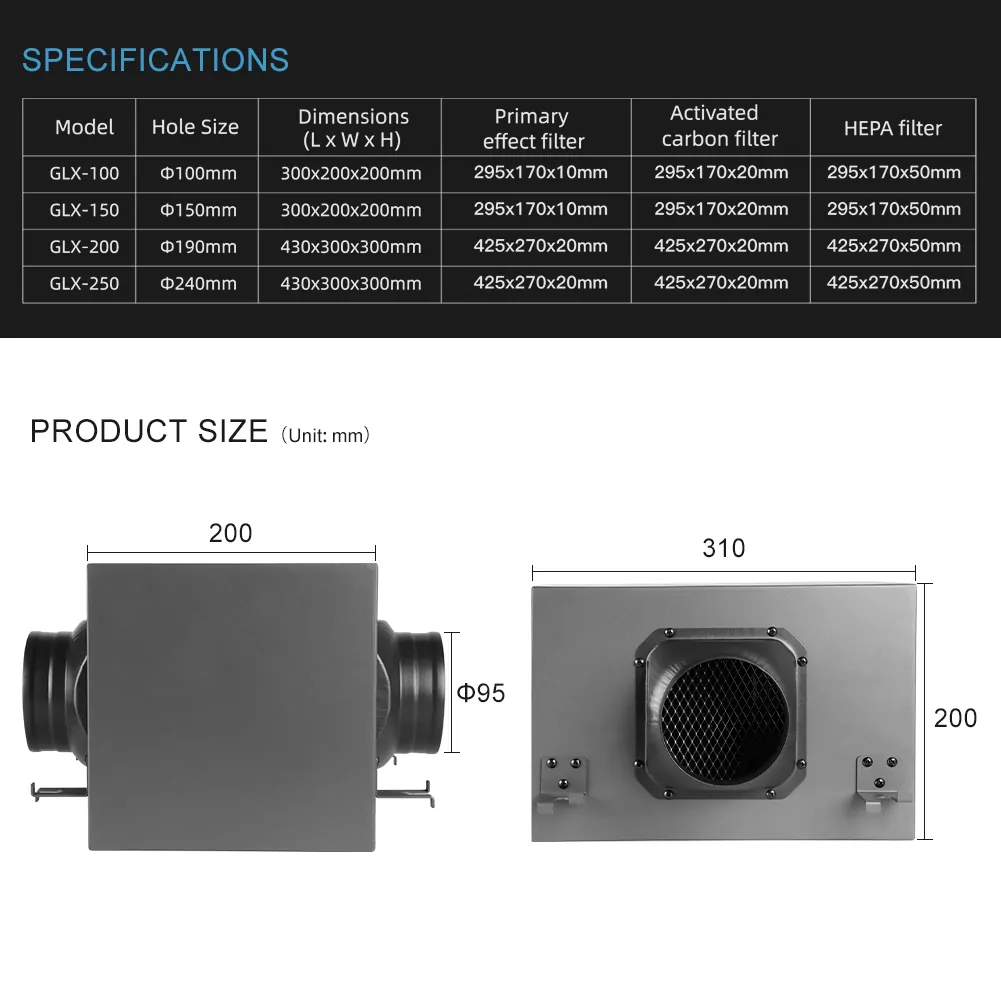
ダクトサイズと風量の適合. フィルターボックスの開口部は、ダクト径(例:100 mm、125 mm、150 mm、200 mm)およびファンの風量と一致させる必要があります。ファンの風量に対して定格風量が低いフィルターボックスを使用すると、過度な通気抵抗が生じます。.圧力損失を確認する。. 各フィルターステージは静圧損失を増加させます。実際の運転風量におけるフィルターの圧力損失データを確認し、十分な静圧能力を持つファンを選定してください。.必要なフィルターステージの選定. 粒子のみ → プレフィルター + HEPA。粒子 + 臭気 → 活性炭ステージを追加。不要なステージにコストをかける必要はありません。.シール性の確認. フィルターボックスは、内部でフィルターが密閉されて初めて正常に機能します。バイパス(空気のすり抜け)を防止する適切なフレームやガスケットが備わっているか確認してください。.メンテナンス性の確認. フィルター交換が容易に行える開閉構造である必要があります。アクセスしにくいフィルターは交換を怠る原因になります。.製品データシートによる仕様確認. 最新の製品データシートに記載された検証済みの仕様(風量、フィルタークラス、圧力損失、寸法)のみに基づいて選定してください。.フィルターボックス選定チェックリスト
[ ] ダクトサイズおよび接続口がファンおよびダクト配管と一致している。. [ ] 運転静圧下での風量が対象空間に対して十分である。. [ ] フィルターステージが実際の汚染物質(粒子、臭気、またはその両方)に対応している。. [ ] ろ材および交換部品が安定して入手可能であり、コストが適正である。. [ ] ケーシングが適切に密閉され、メンテナンス時のアクセスが容易である。. [ ] 規定風量時の圧力損失がファンの許容能力範囲内である。. フィルターボックスのメンテナンス
フィルターボックスが定格性能を発揮するためには、フィルターを適時に交換する必要があります。
プレフィルター: 毎月点検し、目視で汚れが確認されたら交換してください(通常は1〜3か月ごと、清浄な環境ではより長期間)。.HEPA/微粒子フィルター: メーカーの推奨に従って交換してください(通常は6〜12か月ごと)。HEPAフィルターは絶対に水洗いしないでください。.活性炭フィルター: 臭気の漏れ(破過)が生じた際に交換してください(通常は6〜12か月)。水洗いしても吸着性能は回復しません。.ハウジングとシール: ガスケットとフレームを年1回点検してください。シールが劣化するとバイパス(空気漏れ)の原因となります。.メンテナンス日を記録し、 設置環境に応じた実際の交換周期を把握できるようログに記録してください。.全体のメンテナンス手順については、当社の 換気システムメンテナンスガイドをご覧ください .
Frequently Asked Questions
Q: フィルターボックスは室内空気質(IAQ)を改善しますか? A: フィルターボックスは、通過する空気から粒子(カーボン層を組み合わせた場合は一部のガスや臭気)を除去します。これは室内空気質改善の一要素であり、換気、汚染源の抑制、湿度管理も重要です。.
Q: フィルターボックスと空気清浄機の違いは何ですか? A: フィルターボックスはHVACまたは換気システムの一部であり、気流を浄化するためにダクト内や給気口に設置されます。空気清浄機は室内の空気を循環・浄化する据え置き型の単体機器です。多くの建物で両方が併用されています。.
Q: HEPAフィルターと活性炭フィルターのどちらが必要ですか? A: 除去対象の汚染物質によって異なります。HEPAは粒子を除去し、活性炭はガスや臭気を除去します。両方の対策が必要な場合(例:粉塵に加えて調理臭や植物臭など)は、多段式フィルターボックスで両方を併用してください。.
Q: フィルターボックスのフィルターはどのくらいの頻度で交換すべきですか? A: 一般的にプレフィルターは1〜3か月ごと、中高性能/HEPAフィルターは6〜12か月ごと、活性炭は臭気の漏れが発生した際に交換します。適切な交換時期は環境によって異なるため、定期的に点検しメーカーの指示に従ってください。.
Q: フィルターボックスで換気を代替できますか? A: いいえ、代替できません。フィルターボックスは通過する空気を浄化するものであり、新鮮な外気を供給したり汚れた空気を排出したりするものではありません。換気とろ過は相互に補完し合う関係です。.
Q: フィルターボックスはHVAC機器を保護しますか? A: はい。熱交換コイル、ファン、熱交換器に到達する前に埃やゴミを捕集することで、コイルの汚れを抑え、熱交換効率を維持し、機器の寿命を延ばします。.
関連するKCvents製品およびガイド
HVACまたは換気プロジェクト向けのフィルターボックスをお探しですか? KCventsは、卸売、OEM、プライベートブランド向けにフィルターボックス、ダクトファン、給気システムを製造しています。. お見積りを依頼する 風量、ダクトサイズ、およびろ過要件をご連絡ください。.