We use cookies to ensure that we give you the best experience on our website.
Stay Updated with KCVENTS Ventilation & HVAC Solutions
Subscribe to our newsletter for the latest airflow engineering insights, energy-efficient ERV/HRV system updates, and eco-friendly HVAC solutions.
Be the first to receive exclusive technical guides, custom OEM/ODM capabilities, and global exhibition news directly from KCVENTS.
Filter Box for HVAC Air Filtration: Applications, Selection, and Maintenance
How a filter box works, the three filter stages (pre-filter, HEPA, activated carbon), where it fits in an HVAC or ventilation system, how to select one, and how to maintain it.
Filtre kutusu, içinden geçen havanın odaya veya hassas ekipmanlara ulaşmadan önce temizlenmesini sağlamak amacıyla HVAC veya havalandırma sistemindeki hava filtresini barındıran bir gövdedir. Tipik bir filtre kutusu; ön filtre, ince filtre (örneğin HEPA) ve bazen bir aktif karbon aşamasını bir araya getirerek hem partikülleri hem de kokuları kontrol altına alabilir. Bu kılavuz, bir filtre kutusunun nasıl çalıştığını, sistemde nereye konumlandırıldığını, nasıl seçileceğini ve bakımının nasıl yapılacağını açıklamaktadır.
HVAC ve Havalandırmada Filtre Kutusunun Önemi
Bir filtre kutusunun ana görevi, filtreye hava akışı içinde sızdırmaz ve doğru boyutlandırılmış bir yuva sağlamaktır. Uygun bir gövde olmadan filtrenin çevresinden hava sızıntısı meydana gelir, filtrelenmemiş hava filtre medyasını baypas eder ve filtre nominal performansında çalışmaz.
ABD EPA'ya göre insanlar zamanlarının yaklaşık 'ını kapalı alanlarda geçirmektedir ve bazı iç ortam kirleticilerinin konsantrasyonu dış ortam seviyelerinden iki ila beş kat daha yüksek olabilmektedir. Kaynak: U.S. EPA, The Inside Story: A Guide to Indoor Air Quality. Havalandırma dış ortam havası sağlar; ancak havanın yaşam alanlarına girmeden önce filtrelenmesi gerekir — doğru filtre medyasına sahip bir filtre kutusu tam da burada devreye girer.
Bir filtre kutusu, HVAC sisteminde üç temel işlevi yerine getirir:
İç hava kalitesini artırır. Hava sistemden geçerken toz, polen ve alerjenler gibi havada asılı partikülleri yakalar.
Ekipmanı korur. Filtrasyon olmadan serpantinler, fanlar ve ısı eşanjörleri üzerinde toz ve birikintiler toplanır; bu da ısı transferini azaltır ve ekipman ömrünü kısaltır.
Sistemin verimli çalışmasını sağlar. Temiz ve doğru yerleştirilmiş bir filtre hava debisini korur; tıkanmış veya baypas yapan bir filtre direnci yükselterek enerji tüketimini artırır.
Önemli sınır: Bir filtre kutusu, yalnızca içinden geçen havayı temizler. Kaynak kontrolünün veya taze hava havalandırmasının yerini tutmaz ve tüm kirleticileri ortadan kaldırmaz. Tek başına bir çözüm değil, eksiksiz bir havalandırma tasarımının bir parçası olmalıdır.
Filtre Kutusu Nasıl Çalışır: Üç Filtre Aşaması
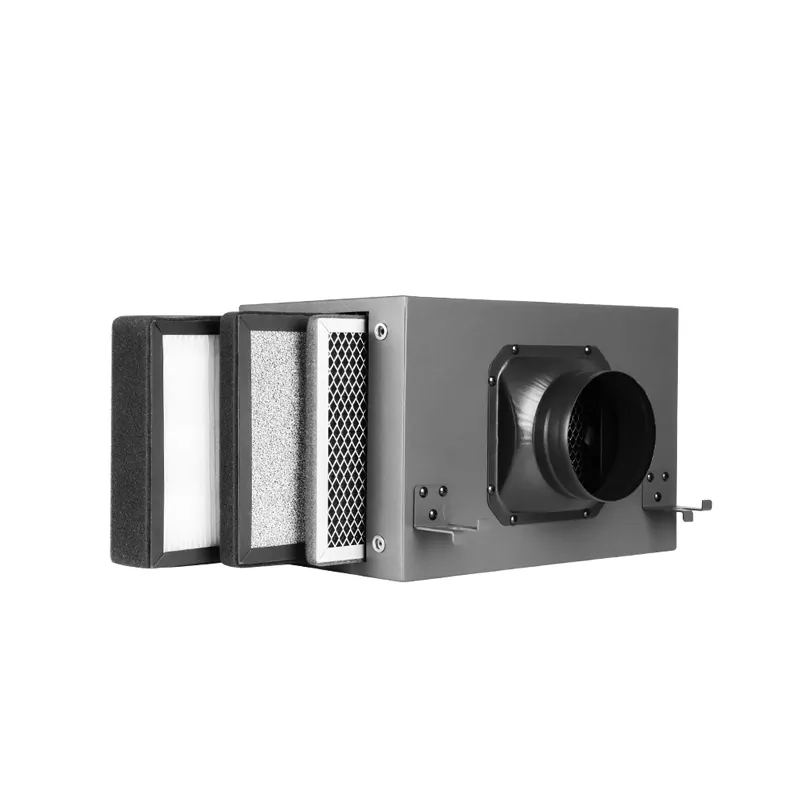
Birçok filtre kutusu, her aşamanın farklı bir görevi yerine getirdiği 3 katmanlı bir filtrasyon sistemi olarak üretilir:
Aşama
Neleri temizler
Tipik filtre medyası
Değişim
Ön filtre
Büyük partiküller: toz, saç, tüy
Kaba sentetik veya tel örgü medya
Her 1–3 ayda bir veya gözle görülür şekilde dolduğunda
İnce filtre (HEPA)
İnce partiküller: PM2.5, polen, alerjenler
HEPA veya ince pileli medya
Her 6–12 ayda bir (üretici talimatına göre)
Aktif karbon
Gazlar ve kokular: VOC'ler, yemek ve bitki kokuları
Aktif karbon yatağı
Her 6–12 ayda bir, koku geçişi başladığında
Ön filtre ilk savunma hattıdır. Kendisinden sonraki daha hassas aşamaları koruyarak pahalı HEPA ve karbon filtre medyasının daha uzun ömürlü olmasını sağlar.
HEPA filtre ince partikülleri yakalar. HEPA'nın gazları değil, partikülleri temizlediğini unutmayın — karbon ve HEPA arasındaki farkı aşağıda görebilirsiniz.
Aktif karbon gazları ve kokuları adsorbe eder. Partikülleri tutmaz ve doygunluğa ulaştıktan sonra yıkanıp tekrar kullanılamaz.
Üç kademe farklı görevleri yerine getirdiği için, bunları seri olarak kademelendiren bir filtre kutusu, herhangi bir tekli filtreden daha geniş kapsamlı bir filtreleme sağlar.
Filtre Kutusunda Aktif Karbon ve HEPA Karşılaştırması
Yaygın bir yanılgı, her bir filtrenin ne işe yaradığını bilmeden “daha fazla filtre daha iyidir” şeklinde düşünmektir.
Kabiliyet
Aktif karbon
HEPA
Partikülleri giderir (toz, PM2.5, polen)
No
Evet
Gazları ve kokuları giderir
Evet (birçok VOC ve koku)
No
Mekanizma
Karbon yüzeyine adsorpsiyon
Mekanik yakalama
Yıkanabilir ve tekrar kullanılabilir
No
Hayır (yalnızca değiştirilir)
Hava akış direnci
Orta, doygunluğa ulaştıkça artar
Yüksek, partikül yükü arttıkça artar
Çoğu mahal için her ikisine de ihtiyaç duyarsınız: partiküller için bir ön filtre ve HEPA, ayrıca koku veya gaz kaynaklarınız varsa (mutfaklar, evcil hayvanlar, yetiştirme odaları, kimyasal depolama alanları) karbon filtre. 3 katmanlı bir filtre kutusu bunları tek bir gövdede birleştirir. Bkz: activated carbon filter guide karbon adsorpsiyonunun nasıl çalıştığı ve karbon aşamasının ne zaman değiştirilmesi gerektiği hakkında bilgi için.
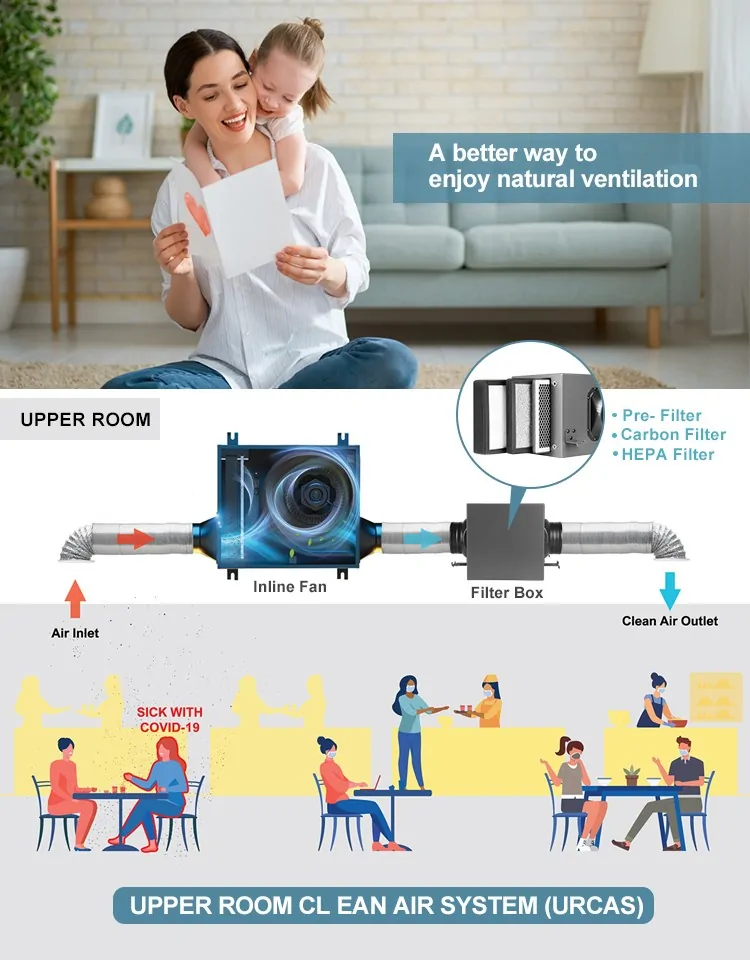
Bir filtre kutusu, amaca bağlı olarak çeşitli konumlara yerleştirilebilir:
Taze hava emiş hattında — odaya girmeden önce dış havayı filtreler; havalandırma sistemleri için en yaygın konumdur.
Besleme (üfleme) kanalında — havayı doğrudan üfleme menfezinden önce temizler.
Hassas ekipmanların öncesinde — bataryaları, fanları ve ısı eşanjörlerini toz ve kalıntılardan korur.
Egzoz hattında — aktif karbon aşaması ile hava tahliye edilmeden önce kokuları arındırır (örn. yetiştirme odaları, mutfaklar).
Bir filtre kutusu için tipik uygulama alanları:
Evler, ofisler ve derslikler için taze hava havalandırma sistemleri.
Batarya kirlenmesinin endişe konusu olduğu HVAC sistemleri.
Pişirme kokularının karbon aşaması gerektirdiği mutfaklar ve gıda alanları.
Hem partiküllerin hem de kokuların kontrol edildiği yetiştirme odaları ve kontrollü ortam tarımı (CEA).
Dış hava kalitesinin düşük olduğu her türlü mahal (PM2.5, polen, duman).
Filtre Kutusu Nasıl Seçilir?
Seçim işlemi; filtre kutusunun hava debisi, kanal ve kirlilik türü ile eşleştirilmesini kapsar:
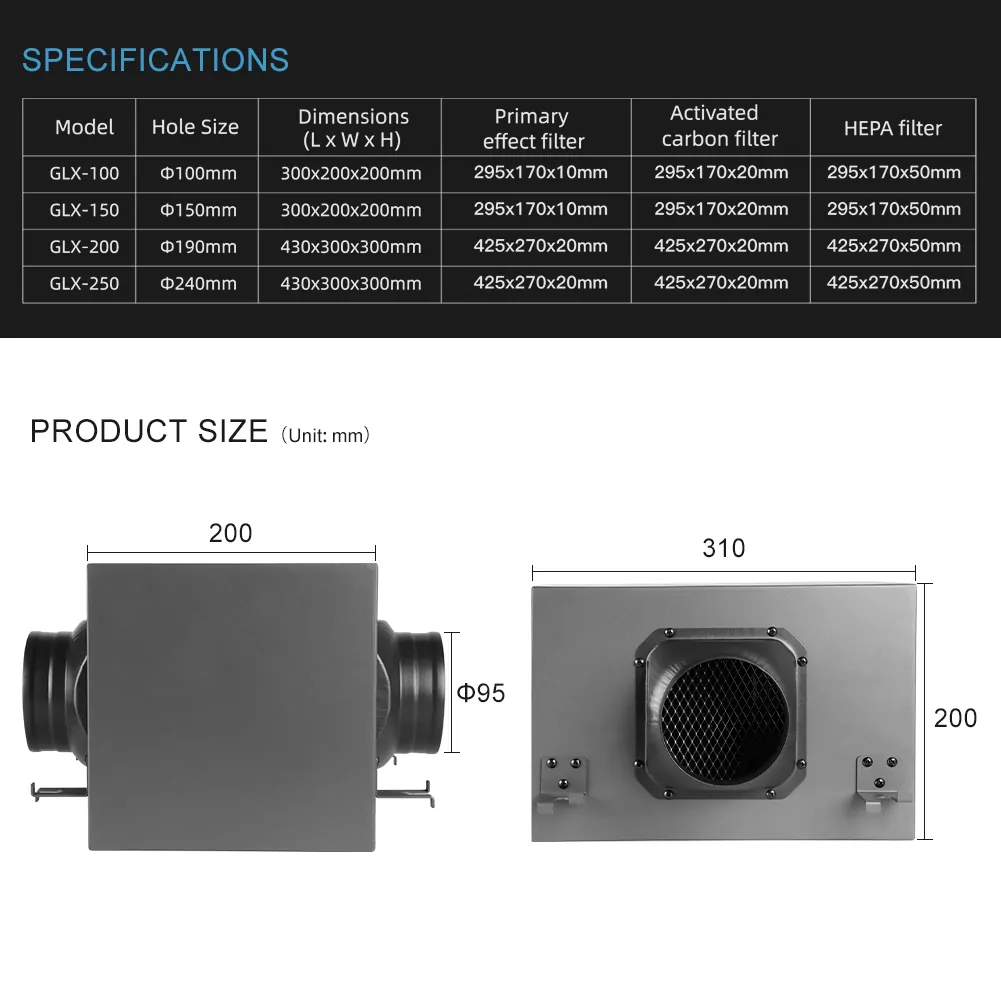
Kanalı ve hava debisini eşleştirin. Filtre kutusu ağzı, kanal boyutunuzla (örn. 100 mm, 125 mm, 150 mm, 200 mm) ve fanın hava debisiyle eşleşmelidir. Fanınızdan daha düşük hava debisine göre derecelendirilmiş bir filtre kutusu aşırı dirence yol açar.
Basınç düşüşünü kontrol edin. Her filtre aşaması statik basınç ekler. Çalışma debinizdeki filtrenin basınç düşüşü verilerini kullanın ve yeterli basınç kapasitesine sahip bir fan seçin.
İhtiyacınız olan filtre aşamalarını seçin. Yalnızca partiküller → ön filtre + HEPA. Partiküller + kokular → karbon aşamasını ekleyin. İhtiyacınız olmayan aşamalar için fazladan ödeme yapmayın.
Sızdırmazlığı kontrol edin. Bir filtre kutusu yalnızca filtre gövde içine tam sızdırmaz şekilde oturtulduğunda verimli çalışır. By-pass hava akışını önleyen uygun bir çerçeve veya conta arayın.
Bakım erişimini doğrulayın. Kutu, filtre değişimleri için kolayca açılmalıdır — erişemediğiniz bir filtre, asla değiştirilmeyen filtredir.
Ürün veri föyü (datasheet) ile doğrulayın. Yalnızca güncel ürün verilerindeki doğrulanmış teknik özellikleri (hava debisi, filtre sınıfı, basınç düşüşü, boyutlar) kullanın.
Filtre kutusu seçim kontrol listesi
[ ] Kanal boyutu ve bağlantısı fana ve kanal tesisatına uygundur.
[ ] Çalışma statik basıncındaki hava debisi mahal için yeterlidir.
[ ] Filtre aşamaları mevcut kirleticileri (partiküller, kokular veya her ikisi) kapsamaktadır.
[ ] Filtre medyası ve yedek parçalar temin edilebilir ve ekonomiktir.
[ ] Gövde doğru şekilde sızdırmazlık sağlar ve bakım için kolay erişim sunar.
[ ] Hava debinizdeki basınç düşüşü fan kapasitesi dahilindedir.
Filtre Kutusu Bakımı
Bir filtre kutusu yalnızca filtreler zamanında değiştirildiğinde nominal performansında çalışır:
Ön filtre: aylık olarak kontrol edin; gözle görülür şekilde dolduğunda değiştirin (genellikle 1–3 ay, temiz ortamlarda daha uzun).
S: Filtre kutusu iç hava kalitesini iyileştirir mi? C: Filtre kutusu, içinden geçen havadaki partikülleri (ve bir karbon kademesi ile bazı gaz ve kokuları) temizler. İç hava kalitesinin bir parçasıdır; havalandırma, kaynak kontrolü ve nem kontrolü de önemlidir.
S: Filtre kutusu ile hava temizleyici arasındaki fark nedir? C: Filtre kutusu, bir HVAC veya havalandırma sisteminin bileşenidir; hava akarken temizlemek üzere kanala veya emiş ağzına monte edilir. Hava temizleme cihazı ise oda havasını sirküle edip temizleyen bağımsız bir ünitedir. Birçok binada her ikisi de kullanılır.
S: HEPA filtreye mi yoksa aktif karbon filtreye mi ihtiyacım var? C: Bu durum kirleticilere bağlıdır. HEPA partikülleri tutar; karbon gazları ve kokuları giderir. Her iki ihtiyaç da söz konusuysa (örneğin toz ile birlikte yemek veya bitki kokuları), çok kademeli bir filtre kutusunda her ikisini birden kullanın.
S: Filtre kutusundaki filtreyi ne sıklıkla değiştirmeliyim? C: Ön filtreler genellikle 1–3 ayda bir, hassas/HEPA filtreler 6–12 ayda bir, karbon filtreler ise koku geçişi başladığında değiştirilir. Doğru aralık ortam koşullarına bağlıdır; periyodik kontrol yapın ve üreticinin talimatlarına uyun.
S: Filtre kutusu havalandırmanın yerini alabilir mi? C: Hayır. Filtre kutusu içinden geçen havayı temizler; taze dış hava sağlamaz veya kirli iç ortam havasını tahliye etmez. Havalandırma ve filtrasyon birbirini tamamlar, birbirinin ikamesi değildir.
S: Filtre kutusu HVAC ekipmanını korur mu? C: Evet. Filtrasyon; toz ve partikülleri serpantinlere, fanlara ve ısı eşanjörlerine ulaşmadan önce yakalayarak serpantin kirlenmesini azaltır, ısı transfer verimini korur ve ekipman ömrünü uzatır.
Inline Duct Fan — kanallı filtre kutusu için hava debisi tamamlayıcısı
HVAC veya havalandırma projeniz için bir filtre kutusuna mı ihtiyacınız var? KCvents; toptan satış, OEM ve özel markalı (private-label) alıcılar için filtre kutuları, kanal fanları ve taze hava sistemleri üretmektedir. Teklif isteyin hava debisi, kanal boyutu ve filtrasyon gereksinimleriniz doğrultusunda.
Newsletter Updates
Enter your email address below and subscribe to our newsletter