We use cookies to ensure that we give you the best experience on our website.
Stay Updated with KCVENTS Ventilation & HVAC Solutions
Subscribe to our newsletter for the latest airflow engineering insights, energy-efficient ERV/HRV system updates, and eco-friendly HVAC solutions.
Be the first to receive exclusive technical guides, custom OEM/ODM capabilities, and global exhibition news directly from KCVENTS.
Single-Room HRV in 2026: Why the VT501-Wifi Works for Bedrooms, Apartments and Renovations
2026 kılavuzu: KCVENTS VT501-Wifi gibi tek odalı bir ısı geri kazanım cihazı (HRV) neden yatak odaları ve daireler için vazgeçilmezdir — ısı geri kazanımı, 30 dB altı ses seviyesi, HEPA + aktif karbon filtrasyonu, Wi-Fi kontrolü.
Single-Room HRV in 2026: Why the VT501-Wifi Works for Bedrooms, Apartments and Renovations
2026 yılına gelindiğinde, üç temel etken evlerin havalandırılma biçimini sessizce değiştirdi: daha yüksek enerji fiyatları, daha katı bina verimlilik yönetmelikleri, ve orman yangını ile polen mevsimlerinde kötüleşen dış hava kalitesi. Yeni binalar her zamankinden daha yalıtımlı ve sızdırmaz inşa ediliyor; bu da mekanik havalandırmayı bir lüks olmaktan çıkarıp bir zorunluluk haline getiriyor — üstelik çoğu hanenin merkezi kanallı bir sistem için gereken alana, bütçeye veya izinlere sahip olmadığı bir ortamda.
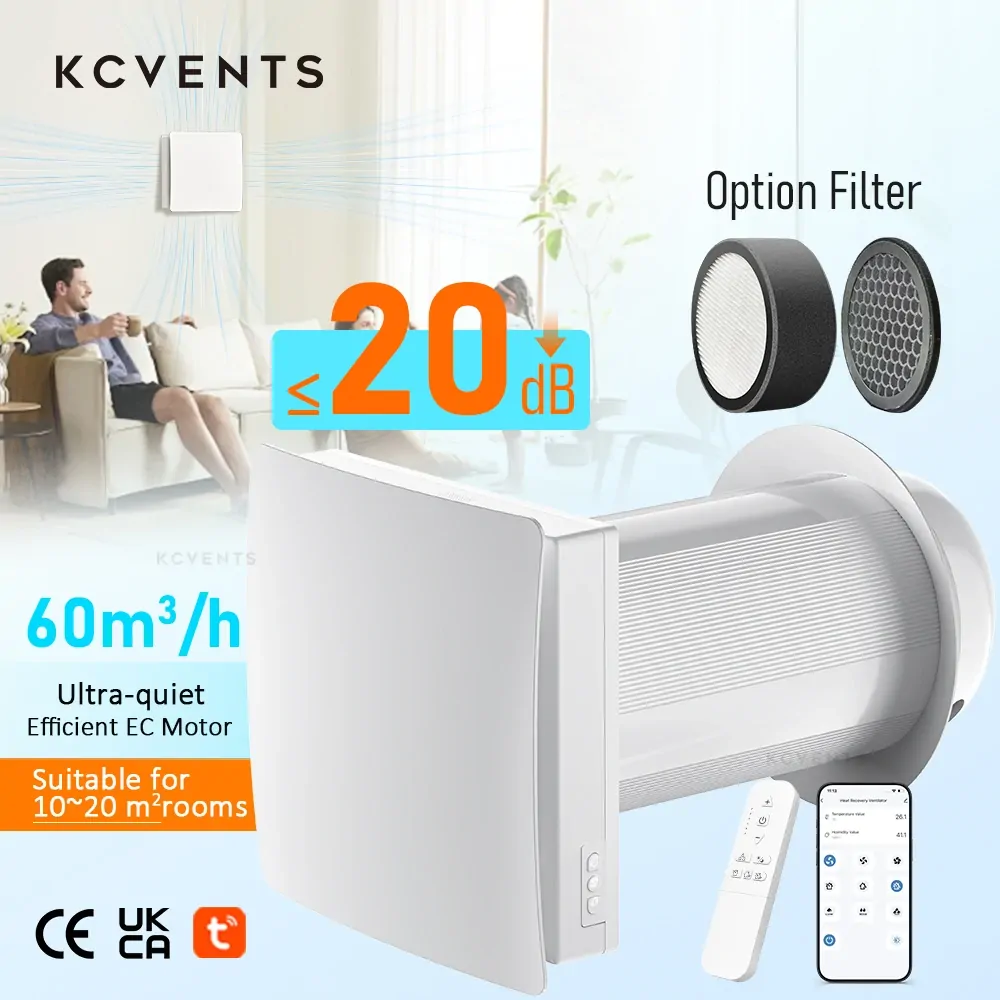
İşte tek odalı ısı geri kazanım cihazları (HRV) tam da bu boşluğu dolduruyor. KCVENTS VT501-Wifi dışarı atılan havadaki ısının 'ına kadarını geri kazanır, 30 dB'in altında çalışır, içeri giren havayı HEPA ve aktif karbon ile filtreler ve tek bir duvar deliğinden monte edilir — hiçbir kanal tesisatı gerektirmez. Aşağıda, bu ürünün arkasındaki 2026 trendlerini, açık bir pencereye veya egzoz fanına kıyasla sunduğu avantajları ve günlük kullanım deneyimini inceliyoruz.
VT501-Wifi, dış cephe duvarındaki tek bir delikten monte edilir: oda tarafındaki panel, merkezi bir kanal tesisatı gerektirmeksizin teleskopik bir kanala ve dış ızgaraya bağlanır.
2026'yı Şekillendiren Üç Havalandırma Zorluğu
Enerji faturaları ve sıkılaşan verimlilik yönetmelikleri
AB, Birleşik Krallık ve Kuzey Amerika, 2026 yılına kadar binalar için enerji performansı gereksinimlerini sıkılaştırıyor ve renovasyon çalışmalarının havalandırma yükseltmelerini içermesi giderek daha fazla zorunlu hale geliyor. Bu sırada hanehalkı enerji fiyatları, herkesin bütçe endişelerinin başında yer almaya devam ediyor.
Hesap son derece basittir: Isı geri kazanımı olmadan tahliye ettiğiniz her metreküp sıcak (veya soğuk) hava için iki kez ödeme yaparsınız; birincisi havayı ısıtmak veya soğutmak için, ikincisi ise tahliye edilen havanın yerini doldurmak için. Bir ısı geri kazanım cihazı (HRV) bu enerjiyi dışarı çıkmadan önce yakalar. VT501-Wifi'ın seramik eşanjör çekirdeği 'a varan verimlilik, değerine sahiptir ve tüm ünite Uyku modundayken yalnızca 2,5 W enerji harcar — bu da bir gece lambasından bile daha azdır.
Duman, polen ve dış ortam hava kirliliği
Orman yangını dumanı artık nadir görülen bir durum değildir; birçok bölgede, bazen yangının merkezinden binlerce kilometre uzakta bile mevsimsel bir gerçeklik haline gelmiştir. Polen sezonları ise daha erken başlayıp daha uzun sürmektedir. Her iki durumda da “temiz hava için pencere açma” refleksi, iç ortam havasını iyileştirmek yerine çoğu zaman daha da kötüleştirir.
Dengeli bir HRV, hiçbir pencere açmaya gerek kalmadan hava sirkülasyonu sağlar; çünkü içeri üflenen taze hava öncelikle filtre sisteminden geçer. VT501-Wifi, çift filtre seti — HEPA artı aktif karbon ile birlikte gelir; bu sistem polen, toz, partikül maddeler ve birçok dış kokuyu odaya ulaşmadan önce etkisiz hale getirir. Bu, hem duman kaynaklı hava kirliliği dönemlerinde hem de alerji mevsimi boyunca pratik bir koruma sağlar.
Yalıtımlı, CO₂ yoğunluklu yatak odaları
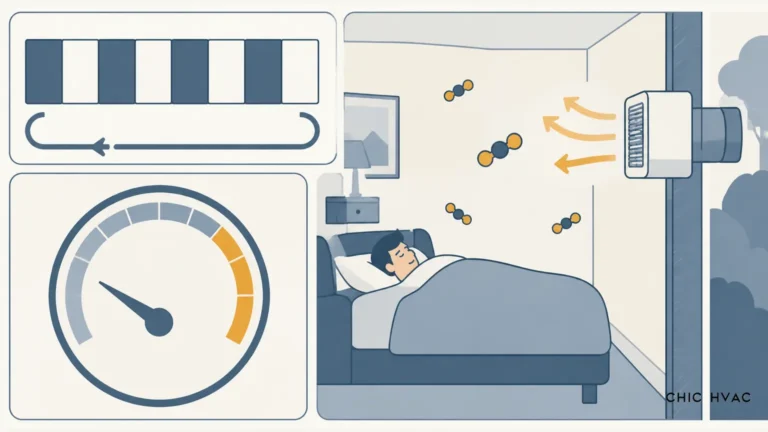
Kaliteli pencereler ve gelişmiş yalıtım ısıyı içeride tutarken aynı zamanda CO₂, nem ve kirleticileri de hapseder. Yatak odasındaki yüksek CO₂ seviyesi; kalitesiz uyku, sabah baş ağrıları ve ertesi gün hissedilen halsizlik ile doğrudan ilişkilidir. Egzoz fanları bu havanın bir kısmını tahliye etse de içerideki ısıyı dışarı çeker ve bütün gece uğultuyla çalışır; kışın veya yazın açılan bir pencere ise hem konforu hem de enerji faturalarını olumsuz etkiler.
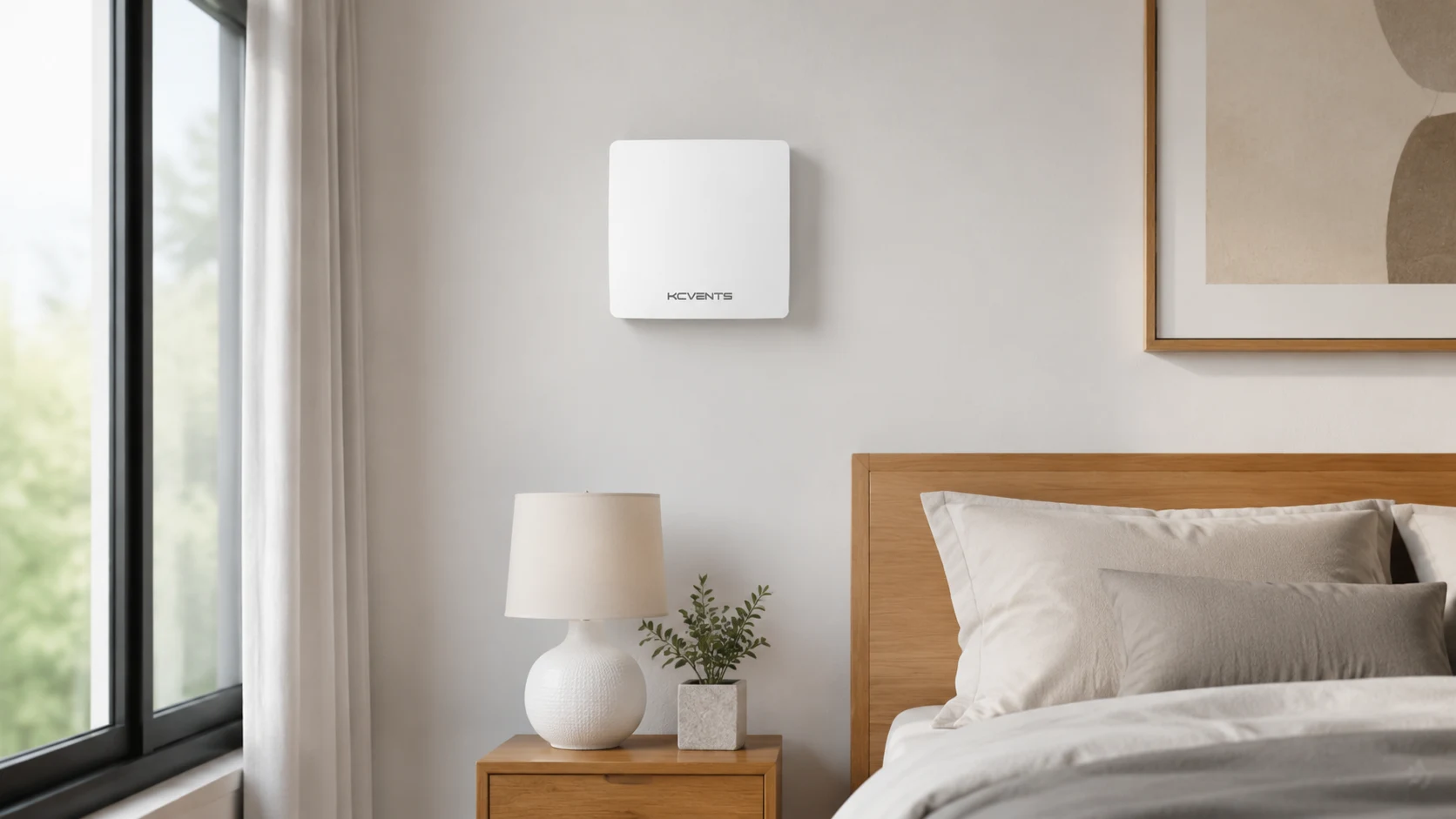
Sessiz, dengeli bir tek oda tipi HRV pratik çözümdür: minimum ısı kaybı ile sürekli taze hava değişimi sağlar ve hemen yanında uyunabilecek kadar sessizdir.
Tek Oda Tipi HRV Neden Alternatiflerinden Üstündür
Seçenek
Güçlü Yönler
Sınırlamalar
Açık pencere
Ücretsiz, ekipman gerektirmez
Isı kaybı, gürültü, filtrelenmemiş dış hava (duman, polen, toz), güvenlik ve hava koşullarına maruz kalma
Yalnızca egzoz fanı
Basit, düşük maliyetli
Isı geri kazanımı yok, taze hava filtrasyonu yok, gürültülü, negatif basınç ve cereyan oluşturur
Merkezi kanallı HRV/ERV
Tüm ev performansı
Pahalı, kanal tasarımı gerektirir, daireler, kiracılar ve renovasyonlar için zordur
Taşınabilir hava temizleyici
İç ortamdaki sirküle havayı filtreler
Taze hava getirmez veya CO₂'yi tahliye etmez, ısı geri kazanımı yoktur
Tek oda tipi HRV (VT501-Wifi)
90%'ye varan ısı geri kazanımı, HEPA + karbon filtrasyonu, 30 dB altı, Wi-Fi kontrolü, tek delikli montaj
Tek seferde bir odaya hizmet verir (master/slave kurulumuyla genişletilebilir)
Yatak odaları, ev ofisleri, daireler ve renovasyon projeleri için tek oda tipi HRV genellikle performans, gürültü seviyesi, montaj kolaylığı ve maliyet arasındaki en iyi dengedir.
Bir Bakışta VT501-Wifi
90%'ye varan ısı geri kazanımı — seramik çekirdek, hem ısıtma hem de soğutma sezonlarında dışarı atılan havadan ısıyı geri kazanır
Sessiz, 30 dB altı ses seviyesi — yatak odaları, bebek odaları ve ev ofisleri için özel olarak tasarlanmış, ses yalıtımlı gövde içinde fırçasız DC motor
Çift kademeli filtreleme — polen, toz, partiküller ve dış ortam kokularına karşı HEPA ve aktif karbon filtre
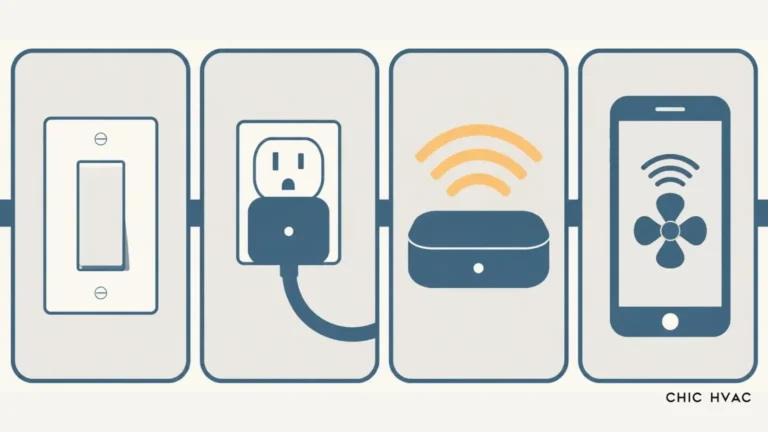
Wi-Fi akıllı kontrol — modlar, zamanlama ve otomasyon rutinleri için Tuya tabanlı uygulama
Tek delikten duvara montaj — dış duvar boyunca teleskopik kanal, merkezi kanal tesisatı gerektirmez
Üç çalışma modu — Taze Hava, Egzoz ve 65 saniyelik Döngü modu
Geniş voltaj ve iklim aralığı — 12 VDC veya 100–240 V, 50/60 Hz; -20°C ile +50°C arasında çalışır
Performance Parameters
Speed
Airflow (m³/h)
Toplam Güç (W)
Akım (A)
Motor Devri (RPM)
Sleep
20
2.5
0.025
630
I
48
3.0
0.030
1,100
II
54
4.5
0.045
1,600
III
60
8.5
0.070
2,200
Ünite maksimum hızda bile yalnızca 5 W — yıl boyunca her gece çalıştırılsa dahi yalnızca birkaç dolarlık elektrik tüketir; geri kazandığı ısı ise ısıtma ve soğutma faturalarında bunun katbekat fazlasını tasarruf ettirir.
Gece ses seviyeleri gerçekte nasıl duyulur?
“30 dB altı” teknik bir değerdir; asıl önemli olan sessiz bir yatak odasında nasıl duyulduğudur. Tipik bir alçıpan duvara yapılan montajlarımızda, Uyku modu 20'li dB seviyelerinin altındadır and Kademe I, 20'li dB seviyelerinin ortalarındadır — yaklaşık olarak sessiz bir kütüphane seviyesi; yalnızca özellikle dinlerseniz duyarsınız. Kademe II'de fark edilebilir hale gelir , sessiz bir odada ve Kademe III'te (60 m³/h) motor net bir şekilde duyulur, orta devirde çalışan küçük bir masa vantilatörüne benzer. Önemli olan sesin tonudur: insanları uyanık tutan tiz bir vızıltı yerine yumuşak, alçak frekanslı bir uğultudur.
Duvar kalınlığı ve oda akustiğine bağlı olarak kesin değerler birkaç dB değişebilir, bu nedenle bunları yaklaşık değerler olarak kabul edin. Uykusu hafif olanlar için dürüst bir tavsiye: Üniteyi gece boyunca Uyku modunda veya Kademe I'de Taze Hava modunda çalıştırın. 65 saniyelik Döngü modu, motorun yaklaşık dakikada bir yön değiştirdiğini fark edeceğiniz moddur; hızlı bir hava tazeleme için kullanışlıdır ancak uyku için uygun değildir.
Günlük Kontrol İçin Üç Mod
Taze Hava Modu — günlük havalandırma için filtrelenmiş dış havanın sürekli ve dengeli şekilde beslenmesi.
Egzoz Modu — bayat havanın, yemek kokularının veya ani nem artışlarının hızla tahliye edilmesi.
65 Saniyelik Döngü Modu — misafirler ayrıldıktan sonra veya uyumadan önce gibi ihtiyaç duyulan durumlarda odayı hızla tazelemek için emiş ve egzozu sırayla değiştirir.
65 saniyelik döngü nasıl çalışır: seramik çekirdek ısıyı depolar. Fan, egzoz havasını çekirdekten çekerek hava dışarı atılırken çekirdeği ısıtır; ardından yön değiştirip taze besleme havasını aynı sıcak çekirdekten geçirerek içeri alır ve gelen havayı önceden ısıtır (yaz aylarında ise hafifçe ön soğutma yapar). VT501 her 65 saniyede bir yön değiştirir; böylece kompakt, tek delikli bir ünite, hantal bir çapraz akışlı eşanjör çekirdeğine ihtiyaç duymadan gerçek ısı geri kazanımı sağlar. Günlük kullanım için Döngü modunu hızlı bir tazeleme butonu gibi düşünebilirsiniz; sürekli çalışır durumda bırakacağınız mod ise Taze Hava modudur.
Tuya/Wi-Fi Uygulaması ile Akıllı Kontrol
Havalandırma yalnızca fiilen çalıştığında fayda sağlar; Wi-Fi özellikli bir HRV ise bu süreci zahmetsiz hale getirir. Tuya tabanlı uygulama ile telefonunuzdan modları değiştirebilir, fan hızını ayarlayabilir ve programlar oluşturabilirsiniz: yemek pişirmeden önce Egzoz modunu başlatabilir, gece boyunca Uyku hızında çalıştırabilir veya eve varmadan önce Taze Hava akışını artırabilirsiniz. Ayrıca ilave ağ geçitlerine (gateway) gerek kalmadan yaygın akıllı ev senaryolarına sorunsuzca entegre olur.
Saha deneyimlerinden pratik bir ipucu: VT501 bağlantısını 4 GHz Wi-Fi, üzerinden gerçekleştirir; tıpkı çoğu Tuya cihazı gibi. Eşleştirme takılırsa, telefonunuzu 2.4 GHz bandına geçirin (veya yönlendiricinizin “bant yönlendirme” / akıllı bağlantı özelliğini geçici olarak devre dışı bırakın) ve tekrar deneyin — bu, karşılaşılan eşleştirme sorunlarının büyük çoğunluğunu çözer.
Montaj: Delme İşleminden Önce Kontrol Edilmesi Gerekenler
VT501-Wifi, sonradan montaja (retrofit) uygun pratik bir kurulum için tasarlanmıştır:
Tek bir delikle dış duvar üzerinden ve teleskopik bir kanal ile
Merkezi kanal tesisatı gerektirmez — daireler, kiracılar ve renovasyon projeleri için ideal
Kanal uzunluğu: 250–500 mm, duvar kalınlığınıza göre kesilebilir (delik çapı 160 mm Ø)
Oda tarafı kapak paneli: 242 × 242 mm, çoğu oda için kompakt boyutlar
Delme işlemine başlamadan önce şu dört konuyu netleştirin — montaj sorunlarının çoğu bunlardan kaynaklanır:
Kiracıysanız izin alın. 160 mm'lik bir delik, bina kabuğunda kalıcı bir değişikliktir. Delmeden önce kira sözleşmenizi kontrol edin ve ev sahibi veya mülk yöneticisiyle görüşün. Uygulamada birçok mülk sahibi, taşınırken deliğin düzgün bir şekilde kapatılabileceğini ve tamir edilebileceğini gördükten sonra onay vermektedir.
Duvarın içinde ne olduğunu belirleyin. Delme hattında kablo, boru veya donatı demiri bulunmadığından emin olun. Beton veya tuğla duvarlar için karot makinesi kullanan bir usta en temiz işi çıkaracaktır — ve bu işlem yaklaşık bir saat sürer.
Duvar kalınlığı ve kanal uzunluğu. Sipariş vermeden önce duvarı ölçün: teleskopik kanal 250–500 mm aralığını kapsar ve sandviç ya da yalıtımlı duvarlar genellikle üst sınırda kalır. Çok kısa bir kanal seçmek en yaygın montaj hatasıdır.
Dış cephe tarafı. Dış menfez, şiddetli yağmur suyunu tahliye edebilmek için hafif aşağı eğimli olarak ve yaprak, kuş veya sert rüzgâr akıntısına maruz kalmayacak yerlere monte edilmelidir. Kanal ile duvar arasındaki boşluğu uygun şekilde yalıtın — su geçirmezliği sağlayan sızdırmazlık malzemesidir.
Bu işlem el becerisi olan ev sahipleri için kendin-yap (DIY) düzeyindedir; diğer herkes için karot makinesi olan bir HVAC teknisyeni veya usta bir iki saat içinde tamamlayabilir — ve elde edilen yalıtımlı, kusursuz sonuç buna değer.
Kimler VT501-Wifi Tercih Etmeli — ve Cihazın Gerçek Sınırları
Yatak odaları ve bebek odaları — 30 dB altı ses seviyesiyle her gece sessiz, filtrelenmiş taze hava
Daireler ve renovasyon projeleri — merkezi bir kanal sistemi kurmaya gerek kalmadan tek oda için ısı geri kazanımlı havalandırma
Ev ofisleri ve küçük odalar — çalışırken daha taze hava, daha az havasızlık, daha az koku ve dengeli nem seviyesi
Kışın soğuk hava cereyanından bıkanlar — açık pencereden ısı kaybetmek yerine 90%'ye varan ısı geri kazanımıyla dengeli havalandırma
Peki kimler tercih etmemeli? Tek bir VT501 yaklaşık 15–20 m² alana sahip bir odaya (yaklaşık 160–215 sq ft) hizmet verir. Tüm ev için hava değişimi gerekiyorsa, tek bir ünite yeterli olmayacaktır — gerçekçi çözüm, ya birlikte çalışan birkaç ünite (master/slave kurulumu ikinci ünitenin birincisini takip etmesini sağlar) ya da merkezi bir sistemdir. Dış duvara hiçbir şekilde delik açamıyorsanız, bu ürün kategorisi sizin için uygun olmayacaktır.
Hızlı Yanıtlar: VT501-Wifi SSS
65 saniyelik seramik döngüsü nasıl çalışır?
Seramik petek ısıyı depolar. Her döngünün bir bölümünde egzoz havası petekten çekilerek çıkış yolunda peteği ısıtır; ardından fan yön değiştirir ve taze besleme havası aynı sıcak petekten geri çekilerek depolanan ısıyı alır — yaz aylarında ise hafifçe ön soğutulur. VT501 her 65 saniyede bir yön değiştirir; kompakt ve tek delikli bir ünitenin büyük bir çapraz akışlı eşanjöre ihtiyaç duymadan 90%'ye varan ısı geri kazanımı elde etmesi bu sayede sağlanır.
VT501-Wifi uykusu hafif olanlar için yeterince sessiz mi?
Geceleri Fresh Air (Taze Hava) modunu Sleep (Uyku) veya I kademesinde çalıştırın: pratikte bu seviye 20'li dB'lerin alt-orta aralığındadır (yaklaşık sessiz bir kütüphane ortamı) — çoğu insan için bir veya iki gece içinde fark edilmez hale gelir. Motor sesi tiz bir uğultu yerine hafif, pes bir sestir. Dürüst bir uyarı: 65 saniyelik Döngü (Cycle) modunda motorun yaklaşık her dakikada bir yön değiştirdiğini duyarsınız; bu nedenle uykusu hassas olanların bu modu gece boyunca çalıştırmaması önerilir.
İki adet VT501 ünitesi basma-çekme (push-pull) havalandırma için birlikte çalışabilir mi?
Evet, belirli ölçüde: VT501, ikinci bir ünitenin birinci ünitenin modunu takip ettiği bir master/slave kurulumunu destekler; böylece iki oda basma-çekme (push-pull) düzeninde havalandırılabilir (örneğin bir yatak odası ve bir oturma odası). Tek odalı HRV'yi tek bir odanın ötesine genişletilebilir kılan da budur. Kablolama ve yapılandırma ayrıntıları kuruluma bağlıdır; bu nedenle birden fazla ünite sipariş etmeden önce detayları bayinizle veya KCVENTS ile teyit edin.
Hangi delik çapına ihtiyaç duyar ve kiralık bir daireye monte edebilir miyim?
Duvar açıklığı 160 mm Ø olup teleskopik kanal 250–500 mm duvar kalınlığını kapsar; oda tarafındaki panel 242 × 242 mm ölçülerindedir. Kiralık bir mülkte pratik cevap: önce izin alın. 160 mm'lik bir delik kalıcı bir değişikliktir; bu nedenle kira sözleşmenizi kontrol edin ve ev sahibinden yazılı onay alın — kurulum açıklandığında ve taşınma sırasında deliğin kapatılabileceği belirtildiğinde pek çok kişi onay vermektedir.
Neden Wi-Fi ağıma bağlanmıyor?
VT501, Tuya tabanlı cihazlar için standart olan 2.4 GHz Wi-Fi üzerinden bağlanır. Yönlendiriciniz (router) birleşik bir 5 GHz / 2.4 GHz ağı yayınlıyorsa, telefon ve ünite farklı bantlarda kalabilir. Çözüm: Eşleştirme sırasında telefonunuzu 2.4 GHz ağına bağlayın veya yönlendiricinin bant yönlendirme (band steering / smart connect) ayarını geçici olarak devre dışı bırakıp tekrar eşleştirin.
Bir ünite gerçekte ne kadarlık bir alanı kapsar?
Gerçekçi olarak tek bir VT501-Wifi, 15–20 m²'lik bir oda için (tipik bir yatak odası, çocuk odası veya ev ofisi) uygundur. Tek başına tüm ev veya tüm daire için bir çözüm değildir; birden fazla oda için ünitelerin birbirini takip ettiği master/slave kurulumunu veya merkezi kanallı bir sistemi değerlendirin.
Soğuk kış aylarında yoğuşma veya donma durumu ne olacak?
VT501, -20°C ile +50°C arasında çalışacak şekilde derecelendirilmiştir. Pratikte, aşırı soğuk dönemlerde seramik çekirdeğin sıcak kalması için ünitenin düşük hızda sürekli çalıştırılması ve yoğun hava ihtiyacı olduğunda 65 saniyelik Döngü (Cycle) modunun kullanılması faydalıdır — periyodik yön değişimi çekirdeğin don birikimini atmasına da olanak tanır. Seramik çekirdekli HRV'ler için standart uygulama: düzenli ve sürekli düşük çalışma, uzun süre boşta bırakmaya kıyasla daha iyi sonuç verir.
2026'da Sessiz ve Verimli Havalandırmayı Tercih Edin
Enerji fiyatları, duman ve polen mevsimleri ile temiz havalı yatak odalarının uyku kalitesine etkisini gösteren bilimsel veriler sayesinde, tek odalı HRV sistemleri 2026 yılında niş bir ürün olmaktan çıkıp ana akım haline gelmiştir. VT501-Wifi bir yatak odasının veya dairenin ihtiyaç duyduğu üç unsuru kapsar: gerçek ısı geri kazanımı (90%'ye kadar), gerçekten sessiz çalışma (30 dB altında derecelendirilmiş) ve dış mekan kirliliğini dışarıda tutan filtreleme — tüm bunlar merkezi kanal sistemi gerektirmeyen tek delikli bir kurulumla sunulur. Tek bir oda için dürüst ve pratik bir çözümdür; daha büyük alanlar için master/slave üniteler veya kanallı bir sistem ile ölçeklendirilebilir.
Daha fazla bilgi edinmek ister misiniz? İnceleyin: VT501-Wifi ürün sayfası, , VT501 serisi SSS, veya OEM/ODM desteği için KCVENTS ile iletişime geçin. Her parti sevkiyattan önce fabrikada test edilir (CE, RoHS ve ISO9001 uyumlu); ayrıca B2B projeleri için özel hava debisi tasarımı ve akıllı kontrol entegrasyonu sunulmaktadır.
Newsletter Updates
Enter your email address below and subscribe to our newsletter